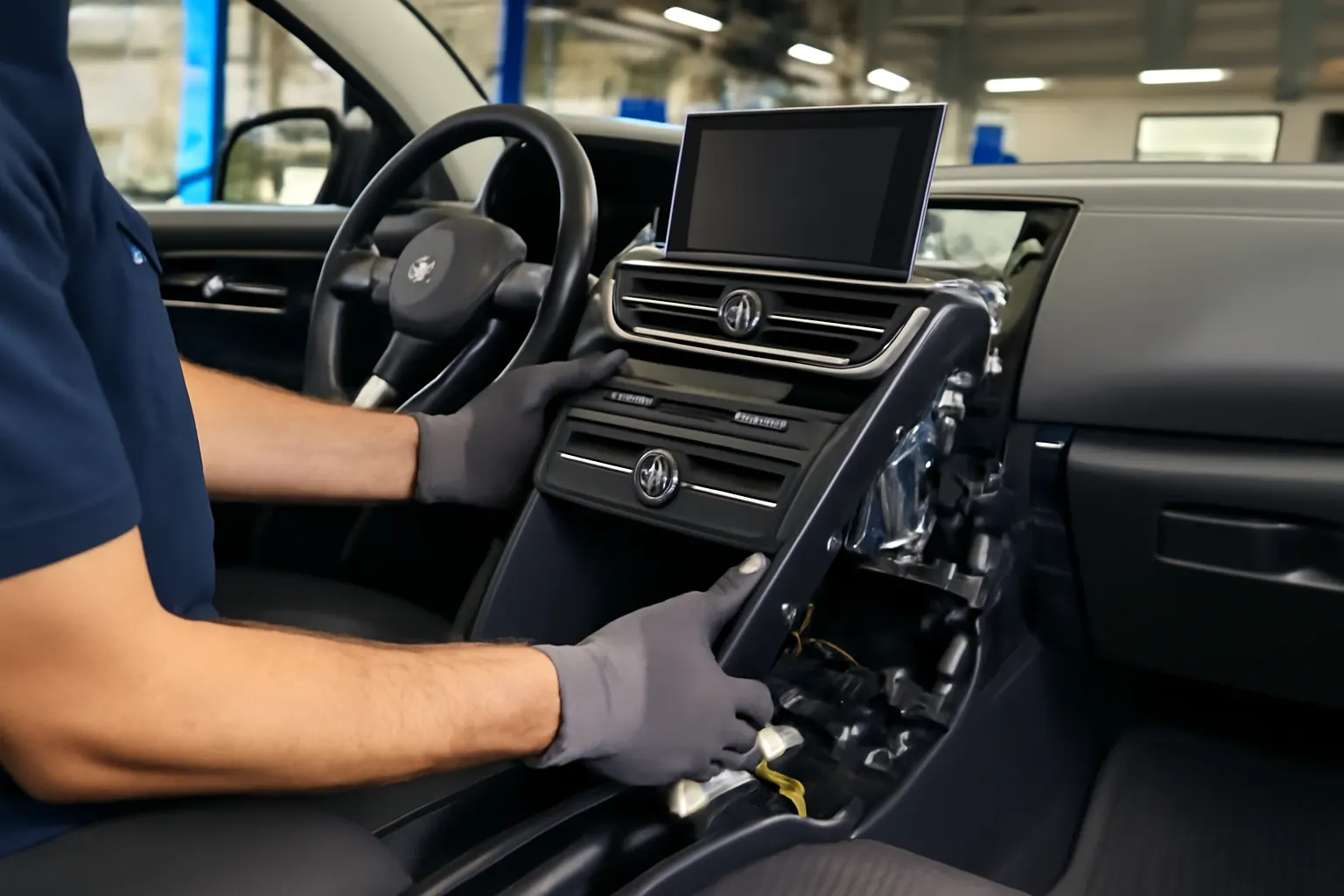
Material Science in Automotive Interiors: The Front Console
The front console is the command center of every modern vehicle interior, and its performance, durability, and tactile experience depend directly on the materials and coatings chosen in its construction. Understanding material science in automotive interiors—especially as it relates to the front console—reveals why some vehicles feel premium and age gracefully, while others succumb to wear, fading, or even safety issues within just a few years.
In this article, we’ll dive deep into the evolving science of front console materials: what’s used, why it matters, and how you can make informed decisions when maintaining, upgrading, or replacing your own front console. If you’re looking for a broader overview of front console systems, explore our Front Console Systems: The Nerve Center of Modern Vehicle Interiors category page.
The Immediate Answer: What Are Modern Front Consoles Made Of?
Today’s front consoles are typically constructed from a sophisticated blend of advanced polymers, engineered plastics, structural metals, and specialized coatings. Common materials include ABS (Acrylonitrile Butadiene Styrene), polypropylene, polycarbonate blends, and, in premium applications, real wood veneer, aluminum, or carbon fiber. The visible surfaces are often finished with soft-touch polyurethane coatings, UV-resistant paints, or decorative films.
These material choices are not arbitrary—they are the result of decades of research into impact resistance, tactile feel, thermal stability, weight reduction, and cost efficiency. The right combination ensures your console resists scratches, fading, and cracking, while also feeling pleasant to the touch and supporting integrated electronics.
The Hidden Problem: Material Choices Affect More Than Just Looks
Most drivers never think about the science behind their front console—until something goes wrong. Material failures can manifest as sticky surfaces, cracking, warping, yellowing, or even off-gassing of volatile organic compounds (VOCs) that affect air quality. Subpar materials can also compromise the safety of embedded systems like airbags, infotainment controls, and climate interfaces.
What’s less obvious is how material science influences everything from user experience (tactility, noise, and vibration damping) to long-term value retention and even vehicle safety compliance. Choosing the wrong replacement part or using the wrong cleaning product can accelerate degradation, leading to expensive repairs or diminished driving enjoyment.
Material Science: A Deeper Technical Dive
1. The Role of Polymers and Plastics
Front consoles are dominated by engineered plastics for a reason: they offer a balance of light weight, formability, and cost. ABS is prized for its impact resistance and ability to be easily molded into complex shapes. Polypropylene is often used for its chemical resistance and flexibility, making it ideal for areas that need to absorb minor impacts or flex with temperature changes.
Advanced blends—such as PC/ABS (polycarbonate/ABS)—are now common in high-end vehicles, offering superior heat resistance and structural integrity, especially around areas housing electronics or airbag modules.
2. Metal Reinforcements and Structural Elements
While plastics handle most of the visual and tactile workload, strategic metal reinforcements are embedded within the console to provide rigidity, support mounting points, and ensure crash safety. Aluminum and high-strength steel are typical, especially in consoles that support heavy infotainment systems or HVAC assemblies.
3. Coatings, Films, and Surface Treatments
The “feel” of the front console is often dictated by its coatings. Soft-touch polyurethane or silicone coatings give a premium, tactile sensation and dampen minor impacts. UV-resistant paints and films prevent yellowing and fading from sun exposure. In luxury models, real wood, leather, or brushed metal overlays are bonded to the underlying structure for aesthetics and tactile warmth.
Material Selection and Durability: Why It Matters
Environmental Stressors
Front consoles must endure a punishing environment: direct sunlight, temperature swings from -40°C to +80°C, humidity, spilled drinks, and constant touch. Materials are rigorously tested for:
- UV resistance (to prevent fading and embrittlement)
- Chemical resistance (to withstand cleaners and accidental spills)
- Scratch and mar resistance (for longevity under daily use)
- Outgassing (to avoid unpleasant odors and minimize VOCs)
Safety and Regulatory Compliance
The National Highway Traffic Safety Administration (NHTSA) sets standards for interior components, including flammability, crashworthiness, and even the way materials deform in a collision. Material choices directly impact the console’s ability to meet these standards, especially when housing airbags or critical controls. For more on safety standards, see Vehicle Safety and Equipment.
Fuel Efficiency and Material Science: The Lightweighting Imperative
Reducing vehicle weight is a top priority for automakers seeking to improve fuel efficiency. Advanced plastics and composites have largely replaced heavier steel components in the front console, contributing to overall vehicle lightweighting.
According to the U.S. Department of Energy, every 10% reduction in vehicle weight can result in a 6-8% improvement in fuel economy. Lighter consoles not only help meet efficiency targets but also improve handling and acceleration. For more insights, visit Fuel Efficiency.
Common Front Console Material Failures and Their Causes
1. Cracking and Warping
Often caused by prolonged UV exposure, thermal cycling, or chemical incompatibility. Older plastics, or those not properly stabilized, become brittle and crack.
2. Sticky or Melting Surfaces
Some early soft-touch coatings degrade under high heat or in response to certain cleaners, resulting in sticky, unpleasant surfaces.
3. Fading and Discoloration
UV rays and poor-quality dyes or coatings can lead to unsightly color changes, especially in vehicles parked outdoors.
4. Delamination and Peeling
Multi-layer films or veneers may separate from the base material if adhesives fail or if moisture penetrates the interface.
Diagnosing Front Console Material Issues
A systematic approach is essential when diagnosing front console material problems. Here’s a practical checklist:
Front Console Material Diagnosis Checklist
- Visual Inspection: Look for cracks, warping, discoloration, or surface stickiness.
- Touch Test: Feel for soft spots, tackiness, or roughness.
- Smell Test: Unusual chemical odors may indicate outgassing or degradation.
- Functionality Check: Ensure controls, buttons, and panels operate smoothly.
- Attachment Points: Check for looseness or rattling, which can indicate internal structural failure.
- Environmental Review: Consider recent exposure to cleaning chemicals, direct sunlight, or extreme temperatures.
- Check Recalls: Search NHTSA’s recalls database for known material or equipment issues affecting your vehicle model.
Upgrading or Replacing Your Front Console: Material Considerations
When sourcing a replacement or upgrade, material compatibility is paramount. Aftermarket consoles may look similar but use inferior plastics or coatings prone to premature aging. Always prioritize:
- OEM or OE-equivalent parts, which adhere to manufacturer material specifications.
- Components with documented UV, chemical, and scratch resistance.
- Verified compatibility with integrated electronics and safety systems.
Before purchasing, consult our detailed guide on Front Console Removal and Replacement Procedures for step-by-step instructions and tips on avoiding material damage during installation.
Maintenance: How to Preserve Your Front Console’s Materials
Proper care can significantly extend the life and appearance of your front console:
- Use Approved Cleaners: Only use cleaners specified for automotive plastics and coated surfaces. Avoid alcohol, ammonia, and harsh solvents.
- UV Protection: When possible, park in shade or use sunshades to minimize UV exposure.
- Temperature Management: Avoid leaving the vehicle in extreme heat for extended periods.
- Gentle Cleaning Tools: Use microfiber cloths to prevent scratches.
- Immediate Spill Response: Clean up spills promptly to prevent staining or chemical damage.
The Role of Material Science in User Experience
The tactile and visual qualities of your front console are more than cosmetic—they shape every interaction you have with your vehicle. Soft-touch surfaces, precision gaps, and colorfast materials all contribute to a sense of quality and comfort. Poor material choices can lead to creaks, rattles, or a dated appearance that diminishes driving pleasure and resale value.
Automakers invest heavily in material R&D to ensure that the console not only looks and feels premium but also integrates seamlessly with touchscreens, haptic feedback systems, and ambient lighting.
Regulatory and Testing Standards: Ensuring Quality and Safety
All front console materials must pass rigorous testing and certification processes. Standards set by organizations like SAE International and NHTSA cover:
- Flammability and smoke toxicity
- Impact and crash performance
- Aging and weathering resistance
- Compatibility with embedded electronics
Manufacturers conduct accelerated life testing—simulating years of use in weeks—to validate material choices before production. For more on industry standards, visit SAE Standards.
Sourcing Quality Front Console Parts: What to Look For
When buying replacement front console parts, insist on:
- Documentation of Material Specifications: Look for parts that list polymer type, coating chemistry, and compliance with OEM or industry standards.
- Fitment Guarantees: Ensure the console is engineered for your specific make, model, and year.
- Brand Reputation: Choose suppliers known for quality and transparency.
- Certifications: Check for compliance with NHTSA and SAE standards.
For a comprehensive selection of front console assemblies and components, browse our Front Console Systems: The Nerve Center of Modern Vehicle Interiors page.
Installation and Fitment: Avoiding Material Damage
Proper installation is critical to preserving material integrity:
- Always follow manufacturer torque and fastener specifications.
- Use plastic trim tools to avoid scratching or gouging coated surfaces.
- Double-check wiring and connector compatibility for integrated controls.
- Align mounting points carefully to prevent stress cracks or rattles.
For a step-by-step installation guide, see our Front Console Removal and Replacement Procedures.
The AutoPartEx Position: Why Material Science Matters to Us
At AutoPartEx, we believe that the front console is more than just a plastic panel—it’s a focal point of driver interaction, safety, and vehicle character. That’s why we prioritize components that meet or exceed OEM material specifications, offer transparent documentation, and are sourced from reputable manufacturers.
Our technical team rigorously vets each part for durability, fit, and compliance with industry standards. Whether you’re restoring a classic or upgrading a modern vehicle, our inventory is curated to ensure you get the best in material performance and user experience.
Expert Action: Take Control of Your Front Console’s Longevity
Material science is the unsung hero of automotive interior quality. By understanding the materials in your front console—and how to care for or replace them—you can dramatically improve your vehicle’s durability, comfort, and value.
- Inspect your console regularly for early signs of material degradation.
- Use only approved cleaners and protectants.
- When upgrading or replacing, insist on parts with documented material quality and compliance.
- Consult trusted resources like AutoPartEx for technical guides and sourcing.
For further reading on diagnosing and addressing console-specific issues, check out our guide on Diagnosing Front Console Electrical Issues.