Toyota Window Regulator Failures
Toyota vehicles are known for their reliability, but even the best-engineered sedans and SUVs can experience window regulator failures. If your window glass hesitates, grinds, or refuses to move, you’re not alone—these issues are among the most common front door glass complaints for Toyota owners. This guide delivers a deep dive into the patterns, root causes, and professional diagnostic techniques for Toyota window regulator and glass failures, with actionable repair and sourcing advice for both DIYers and shop technicians. For a comprehensive overview of Toyota front door glass options, fitment, and sourcing, see our Toyota Front Door Glass: OEM Fitment, Quality, and Sourcing Guide.
Immediate Answers: Spotting Toyota Window Regulator and Glass Issues
The majority of Toyota window regulator failures manifest as slow, jerky, or non-responsive window movement. In some cases, you may hear a grinding or clicking sound from inside the door, or the window glass may drop into the door panel. Common symptoms include:
- Window moves slowly or unevenly
- Audible grinding, clicking, or popping noises when operating the window
- Glass falls or tilts inside the door
- Window gets stuck in the up or down position
- Power window switch works, but the window does not respond
These symptoms can affect a wide range of Toyota models, from the ever-popular Camry and Corolla sedans to RAV4, Highlander, and Tacoma SUVs and trucks.
The Hidden Problem: Why Window Regulator Failures Matter
A malfunctioning window regulator is more than a minor inconvenience. Failed regulators and misaligned glass can compromise:
- Vehicle security: A stuck or dropped window exposes your vehicle to theft and weather.
- Occupant safety: Malfunctioning windows can hinder emergency egress and violate safety equipment standards (NHTSA Equipment).
- Weather protection: Faulty windows allow rain and debris into the cabin, damaging electrical components and upholstery.
- Fuel efficiency: Poorly sealed windows can create aerodynamic drag, impacting fuel economy (DOE Fuel Efficiency).
Addressing regulator issues promptly is essential for maintaining safety, comfort, and vehicle value.
Toyota Window Regulator Construction: How the System Works
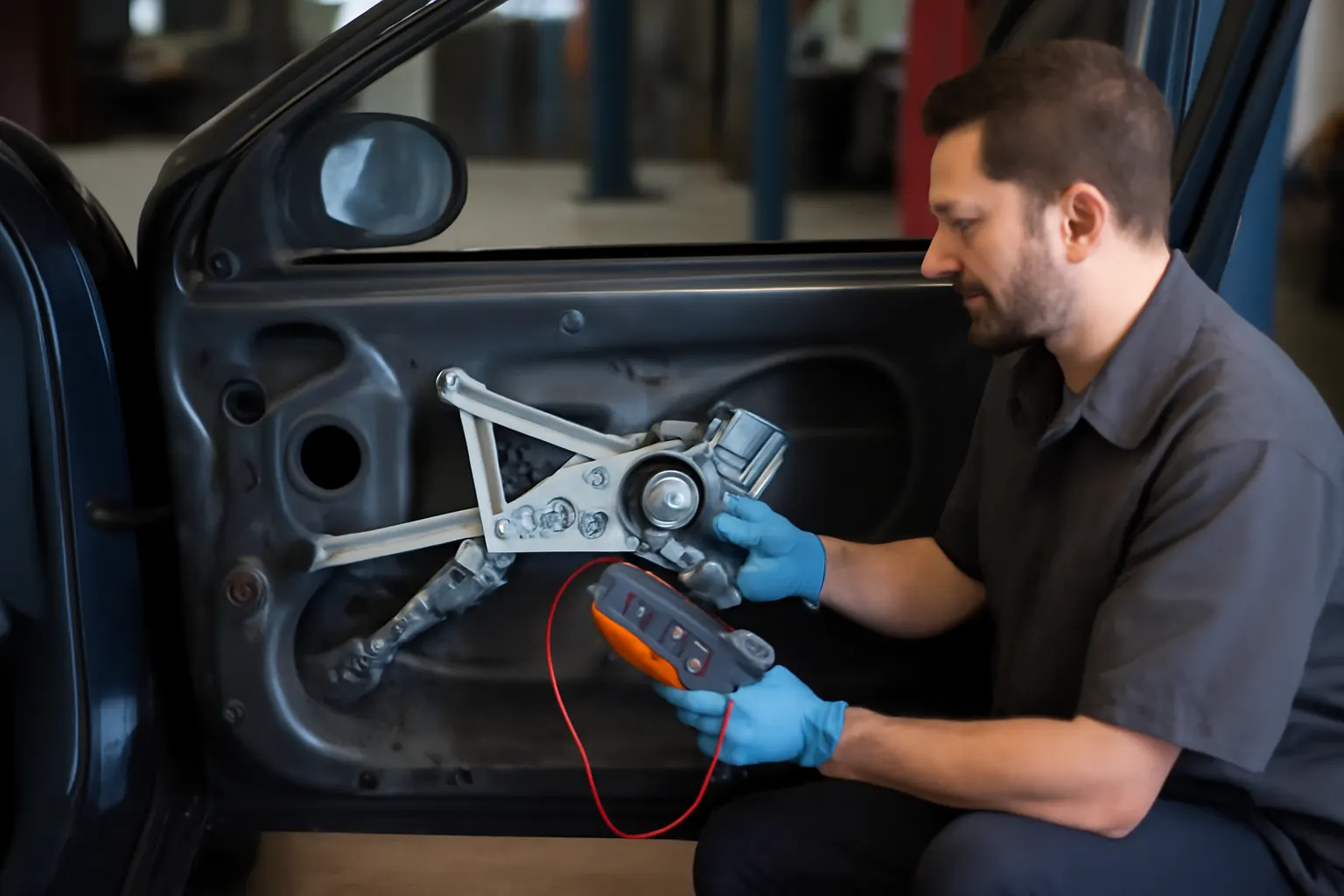
Understanding the mechanics of Toyota window regulators is key to diagnosing and repairing failures. Most modern Toyota vehicles use cable-driven power window regulators, though some older models may feature scissor-type manual regulators. The system includes:
- Window regulator assembly: Guides and supports the glass as it moves up and down.
- Electric motor: Powers the movement (in power window systems).
- Cables or scissor arms: Transmit force from the motor or crank handle to the glass.
- Glass carrier (sash): Attaches the glass to the regulator.
- Switches and relays: Control the motor’s direction and operation.
The interplay of these components ensures smooth, reliable window operation—until wear, damage, or component failure occurs.
Common Toyota Window Regulator Failure Patterns
Toyota window regulator failures typically follow several recognizable patterns:
1. Cable Fraying or Breakage
Cable-driven regulators rely on steel cables wound around plastic pulleys. Over time, cables can fray, stretch, or snap, causing the window to bind, tilt, or drop.
2. Plastic Pulley and Guide Wear
Many Toyota regulators use plastic pulleys and guides. These components can crack or deform, especially in hot climates or after years of use, resulting in cable misalignment and window jamming.
3. Motor Failure
Power window motors can burn out due to age, excessive use, or electrical issues. Symptoms include a complete lack of window response or intermittent operation.
4. Glass Carrier or Sash Detachment
If the carrier or sash that secures the glass to the regulator becomes loose or breaks, the glass may fall into the door or become misaligned.
5. Switch and Electrical Faults
While less common than mechanical failures, faulty switches, relays, or wiring can also prevent the window from operating, sometimes mimicking regulator symptoms.
Diagnostic Checklist: Pinpointing the Root Cause
Use this step-by-step checklist to diagnose Toyota window regulator and glass failures:
Toyota Window Regulator Diagnostic Checklist
-
Test Window Switches
- Does the switch work for other windows?
- Is there any noise from the affected door when the switch is pressed?
-
Listen for Motor Operation
- Audible motor noise suggests regulator or glass binding.
- Silence may indicate a failed motor or electrical fault.
-
Inspect Window Movement
- Does the window move at all?
- Is movement slow, jerky, or does the glass tilt?
-
Remove Door Panel
- Check for frayed cables, broken pulleys, or detached glass carriers.
- Inspect for debris or foreign objects inside the door.
-
Test Electrical Connections
- Use a multimeter to check for power at the window motor.
- Inspect wiring and connectors for corrosion or damage.
-
Manual Operation
- For manual regulators, check crank resistance and smoothness.
- For power systems, attempt to move the window by hand with the motor disconnected.
-
Check for Recalls or TSBs
- Some Toyota models have recalls or technical service bulletins (TSBs) for window regulator issues (NHTSA Recalls).
Toyota Models Most Affected by Window Regulator Failures
While window regulator failures can occur across the Toyota lineup, certain models and years are more prone to issues:
- Toyota Camry (2002–2011): Early 2000s Camrys are known for cable and pulley failures.
- Toyota Corolla (2003–2019): Both manual and power regulator issues reported, especially with high-mileage vehicles.
- Toyota RAV4 (2006–2012): Power window motor and regulator assembly failures are a common complaint.
- Toyota Tacoma (2005–2015): Front door glass and regulator problems, especially in high-use work trucks.
- Toyota Highlander (2008–2013): Reports of slow or stuck windows due to cable and motor wear.
If your Toyota falls within these model years, proactive inspection and maintenance are recommended.
Technical Causes: Materials, Design, and Wear Factors
Window regulator life expectancy is influenced by several technical factors:
Materials Technology
- Plastic vs. Metal: Many OE Toyota regulators use plastic pulleys and guides for weight savings, but these can degrade faster than metal parts (DOE Materials Technologies).
- Cable Quality: Stainless steel cables resist corrosion, but repeated flexing leads to fatigue over time.
Environmental and Usage Factors
- Climate: Extreme heat or cold accelerates plastic aging and cable lubrication breakdown.
- Frequency of Use: High-traffic doors (driver’s side) fail sooner.
- Contamination: Dirt, water intrusion, or debris inside the door can jam mechanisms and accelerate wear.
Engineering and Safety Standards
- SAE Standards: Window regulator systems must meet SAE and NHTSA standards for occupant protection and crash safety (SAE Standards).
- Design Evolution: Later Toyota models often feature improved regulator assemblies with reinforced pulleys and better cable management.
Repair or Replace? Evaluating the Best Fix
Once diagnosed, you’ll need to decide whether to repair or replace the window regulator assembly:
Repair Options
- Cable/Pulley Kits: Some aftermarket suppliers offer repair kits for common cable and pulley failures, but installation can be labor-intensive.
- Motor Replacement: If only the motor is failed, it can sometimes be replaced separately from the regulator.
- Glass Carrier Reattachment: If the glass has come loose from the carrier, reattachment may be possible with OE clips or adhesive.
Replacement Options
- Complete Regulator Assembly: Usually the most reliable fix, especially if multiple components are worn or damaged.
- OE vs. Aftermarket: OEM Toyota regulators offer exact fit and durability, but quality aftermarket units can provide cost savings.
Considerations
- Labor Time: Complete regulator replacement typically takes 1–2 hours for most Toyota models.
- Parts Availability: OE regulators are widely available, but some older models may require sourcing from specialty suppliers.
For detailed sourcing and fitment tips, see our Toyota Front Door Glass Sourcing guide.
Step-by-Step: Toyota Window Regulator Replacement Procedure
A typical Toyota front door window regulator replacement involves:
- Disconnect Battery: Prevent accidental airbag deployment or electrical shorts.
- Remove Door Panel: Carefully pry off trim and disconnect switches.
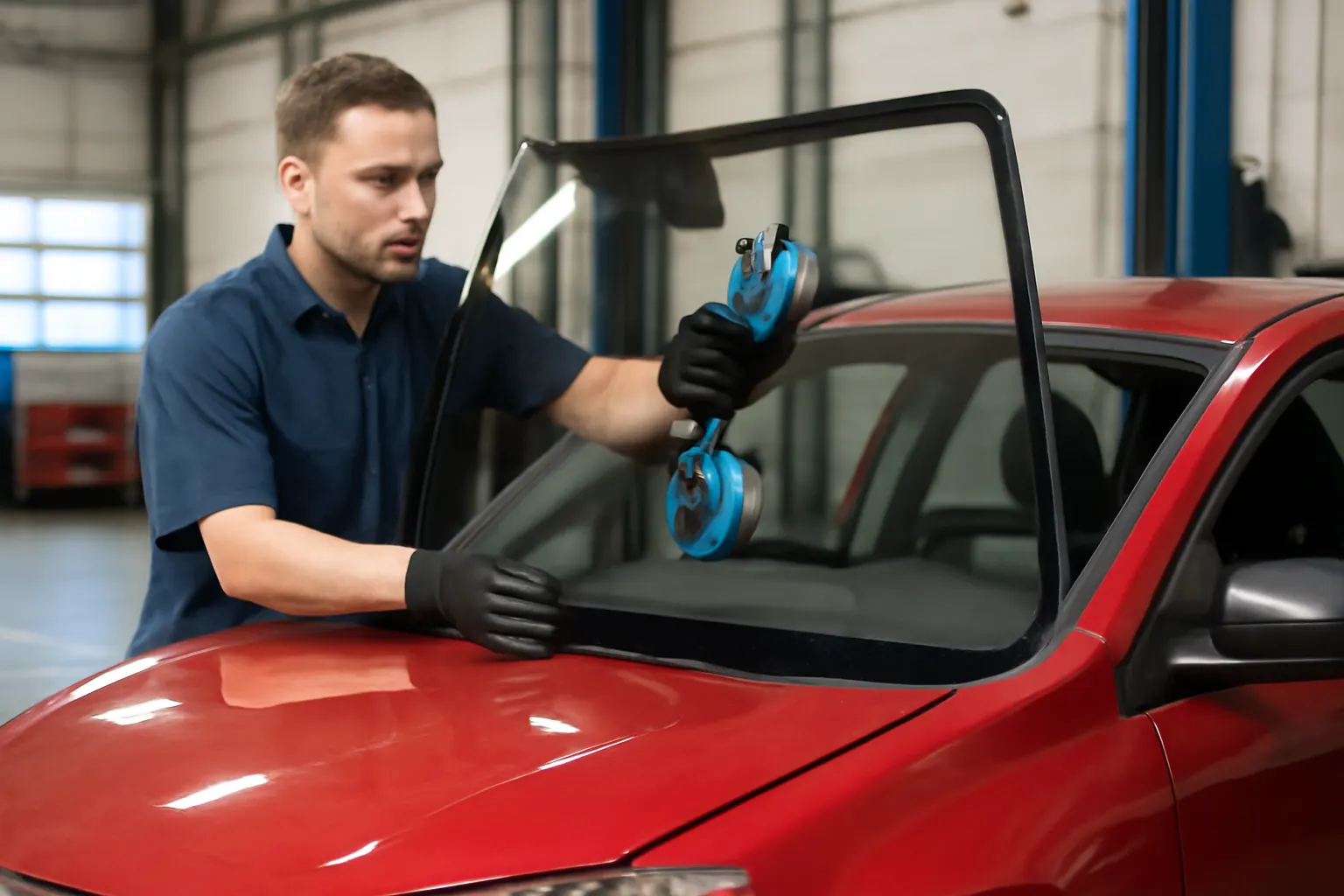
- Detach Glass: Unbolt the glass from the regulator and secure it in the up position.
- Remove Regulator Assembly: Unbolt and slide out the old regulator (and motor, if replacing).
- Install New Regulator: Position the new assembly and bolt in place.
- Reconnect Glass: Attach the glass to the new carrier or sash.
- Test Operation: Before reinstalling the door panel, test window movement for smoothness and alignment.
- Reinstall Door Panel: Reconnect switches, clips, and trim pieces.
Tip: Use OE fasteners and lubricate moving parts to ensure long-term reliability.
For a more detailed walkthrough, consult our Toyota Front Door Glass Installation resource.
Maintenance and Prevention: Extending Regulator Life
Proper care can extend the life of your Toyota window regulators:
- Keep Window Tracks Clean: Regularly clean and lubricate window channels to minimize drag and motor strain.
- Avoid Excessive Force: Don’t operate power windows when frozen or obstructed.
- Inspect Weatherstripping: Replace damaged seals to prevent water and debris ingress.
- Operate Windows Regularly: Infrequently used windows are more likely to seize or corrode.
Proactive maintenance reduces the risk of sudden window failures and ensures continued occupant safety.
Sourcing Quality Toyota Window Regulators and Glass
When replacing a window regulator or glass, sourcing matters. For best results:
- Choose OEM or High-Quality Aftermarket: OE Toyota parts guarantee fit and meet NHTSA and SAE standards. Select reputable aftermarket brands for cost savings without sacrificing reliability.
- Verify Fitment: Match regulator part numbers to your specific Toyota model, year, and trim to ensure compatibility.
- Check for Advanced Materials: Some newer regulators use improved plastics or reinforced pulleys for longer service life. See our Toyota Advanced Glass Materials article for more on material innovations.
- Inspect Before Installation: Confirm parts are undamaged and include all necessary hardware before beginning repairs.
For a curated list of compatible glass and regulator assemblies, see the Toyota Front Door Glass: OEM Fitment, Quality, and Sourcing Guide.
Professional vs. DIY: When to Call an Expert
While many experienced DIYers can tackle Toyota window regulator replacement, there are situations when professional assistance is recommended:
- Complex Electrical Faults: Diagnosing and repairing wiring or control module issues requires advanced tools and expertise.
- Airbag-Equipped Doors: Some Toyota models have side airbags within the door panel; improper handling can result in accidental deployment.
- Glass Alignment: Ensuring perfect window alignment is critical for sealing and smooth operation. Professionals have the tools to make precise adjustments.
- Warranty and Safety Compliance: Professional shops ensure repairs meet NHTSA safety standards and may offer labor warranties.
If you’re unsure about any step, consult a qualified Toyota technician or a reputable independent shop.
AutoPartEx: Your Partner for Toyota Window Regulator Solutions
At AutoPartEx, we specialize in providing accurate fitment data, high-quality replacement parts, and real-world repair insights for Toyota front door glass and window regulator systems. Our resources are grounded in verified industry standards and safety guidelines, ensuring you get the right part and the right procedure every time.
Explore our comprehensive Toyota fitment and sourcing guides, or speak with an AutoPartEx technical advisor for personalized support on your next window regulator repair.
Conclusion: Restore Confidence in Your Toyota’s Windows
Window regulator failures are a common, yet manageable, issue for Toyota owners. With the right diagnostic approach, quality parts, and informed installation practices, you can restore smooth, reliable window operation and maintain your vehicle’s safety, security, and comfort.
Don’t let a stuck or noisy window sideline your Toyota—use the resources and techniques outlined here to tackle regulator problems head-on. For additional information on Toyota glass fitment, advanced materials, and installation tips, browse our related editorial content or reach out to the AutoPartEx team for expert guidance.
References
- Vehicle Safety and Equipment – National Highway Traffic Safety Administration
- Fuel Efficiency – United States Department of Energy
- Materials Technologies – United States Department of Energy
- Vehicle, Car Seat, Tire, and Equipment Recalls – National Highway Traffic Safety Administration
- SAE Standards – SAE International