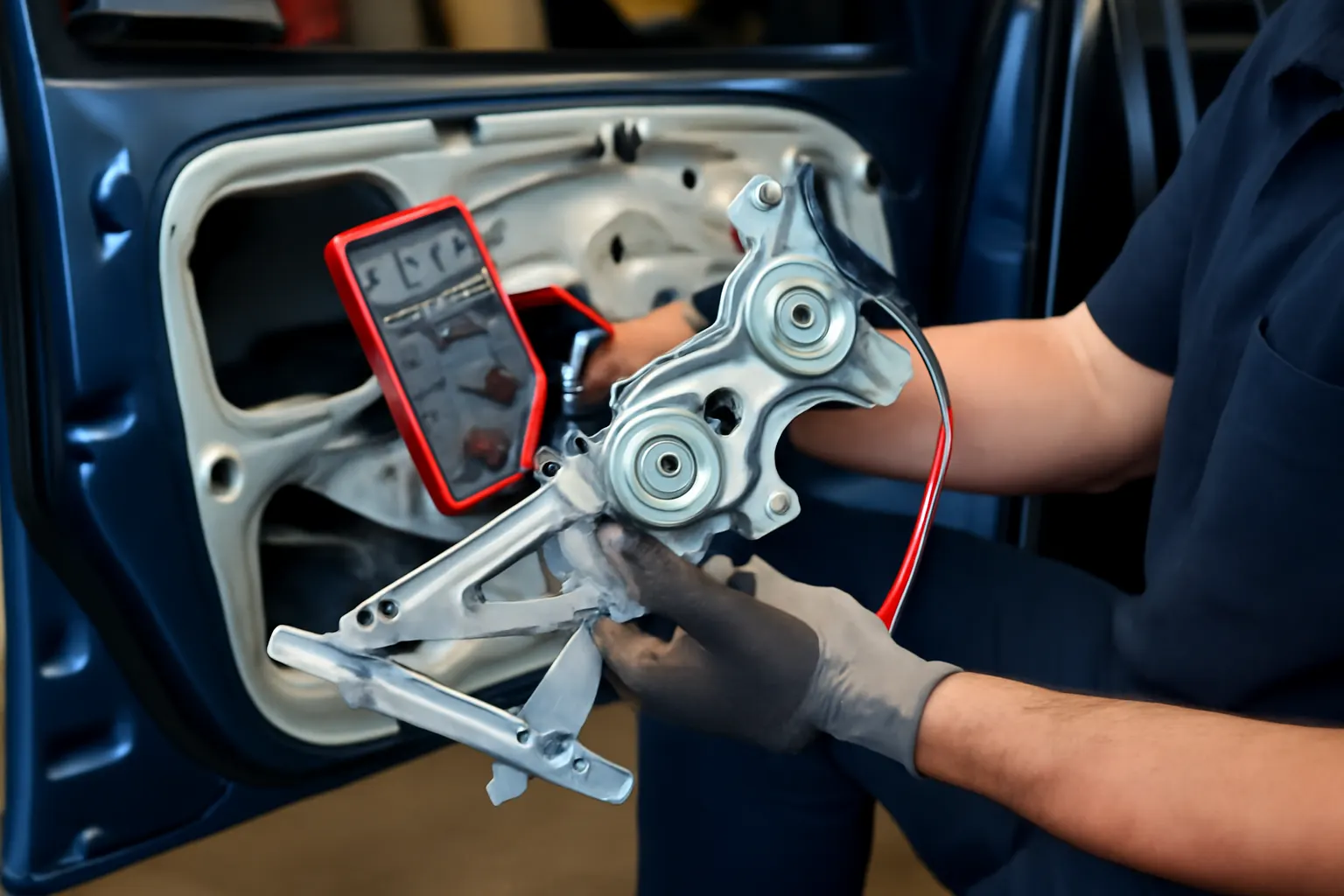
Toyota Window Noise Solutions
Is your Toyota’s window making clicking, grinding, or squeaking noises when you raise or lower it? You’re not alone—window noise is a common complaint among Toyota owners, and it’s usually a sign that something is amiss inside your door. The good news: most window noises are both diagnosable and fixable with the right approach. This comprehensive AutoPartEx guide delivers immediate troubleshooting steps, explains hidden problems, dives deep into technical causes, and provides a clear action plan for resolving Toyota window noise for good.
If you’re seeking more detail on Toyota window regulators, fitment, or replacement, see our Toyota Front Window Regulator: OEM Fit, Diagnosis & Sourcing Guide.
Quick Answers: Why Is My Toyota Window Noisy?
Most Toyota window noise issues stem from wear or misalignment in the window regulator, dry or dirty window tracks, or failing window motors. Common symptoms include:
- Clicking or popping when moving the window
- Grinding or rattling sounds inside the door
- Squeaking or squealing as the glass moves
- Window movement that feels rough, slow, or uneven
These noises typically signal that the window regulator mechanism—responsible for lifting and lowering the glass—needs attention. Left unchecked, window noise can lead to complete regulator failure, glass misalignment, or even safety issues.
The Hidden Problem: Why Window Noise Matters
Window noise in your Toyota isn’t just an annoyance—it’s an early warning sign of component wear or impending failure. Ignoring these noises can result in:
- Window glass stuck in the down or up position
- Sudden regulator or motor failure, leaving your vehicle vulnerable to weather or theft
- Increased stress on door electronics and wiring
- Safety risks from loose glass or compromised structure (as highlighted by the National Highway Traffic Safety Administration)
Addressing window noise promptly not only restores quiet operation but also prevents more expensive repairs and maintains your vehicle’s safety and integrity.
Understanding Toyota Window Regulator Systems
Toyota vehicles use either cable-driven or scissor-type window regulators. Both designs are engineered for reliability but can develop noise issues over time due to:
- Regulator Wear: The gears, cables, or pivot points inside the regulator may wear out, creating clicking, grinding, or popping noises.
- Track Contamination: Dirt, debris, or hardened grease in the window tracks can cause squeaking or resistance.
- Motor Degradation: Failing window motors may struggle, leading to buzzing or whining as they attempt to move the glass.
- Glass Misalignment: If the window glass comes off its track, it can rattle or scrape against the door frame.
Understanding the specific system in your Toyota helps narrow down the source of noise and informs the best repair approach.
Common Causes of Toyota Window Noise
Let’s break down the most frequent culprits behind noisy Toyota windows:
1. Worn Window Regulator
- Metal fatigue or plastic gear wear causes popping, clicking, or grinding.
- Cables can fray or slip, producing scraping or rattling sounds.
- Regulator arms or pivots may loosen, leading to inconsistent movement.
2. Dry or Dirty Window Tracks
- Accumulated dirt, dried lubricant, or weatherstripping degradation causes squeaking or binding.
- Glass may move unevenly or require more force from the motor, increasing noise.
3. Failing Window Motor
- Weak or worn motors emit a high-pitched whine, buzzing, or slow operation.
- Motor strain can amplify regulator wear and noise.
4. Loose or Misaligned Glass
- Glass that’s off-track rattles, especially over bumps or when operating the window.
- If the mounting points are loose, expect clunking or knocking sounds.
5. Foreign Objects Inside Door
- Small debris, broken clips, or loose fasteners can get trapped, causing intermittent rattles or scraping.
Diagnosing Toyota Window Noise: Step-by-Step
Proper diagnosis ensures you target the real issue and avoid unnecessary parts replacement. Follow this systematic approach:
Step 1: Identify the Noise
- Type: Is it a click, pop, grind, squeak, or rattle?
- Location: Is the noise from the front or rear window? Driver or passenger side?
- Operation: Does it occur when raising, lowering, or both?
Step 2: Visual and Auditory Inspection
- With the ignition on, operate the window and listen closely.
- Compare the noisy window’s sound to a quiet window on the other side.
Step 3: Glass Movement Check
- Observe window movement from outside and inside.
- Note any jerking, uneven speed, or glass tilting.
Step 4: Door Panel Removal
- Carefully remove the inner door panel (see your Toyota’s service manual for specifics).
- Inspect the regulator, tracks, and motor for visible wear, debris, or broken components.
Step 5: Manual Operation
- With the panel off, operate the window and observe the mechanism.
- Pinpoint the source of sound—track, regulator, motor, or glass.
Tip: Use a mechanic’s stethoscope or length of hose to localize noises.
Checklist: Diagnosing and Addressing Toyota Window Noise
| Step | Action | What to Look/Listen For | Result |
|---|---|---|---|
| 1 | Operate window | Clicking, grinding, squeaking | Identify noise type |
| 2 | Inspect glass motion | Jerky, slow, uneven, rattling | Glass alignment issue |
| 3 | Remove door panel | Visual check of regulator, tracks, motor | Signs of wear, debris, damage |
| 4 | Listen while operating | Localize noise source | Regulator, track, or motor |
| 5 | Inspect tracks | Dirt, dry rubber, hardened grease | Clean or lubricate if needed |
| 6 | Check regulator | Frayed cables, worn gears, loose arms | Replace if damaged |
| 7 | Examine motor | Weak, slow, or noisy operation | Consider motor replacement |
| 8 | Inspect mounting hardware | Loose bolts, broken clips | Tighten or replace as needed |
| 9 | Test after repair | Quiet, smooth operation | Confirm problem solved |
Technical Insights: Why Regulators Get Noisy
Window regulators are subject to substantial mechanical stress each time you operate your window. In Toyota vehicles, the following technical factors contribute to noise:
- Material Fatigue: Over time, repeated movement causes metal and plastic regulator components to wear, especially at high-stress points like gear teeth or cable pulleys. According to the U.S. Department of Energy, material selection and fatigue resistance are critical for automotive moving parts.
- Lubrication Breakdown: Factory-applied grease in tracks and on gears can dry out or attract dust, leading to increased friction and squeaking.
- Environmental Exposure: Moisture intrusion or temperature swings can accelerate wear or cause corrosion in the regulator assembly and tracks.
- Design Variations: Some Toyota models use cable-driven regulators, which can fray or slip, while others use scissor-type regulators, where pivot points may loosen.
Understanding these technical considerations helps in selecting the right replacement part and maintenance strategy.
How to Address Toyota Window Noise
Effective solutions depend on the root cause, but most fixes fall into three categories:
1. Clean and Lubricate Tracks
- Use a silicone-based lubricant on window tracks and weatherstripping.
- Remove dirt and debris with a soft brush and mild cleaner.
- Avoid petroleum-based lubricants, which can attract dust or degrade rubber.
2. Regulator or Motor Replacement
- If the regulator shows visible wear (frayed cables, cracked arms, missing teeth), replace it with an OEM-quality unit.
- A sluggish or noisy motor should be replaced to restore proper function and prevent further regulator damage.
- See our Toyota Front Window Regulator Install Guide for step-by-step installation tips.
3. Glass Realignment and Hardware Check
- Ensure the glass is seated properly in its track.
- Tighten any loose mounting bolts or replace broken clips.
Addressing these areas will eliminate most window noises and restore smooth, quiet operation.
Buying the Right Toyota Window Regulator
Not all window regulators are created equal. For lasting results:
- Choose OEM or high-quality aftermarket regulators that meet or exceed SAE standards.
- Confirm compatibility with your Toyota’s year, model, and trim—see our Toyota Window Regulator Crossreference for detailed fitment.
- Beware of counterfeit or low-quality parts—see Toyota Window Regulator Authenticity for tips on spotting genuine components.
A precise fit ensures quiet operation and long-term durability.
Preventing Future Window Noise: Maintenance Tips
Routine maintenance can extend the life of your window regulator and prevent noise from returning:
- Quarterly Cleaning: Wipe down window tracks and weatherstripping to remove dirt and prevent buildup.
- Annual Lubrication: Apply a light coat of silicone lubricant to tracks and moving parts.
- Check for Moisture: Inspect for water intrusion, which can accelerate corrosion and regulator wear.
- Operate Windows Regularly: If you rarely use certain windows, cycle them occasionally to keep mechanisms moving smoothly.
These simple steps help maintain optimal performance and prevent costly repairs.
Safety and Performance Considerations
Noisy or malfunctioning windows aren’t just a comfort issue—they can compromise safety and vehicle integrity. According to the National Highway Traffic Safety Administration, malfunctioning windows can:
- Impede emergency egress in the event of an accident
- Allow water or debris intrusion, damaging electronics and interior trim
- Reduce vehicle security
Promptly addressing window noise ensures your Toyota remains safe, secure, and comfortable.
When to Seek Professional Help
While many Toyota owners can diagnose and address window noise themselves, certain scenarios warrant professional intervention:
- Complex Regulator Replacement: Some models require specialized tools or knowledge for regulator removal and installation.
- Electrical Issues: If the problem involves wiring, switches, or the vehicle’s control module, consult an automotive electrician.
- Persistent Noise After Repair: If noise persists despite new parts or maintenance, a technician can pinpoint less obvious issues such as door frame misalignment or hidden damage.
A reputable auto repair shop or Toyota dealership has the experience and equipment to resolve stubborn window noise issues.
AutoPartEx: Your Partner in Toyota Window Solutions
AutoPartEx is committed to helping Toyota owners achieve quiet, reliable window operation. Our technical resources, fitment guides, and curated parts selection ensure you get the right solution the first time. Whether you’re sourcing an OEM window regulator, seeking step-by-step installation instructions, or verifying part authenticity, AutoPartEx delivers expertise you can trust.
Explore our Toyota Front Window Regulator: OEM Fit, Diagnosis & Sourcing Guide for in-depth coverage of regulator types, troubleshooting, and sourcing strategies.
Expert Action: Take the Next Step
To silence your Toyota’s window noise for good:
- Diagnose the noise using the checklist above.
- Clean and lubricate tracks as a first step.
- Inspect the regulator and motor for wear—replace if needed.
- Use only high-quality, verified parts for repairs.
- Follow up with routine maintenance to prevent recurrence.
If you need detailed installation help, see our Toyota Front Window Regulator Install Guide. For part compatibility or authenticity questions, rely on our crossreference and authenticity resources.
Restore the quiet confidence of your Toyota’s windows—start your repair with AutoPartEx today.