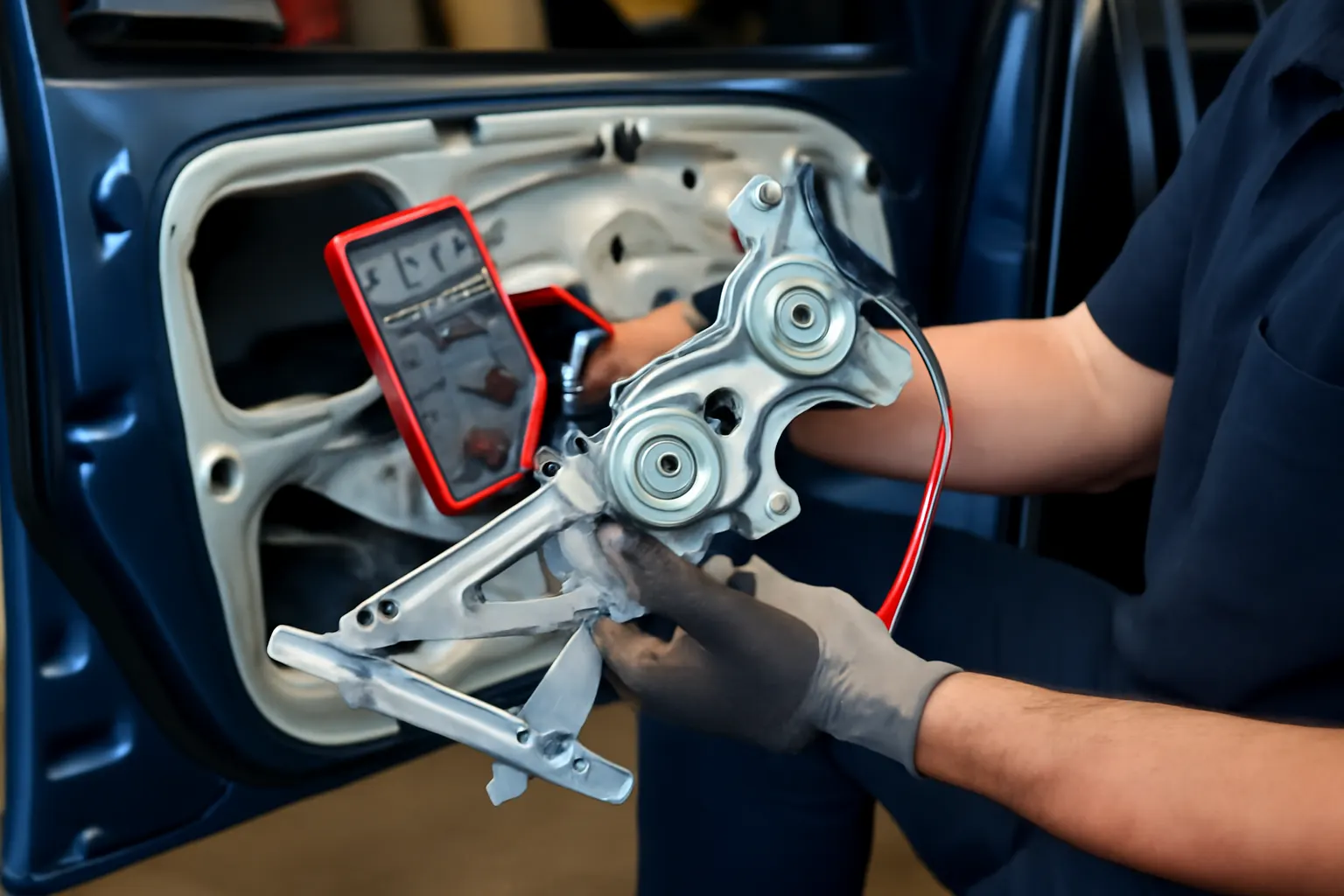
Toyota Regulator Failure Patterns
Toyota window regulators are known for their reliability, but even the best-engineered components can fail over time. In this guide, AutoPartEx brings together real-world technician insights, repair data, and deep technical analysis to reveal the most common Toyota regulator failure patterns, how to diagnose them, and proven solutions. Whether you're a DIYer, a professional technician, or simply seeking to understand why your Toyota’s front window isn’t working, this resource provides the clarity and expertise you need.
For more information on fitment, failure, and replacement options, visit our comprehensive Toyota Front Window Regulator – Fitment, Failure, and Replacement Expertise | AutoPartEx category page.
The Immediate Answer: Typical Toyota Regulator Failures
The most prevalent Toyota window regulator failures involve worn cable mechanisms, broken plastic pulleys or guides, and electric motor burnout. These problems manifest as slow window movement, clicking or grinding noises, windows stuck in place, or glass that tilts or drops into the door. In some cases, the window regulator may work intermittently, complicating diagnosis. Recognizing these symptoms early is key to preventing further damage to the window assembly or related electrical systems.
Quick Checklist: Common Toyota Regulator Failure Symptoms
- Window won’t move up or down
- Grinding, popping, or clicking noises from inside the door
- Glass tilts, falls, or moves unevenly
- Window moves slowly or intermittently
- Regulator motor runs but window doesn’t move
- Window drops suddenly inside the door
The Hidden Problem: Why Toyota Regulators Fail
While Toyota regulators are engineered with durability in mind, several underlying factors contribute to their failure. The most significant contributors include:
- Material fatigue: Over time, the steel cables, plastic pulleys, and nylon guides experience wear from repeated use.
- Moisture intrusion: Water entering the door cavity can corrode metal components and degrade lubricants, especially in regions with high humidity or frequent rain.
- Temperature extremes: Fluctuations between hot and cold weather can cause expansion and contraction of components, stressing plastic and metal parts.
- Electrical overload: Faulty switches or wiring can cause the regulator motor to overheat or draw excessive current, leading to premature burnout.
Many Toyota owners and technicians are surprised to find that some regulator failures are not simply the result of age, but of compounding minor issues—such as worn weatherstripping or window misalignment—that accelerate wear on the regulator assembly.
Expanding the Problem: Model-Specific and Generational Patterns
Toyota has used several regulator designs across its model range, including cable-driven, scissor-type, and hybrid mechanisms. Each design has its own failure patterns:
Cable-Driven Regulators
- Common in: Camry, Corolla, RAV4 (2000s–present)
- Failure mode: Cable fraying, detachment from drum, or pulley breakage.
- Symptoms: Sudden window drop, grinding noise, or complete loss of function.
Scissor-Type Regulators
- Common in: Older Camry, Corolla, Tacoma (pre-2000)
- Failure mode: Worn pivot points or stripped gear teeth.
- Symptoms: Window binds, moves unevenly, or makes popping noises.
Hybrid Designs
- Common in: Highlander, Sienna, late-model trucks
- Failure mode: Combination of cable and gear issues.
- Symptoms: Intermittent operation or window tilting.
Generational Trends
- Early 2000s Camry/Corolla: Noted for cable detachment and plastic pulley failure.
- 2010s RAV4/Highlander: Improved materials but still susceptible to cable wear.
- Tacoma/Tundra trucks: Larger glass requires more robust regulators, but cable issues persist if seals fail and allow moisture in.
Technical Deep Dive: Anatomy of a Toyota Window Regulator
Understanding the technical construction of a Toyota window regulator is critical for accurate diagnostics and repair. Most modern Toyota regulators consist of the following components:
- Regulator track: Guides the movement of the window glass.
- Cable and drum assembly: Translates motor rotation into linear window movement.
- Plastic pulleys and sliders: Maintain cable alignment and reduce friction.
- Electric motor: Powers the regulator; typically integrated with the assembly.
- Mounting brackets and fasteners: Secure the assembly inside the door.
- Glass attachment points: Connect the window glass to the regulator.
Failures most often occur at the cable, pulleys, or motor. Material selection is a key factor: Toyota uses lightweight high-strength steel for cables and engineered plastics for pulleys and guides to balance durability and weight (see Materials Technologies).
Diagnosing Toyota Window Regulator Failures
Accurate diagnosis is essential to avoid unnecessary parts replacement and ensure a lasting repair. The process includes both visual inspection and electrical testing.
Step-by-Step Diagnostic Checklist
- Listen for abnormal noises: Grinding or popping inside the door when operating the window usually points to cable or pulley failure.
- Test window switch operation: If the switch is unresponsive, check the fuse and wiring before suspecting the regulator.
- Remove door panel: Inspect for frayed cables, broken pulleys, or detached glass.
- Check for window movement: With the motor engaged, see if the regulator attempts to move or if the motor spins freely.
- Test motor voltage: Use a multimeter to confirm power is reaching the regulator motor.
- Inspect for corrosion or water intrusion: Signs of rust or moisture in the door cavity often indicate a chronic issue that may have contributed to failure.
- Assess window alignment: Misaligned glass can overload the regulator and hasten failure.
If you need a more detailed walkthrough, refer to our Toyota Window Diagnostics guide.
The Solution Path: Repair or Replace?
Once a failure is confirmed, the next question is whether to repair or replace the regulator assembly. In most cases, especially with cable-driven designs, replacement is the preferred solution due to the integrated nature of the motor and cable mechanisms. Attempting to repair broken cables or pulleys is typically not cost-effective and may compromise safety or reliability.
When Replacement Is Recommended
- Severely frayed or broken cables
- Cracked or shattered plastic pulleys
- Burnt-out or weak motor
- Multiple points of failure within the assembly
When Repair May Be Considered
- Minor alignment issues
- Loose mounting bolts or brackets
- Switch or wiring faults (not regulator-related)
For a step-by-step replacement procedure, see our Toyota Front Window Regulator Replacement guide.
Sourcing Quality Regulator Assemblies: OEM vs. Aftermarket
Choosing between OEM (Original Equipment Manufacturer) and aftermarket regulators is a critical decision that impacts longevity and performance.
- OEM Regulators: Manufactured to Toyota specifications, ensuring precise fit and durability. Generally more expensive, but recommended for long-term reliability.
- Aftermarket Regulators: Wide range of quality. Some reputable brands match or exceed OEM standards, but others may use lower-grade materials or lack exact fitment.
Key factors when sourcing a replacement:
- Confirm compatibility with your exact Toyota year, model, and trim.
- Check for included hardware (some kits exclude fasteners or glass clips).
- Review material quality—look for steel cables and durable pulleys.
- Consider warranty terms.
For a detailed comparison, read our Toyota Window Regulator Oem Vs Aftermarket article.
Installation Essentials: Best Practices for Toyota Regulators
Proper installation is crucial for regulator longevity and window operation. Even high-quality parts will fail prematurely if installed incorrectly.
Installation Best Practices Checklist
- Disconnect the battery before beginning work to prevent electrical shorts.
- Support the window glass securely when removing the old regulator.
- Clean the window tracks and lubricate with silicone spray to reduce friction.
- Align the new regulator precisely with factory mounting points.
- Torque all fasteners to Toyota’s specified settings to prevent loosening.
- Test window operation before reassembling the door panel.
- Inspect weatherstripping and replace if damaged to prevent future moisture intrusion.
Preventing Future Failures: Maintenance and Proactive Care
While not all regulator failures can be prevented, regular maintenance can significantly extend the life of your Toyota’s window system.
Maintenance Tips
- Keep window tracks clean: Dirt and debris increase friction and strain on the regulator.
- Lubricate moving parts: Use a non-greasy silicone lubricant on tracks and pulleys annually.
- Inspect weatherstripping: Replace if cracked or missing to block moisture entry.
- Operate windows regularly: Prevents components from seizing, especially in seldom-used windows.
- Address slow or noisy operation early: Early intervention can prevent catastrophic failure.
Diagnostic Tools and Professional Techniques
Advanced diagnosis may require specialized tools:
- Multimeter: For checking voltage and continuity at the switch and regulator motor.
- OBD-II scanner: Some late-model Toyotas may log window module faults.
- Trim removal tools: Prevents damage to door panels during disassembly.
- Borescope: Useful for inspecting cable and pulley condition without full regulator removal.
Technicians also use manufacturer service bulletins and wiring diagrams to trace complex electrical or control module issues.
Safety Considerations and Regulatory Compliance
Window regulator failures can have safety implications, especially if the window cannot be closed in inclement weather or emergency situations. The National Highway Traffic Safety Administration (NHTSA) monitors equipment safety and has issued recalls for some window regulator defects in the past (NHTSA Vehicle Safety and Equipment). Always check for open recalls related to your Toyota model before purchasing parts or performing repairs (NHTSA Recalls).
When installing a new regulator, ensure all fasteners and glass attachments are secure. Improper installation can result in glass detachment or regulator failure during vehicle operation.
How Regulator Materials Affect Performance and Longevity
Material selection directly impacts the performance and service life of Toyota window regulators. Modern regulators leverage lightweight, high-strength steel cables and engineered plastics to reduce weight while maintaining durability (DOE Materials Technologies). However, plastic pulleys and guides are susceptible to fatigue and cracking over time, especially if exposed to UV light or temperature extremes.
Aftermarket regulators may use lower-grade materials, leading to premature failure. Always inspect new parts for robust construction and, if possible, compare with the original component.
When to Seek Professional Help
While many Toyota window regulator repairs are within the reach of experienced DIYers, there are scenarios where professional intervention is recommended:
- Complex electrical faults: If diagnosis points to wiring, switch, or control module issues beyond the regulator itself.
- Repeated failure: If a new regulator fails shortly after installation, underlying alignment or electrical issues may exist.
- Airbag-equipped doors: Some late-model Toyotas have side airbags that complicate door panel removal.
- Glass removal or replacement: Handling large or bonded glass panels safely requires specialized tools and experience.
Professional technicians have access to technical service bulletins (TSBs), factory wiring diagrams, and advanced diagnostic equipment that can speed repairs and reduce the risk of repeat failures.
AutoPartEx: Your Toyota Regulator Solution Partner
At AutoPartEx, we combine real-world technician insights with rigorous part sourcing and technical guidance to help you solve Toyota window regulator problems efficiently and confidently. Our resources cover:
- Model-specific fitment and compatibility
- Failure pattern analysis and repair data
- Step-by-step diagnostic and replacement guides
- Quality OEM and aftermarket part recommendations
Visit our Toyota Front Window Regulator – Fitment, Failure, and Replacement Expertise | AutoPartEx page for model-specific information, or explore advanced troubleshooting in our Toyota Window Diagnostics guide.