Top 5 Signs Your Floor Pan Needs Attention
Floor pans form the literal foundation of your vehicle’s structure, supporting the cabin, anchoring seats, and contributing to crash safety and ride quality. Spotting early warning signs of floor pan deterioration is essential to avoid costly repairs, compromised safety, and even failed inspections. This guide details the top five indicators your floor pan needs attention, how to diagnose issues, and what steps to take next—so you can keep your vehicle safe, solid, and roadworthy.
If you’re searching for more in-depth restoration or replacement advice, explore our Floor Pan Replacement & Restoration: The Foundation of Vehicle Integrity category for expert resources, fitment guides, and part sourcing tips.
Immediate Answer: The Five Critical Signs of Floor Pan Trouble
Every vehicle owner should know these five unmistakable warning signs of floor pan issues:
- Visible Rust or Corrosion on the Floor Pan
- Unusual Moisture or Wet Carpets
- Soft, Spongy, or Flexing Floorboards
- Unexplained Cabin Noise or Fumes
- Structural or Alignment Issues
These symptoms often point to underlying corrosion, metal fatigue, or even holes in your floor pan. Addressing them early can prevent serious structural compromise, water intrusion, and expensive repairs. Let’s break down each sign and what it means for your vehicle’s integrity.
The Hidden Problem: Floor Pan Damage Isn’t Always Obvious
Many drivers miss early floor pan issues because the signs are subtle—or hidden entirely beneath carpet, insulation, and underbody coatings. By the time rust or flexing is visible, the underlying metal may already be dangerously thin or perforated. Floor pan deterioration is more than a cosmetic issue; it can threaten crash safety, seat anchoring, and even fuel system integrity.
Water, road salt, and debris attack the floor pan from both above and below, especially in older vehicles, daily drivers in wet climates, or cars with worn weather seals. Modern vehicles use a mix of high-strength steel and lightweight alloys, but even advanced coatings can’t prevent all forms of environmental damage (DOE Materials Technologies). That’s why proactive inspection and maintenance are critical.
Why Floor Pan Integrity Matters: Safety, Efficiency, and Value
A compromised floor pan affects more than just the floor beneath your feet. Here’s why floor pan health is vital:
- Safety: The floor pan is a structural component, helping to maintain chassis rigidity and absorb crash energy (NHTSA Vehicle Safety and Equipment). Rusted or weakened floor pans can lead to catastrophic failure in a collision.
- Fuel Efficiency: Floor pan holes or gaps can disrupt aerodynamics, allowing air and debris to enter the undercarriage, which may slightly impact fuel economy (DOE Fuel Efficiency).
- Resale Value: Vehicles with solid, rust-free floors command higher prices and pass inspections more easily.
- Comfort & Noise: Holes or gaps allow road noise, fumes, and moisture to invade the cabin, degrading ride quality.
Understanding these risks underscores the need for early detection and action.
Sign 1: Visible Rust or Corrosion on the Floor Pan
What to Look For
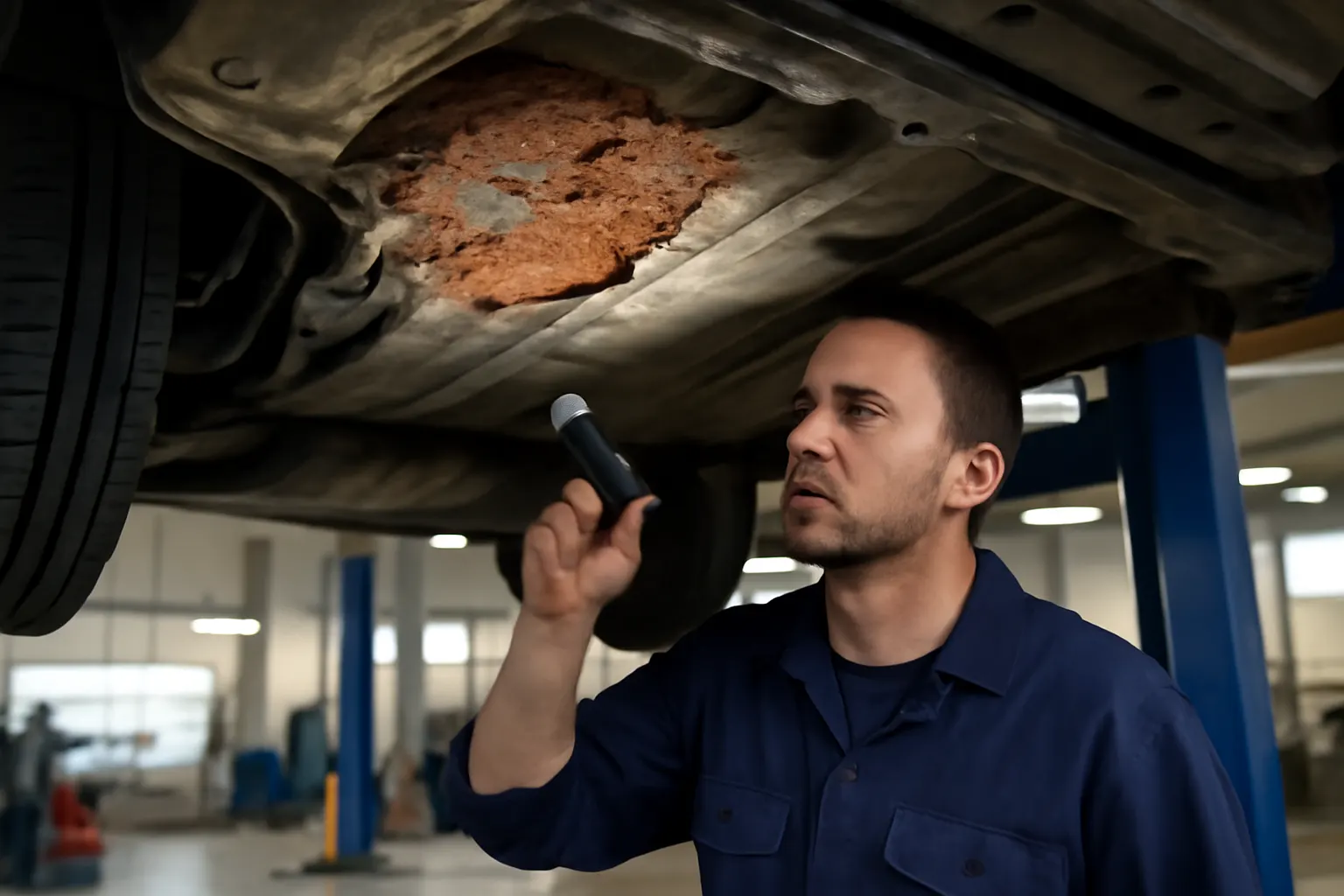
The most obvious sign is visible rust when you pull up the carpet or inspect the undercarriage. Surface rust may appear as orange or brown discoloration; advanced corrosion will show as flaking, bubbling, or even holes.
Inspection Checklist
- Remove floor mats and carpet in suspect areas.
- Inspect seams, seat mounts, and drain holes for orange or brown spots.
- Use a flashlight to check under the vehicle for rust streaks or bubbling paint.
- Probe suspect areas gently with a screwdriver—softness or penetration indicates severe corrosion.
Why It Matters
Rust is more than a cosmetic issue. Surface rust can quickly progress to perforation, especially in areas where water or road salt accumulate. Once the floor pan is perforated, structural integrity is compromised, and water intrusion can accelerate further damage.
Sign 2: Unusual Moisture or Wet Carpets
What to Look For
Moisture inside the cabin—especially under the carpet or mats—is a classic warning sign. Water can enter through holes in the floor pan, failed seam sealer, or compromised grommets.
Common Causes
- Floor pan perforation from rust
- Faulty door or window seals
- Plugged drain holes or A/C drains
- Leaking heater core or windshield
Diagnostic Steps
- Check for dampness after rain or washing.
- Lift the carpet and press on the sound deadener—moisture here often points to a floor pan issue.
- Examine the underside of the vehicle for visible holes or rusty seams.
Why It Matters
Persistent moisture accelerates corrosion, promotes mold and mildew, and can damage wiring harnesses running beneath the carpet. If left unchecked, even a small leak can destroy a floor pan in a single winter.
Sign 3: Soft, Spongy, or Flexing Floorboards
What to Look For
When stepping into the vehicle, does the floor feel soft, spongy, or flex underfoot? This is a critical sign of advanced rust or metal fatigue.
Symptoms
- Floor “gives” or flexes when pressed
- Creaking or popping noises when entering/exiting
- Seat mounting points feel loose or unstable
Technical Explanation
Modern floor pans are engineered to provide rigid support. If the metal is weakened by rust, it loses its ability to support weight, leading to flexing or even collapse. This compromises seatbelt and seat anchoring, posing a direct safety risk (NHTSA Vehicle Safety and Equipment).
Sign 4: Unexplained Cabin Noise or Fumes
What to Look For
Floor pan holes or gaps allow engine, exhaust, and road noise to enter the cabin. In some cases, you may even smell exhaust fumes or gasoline—an immediate safety concern.
Diagnostic Checklist
- Increased road noise, especially at highway speeds
- Smell of exhaust, fuel, or burning rubber inside the cabin
- Whistling or wind noise from the floor area
Why It Matters
These symptoms point to a breach between the cabin and undercarriage. Exhaust fumes are toxic and can cause serious health issues. Immediate inspection is warranted if you notice these signs.
Sign 5: Structural or Alignment Issues
What to Look For
A severely compromised floor pan can lead to noticeable structural issues:
- Doors that don’t close properly
- Uneven or sagging seats
- Body flex or creaks over bumps
- Failed safety inspections
Technical Background
The floor pan is a load-bearing part of the unibody structure. If it weakens, the entire body can deform, leading to misalignment and poor handling. In extreme cases, the vehicle may fail safety inspections or become unsafe to drive.
The Technical Deep Dive: Why Floor Pans Fail
Root Causes
- Environmental Exposure: Salt, water, and debris attack both sides of the pan.
- Material Fatigue: High-stress areas near seat mounts, pedals, or jack points are most vulnerable.
- Design Weakness: Some models have poor drainage or thin metal in critical areas.
- Previous Repairs: Poorly executed repairs can trap moisture or leave gaps.
Modern Materials and Technologies
Automakers now use high-strength steels and zinc coatings to resist corrosion (DOE Materials Technologies), but no system is foolproof. Even on new vehicles, damage from road debris or improper jacking can compromise coatings and start the rust process.
Diagnosing Floor Pan Issues: Step-by-Step Guide
Comprehensive Inspection Checklist
- Visual Inspection: Check both inside (under carpet) and outside (undercarriage) for rust, holes, or bubbling.
- Probe Test: Gently press suspect areas with a screwdriver; soft or perforated spots indicate serious issues.
- Moisture Test: After rain or washing, check for dampness under mats and carpets.
- Noise and Flex Test: Step firmly on the floor. Listen for creaks and feel for flexing.
- Alignment Check: Inspect seat mounts, door alignment, and seatbelt anchoring points for movement or misalignment.
Table: Floor Pan Inspection Points
| Inspection Area | What to Look For | Tools Needed |
|---|---|---|
| Under Carpet | Rust, moisture, soft spots | Flashlight, probe |
| Undercarriage | Rust streaks, holes, bubbling | Jack, stands |
| Seat Mounts | Movement, rust, loose bolts | Wrench, probe |
| Drain Holes | Blockage, rust around holes | Small screwdriver |
| Pedal Box Area | Flex, rust, moisture | Probe, flashlight |
When to Seek Professional Help
If you find advanced rust, holes, or suspect structural compromise, consult a professional immediately. DIY repairs are possible for minor rust, but major damage requires welding and safety-critical restoration.
Solution Path: What to Do If You Spot Warning Signs
Immediate Steps
- Dry Out Moisture: Remove carpets and dry all affected areas to halt rust progression.
- Treat Surface Rust: Use a wire brush and rust converter on small spots.
- Seal Small Holes: For tiny pinholes, temporary patching with epoxy or fiberglass is possible—but this is not a long-term fix.
When to Replace
If you find:
- Holes larger than a dime
- Rust near seat mounts or structural seams
- Flexing or collapsing metal
You need a full or partial floor pan replacement. Welding is required to restore structural integrity and meet safety standards (SAE Standards).
Choosing the Right Parts
- OEM vs Aftermarket: Weigh the pros and cons—fitment, quality, and price—of original versus aftermarket pans. See our full guide: Choosing Between OEM and Aftermarket Floor Pans.
- Fitment: Always match the replacement pan to your vehicle’s year, make, and model.
- Restoration Considerations: Classic cars may require custom or reproduction pans; see Restoring Classic Car Floor Pans: Tips and Pitfalls.
Preventive Maintenance: Keeping Your Floor Pan Solid
Best Practices
- Regular Washing: Clean the undercarriage, especially after winter or off-road driving.
- Check Drainage: Ensure all drain holes are clear, especially in wet climates.
- Inspect Seals: Replace worn door, window, and windshield seals to prevent leaks.
- Annual Inspection: Pull up carpets and check for rust or moisture at least once a year.
Rustproofing and Coatings
- Apply undercoating or rust inhibitor to exposed metal.
- Touch up any nicks or scratches in the underbody paint immediately.
Installation and Repair: What to Expect
DIY vs Professional Repair
- DIY: Minor surface rust can be treated at home with basic tools and rust converter.
- Professional: Welding in new floor pans requires experience, safety equipment, and adherence to manufacturer guidelines.
Typical Repair Process
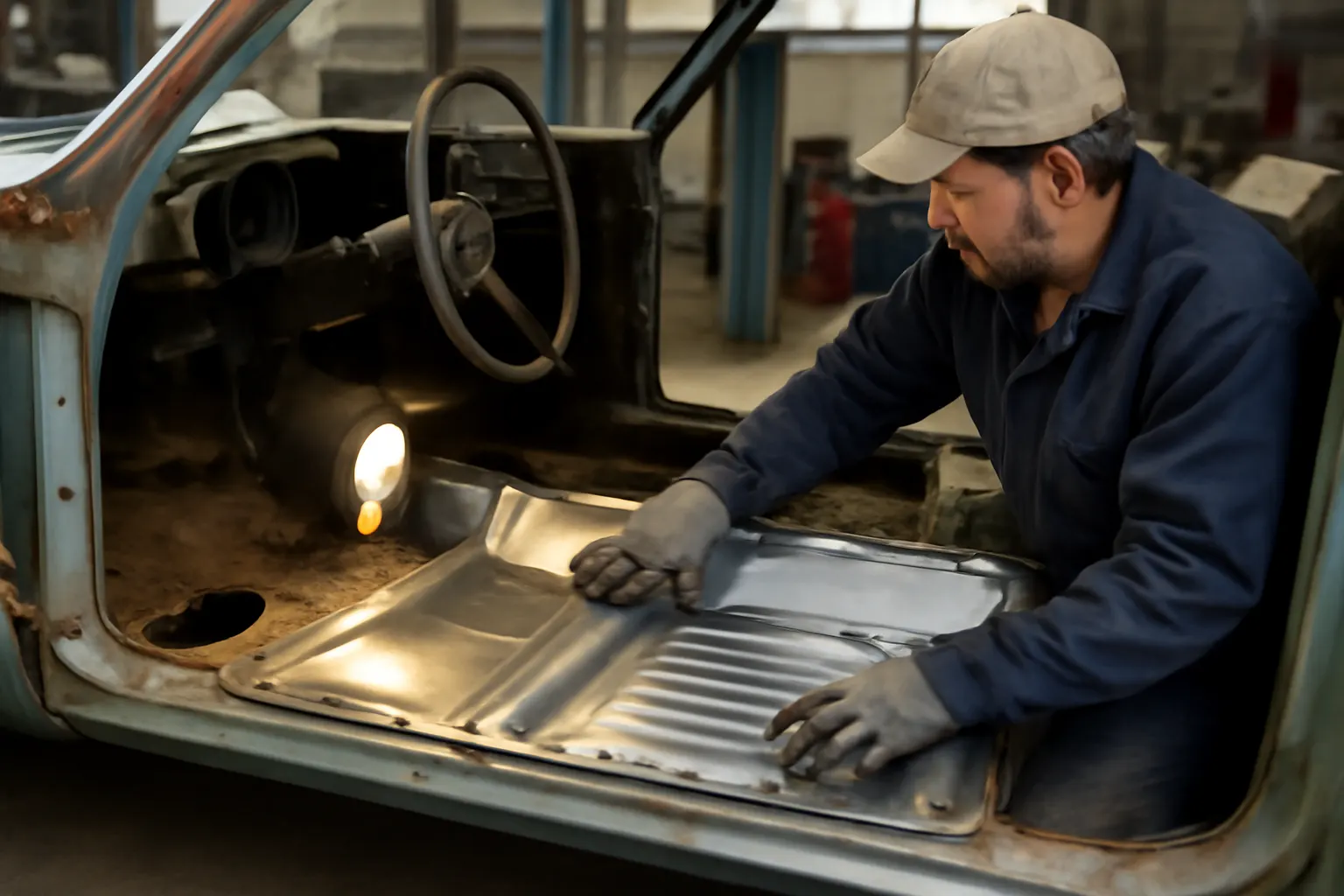
- Assessment: Remove interior trim, seats, and carpet.
- Cut Out Rust: Remove all compromised metal.
- Fit New Pan: Test-fit the replacement, trim as needed.
- Weld and Seal: Seam-weld new pan in place; seal all joints.
- Paint and Protect: Prime, paint, and apply undercoating.
- Reinstall Interior: Replace insulation, carpet, and trim.
For a detailed walkthrough, see our step-by-step guide: How to Replace a Rusted Floor Pan.
Sourcing the Right Floor Pan: AutoPartEx Advantage
At AutoPartEx, we connect you with the industry’s top floor pan suppliers for OEM and high-quality aftermarket replacements. Our fitment tools and expert support take the guesswork out of sourcing, so you get the right part the first time. Whether you’re restoring a classic or repairing your daily driver, our Floor Pan Replacement & Restoration: The Foundation of Vehicle Integrity category has everything you need to diagnose, source, and install with confidence.
When to Upgrade: Beyond Basic Repair
If you’re already replacing a floor pan, consider these upgrades:
- Sound Deadening: Install new insulation for a quieter ride.
- Improved Drainage: Upgrade or add drain plugs in high-risk areas.
- Aftermarket Coatings: Use modern rustproofing for long-term protection.
Frequently Asked Questions
How often should I inspect my floor pan?
Inspect at least annually, and after any incident involving water intrusion or underbody damage.
Can I drive with minor floor pan rust?
Minor surface rust is not an immediate safety risk, but should be treated quickly to prevent progression.
What if my vehicle fails inspection due to floor pan rust?
You must repair or replace the compromised area to meet safety standards before the vehicle can be legally driven.
Expert Action: Don’t Ignore the Warning Signs
Floor pan issues escalate quickly—from minor inconvenience to major safety risk. If you spot any of the five warning signs, act immediately:
- Inspect thoroughly using our checklist.
- Address minor issues with rust converter and sealant.
- Replace pans with advanced rust or holes.
- Use AutoPartEx for trusted sourcing and expert guidance.
Your vehicle’s safety, comfort, and value depend on a solid floor pan. Don’t wait for a small problem to become a catastrophe—inspect, maintain, and restore with confidence.