The Impact of Lighting Compliance on Vehicle Safety
Rear marker and side lights are not just aesthetic features—they are critical safety components that play a direct role in preventing accidents and ensuring your vehicle meets legal standards. Proper maintenance and compliance with lighting regulations significantly reduce the risk of rear-end collisions, side impacts, and legal penalties. In this comprehensive guide, we’ll explore how lighting compliance affects safety, the technical requirements for rear marker and side lights, common pitfalls in maintenance, and practical steps for ensuring your vehicle remains both safe and road-legal.
For a broader technical overview, see our Rear Marker and Side Light Technical Guide: Safety, Compliance, and Precision Fitment.
Why Lighting Compliance Is Immediately Critical
The moment your rear marker or side lights fail, your vehicle’s visibility to other drivers drops—especially at night or in poor weather. According to the National Highway Traffic Safety Administration (NHTSA), lighting equipment is a primary safety concern, and non-compliance can result in increased accident rates as well as legal consequences for drivers and fleet operators1. Ensuring these lights function correctly is not only a matter of passing inspections but a frontline defense against collisions.
The Role of Rear Marker and Side Lights in Accident Prevention
Rear marker and side lights serve as visual cues for your vehicle’s size, shape, and position. They help other drivers gauge distance and movement, especially when changing lanes, reversing, or driving in low-visibility conditions. Non-functional or non-compliant lighting can lead to misjudgments by other road users, increasing the likelihood of accidents.
The Hidden Problem: Underestimated Risks of Non-Compliance
While many drivers focus on engine performance or braking systems, lighting compliance often goes overlooked until a failure occurs. However, the risks associated with faulty marker and side lights extend beyond simple inconvenience:
- Increased Accident Risk: Vehicles with malfunctioning or non-standard lighting are significantly more likely to be involved in nighttime or adverse-weather accidents.
- Legal and Financial Repercussions: Non-compliance can result in fines, failed inspections, and even insurance claim denials following an incident.
- Fleet Liability: For commercial operators, a single non-compliant vehicle can jeopardize an entire operation’s standing with regulatory authorities.
Many vehicle owners are unaware that lighting standards are updated periodically, and aftermarket modifications or DIY repairs can inadvertently result in non-compliance.
The Technical Landscape: Lighting Standards and Regulations
Understanding Federal and Industry Requirements
Rear marker and side lights must meet specific standards set by both federal authorities (such as the NHTSA) and industry groups (like SAE International). These standards dictate:
- Color: Rear marker lights must emit red light; side marker lights are typically amber (front) or red (rear).
- Intensity and Visibility: Lights must be visible from prescribed distances (often 500 feet at night).
- Placement: Exact mounting height and lateral positioning are regulated to ensure consistent visibility.
- Durability and Weather Resistance: Lights must function reliably in a range of environmental conditions.
For detailed equipment requirements, refer to the NHTSA’s Vehicle Safety and Equipment documentation.
Common Points of Non-Compliance
- Incorrect Bulb Type: Using the wrong wattage or color can result in insufficient brightness or a color mismatch.
- Improper Mounting: Aftermarket lights not installed at the correct height or angle may fail regulatory checks.
- Substandard Components: Cheap or uncertified parts may lack necessary weatherproofing or electrical integrity.
How Lighting Defects Lead to Accidents
Real-World Scenarios
Consider the following scenarios where lighting compliance directly impacts safety:
- Rear-End Collisions: A vehicle with dim or non-functioning rear marker lights is less visible at night, increasing the risk of being struck from behind.
- Side-Impact Incidents: Missing or obscured side marker lights make it harder for other drivers to judge the presence and movement of a vehicle during lane changes or at intersections.
- Fleet Safety: Commercial vehicles lacking proper lighting may not only cause accidents but also trigger costly compliance audits and recalls.
The Data Behind the Danger
The NHTSA has documented numerous recalls and safety campaigns related to lighting defects2. These defects are often linked to an increased incidence of accidents, especially in commercial and high-mileage vehicles.
Diagnosing Rear Marker and Side Light Issues
Early detection of lighting problems is key. Here’s a step-by-step diagnostic process for rear marker and side lights:
- Visual Inspection: Check all rear and side lights for cracks, moisture intrusion, or discoloration.
- Function Test: With the vehicle in park, turn on all exterior lights and walk around the vehicle. Verify that each marker and side light illuminates at the correct intensity and color.
- Wiring Check: Inspect for frayed wires, corroded connectors, or loose sockets—common causes of intermittent failures.
- Lens and Housing: Ensure lenses are clean and housings are properly sealed to prevent water ingress.
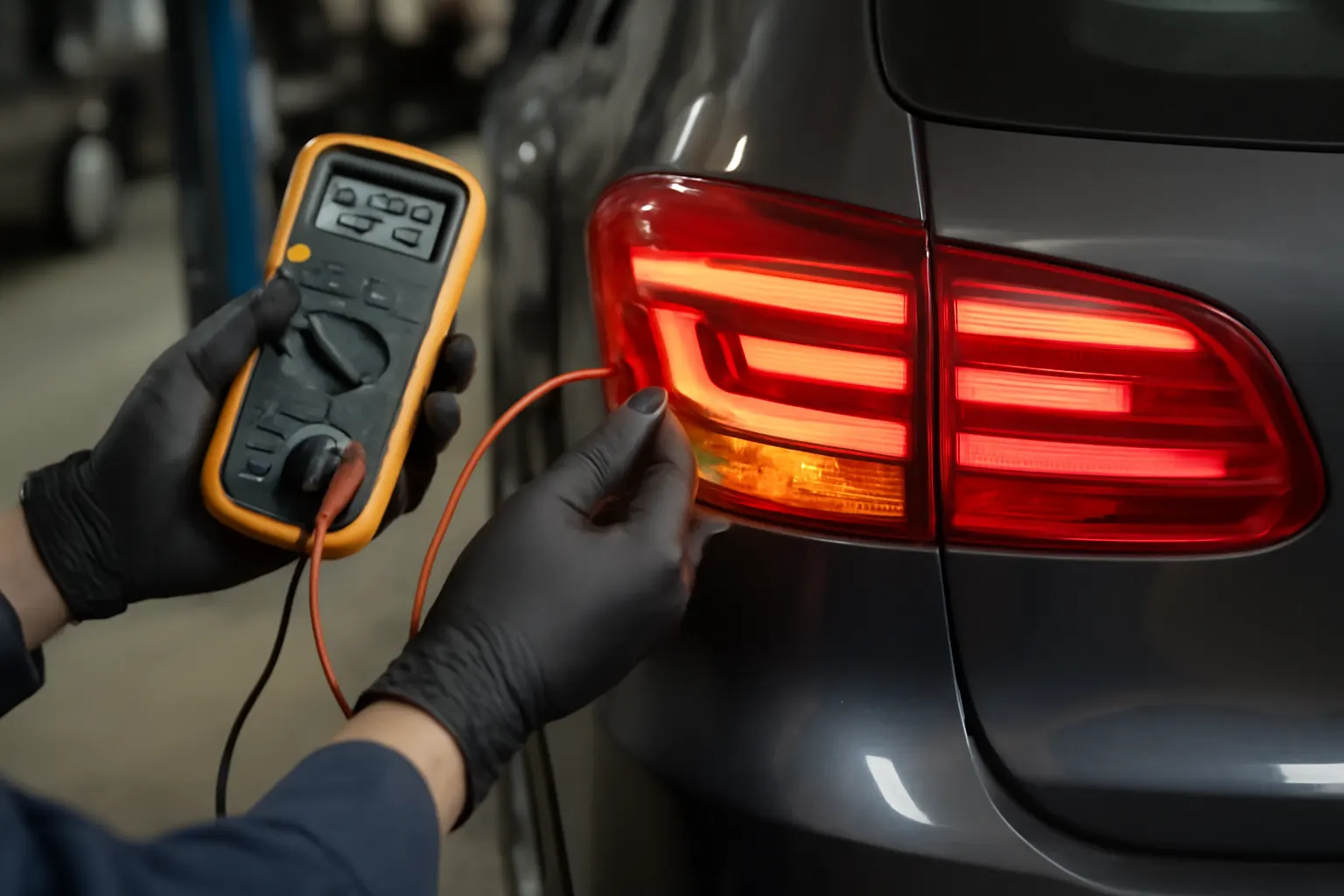
- Electrical System Scan: Use a multimeter to check voltage at the light socket. A reading significantly below 12V (for 12V systems) may indicate a wiring or ground issue.
If you encounter persistent issues, consult our guide on Common Electrical Issues with Rear Lighting Systems for in-depth troubleshooting.
The Maintenance Checklist: Keeping Your Lights Compliant
Routine maintenance is essential for ensuring ongoing compliance and safety. Use the following checklist to keep your rear marker and side lights in peak condition:
| Maintenance Task | Frequency | Notes |
|---|---|---|
| Inspect lens clarity and cleanliness | Monthly | Clean off dirt, road salt, and condensation. |
| Check bulb operation | Monthly | Replace any dim or non-functional bulbs immediately. |
| Confirm correct color and brightness | Every 6 months | Verify compliance with local regulations. |
| Examine wiring and connectors | Every 6 months | Look for corrosion, fraying, or loose connections. |
| Inspect housing seals | Annually | Ensure no water ingress or cracked gaskets. |
| Test light function after repairs | After any work | Always verify function and compliance post-maintenance. |
Neglecting these tasks can result in gradual degradation and unnoticed non-compliance.
Sourcing Compliant Parts: What to Look For
Certification and Quality Standards
When replacing or upgrading rear marker and side lights, always select components that:
- Meet SAE and DOT Standards: Look for markings on the lens or packaging indicating compliance.
- Are Vehicle-Specific: Universal lights may not fit or function as required for your make/model.
- Resist Environmental Hazards: High-quality seals and UV-resistant lenses prolong service life.
The Pitfalls of Aftermarket and DIY Solutions
While aftermarket lighting offers customization, beware of:
- Non-Certified Products: Many imported or generic lights lack necessary certifications.
- Fitment Issues: Poorly fitting lights may lead to water leaks or electrical shorts.
- Warranty Risks: Non-compliant parts can void manufacturer warranties or insurance coverage.
For those considering upgrades, our editorial on Upgrading to LED Marker and Side Lights: Pros and Cons provides a detailed analysis of performance, compliance, and installation challenges.
Installation Best Practices
Proper installation is as important as selecting the right part. Follow these guidelines for safe, compliant installation:
- Disconnect the Battery: Prevent electrical shorts or accidental activation.
- Follow Manufacturer Instructions: Use the mounting hardware and procedures specified.
- Seal All Connections: Apply dielectric grease to connectors and ensure gaskets are intact.
- Test Before Final Assembly: Confirm function and compliance before securing housings.
- Document the Work: Keep records of parts used and installation dates for inspection or warranty purposes.
Improper installation is a leading cause of lighting failure and non-compliance.
Common Causes of Lighting Failures
Understanding the root causes of lighting issues helps prevent recurrence:
- Moisture Intrusion: Leads to corrosion and short circuits.
- Vibration Damage: Especially in commercial vehicles, can loosen bulbs and connectors.
- Overloading Circuits: Adding aftermarket lights without proper relays can overload wiring.
- Aging Components: UV exposure and temperature swings degrade plastic lenses and seals.
Address these risks proactively to avoid costly repairs and compliance failures.
The Impact of Recalls and Regulatory Actions
Lighting-related recalls are frequent, with the NHTSA issuing alerts for defective or non-compliant lighting systems2. Owners are responsible for addressing recall notices promptly to maintain safety and avoid penalties. Recalls may require:
- Replacement of Defective Parts: Often at no cost to the owner.
- Dealer Inspections: To verify compliance and correct installation.
- Documentation: Proof of recall work may be needed for registration or resale.
Check for open recalls on your vehicle at the NHTSA’s recall lookup portal.
Legal and Insurance Implications
Non-compliant lighting can have significant legal and financial consequences:
- Fines and Citations: Law enforcement actively checks for lighting violations during roadside inspections.
- Inspection Failures: Vehicles with faulty or non-compliant lights may fail annual or bi-annual safety checks.
- Insurance Denials: In the event of an accident, some insurers may deny claims if lighting was a contributing factor and found to be non-compliant.
Fleet operators face additional scrutiny, as lighting compliance is a key focus during DOT inspections.
The Role of Lighting in Vehicle Efficiency and Longevity
While lighting is primarily a safety concern, it can also impact vehicle efficiency:
- Electrical Load: Non-compliant or faulty lights may draw excessive current, leading to alternator strain.
- Aerodynamic Considerations: Properly fitted lights maintain vehicle aerodynamics, which can affect fuel efficiency in commercial applications3.
- Component Longevity: Quality lighting systems reduce the frequency of repairs and replacements, lowering long-term operating costs.
For more on how vehicle systems interact to affect efficiency, see the Department of Energy’s Fuel Efficiency resources.
When and How to Upgrade Your Lighting
Upgrading to modern lighting technologies (such as LEDs) can offer:
- Longer Service Life: LEDs typically outlast incandescent bulbs.
- Lower Power Consumption: Reduces electrical load and may improve fuel efficiency marginally.
- Improved Visibility: Brighter, more consistent illumination enhances safety.
However, upgrades must be done with compliance in mind:
- Check Local Regulations: Some jurisdictions restrict certain aftermarket lighting.
- Ensure Proper Fitment: Use vehicle-specific kits to maintain compliance.
- Document Changes: Keep a record of all upgrades and certifications.
Consult our How to Diagnose and Replace Rear Marker Lights for step-by-step guidance on safe, compliant upgrades.
Fleet and Commercial Considerations
For fleet managers, lighting compliance is a top priority:
- DOT Audits: Lighting is a major inspection point during Department of Transportation audits.
- Maintenance Schedules: Implement routine checks and staff training to maintain compliance across all vehicles.
- Record-Keeping: Maintain detailed logs of inspections, repairs, and part replacements.
Failure to maintain compliant lighting can result in out-of-service orders and significant operational disruptions.
AutoPartEx: Your Partner in Safe, Compliant Lighting
At AutoPartEx, we understand that safety, compliance, and fitment precision are non-negotiable when it comes to rear marker and side lighting. Our curated selection of certified, vehicle-specific lighting components ensures you can maintain or upgrade your vehicle without risking non-compliance or safety failures. Whether you’re a DIY enthusiast, a fleet operator, or a professional mechanic, our technical resources and support help you make informed, confident decisions.
Explore our Rear Marker and Side Light Technical Guide: Safety, Compliance, and Precision Fitment for in-depth technical standards, installation tips, and product recommendations.
Expert Action: Steps to Ensure Lighting Compliance and Safety
- Schedule Regular Inspections: Incorporate monthly light checks into your vehicle maintenance routine.
- Source Certified Parts: Only purchase lighting components with SAE/DOT certification and vehicle-specific fitment.
- Document Repairs and Upgrades: Maintain a logbook for all lighting work, including part numbers and installation dates.
- Stay Informed: Monitor NHTSA recall notices and regulatory updates relevant to your vehicle.
- Consult Professionals: When in doubt, rely on certified technicians or trusted suppliers like AutoPartEx for advice and parts.
By prioritizing lighting compliance, you not only protect yourself and your passengers but also contribute to a safer road environment for everyone.
References
- Vehicle Safety and Equipment – National Highway Traffic Safety Administration
- Vehicle, Car Seat, Tire, and Equipment Recalls – National Highway Traffic Safety Administration
- Fuel Efficiency – United States Department of Energy
Footnotes
-
National Highway Traffic Safety Administration, Vehicle Safety and Equipment ↩
-
National Highway Traffic Safety Administration, Vehicle, Car Seat, Tire, and Equipment Recalls ↩ ↩2
-
United States Department of Energy, Fuel Efficiency ↩