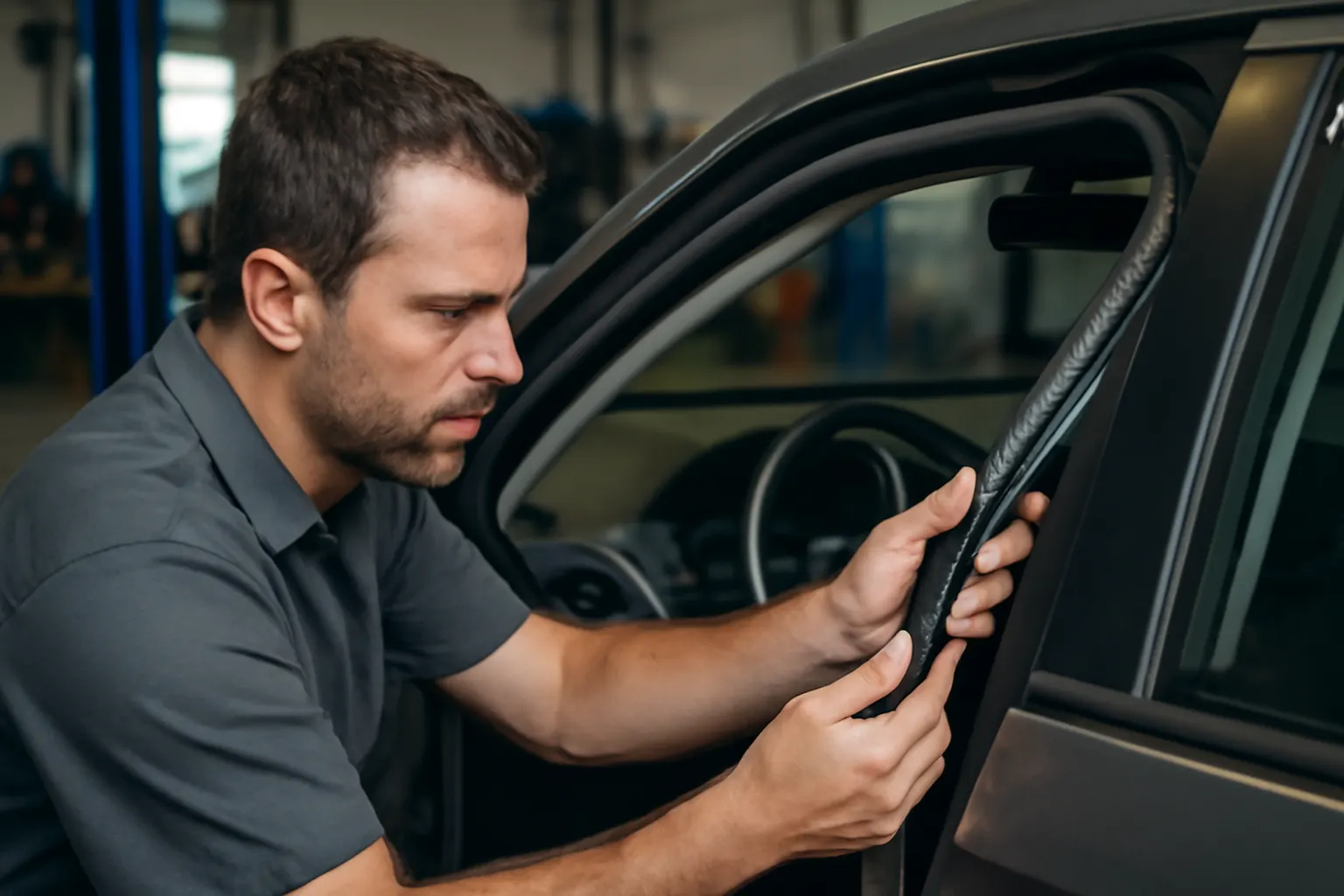
The Science of Automotive Seals
Modern vehicles are marvels of engineering, and one of their most underappreciated defenses against the elements is the humble automotive seal. From weather stripping around your doors to intricate gaskets beneath the hood, seals are the unsung heroes that keep water, air, dust, and noise outside—and comfort, efficiency, and safety inside. In this comprehensive guide, we’ll dive into the science of automotive seals, revealing how advanced materials and engineering principles combine to protect your vehicle year-round. Whether you’re troubleshooting a drafty door or seeking to understand the latest in weatherproofing technology, this article arms you with the practical knowledge you need.
If you’re just starting your journey into weather stripping and automotive sealing, don’t miss our Weather Stripping: Protect Your Vehicle from the Elements | AutoPartEx category page for a deep dive into products, fitment, and detailed guides.
The Immediate Answer: Why Automotive Seals Matter
Automotive seals—including weather stripping, door gaskets, trunk seals, and window channels—are critical for several reasons:
- Protection Against Water and Moisture: Seals prevent rain, snow, and humidity from entering the vehicle’s interior, protecting electronics, upholstery, and metal from corrosion.
- Noise Reduction: They block out wind and road noise, contributing to a quieter, more comfortable ride.
- Thermal Insulation: By sealing gaps, they help maintain cabin temperature, improving HVAC efficiency and overall fuel economy.
- Dust and Debris Barrier: Seals keep dust, pollen, and road debris out, maintaining air quality and cleanliness inside the cabin.
- Safety: Seals maintain the integrity of doors and windows, ensuring proper airbag deployment and structural safety in the event of a crash.
Neglecting seals can lead to water leaks, mold, increased cabin noise, and even compromised vehicle safety. The science behind automotive seals is not just about comfort—it's about preserving your vehicle’s value and reliability.
The Hidden Problem: Seal Degradation and Its Consequences
While automotive seals are engineered to last, they are constantly exposed to harsh conditions—UV rays, temperature extremes, road chemicals, and mechanical wear. Over time, these factors degrade the materials, causing seals to harden, crack, shrink, or lose their elasticity.
Common issues caused by failing seals include:
- Water ingress leading to mold, corrosion, and electrical problems
- Wind noise and rattles diminishing ride quality
- Reduced HVAC effectiveness, increasing energy consumption
- Higher risk of dust and allergen intrusion
- Difficulty closing doors or windows, affecting safety
Many vehicle owners overlook seal maintenance until these symptoms become severe. Addressing seal issues early is essential for long-term vehicle health.
The Science Behind Automotive Seals: Materials and Engineering
Material Innovations
The choice of material is fundamental to seal performance. Today’s automotive seals are crafted from advanced polymers and elastomers, each selected for specific properties:
- EPDM Rubber (Ethylene Propylene Diene Monomer): Widely used for its resistance to UV light, ozone, and temperature extremes.
- Silicone Rubber: Offers superior flexibility at low temperatures and excellent weather resistance.
- PVC (Polyvinyl Chloride): Used for decorative trim seals due to its formability and cost-effectiveness.
- Thermoplastic Elastomers (TPEs): Combine the processability of plastics with the flexibility of rubber, allowing for complex shapes and co-extrusions.
These materials are engineered to remain flexible, compressible, and resilient over years of use, even under punishing conditions. According to the U.S. Department of Energy’s Materials Technologies, material advancements have been key to reducing vehicle weight and improving performance across all systems—including sealing and weatherproofing.
Engineering and Design
Seals are not just simple strips; their profiles are carefully designed to fit specific applications. Engineers use the following design principles:
- Compression Set Resistance: Ensures the seal returns to its original shape after compression, maintaining a tight barrier.
- Durometer (Hardness): Tuned for each application—softer for doors, firmer for windshields or structural joints.
- Co-extrusion: Combines multiple materials into a single seal for areas needing both structural support and flexibility.
- Lip and Bulb Designs: Multi-lip and bulb profiles enhance sealing performance by providing multiple points of contact.
SAE International provides detailed engineering standards for automotive weather stripping and sealing systems, ensuring that seals meet rigorous performance, fitment, and durability specifications.
Types of Automotive Seals and Where They’re Used
Understanding the variety of automotive seals helps with diagnostics, replacement, and upgrades. Here’s a breakdown:
1. Door Weather Stripping
- Located around door perimeters
- Prevents water, wind, and noise intrusion
- Typically made from EPDM or TPEs
2. Trunk and Hatch Seals
- Line the trunk or hatch opening
- Protect cargo area from weather, dust, and fumes
3. Window Channel Seals
- Guide and cushion glass movement
- Block water and dust from entering the door cavity
4. Windshield and Rear Glass Seals
- Seal glass to body structure
- Critical for structural integrity and weatherproofing
5. Engine Compartment Seals
- Shield the engine bay from water and debris
- Improve under-hood aerodynamics and noise control
6. Roof and Sunroof Seals
- Prevent leaks and wind noise from the roof area
- Require precise fitment due to complex contours
Each seal is uniquely engineered for its environment and function. For a deep dive into door-specific components, see our door hardware section.
Diagnosing Seal Problems: Signs and Symptoms
Early detection of seal failure is crucial. Here’s what to look for:
- Visible Cracks or Gaps: Check for splits, gaps, or flattening in the seal profile.
- Water Stains or Dampness: Moisture on door sills, carpets, or trunk lining after rain.
- Wind Noise: Whistling or buffeting sounds at highway speed.
- Increased Cabin Dust: Fine dust on interior surfaces, especially after driving on unpaved roads.
- HVAC Inefficiency: Difficulty maintaining cabin temperature or foggy windows due to moisture ingress.
- Sticky or Hard-to-Close Doors: Resistance or misalignment when closing doors or windows.
If you notice any of these issues, consult our Common Weather Stripping Failure Signs for a detailed troubleshooting guide.
The Impact of Seals on Fuel Efficiency and Comfort
You may be surprised to learn that seals directly affect your vehicle’s fuel economy and comfort:
- Aerodynamic Efficiency: Properly sealed doors, hoods, and trunks reduce drag by smoothing airflow around the vehicle.
- HVAC Load Reduction: Effective seals prevent conditioned air from escaping, reducing the workload on your heating and cooling systems.
- Noise, Vibration, and Harshness (NVH): Advanced seals isolate the cabin from road and wind noise, improving ride quality.
The U.S. Department of Energy highlights that even small improvements in vehicle sealing can contribute to overall fuel efficiency by reducing the energy required for climate control and minimizing aerodynamic losses.
The Manufacturing Process: Precision and Quality Control
Modern automotive seals are manufactured using extrusion, molding, and co-extrusion processes. Key quality control steps include:
- Material Testing: Ensuring proper durometer, UV resistance, and flexibility.
- Dimensional Accuracy: Seals must fit precisely to function correctly.
- Adhesion and Bonding: Some seals require integrated adhesive strips or clips for installation.
- Environmental Testing: Exposure to heat, cold, salt spray, and ozone to simulate years of real-world use.
Manufacturers adhere to SAE standards to guarantee that seals meet industry benchmarks for performance and longevity.
Maintenance and Longevity: How to Extend the Life of Your Seals
Proactive care can dramatically extend the life of your automotive seals. Here are best practices:
- Regular Cleaning: Wipe seals with a damp cloth to remove dirt, salt, and debris.
- Lubrication: Use silicone-based lubricants (never petroleum-based) to maintain flexibility and prevent sticking.
- Inspection: Check seals every oil change for signs of wear, hardening, or detachment.
- Prompt Replacement: Replace damaged seals immediately to prevent water damage and further deterioration.
Routine maintenance not only preserves the effectiveness of your seals but also protects your vehicle’s interior and electronics from costly damage.
DIY Seal Replacement: Tools, Tips, and Techniques
Replacing weather stripping is a straightforward DIY task for many vehicle owners. Here’s a basic checklist:
Seal Replacement Checklist
- Identify the Seal Type and Location: Reference your owner’s manual or the Weather Stripping section for part numbers and diagrams.
- Remove the Old Seal: Gently pull or pry away the old seal. Use a plastic trim tool to avoid scratching paint.
- Clean the Surface: Remove adhesive residue with rubbing alcohol or a recommended cleaner.
- Test Fit the New Seal: Align the new seal to ensure proper length and profile.
- Apply Adhesive (if required): Some seals use peel-and-stick backing; others require weatherstrip adhesive.
- Install the New Seal: Press firmly into place, ensuring full contact along the entire length.
- Check for Gaps: Inspect for uniform fitment and adjust as needed.
- Test Doors/Windows: Open and close doors or windows to verify smooth operation and proper sealing.
For a step-by-step walkthrough, consult our How to Replace Door Weather Stripping guide.
Choosing the Right Replacement Seals: What to Look For
Not all seals are created equal. When sourcing replacement weather stripping, consider the following:
- OEM vs. Aftermarket: OEM (Original Equipment Manufacturer) seals guarantee exact fitment but may be pricier. High-quality aftermarket options can offer equivalent performance at a lower cost.
- Material Quality: Look for EPDM or silicone for critical sealing areas.
- Profile and Fitment: Match the original seal’s shape and length. Even minor discrepancies can compromise performance.
- Adhesive Type: Some seals require separate adhesive; others feature integrated peel-and-stick backing.
- Certifications and Standards: Ensure the product meets industry standards such as those from SAE International.
If in doubt, seek advice from trusted suppliers or reference your vehicle’s service manual.
Advanced Sealing Technologies: What’s Next?
The automotive industry is continuously pushing the boundaries of sealing technology:
- Active Seals: Electrically activated seals that adjust tension or profile in response to vehicle speed or door closing force.
- Integrated Sensors: Some modern seals include embedded sensors for anti-pinch functions in power windows or to detect leaks.
- Lightweight Materials: Ongoing research into even lighter, stronger elastomers to contribute to weight savings and improved fuel efficiency.
- Sustainable Materials: Biobased polymers and recyclable materials are being developed to reduce environmental impact.
According to the U.S. Department of Energy’s Materials Technologies, these advances not only improve performance but also help manufacturers meet increasingly stringent efficiency and environmental regulations.
Weatherproofing for All Seasons: Beyond the Basics
Seals play a vital role in preparing your vehicle for seasonal changes:
- Winter: Prevent drafts, freezing, and water intrusion from snow and ice.
- Spring: Block pollen and rainwater during wet months.
- Summer: Keep cool air in and hot air out, reducing air conditioning load.
- Autumn: Stop falling leaves and debris from clogging drainage channels.
For a comprehensive approach to seasonal vehicle care, see our Weatherproofing Your Vehicle for All Seasons guide.
When to Seek Expert Help
While many seal replacements are DIY-friendly, there are situations where professional expertise is essential:
- Complex Installations: Windshield, sunroof, or convertible top seals often require specialized tools and skills.
- Persistent Leaks: If new seals do not resolve water ingress, there may be underlying body alignment or corrosion issues.
- Warranty and Safety: Vehicles under warranty or with advanced safety features may require certified technician service to maintain compliance.
Professional installers have access to factory tools, adhesives, and diagnostic equipment to ensure a perfect seal and long-term reliability.
The AutoPartEx Advantage: Your Partner in Automotive Sealing
At AutoPartEx, we understand that weather stripping and automotive seals are not just accessories—they are essential to your vehicle’s performance, comfort, and safety. Our extensive catalog covers everything from OEM-grade door seals to advanced elastomer profiles for classic and modern vehicles. We provide:
- Detailed fitment guides
- Trusted brand recommendations
- DIY tutorials and maintenance tips
- Expert customer support
Whether you’re a DIY enthusiast or a professional technician, AutoPartEx is your resource for reliable, high-quality automotive sealing solutions. Explore our Weather Stripping: Protect Your Vehicle from the Elements category for the latest products and in-depth guides, or connect with our technical team for personalized assistance.