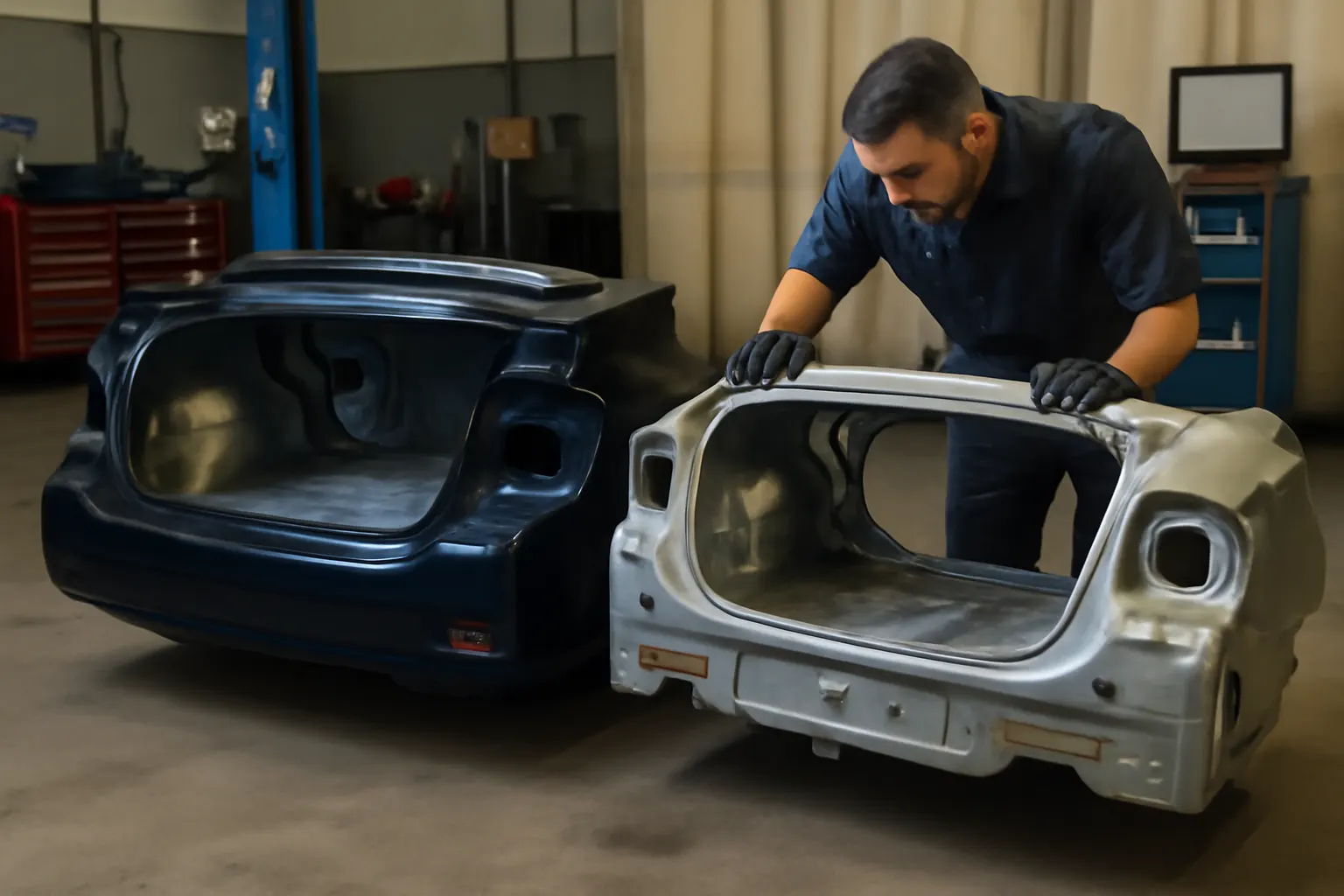
Rear Clip Safety: Performance and Protection
The rear clip is far more than a structural afterthought—it's a cornerstone of vehicle safety, occupant protection, and overall performance. Whether you're restoring a classic, repairing collision damage, or weighing the merits of OEM versus aftermarket designs, understanding the role of the rear clip can mean the difference between optimal crash protection and hidden vulnerabilities. In this comprehensive guide, AutoPartEx details the critical functions of the rear clip, explores the hidden risks of improper selection or installation, and provides actionable checklists and resources for ensuring your vehicle’s rear structure delivers both performance and protection at the highest level. For more foundational information, see our Rear Clip Guide.
The Immediate Answer: Why Rear Clip Safety Matters
The rear clip is the rear structural assembly of a vehicle, typically encompassing the frame rails, rear crossmember, trunk floor, and associated mounting points for suspension, bumper, and safety systems. It is engineered to absorb and dissipate impact energy in rear-end collisions, preserve the passenger compartment’s integrity, and maintain the alignment of critical components like the suspension and fuel system. A well-designed and correctly installed rear clip provides:
- Enhanced occupant protection during rear collisions
- Structural rigidity for predictable handling and performance
- Proper mounting for safety systems, such as rear crumple zones and bumper reinforcements
- Compliance with federal safety standards (e.g., FMVSS, NHTSA requirements)
Ignoring the quality, fitment, or integrity of the rear clip can compromise all these safety factors, putting both vehicle occupants and other road users at risk.
The Hidden Problem: Rear Clip Vulnerabilities and Overlooked Risks
Many vehicle owners, and even some repair professionals, underestimate the complexity and safety-critical nature of the rear clip. Common hidden issues include:
- Use of substandard or incompatible replacement rear clips
- Poor welding or fastener techniques during installation
- Failure to restore factory crumple zone geometry
- Overlooking corrosion and material fatigue in recycled or salvaged clips
- Neglecting the impact of rear clip modifications on crashworthiness
These vulnerabilities can lead to catastrophic failures in a collision, misalignment of suspension or drivetrain components, and even lead to failed vehicle inspections or recalls. According to the National Highway Traffic Safety Administration (NHTSA), rear structure integrity is a key factor in occupant survival rates during rear impacts, especially as modern vehicles rely on engineered deformation paths to absorb crash energy 1.
Understanding the Rear Clip’s Role in Vehicle Safety
Structural Energy Absorption
The rear clip is designed to deform in a controlled manner during a rear-end collision. This energy management is vital for:
- Reducing the amount of force transferred to occupants
- Preventing intrusion into the passenger compartment
- Protecting sensitive components such as the fuel tank and rear suspension
Modern vehicle rear clips are engineered using advanced materials and computer-aided design to ensure precise energy absorption and dissipation patterns 2.
Mounting Points for Safety Equipment
Integral to the rear clip are mounting locations for rear bumpers, crash sensors, seatbelt anchors, and sometimes rear airbags. If these points are misaligned or weakened, the effectiveness of these systems is greatly diminished.
Maintaining Suspension and Drivetrain Alignment
Many vehicles’ rear suspension subframes, axles, and even rear differentials are mounted directly to the rear clip structure. Any deviation from factory specifications can result in:
- Poor handling and unpredictable vehicle dynamics
- Accelerated tire and suspension wear
- Increased risk of loss of control during emergency maneuvers
Materials Matter: The Science Behind Rear Clip Construction
Advanced High-Strength Steels and Composites
According to the United States Department of Energy, modern rear clips increasingly utilize advanced high-strength steels (AHSS), aluminum alloys, and even composite materials to optimize both safety and weight 2. Key material properties include:
- High yield strength for impact resistance
- Ductility for controlled deformation
- Corrosion resistance for long-term durability
Weight Versus Strength Trade-Offs
A lighter rear clip can improve fuel efficiency and handling, but only if it meets strict safety standards. Material selection is a careful balance between strength, weight, and manufacturability, all of which are dictated by SAE and OEM engineering standards 3.
Common Rear Clip Problems: Diagnostics and Warning Signs
Not all rear clip issues are obvious. Here’s how to spot potential safety problems before they become hazards:
Visual Inspection Checklist
- Rust or Corrosion: Inspect frame rails, weld seams, and mounting points for significant surface rust or pitting.
- Cracks or Deformation: Look for visible bends, cracks, or buckling in the metal structure.
- Misaligned Panels or Gaps: Uneven trunk gaps or bumper misalignment may indicate rear clip damage or improper installation.
- Unusual Tire Wear: Irregular rear tire wear patterns can signal rear suspension misalignment caused by a compromised rear clip.
- Suspension Noise: Clunks, rattles, or squeaks from the rear suspension may point to structural issues.
Diagnostic Checklist
| Symptom | Possible Rear Clip Issue | Action Needed |
|---|---|---|
| Trunk or hatch won’t close | Rear clip deformation or misalignment | Inspect and measure geometry |
| Rear bumper sits unevenly | Mounting point damage or weld failure | Check attachment points |
| Rear-end “floating” feeling | Structural weakness or suspension misfit | Professional inspection |
| Rear collision history | Hidden frame or weld damage | Comprehensive body check |
If you spot any of these issues, seek a professional evaluation before continuing to drive or modify the vehicle.
Rear Clip Replacement: Installation and Safety Essentials
Replacing a rear clip is a complex process that demands precision and adherence to manufacturer and safety standards. For a step-by-step guide, see Rear Clip Replacement: Installation and Safety Guide.
Key Installation Considerations
- OEM vs. Aftermarket: Always verify that the replacement rear clip matches the original’s material, geometry, and mounting points. Not all aftermarket or salvaged clips meet OEM safety standards.
- Welding and Fastening: Use proper welding techniques (MIG, spot, or resistance welding as specified by the manufacturer) and torque specs for all fasteners.
- Restoring Crumple Zones: Ensure that the deformation paths and reinforcements are restored exactly to factory design.
- Corrosion Protection: Apply rust inhibitors and seam sealers to all welds and joints.
Post-Installation Checks
- Four-Wheel Alignment: Essential to verify that the rear suspension and wheels are properly aligned to factory specs.
- Sensor Calibration: If the vehicle is equipped with crash sensors, rear cameras, or parking assist, recalibration may be required.
- Inspection and Certification: Some jurisdictions require structural repairs to be inspected and certified before the vehicle can be returned to the road.
Rear Clip Recalls and Compliance: What Owners Must Know
Rear clip defects or improper repairs can trigger recalls, as noted by the NHTSA 1. Common recall triggers include:
- Faulty welds or fasteners leading to rear structure failures
- Improperly designed or manufactured aftermarket rear clips
- Corrosion-related integrity loss in critical structural areas
How to Check for Rear Clip-Related Recalls
- Locate your VIN (Vehicle Identification Number).
- Visit the NHTSA recalls database.
- Enter your VIN and check for structural or rear clip-related recalls.
- Contact your dealer or certified collision repair center for recall repairs.
Ignoring recalls can invalidate insurance claims and compromise occupant safety.
Rear Clip Maintenance: Ensuring Long-Term Safety
Just like any structural component, the rear clip requires periodic inspection and maintenance. For proactive strategies, see Preventing Rear Clip Damage: Maintenance and Protection.
Maintenance Checklist
- Annual Structural Inspection: Especially after any rear impact, even minor.
- Rust Prevention: Apply undercoating and treat any exposed metal promptly.
- Fastener Torque Check: Inspect and re-torque rear bumper, suspension, and subframe bolts as per manufacturer schedule.
- Drainage Maintenance: Ensure trunk and rear panel drain holes are clear to prevent water accumulation and corrosion.
When to Seek Professional Help
- After any significant rear collision, regardless of visible damage
- If you notice persistent alignment, handling, or trunk fitment issues
- When purchasing a used vehicle with any history of rear-end repair
Rear Clip Sourcing: OEM vs. Aftermarket vs. Salvage
Selecting the right rear clip is a safety-critical decision. For a deeper comparison, read OEM vs Aftermarket Rear Clip: Quality and Performance Comparison.
OEM (Original Equipment Manufacturer) Rear Clips
- Pros: Guaranteed fit, material quality, and crashworthiness; compliance with all safety standards.
- Cons: Higher cost and sometimes longer lead times.
Aftermarket Rear Clips
- Pros: Often less expensive and more readily available.
- Cons: Quality varies widely; not all meet OEM safety or material standards.
Salvaged or Used Rear Clips
- Pros: Cost-effective and environmentally friendly.
- Cons: Unknown history (hidden corrosion, fatigue, or previous damage); may not match current model year upgrades.
Sourcing Checklist
| Factor | OEM | Aftermarket | Salvage/Used |
|---|---|---|---|
| Material Quality | High (certified) | Varies | Unknown/variable |
| Crashworthiness | Verified | Not always tested | Not guaranteed |
| Fitment | Exact | May require mods | Depends on donor |
| Warranty | Yes | Sometimes | Usually none |
| Price | High | Medium | Low |
Always demand documentation of material specs, crash testing (if available), and warranty coverage when sourcing a replacement rear clip.
Fitment and Compatibility: Avoiding Safety Compromises
Rear clip fitment is not just about physical dimensions—it’s about restoring the vehicle’s engineered crash performance. Issues to avoid:
- Year/Model Mismatches: Even small changes in model years can affect crumple zone geometry and mounting points.
- Trim Level Differences: Some trims have added reinforcements or mounting brackets for advanced safety systems.
- Unverified Modifications: Avoid rear clips that have been previously modified or repaired unless certified by a qualified structural engineer.
Fitment Verification Steps
- Cross-check part numbers with OEM documentation.
- Compare physical measurements: frame rail width, crossmember placement, suspension mount locations.
- Review crash test data (if available) for your specific model and year.
- Consult with a certified collision repair specialist before purchase or installation.
The Role of Standards and Regulations in Rear Clip Safety
Rear clip design, material selection, and installation procedures are governed by a range of standards and regulations:
- Federal Motor Vehicle Safety Standards (FMVSS): Set minimum crash performance and structural integrity requirements.
- SAE International Standards: Provide detailed engineering, testing, and repair guidelines for automotive structures 3.
- NHTSA Equipment Regulations: Mandate compliance for all replacement structural components 1.
Why Compliance Matters
Non-compliance can result in:
- Failed vehicle inspections
- Insurance claim denials
- Increased liability in the event of an accident
Always confirm that any rear clip or structural repair procedure meets or exceeds these regulatory benchmarks.
Rear Clip Safety in Modern Vehicle Design
As vehicles evolve to incorporate more advanced driver assistance systems (ADAS) and lightweight materials, the rear clip’s role in safety becomes even more critical. Modern rear clips may integrate:
- Crash Sensors and Wiring Harnesses: Essential for triggering airbags and emergency systems.
- Advanced Materials: Such as boron steel or aluminum for specific deformation characteristics.
- Hybrid or Electric Vehicle Adaptations: Additional reinforcements for battery protection and high-voltage cable routing.
Any modification or replacement must accommodate these features to maintain safety system functionality.
Professional Diagnosis and Repair: When to Involve an Expert
Some rear clip issues can only be diagnosed with advanced tools:
- Frame Alignment Racks: Measure and restore chassis geometry to millimeter precision.
- Ultrasonic or X-Ray Inspection: Detect hidden cracks or weld failures not visible to the naked eye.
- OEM Repair Procedures: Ensure all steps and materials meet manufacturer specifications.
Selecting a Qualified Repair Facility
- Look for I-CAR Gold Class or OEM-certified collision centers.
- Ask about technician training, equipment, and repair documentation.
- Request before-and-after measurement reports for any structural work.
AutoPartEx: Your Partner in Rear Clip Safety
At AutoPartEx, we understand that rear clip integrity is non-negotiable when it comes to vehicle safety and performance. Our commitment is to provide you with:
- Verified, up-to-date technical guidance on all aspects of rear clip selection, installation, and maintenance
- Direct access to OEM and high-quality aftermarket rear clips, with detailed fitment and compliance information
- Comprehensive educational resources, from our Rear Clip Guide to practical maintenance checklists and installation walkthroughs
Whether you’re a DIY enthusiast, collision repair professional, or simply want to ensure your family’s safety on the road, trust AutoPartEx to be your authoritative source for structural automotive expertise.
Conclusion: Prioritize Rear Clip Safety for Performance and Protection
The rear clip is a silent guardian of your vehicle’s safety, handling, and longevity. Its proper selection, installation, and maintenance are essential—not just for compliance, but for real-world occupant protection and peace of mind. By following the diagnostic, sourcing, and maintenance guidance above, and always insisting on verified materials and professional standards, you safeguard your vehicle’s performance and everyone who rides in it.
For more in-depth resources, visit our Rear Clip Guide or explore related topics such as Preventing Rear Clip Damage: Maintenance and Protection.
References
- Vehicle Safety and Equipment – National Highway Traffic Safety Administration
- Materials Technologies – United States Department of Energy
- SAE Standards – SAE International