
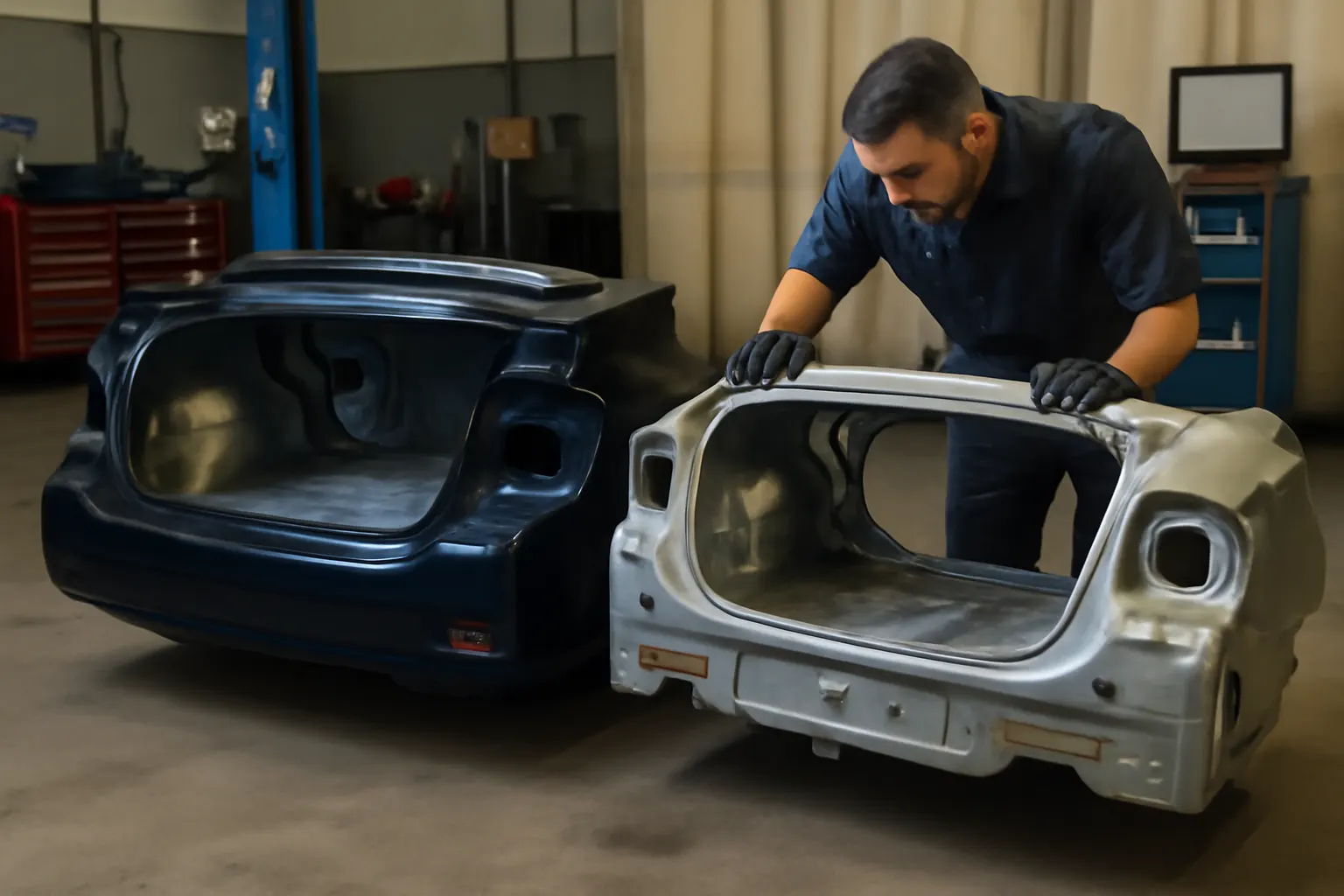
OEM vs Aftermarket Rear Clip: Quality and Performance Comparison
When it comes to repairing or upgrading your vehicle’s rear structure, the decision between an OEM (Original Equipment Manufacturer) and an aftermarket rear clip is critical. The choice directly impacts your vehicle’s safety, performance, fit, and long-term durability. In this guide, we deliver a comprehensive, technical, and practical comparison of OEM versus aftermarket rear clips—clarifying what truly matters for drivers, body shops, and enthusiasts alike. If you’re seeking the most reliable advice on rear clip replacement, you’re in the right place. For a broader overview of rear clip systems and related components, visit our Rear Clip Guide.
Immediate Answer: The Real-World Difference Between OEM and Aftermarket Rear Clips
OEM rear clips are designed and manufactured by the same company that built your vehicle. They are engineered to original specifications, ensuring precise fit, material quality, and compatibility with your car’s safety systems. Aftermarket rear clips, on the other hand, are produced by third-party manufacturers and can vary widely in design, material composition, fitment, and quality.
In most cases, OEM rear clips provide superior fit, structural integrity, and seamless integration with vehicle safety features. Aftermarket options may be more affordable, but their performance and durability depend heavily on the manufacturer and the standards they follow. For critical safety components like the rear clip—responsible for rear crash protection, frame alignment, and mounting points for suspension and drivetrain—choosing the right part is not just about price but about long-term reliability and safety.
The Hidden Problem: Risks of Incorrect Rear Clip Selection
The rear clip is more than just a panel—it’s a structural segment that plays a vital role in crash energy absorption, rear suspension mounting, and trunk alignment. Selecting an inferior or incompatible rear clip can lead to:
- Reduced crash safety
- Misaligned body panels
- Poor suspension geometry
- Premature corrosion
- Compromised fuel efficiency and aerodynamics
Many car owners and even some repair shops underestimate the technical complexity and safety impact of this component. The wrong choice can introduce hidden liabilities, from failed safety inspections to increased risk in the event of a rear collision.
Problem Expansion: Why Rear Clip Quality and Fit Matter
Structural Role of the Rear Clip
The rear clip typically includes the rear frame rails, trunk floor, rear body panel, and sometimes the rear wheel wells. It serves as the mounting base for the rear suspension, bumper, fuel tank, and, in many vehicles, hybrid or EV battery packs. According to the United States Department of Energy’s Materials Technologies, the material selection and structural design of these body components directly influence vehicle weight, crashworthiness, and performance.
Safety Implications
The National Highway Traffic Safety Administration (NHTSA) sets strict standards for vehicle crash safety and equipment. Rear clips must be engineered to deform in a controlled manner during a collision, absorbing energy to protect occupants. Any deviation from original specifications—whether due to poor materials, improper welds, or dimensional inaccuracies—can compromise these safety features.
Integration with Advanced Vehicle Systems
Modern vehicles rely on precise alignment and structural rigidity for the proper functioning of advanced driver-assistance systems (ADAS), rear sensors, and even fuel efficiency. The Department of Energy’s Fuel Efficiency research shows that even small changes in body structure can alter aerodynamics and drivetrain performance.
Technical Comparison: OEM vs Aftermarket Rear Clip
Material Quality
- OEM Rear Clips: Use the exact same steel or aluminum grades, coatings, and reinforcements as the original vehicle. Materials are selected for weight, strength, corrosion resistance, and crash energy management.
- Aftermarket Rear Clips: Material quality varies. Some reputable aftermarket manufacturers use comparable materials, but many use lower-grade metals or omit corrosion-resistant coatings, increasing the risk of premature rust and failure.
Manufacturing Standards
- OEM: Manufactured to strict tolerances, using factory jigs and robotic welders. Every weld, fastener location, and mounting point matches the original vehicle.
- Aftermarket: Manufacturing processes differ. Lower-cost clips may have inconsistent welds, out-of-spec mounting holes, or dimensional inaccuracies, making installation and alignment more difficult.
Fit and Compatibility
- OEM: Guaranteed to fit your make, model, and year with minimal adjustment.
- Aftermarket: Some clips may require modification, drilling, or shimming to fit properly. This can result in visible panel gaps, trunk leaks, or misaligned suspension geometry.
Crash Safety Performance
- OEM: Crash-tested as part of the vehicle’s original design. Meets all federal safety standards.
- Aftermarket: Rarely crash-tested as a standalone part. Performance in a real-world collision can be unpredictable unless certified to SAE or equivalent standards.
Cost Considerations
- OEM: Typically more expensive due to higher material and manufacturing costs.
- Aftermarket: More affordable up front, but potential hidden costs include extra labor, rework, or reduced resale value.
Installation Considerations: What to Know Before You Buy
Installation Complexity
OEM rear clips are designed for straightforward installation by trained technicians. All mounting points, brackets, and reinforcements are exactly where they should be. Aftermarket clips may require additional fitting and adjustment, increasing labor time and the risk of installation errors.
Professional vs DIY Installation
While skilled DIYers can handle some body repairs, rear clip replacement is best left to professional body shops with frame alignment equipment and welding certification. Improper installation can compromise vehicle safety and invalidate insurance claims.
Checklist: Rear Clip Selection and Installation
Use this checklist to evaluate and prepare for rear clip replacement:
| Step | OEM Rear Clip | Aftermarket Rear Clip |
|---|---|---|
| Confirm compatibility with VIN | ✔️ | ✔️ (double-check) |
| Inspect material quality | ✔️ (factory standard) | Varies—inspect thoroughly |
| Check for crash safety certification | ✔️ | Only if certified |
| Assess fitment (test-fit before welding) | Minimal adjustment | May require modification |
| Verify corrosion protection | ✔️ | Often limited or absent |
| Confirm warranty and return policy | Factory-backed | Varies by supplier |
| Plan for professional installation | Recommended | Essential |
| Ensure alignment with ADAS/sensors | ✔️ | May require recalibration |
| Obtain documentation for insurance/registration | ✔️ | May be requested |
Performance and Durability: Real-World Outcomes
Impact on Vehicle Performance
A properly installed OEM rear clip restores the vehicle to factory specifications, ensuring optimal handling, ride quality, and fuel efficiency. Aftermarket clips, if not perfectly matched and installed, can alter suspension geometry or introduce flex, leading to uneven tire wear, poor handling, and even increased fuel consumption.
Long-Term Durability
OEM rear clips undergo corrosion testing and are coated with factory-grade primers and sealants. Aftermarket clips may lack these protections, making them more susceptible to rust—especially in regions that use road salt or have high humidity.
Resale Value and Inspection
Vehicles repaired with OEM parts generally retain higher resale value and pass inspections more easily. Aftermarket repairs may be scrutinized more closely during resale or by insurance adjusters, especially if the part’s quality or fit is questionable.
Sourcing: How to Identify High-Quality Rear Clips
OEM Rear Clip Sourcing
- Authorized Dealerships: The most reliable source for genuine OEM rear clips.
- Certified Recyclers: Salvaged OEM rear clips can be a cost-effective option, provided they are undamaged and rust-free.
- VIN Matching: Always confirm compatibility using your vehicle’s VIN to ensure fitment and compliance with safety standards.
Aftermarket Rear Clip Sourcing
- Reputable Suppliers: Choose manufacturers who certify their parts to SAE or equivalent standards and provide detailed specifications.
- Material and Coating Verification: Inspect for high-quality welds, proper coatings, and accurate dimensions.
- Return Policy: Ensure the supplier offers a robust return policy in case the part does not fit or meet expectations.
Warning Signs of Low-Quality Aftermarket Rear Clips
- Thin or uneven metal
- Poor weld penetration or excessive weld splatter
- Lack of corrosion-resistant coatings
- Missing or misaligned mounting brackets
- No documentation or certification
Diagnostic Guidance: Assessing Rear Clip Condition
If your vehicle has been involved in a rear-end collision or is showing signs of structural damage, assess the rear clip before deciding on replacement:
- Visual Inspection: Look for visible creases, buckling, or rust, especially around welds and mounting points.
- Alignment Check: Inspect for misaligned trunk gaps, bumper fitment, or suspension mounting points.
- Frame Measurement: Professional shops use laser or tram measurement systems to check for frame alignment.
- Corrosion Assessment: Check for bubbling paint, surface rust, or exposed bare metal.
- Safety System Function: Test rear sensors, cameras, and ADAS features for proper operation.
If any of these issues are present, a rear clip replacement may be necessary to restore safety and performance.
Maintenance and Protection: Maximizing Rear Clip Lifespan
Regardless of OEM or aftermarket origin, proper maintenance extends the life and performance of your rear clip:
- Rust Prevention: Regularly inspect for paint chips and touch up as needed. Apply undercoating in rust-prone regions.
- Seal Integrity: Ensure all trunk and tail lamp seals are intact to prevent water intrusion.
- Suspension and Bumper Checks: Periodically inspect mounting points for signs of flex or fatigue.
- Professional Inspections: Schedule annual body inspections, especially if you drive in harsh conditions.
For more detailed strategies, see our guide on Preventing Rear Clip Damage: Maintenance and Protection.
Regulatory and Safety Standards: What the Law Requires
All rear clips—OEM or aftermarket—must comply with federal safety standards. The NHTSA mandates that replacement parts do not degrade vehicle safety. However, enforcement and testing are more consistent for OEM parts. Aftermarket manufacturers may voluntarily certify to SAE Standards, but this is not universal.
When evaluating an aftermarket rear clip, always ask for documentation of compliance with federal and industry standards. For critical safety repairs, some insurers and body shops mandate OEM parts to ensure liability protection.
Expert Solution Path: Choosing and Installing the Right Rear Clip
Step-by-Step Guidance
- Diagnose the Damage: Confirm the extent of rear clip damage with professional measurement and inspection.
- Decide on OEM vs Aftermarket: For late-model, high-value, or safety-critical vehicles, OEM is strongly recommended. For older or lower-value vehicles, a high-quality aftermarket clip may be acceptable if properly vetted.
- Source the Part: Use authorized channels for OEM; for aftermarket, demand certification and inspect before acceptance.
- Professional Installation: Have the rear clip installed by a certified body shop with frame alignment and welding expertise.
- Post-Installation Checks: Verify all body gaps, suspension alignment, and safety system functionality.
- Document the Repair: Keep records for insurance, resale, and inspection purposes.
For detailed installation procedures and safety tips, refer to our Rear Clip Replacement: Installation and Safety Guide.
Common Scenarios: When Aftermarket Might Make Sense
While OEM rear clips are the gold standard, there are situations where a well-made aftermarket part is a practical choice:
- Older Vehicles: For cars more than 10 years old, the cost of OEM parts may exceed the vehicle’s value.
- Minor Repairs: If only a non-structural section of the rear clip is damaged, a certified aftermarket panel may suffice.
- Limited Availability: For rare or discontinued models, OEM parts can be impossible to source; a reputable aftermarket alternative may be the only option.
Caution: Never compromise on structural integrity or crash safety—always prioritize parts that meet or exceed OEM standards.
The AutoPartEx Position: Precision, Safety, and Value
At AutoPartEx, we advocate for transparency, technical accuracy, and safety in every repair decision. Our extensive network of OEM and certified aftermarket suppliers ensures you get the right part for your application—backed by expert guidance and support. We strongly recommend OEM rear clips for all safety-critical repairs and only endorse aftermarket options that meet documented industry standards.
For more insights on rear clip safety and performance, see our editorial on Rear Clip Safety: Performance and Protection.
Conclusion: Making an Informed Rear Clip Choice
The choice between OEM and aftermarket rear clips is not just a matter of cost—it’s a decision that affects the safety, performance, and value of your vehicle. By understanding the technical differences, installation requirements, and long-term implications, you can make a confident, informed decision. Always prioritize structural integrity and compliance with safety standards, and consult trusted professionals for diagnostics and installation.
For more technical resources and the latest in rear clip technology, explore our Rear Clip Guide.
