Professional Installation Benefits
When it comes to replacing or upgrading your vehicle’s exterior back door handle, professional installation offers unmatched advantages: precise fitment, robust weather sealing, and seamless system calibration. These benefits are essential for modern vehicles, where the back door handle is not just a mechanical lever but an integrated component of your car’s security, safety, and weatherproofing systems. In this guide, we’ll break down why professional installation is critical, what hidden problems improper installation can cause, and how to ensure your investment in a new back door handle exterior pays off for years to come. If you’re evaluating options for your Back Door Handle (Exterior), read on to understand the full value of expert service.
Immediate Answer: Why Choose Professional Installation?
Professional installation of a back door handle exterior guarantees:
- Perfect Fitment: Ensures the handle sits flush, operates smoothly, and aligns with factory tolerances.
- Weather Sealing: Protects your vehicle’s interior and door mechanisms from water, dust, and temperature extremes.
- System Calibration: Integrates the handle with electronic locking, alarm, and keyless entry systems as required.
- Safety Compliance: Meets OEM and regulatory safety standards, reducing the risk of malfunction or injury.
- Long-Term Reliability: Minimizes premature wear, corrosion, or system failure due to installation errors.
These benefits collectively safeguard your vehicle’s security, comfort, and functionality—especially as automotive door handles increasingly serve as touchpoints for advanced electronics and safety systems.
The Hidden Problem: Overlooked Complexity in Modern Back Door Handles
It’s easy to underestimate the complexity of an exterior back door handle. Gone are the days when a handle was just a mechanical lever. Today’s back door handles often integrate:
- Electronic Locking Mechanisms: Tied to central locking and anti-theft systems.
- Weather Seals and Gaskets: Engineered for specific vehicle models to prevent leaks and wind noise.
- Sensors and Switches: For keyless entry, child safety locks, and alarm triggers.
- Advanced Materials: Lightweight composites or alloys for fuel efficiency and durability.
Improper installation can compromise any of these elements, leading to costly repairs, safety issues, or even system failures. Many DIY installations overlook the need for precise alignment, torque specifications, and calibration of electronic components. As a result, owners may face persistent leaks, rattling, handle misalignment, or malfunctioning locks—problems that are often not apparent until weeks or months later.
The Deeper Technical Explanation: What Makes Back Door Handle Installation Challenging?
1. Precision Fitment and Alignment
Each vehicle model features unique door contours, mounting points, and handle geometries. Professional installers use manufacturer specifications, specialized tools, and experience to:
- Align the handle perfectly with the door skin and internal latch mechanisms.
- Apply the correct torque to mounting fasteners, preventing distortion or stress cracks.
- Adjust for door thickness, curvature, and handle projection.
A poorly fitted handle can bind, stick, or leave gaps that compromise the door’s structural integrity and weather sealing.
2. Weather Sealing and Corrosion Protection
Modern door handles rely on a combination of gaskets, seals, and surface treatments to prevent water ingress and corrosion. Professional installation involves:
- Inspecting and, if necessary, replacing old or damaged gaskets.
- Applying sealant or anti-corrosion compounds as specified by the manufacturer.
- Testing for water tightness using controlled spray or pressure.
DIY installations often reuse old gaskets or miss subtle fitment cues, leading to water leaks that can damage door electronics, upholstery, or window regulators over time.
3. System Calibration and Integration
Many exterior back door handles must be electronically calibrated to:
- Sync with central locking and alarm systems.
- Recognize key fob proximity for keyless entry.
- Communicate with the vehicle’s Body Control Module (BCM).
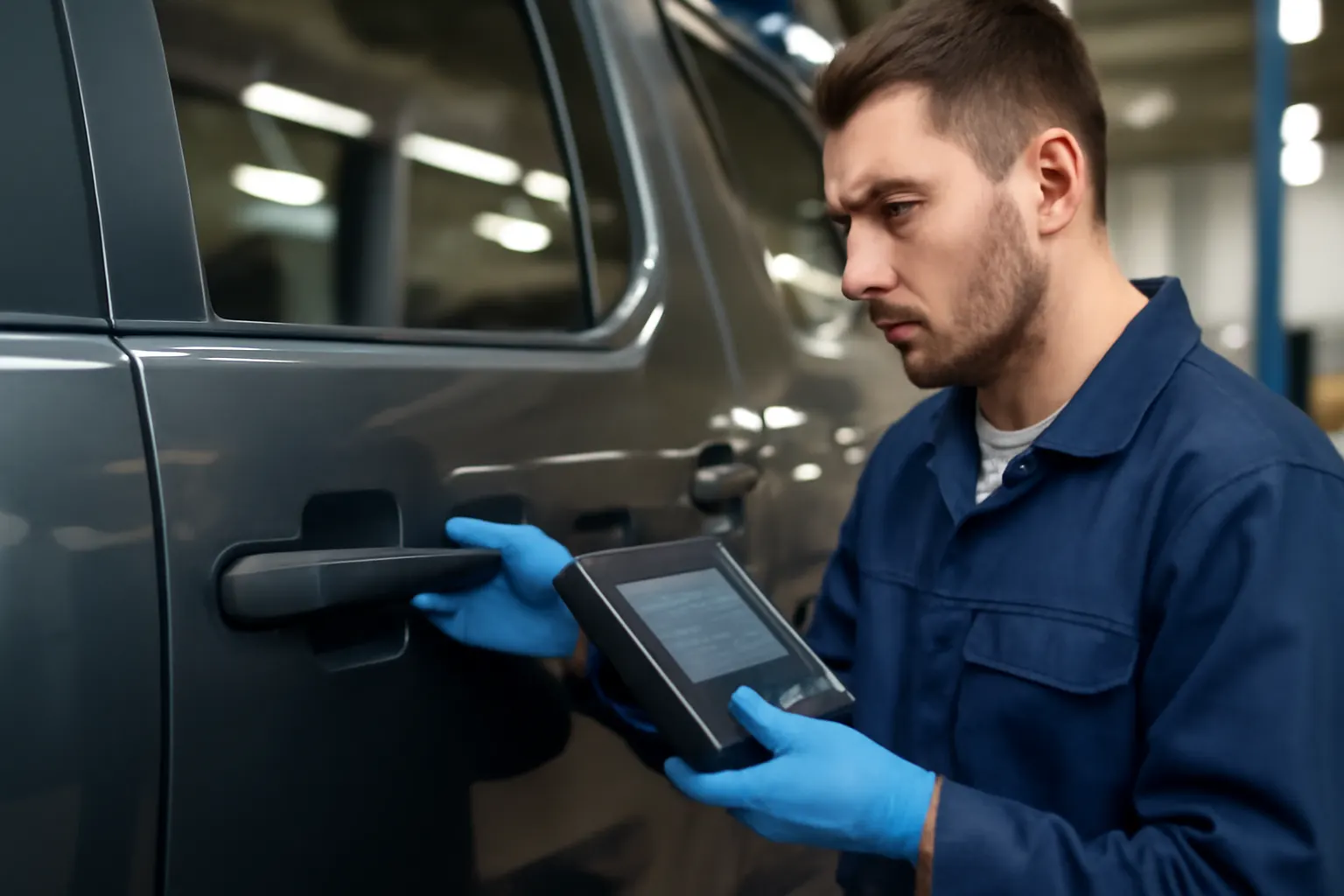
Professional installers use diagnostic tools to program and test these integrations, ensuring that new handles do not trigger error codes or security malfunctions. Without proper calibration, even a physically well-installed handle may fail to operate correctly or compromise vehicle security.
4. Material Compatibility and Structural Standards
Back door handles are often constructed from advanced materials—such as high-strength polymers or aluminum alloys—selected for their weight, strength, and corrosion resistance. Professional installers are trained to:
- Match replacement handles to OEM material specifications.
- Avoid over-tightening or damaging lightweight components.
- Ensure compatibility with the door’s structural reinforcements.
Mismatched materials or improper mounting can lead to premature handle failure or even damage to the door itself, affecting both safety and fuel efficiency (DOE Materials Technologies).
Solution Path: How Professional Installation Addresses Each Challenge
Step 1: Comprehensive Pre-Installation Assessment
A professional installer begins by:
- Inspecting the existing handle, door skin, and latch mechanism for damage or wear.
- Verifying part compatibility using VIN, model year, and OEM specifications.
- Preparing the work area to prevent scratches or contamination.
This ensures that the new handle will integrate seamlessly with your vehicle’s existing systems and aesthetics.
Step 2: Removal and Preparation
Professionals:
- Carefully remove the old handle, preserving mounting surfaces and disconnecting electronic connectors without damage.
- Clean and inspect the mounting area for rust, deformation, or debris.
- Replace aged or worn seals and clips as necessary.
Step 3: Precision Installation
Using manufacturer torque specs and alignment guides, the installer:
- Fits the new handle, ensuring flush alignment and smooth operation.
- Installs new gaskets or seals, applying manufacturer-approved lubricants or anti-corrosion treatments where required.
- Connects electrical harnesses, verifying pin alignment and secure locking.
Step 4: System Testing and Calibration
With the handle in place, professionals:
- Use diagnostic tools to test locking, unlocking, and alarm functions.
- Program keyless entry or proximity sensors as needed.
- Check for error codes or BCM communication issues.
Step 5: Final Inspection and Quality Assurance
The installer:
- Performs a water intrusion test (where applicable).
- Verifies handle operation from inside and outside the vehicle.
- Ensures cosmetic alignment and finish match OEM standards.
Checklist: What to Expect from a Professional Back Door Handle Installation
| Task | DIY Risk if Skipped | Pro Installer Action |
|---|---|---|
| Verify OEM part compatibility | Wrong fit, malfunction | Cross-checks VIN, model, and specs |
| Remove old handle without damage | Scratches, broken clips | Uses trim tools, preserves paint and seals |
| Inspect and prep mounting area | Missed rust, leaks | Cleans, treats corrosion, preps for seal |
| Install new gaskets/seals | Water leaks, noise | Replaces all seals, applies sealant as needed |
| Align and torque handle to spec | Misalignment, cracks | Uses torque wrenches, alignment jigs |
| Connect and test electronics | Non-functional locks | Diagnoses, calibrates, tests all functions |
| Water intrusion and function test | Future leaks, failures | Simulates rain, checks operation |
| Final cosmetic and safety check | Visible flaws, hazards | Ensures OEM finish, verifies safety |
Safety and Compliance: Meeting Regulatory Standards
The National Highway Traffic Safety Administration (NHTSA) mandates that all vehicle doors—including back doors—must be equipped with latches and handles that meet stringent safety and performance criteria. Professional installers are familiar with:
- Federal Motor Vehicle Safety Standards (FMVSS) for door latches and retention.
- OEM technical service bulletins and recalls affecting door hardware.
- Proper documentation and traceability for replacement parts.
Improper installation could inadvertently violate safety standards, increase injury risk in a collision, or trigger compliance issues during inspection.
Weather Sealing: The Overlooked Threat
One of the most persistent issues with DIY or low-quality installations is compromised weather sealing. Even a slight misalignment or pinched gasket can allow water to enter the door cavity, leading to:
- Corrosion of metal components and fasteners.
- Short-circuiting of window, lock, or alarm wiring.
- Mold or mildew growth inside the door panel.
- Increased wind noise and reduced cabin comfort.
Professional installers are trained to identify subtle sealing issues, replace all necessary gaskets, and test for leaks—protecting your vehicle’s long-term value. For more on this topic, see Protecting Your Exterior Handle from Weather Damage.
System Calibration: The Modern Necessity
With the proliferation of keyless entry, proximity sensors, and integrated alarm systems, a back door handle is now a node in your vehicle’s electronic ecosystem. After installation, professional technicians:
- Use scan tools to clear old error codes and program new components.
- Test for proper response to key fobs, lock/unlock commands, and child safety system signals.
- Ensure the handle’s operation does not trigger false alarms or security lockouts.
Failure to perform these steps can result in persistent dashboard warnings, non-functional locks, or vulnerability to theft. For a deeper dive into these integrations, refer to Security System Integration Explained.
Material Matching and Finish: Beyond Looks
A professionally installed back door handle isn’t just about function; it’s about maintaining your vehicle’s appearance and resale value. Installers:
- Select handles that match OEM material (plastic, aluminum, painted, or chrome).
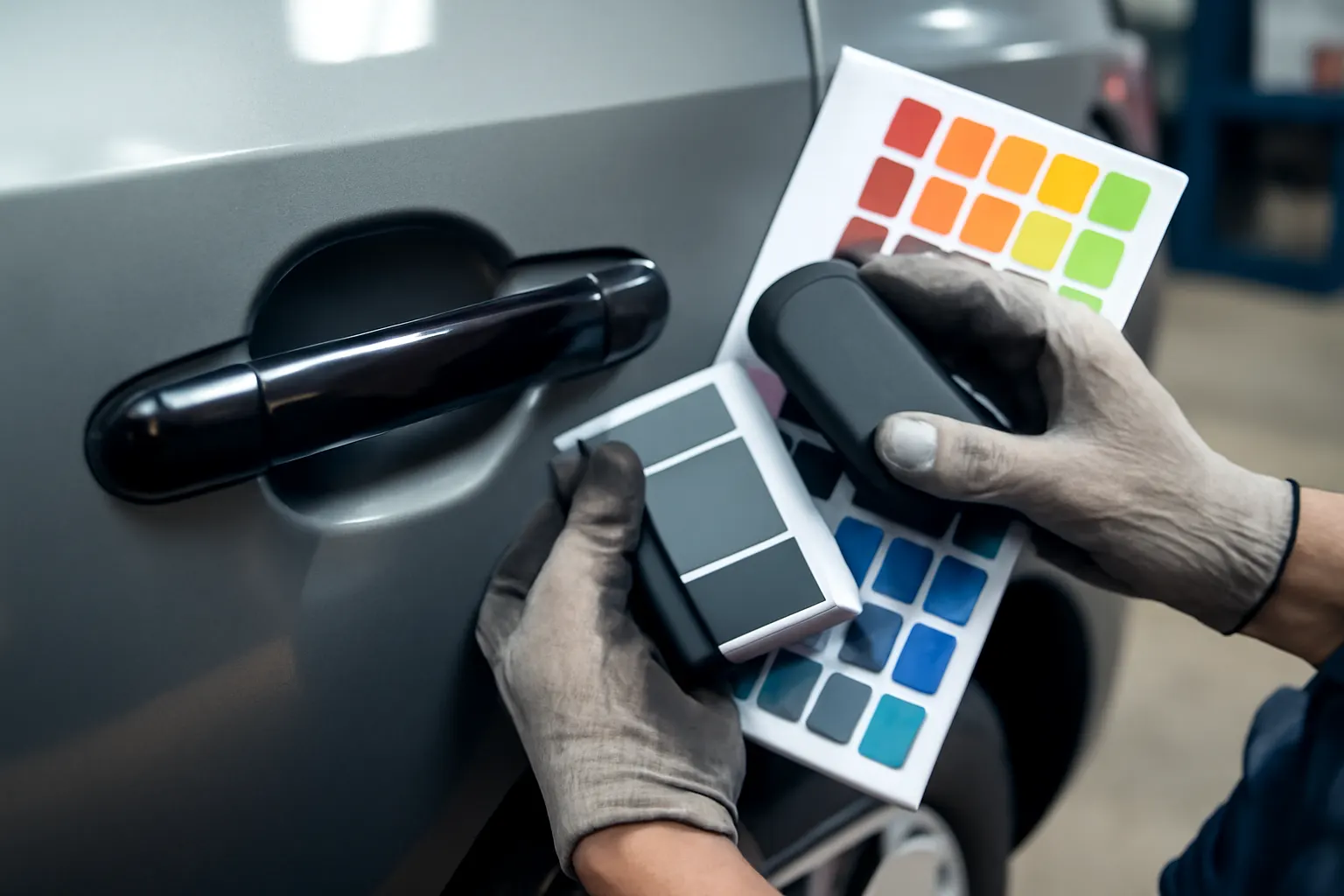
- Align color and finish with adjacent panels, using blending or touch-up as needed.
- Avoid overtightening or damaging lightweight composite handles.
A mismatched or poorly finished handle can detract from your vehicle’s curb appeal and may even affect trade-in or resale value. For guidance on matching finishes, see our Color Matching and Finish Guide.
Diagnostics and Troubleshooting: Ensuring Long-Term Reliability
Professional installers don’t just fit the part and move on—they diagnose underlying issues that may have contributed to the original handle’s failure. This includes:
- Checking for binding or misaligned latch mechanisms.
- Inspecting for electrical shorts or corroded connectors.
- Advising on related maintenance, such as lubricating hinges or replacing worn door checks.
By addressing these issues proactively, you reduce the risk of repeat failures and ensure your back door handle will operate flawlessly for years.
Sourcing Quality Parts: Why OEM or Certified Aftermarket Matters
The best installation can’t compensate for substandard components. Professionals source:
- OEM (Original Equipment Manufacturer) handles for guaranteed fit and performance.
- Certified aftermarket parts meeting SAE and NHTSA standards (SAE Standards).
- Handles with manufacturer warranties and proven durability.
They also verify that the new handle is not subject to recalls or known defects, using resources like the NHTSA Recalls Database.
Maintenance Guidance: Preserving Your Investment
After professional installation, your technician should provide maintenance tips to maximize handle lifespan:
- Periodically clean and inspect the handle for chips, corrosion, or loose fasteners.
- Lubricate moving parts with manufacturer-approved products.
- Avoid using excessive force or hanging heavy objects from the handle.
- Inspect weather seals annually, especially after severe weather.
This proactive care, combined with expert installation, ensures your back door handle remains reliable through years of use.
When DIY Makes Sense—and When It Doesn’t
While some experienced DIYers with the right tools and technical knowledge can achieve solid results, most vehicle owners benefit from professional installation for critical components like exterior back door handles. Consider professional service if:
- Your vehicle features keyless entry, alarm, or advanced safety systems.
- The handle is painted, chrome, or color-matched.
- You lack specialized tools (trim pullers, torque wrenches, scan tools).
- You want to maintain warranty or insurance coverage.
For basic vehicles with simple mechanical handles, DIY may be feasible—but always weigh the risks of improper fitment, leaks, or system errors against the modest cost of professional installation.
AutoPartEx: Your Partner for Back Door Handle Solutions
At AutoPartEx, we connect you with a nationwide network of certified installers and supply only OEM or certified aftermarket Back Door Handle (Exterior) components. Our technical support team can help you:
- Identify the correct part for your make and model.
- Schedule installation with a trusted local professional.
- Access detailed guides and maintenance tips tailored to your vehicle.
Don’t leave your vehicle’s safety, security, or comfort to chance—trust AutoPartEx for expert advice and proven solutions.
Conclusion: The True Value of Professional Installation
Investing in professional installation for your exterior back door handle delivers far more than peace of mind. You’re ensuring that your vehicle’s security, weather resistance, and system integration remain uncompromised. By leveraging the expertise of qualified technicians, you avoid the hidden pitfalls of improper fitment, protect your investment, and maintain the performance and appearance your vehicle was designed to deliver.
For more resources, expert guidance, or to schedule a professional installation, explore our Back Door Handle (Exterior) category or reach out to the AutoPartEx technical team today.