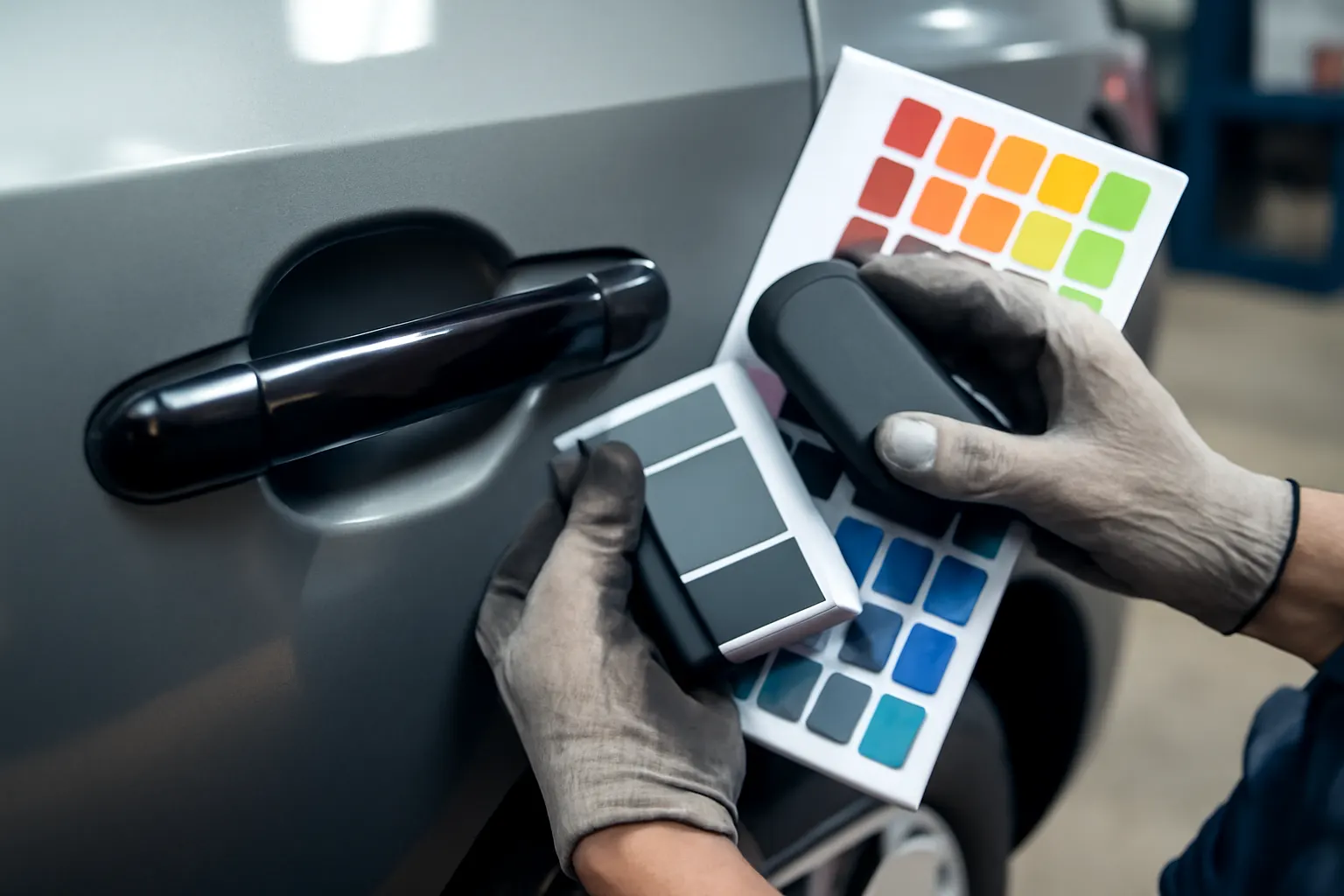
Color Matching and Finish Guide
When replacing or upgrading a Back Door Handle (Exterior), achieving the right color match and finish is crucial for both aesthetics and long-term durability. Whether you’re restoring a classic, repairing collision damage, or customizing a modern vehicle, this guide will arm you with the essential knowledge and practical steps for selecting, evaluating, and installing perfectly matched and finished door handles—OEM or aftermarket.
Why Perfect Color Matching and Durable Finishes Matter
The exterior back door handle is more than just a functional part—it’s a visible detail that affects your vehicle’s look, resale value, and even its protection from the elements. A mismatched handle or a finish that fades or corrodes prematurely can diminish curb appeal and signal poor-quality repairs. In contrast, a precisely matched, well-finished handle blends seamlessly, preserves the manufacturer’s design intent, and stands up to years of use and weather exposure.
For vehicle owners, body shops, and DIY enthusiasts alike, understanding the science and standards behind color matching and surface finishing can prevent common pitfalls and ensure professional results.
The Hidden Challenge: Beyond Simple Paint Matching
At first glance, color matching a door handle seems straightforward: find the right paint code, apply, and install. In reality, the process is far more complex. Modern vehicles use multi-layer paint systems, advanced materials, and specialty coatings that interact with light differently depending on substrate, angle, and finish quality. Aftermarket handles may use different plastics or metals from OEM parts, affecting how paint adheres and appears.
Even with a correct paint code, subtle variations in gloss, texture, and reflectivity can make a replacement handle stand out—sometimes dramatically—against the original panels. Additionally, environmental exposure, UV radiation, and cleaning chemicals can alter both color and finish over time, making accurate matching a moving target, especially for older vehicles.
Expanding the Problem: Technical Factors in Color and Finish
Substrate Material Differences
OEM exterior back door handles are typically made from high-impact plastics (such as ABS or polycarbonate blends), or, on some models, lightweight metals. Each material has unique properties that affect how primers, paints, and clearcoats adhere and cure. Aftermarket handles may use cost-saving substitutes, introducing further variability.
Paint Layer Complexity
Modern automotive finishes involve several distinct layers:
- Primer: Bonds to the substrate and provides corrosion protection.
- Basecoat: Contains the color pigments.
- Midcoat (for metallic or pearl effects): Adds depth and special effects.
- Clearcoat: Seals and protects, providing the desired gloss or matte finish.
Each layer’s thickness, composition, and application method can influence the final color and sheen.
OEM vs. Aftermarket Tolerances
OEM parts are manufactured to strict tolerances for color, gloss, and texture, often specified in engineering documents and validated by quality control. Aftermarket suppliers may not always match these standards, leading to visible differences even when the “correct” color code is used.
Environmental Aging and Fading
Exposure to UV rays, temperature swings, and road chemicals causes automotive paints and plastics to fade, yellow, or dull at different rates. A new handle painted with a factory color code may not match a sun-faded door panel. This aging must be factored into any color-matching process.
The Science of Automotive Color Matching
Color Codes and Paint Formulation
Every vehicle is assigned a unique paint code, typically found on a label in the door jamb, under the hood, or in the glove compartment. This code references a precise blend of pigments, metallics, and binders used by the manufacturer. Paint suppliers use these codes to mix matching paint, but slight batch-to-batch variations and differences in application equipment can still cause minor color shifts.
Spectrophotometry and Digital Color Matching
Professional body shops increasingly use spectrophotometers—devices that scan the vehicle’s paint and generate a digital color profile. This allows for a more accurate match, especially when compensating for weathering or previous repairs. Some advanced systems can even recommend adjustments for specific substrates or finishes.
Gloss and Texture
Color is only part of the equation. The gloss level (measured in gloss units or GU) and surface texture (“orange peel” effect, matte vs. satin, etc.) are equally critical. OEM handles may have a specific micro-texture or semi-gloss finish that needs to be replicated for a seamless look.
The Role of Materials and Coatings in Durability
A beautiful match is worthless if it doesn’t last. Modern door handles are exposed to constant handling, sun, rain, snow, and road salt. According to the United States Department of Energy’s Materials Technologies research, advanced coatings and engineered plastics are essential for withstanding these environmental stresses without degrading or corroding.
UV-Resistant Coatings
High-quality finishes use UV blockers and stabilizers in both the paint and clearcoat layers. These additives prevent fading and yellowing, especially for colors prone to sun damage (reds, blues, metallics).
Corrosion and Chemical Resistance
For metal handles, anti-corrosion primers and powder coatings are used. For plastics, special adhesion promoters and flexible clearcoats help resist cracking, peeling, and chemical attack from de-icers and cleaners.
OEM vs. Aftermarket Coating Quality
OEM handles typically undergo rigorous testing for abrasion, impact, and chemical resistance—standards often set by the SAE International and enforced by manufacturers. Aftermarket parts may vary widely; some match OEM durability, while others may chip, fade, or peel within a year.
Diagnosing Color and Finish Mismatches
Before you buy or install a new back door handle, it’s vital to diagnose potential mismatches. Here’s a step-by-step checklist to help:
Color and Finish Diagnostic Checklist
- Identify the OEM Paint Code: Locate the code on your vehicle. Cross-check with manufacturer documentation.
- Assess Existing Handle and Door Condition: Is the original faded, scratched, or textured? Photograph in natural light.
- Compare Substrate Materials: Is the replacement handle made of the same material (plastic vs. metal)?
- Check for Multi-Stage Paint: Does your vehicle use metallic, pearl, or tri-coat finishes?
- Request Sample Swatches: Ask suppliers for painted samples or chips.
- Test in Daylight: Compare samples to your vehicle in natural, indirect light from multiple angles.
- Evaluate Gloss and Texture: Use a gloss meter if possible; otherwise, visually compare for sheen and surface feel.
- Consider Age and Exposure: If your vehicle’s panels are faded, color-correct the new part or plan for blending.
- Inspect Coating Quality: Check for uniform coverage, absence of runs, and proper edge finishing.
If any step reveals a noticeable difference, consider professional refinishing or blending to ensure a seamless result.
Selecting OEM vs. Aftermarket Handles: What to Look For
When choosing between OEM and aftermarket back door handles, consider the following factors:
OEM Handles
- Guaranteed Color and Finish Match: OEM parts are painted and finished to the original factory specs.
- Material Consistency: Use the same plastics or metals as the rest of the vehicle.
- Higher Cost: Typically more expensive but with better fit and finish.
- Meets Manufacturer Standards: Subject to stringent durability and safety testing.
Aftermarket Handles
- Cost Savings: Often less expensive, but quality varies.
- Pre-Painted vs. Paint-to-Match: Some come pre-painted, others primed and ready for custom finishing.
- Material and Finish Variability: May not match OEM exactly; check product reviews and supplier guarantees.
- Potential for Customization: Easier to order in unique colors or textures.
Sourcing the Right Handle: Practical Buying Guidance
To maximize your chances of a perfect match and durable finish, follow these best practices:
- Work with Reputable Suppliers: Choose vendors who provide detailed specs, paint codes, and return policies.
- Request Detailed Photos: Examine product images for color, gloss, and texture accuracy.
- Ask About Paint Process: Are handles painted in-house, or pre-finished by a third party? What paint system is used?
- Verify Fitment: Confirm compatibility with your vehicle’s year, make, and model (see the Back Door category for detailed fitment lists).
- Check for Certifications: Look for parts that meet SAE or equivalent standards for finish and durability.
- Review Customer Feedback: Search for real-world reports on color match and finish longevity.
Installation: Steps for Preserving Color and Finish Integrity
Installing a new back door handle is more than a bolt-on job—proper handling and technique are essential to preserve the finish and prevent premature damage.
Installation Best Practices
- Handle with Clean Gloves: Oils from your skin can affect adhesion and leave marks on fresh finishes.
- Protect Surrounding Panels: Use masking tape and soft covers to prevent accidental scratches.
- Follow Torque Specs: Over-tightening can crack plastic handles or chip paint.
- Seal Edges: Ensure gaskets or seals are in place to keep moisture out of the handle cavity.
- Avoid Harsh Chemicals: Clean with mild soap and water only for the first few weeks after installation.
For more on installation excellence, see Professional Installation Benefits.
Maintenance for Long-Lasting Color and Finish
Maintaining your exterior handle’s appearance and durability requires regular care:
- Wash Regularly: Remove dirt and road salts with gentle, pH-neutral soap.
- Apply UV Protectant: Use a plastic or paint-safe UV protectant to slow fading.
- Inspect for Chips and Scratches: Touch up exposed areas promptly to prevent corrosion or further damage.
- Avoid Abrasive Cleaners: These can dull or scratch the finish.
- Wax Sparingly: If the handle is painted, a light application of automotive wax can enhance gloss and protection.
For keeping your handle in top shape through all seasons, see Protecting Your Exterior Handle from Weather Damage.
Blending, Touch-Ups, and Professional Refinishing
Even with the best planning, minor mismatches or damage can occur. Here’s how to address them:
- Blending: Professional body shops can blend new paint into adjacent panels for an invisible transition.
- Touch-Up Kits: For minor chips, use OEM-matched touch-up pens or bottles.
- Refinishing: If a pre-painted handle is off-color or becomes damaged, a body shop can strip and refinish it using your vehicle’s paint code and advanced blending techniques.
Safety, Standards, and Regulatory Considerations
While color and finish are primarily aesthetic, they can affect safety and compliance. For example:
- Reflectivity: Some finishes include reflective elements for visibility.
- Surface Texture: Handles must be slip-resistant and comfortable to grip, even in wet conditions.
- Durability: Flaking or corroded handles can create sharp edges, posing a safety risk.
The National Highway Traffic Safety Administration (NHTSA) sets guidelines for vehicle equipment, including replacement parts. Always ensure new handles meet or exceed these standards.
Advanced Topics: Custom Colors and Specialty Finishes
For enthusiasts and customizers, aftermarket handles can be finished in unique colors, carbon fiber wraps, or even hydro-dipped patterns. While these options offer creative freedom, they require careful planning:
- Custom Paints: Work with specialist shops that use automotive-grade paints and clearcoats.
- Specialty Coatings: Ceramic or nano-coatings can add extra protection but may alter gloss.
- Warranty Implications: Custom finishes may void manufacturer warranties or affect resale value.
Always request samples and discuss long-term maintenance with your finisher.
AutoPartEx: Your Partner in Precision and Quality
At AutoPartEx, we understand the critical importance of color matching and finish durability for back door handles and all exterior components. Our curated selection of OEM and high-quality aftermarket handles is backed by detailed fitment data, professional sourcing standards, and technical support. Whether you’re a DIYer or a collision repair professional, we help you achieve a factory-perfect result every time.
For comprehensive part listings, color code references, and expert guidance, explore our Back Door Handle (Exterior) catalog.
Take Action: Achieve a Flawless Match
- Diagnose your vehicle’s current color and finish before ordering.
- Source from trusted suppliers with clear paint specs and return policies.
- Install with care, following best practices to protect the finish.
- Maintain with regular cleaning and UV protection.
For more on security integration, visit our Security System Integration Explained editorial guide.