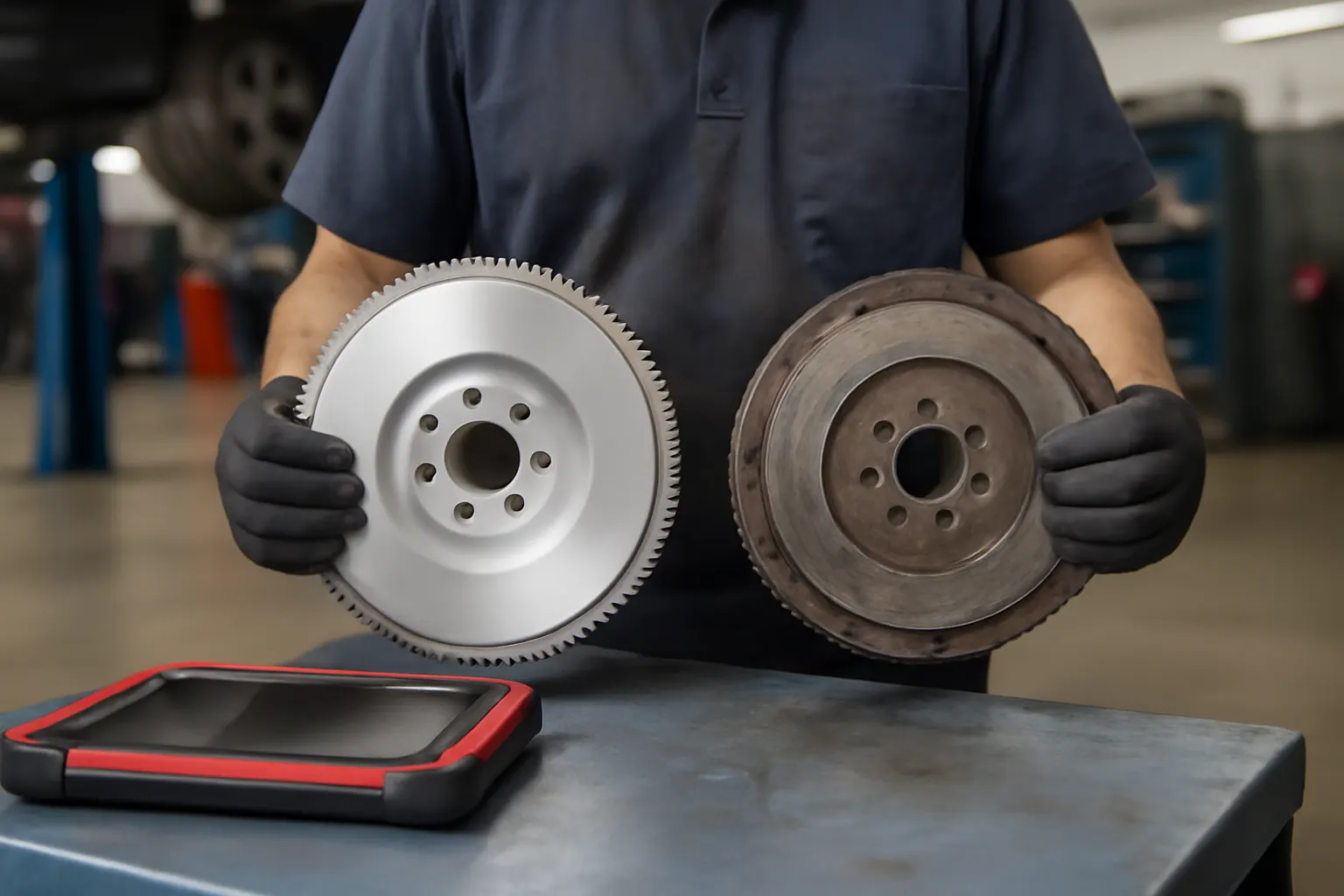
Performance Flywheels: Are They Right for Your Build?
Performance flywheels—often lightweight and precision-engineered—promise faster engine response, improved acceleration, and a more connected driving feel. For enthusiasts and builders seeking sharper throttle reaction or enhanced track performance, upgrading from a stock cast iron flywheel to an aluminum or chromoly unit is a tempting proposition. But is a performance flywheel the right choice for your build? The answer depends on your vehicle, driving style, and goals. In this comprehensive guide, we’ll break down the technical details, real-world results, installation tips, and critical considerations to help you make an informed decision.
If you’re new to flywheels, start with our Flywheel Function, Failure Modes, and Replacement: The Complete Guide for foundational knowledge before diving into the nuances of performance upgrades.
What Is a Performance Flywheel?
A performance flywheel is an aftermarket or upgraded component designed to replace your vehicle’s original flywheel. The most common changes include:
- Reduced weight (lightweight flywheels)
- Stronger materials (for higher RPM and torque loads)
- Precision balancing (for smoother operation at high speed)
These changes aim to decrease rotational inertia, allowing the engine to rev more freely. Performance flywheels are typically made from aluminum alloys, chromoly steel, or other high-strength materials, in contrast to the heavier cast iron or mild steel used in OEM units.
Types of Performance Flywheels
- Lightweight steel flywheels: Durable, moderate weight reduction, suitable for street and track.
- Aluminum flywheels: Maximum weight savings, fastest throttle response, best for high-revving engines.
- Chromoly flywheels: Exceptional strength, often used in race or forced induction builds.
Immediate Benefits: What Can You Expect from an Upgrade?
Upgrading to a performance flywheel delivers several tangible benefits:
- Faster engine response: The engine accelerates and decelerates more quickly due to reduced rotational mass.
- Improved acceleration: Especially noticeable in lower gears, as less energy is needed to spin the flywheel.
- Sharper throttle feel: The connection between your right foot and engine output feels more direct.
- Potential for higher RPMs: Stronger materials can withstand the stresses of high-revving performance engines.
Real-world results vary by vehicle and setup, but many drivers report a noticeable improvement in the “urgency” of engine response after installation.
The Hidden Problem: Trade-Offs and Everyday Driveability
Despite the appeal, performance flywheels introduce trade-offs that can affect everyday driving and reliability:
- Reduced rotational inertia: While this benefits acceleration, it can make takeoffs and low-speed driving trickier, especially in heavier vehicles.
- Less damping of engine vibrations: Lighter materials transmit more vibration and noise to the drivetrain.
- Potential for stalling: The engine may be more prone to stalling during launches or in stop-and-go traffic.
- Increased clutch chatter: Especially when paired with aggressive clutch kits.
These drawbacks are not always obvious in spec sheets or marketing material, but they matter in real-world use—especially if your vehicle is a daily driver.
Deep Dive: The Physics of Flywheel Mass and Engine Dynamics
To understand why these trade-offs exist, let’s explore the technical side:
Rotational Inertia and Energy Storage
A flywheel’s primary function is to store rotational energy, smoothing out the power pulses from the engine’s combustion cycles. This helps maintain steady engine speed and provides the torque needed to launch the vehicle from a stop.
- Heavier flywheels: Store more energy, making launches smoother and reducing the risk of stalling.
- Lighter flywheels: Store less energy, allowing the engine to change speed faster but requiring more precise throttle/clutch control.
Material Science and Durability
Modern performance flywheels leverage advanced materials—like forged chromoly steel or aerospace-grade aluminum—that offer high strength-to-weight ratios (DOE Materials Technologies). These materials can withstand higher RPMs and torque, but their reduced mass means less energy is stored during operation.
Is a Performance Flywheel Right for Your Build? Key Considerations
Before making the switch, consider these questions:
-
What is your vehicle’s primary purpose?
- Daily driver: Heavier flywheels are often better for smoothness and ease of use.
- Track or autocross car: Lightweight flywheels can yield substantial performance gains.
-
Engine characteristics:
- High-revving, low-torque engines benefit more from lightweight flywheels.
- High-torque, low-revving engines may suffer from loss of driveability.
-
Transmission type:
- Manual transmissions benefit most from performance flywheels.
- Automatic transmissions typically do not use flywheels in the same sense (they use flexplates).
-
Clutch compatibility:
- Some performance flywheels require specific clutch kits. Always check compatibility.
-
Emissions and safety standards:
- Ensure your choice does not compromise safety or violate regulations (NHTSA Equipment).
Real-World Results: What Enthusiasts Report
Enthusiast forums and dyno charts are filled with testimonials and data on flywheel upgrades. Here’s what the majority of users experience:
- Acceleration gains: 0-60 mph times may improve by 0.1–0.3 seconds in lightweight vehicles.
- Throttle blip speed: Heel-toe downshifting becomes more responsive.
- RPM drop between shifts: Engine speed falls faster, requiring quicker shifts.
- Noise and vibration: Increased gear rattle or transmission noise, especially at idle.
It’s important to note that the most dramatic benefits are felt in vehicles already tuned for performance—especially those with free-flowing exhausts, intake upgrades, and standalone engine management. Stock or lightly modified cars may see less dramatic changes, but the sharper feel is often appreciated by driving enthusiasts.
Installation: What’s Involved and What to Watch For
Installing a performance flywheel is a significant job, often requiring the removal of the transmission and clutch assembly. Here’s a high-level checklist:
Performance Flywheel Installation Checklist
- Disconnect battery and safely lift vehicle.
- Remove transmission: Manual transmissions must be unbolted and slid back or dropped.
- Remove clutch assembly: Keep track of all bolts and hardware.
- Remove existing flywheel: Inspect for heat damage, cracks, or unusual wear.
- Clean crankshaft flange: Ensure a clean mating surface.
- Install new flywheel: Align with dowel pins and torque bolts to manufacturer specs (use thread locker if specified).
- Install compatible clutch kit: Some performance flywheels require specific disc/pressure plate combinations.
- Reinstall transmission and related components.
- Test for proper engagement: Check clutch pedal feel, engagement point, and listen for abnormal noise.
Pro Tip: Always replace the flywheel bolts with new, OEM-spec or ARP hardware, as these are often torque-to-yield and not reusable.
Diagnosing Common Issues After Installation
Even with careful installation, issues can arise. Here’s how to diagnose the most common post-installation problems:
- Clutch chatter or judder: May indicate improper break-in, mismatched clutch/flywheel, or contamination (oil/grease).
- Increased vibration: Expected to some degree with lightweight flywheels, but excessive vibration may mean the flywheel is out of balance or improperly torqued.
- Difficulty launching: Practice throttle/clutch modulation; some vehicles may benefit from idle speed adjustment.
- Noisy operation: Some gear rattle is normal, especially in vehicles with solid flywheels and aggressive clutch discs.
If you encounter persistent issues, revisit our Diagnosing Clutch and Flywheel Problems for a step-by-step troubleshooting approach.
Maintenance and Longevity: What to Expect
Performance flywheels, especially those made from aluminum, often have replaceable steel friction inserts to extend service life. However, they are generally more sensitive to:
- Heat and glazing: Aggressive driving can lead to surface glazing, reducing clutch grip.
- Surface wear: Lightweight materials may wear faster under repeated hard launches.
- Hardware fatigue: Always monitor flywheel bolts and clutch hardware for signs of loosening or fatigue.
Routine Inspection Points:
- Inspect for cracks, blueing, or scoring during every clutch service.
- Check torque on flywheel and pressure plate bolts after initial break-in period.
- Replace friction inserts as needed (if applicable).
Fuel Efficiency and Performance: Fact vs. Fiction
A common misconception is that lightweight flywheels always improve fuel economy. In reality, the effect on fuel efficiency is minimal for most street-driven vehicles (DOE Fuel Efficiency). The primary gains are in responsiveness and acceleration, not steady-state cruising or MPG.
Key Points:
- City driving: May see a slight decrease in fuel efficiency due to increased engine speed fluctuation.
- Track use: No meaningful fuel savings; focus is on performance.
- Highway cruising: Negligible impact, as the flywheel plays a smaller role at constant speeds.
Selecting the Right Flywheel: Buying Guide
When choosing a performance flywheel, match your selection to your goals, vehicle, and existing modifications. Use this checklist to compare options:
Flywheel Selection Checklist
| Criteria | Best for Daily | Best for Track | Best for Drag |
|---|---|---|---|
| Material (Steel) | ✓ | ✓ | |
| Material (Aluminum) | ✓ | ✓ | |
| Weight (lbs) | 15–20 | 8–15 | 10–18 |
| Replaceable Insert | ✓ | ✓ | |
| SFI Certification | ✓ | ✓ | ✓ |
| OEM Fitment | ✓ | ||
| Clutch Compatibility | ✓ | ✓ | ✓ |
| Streetability | ✓ | ||
| Launch Control/2-Step | ✓ | ✓ |
- Always verify SFI certification for racing or competitive use.
- Check compatibility with your clutch and transmission.
- Consult manufacturer recommendations for torque specs and installation procedures.
Common Myths and Misconceptions
Myth 1: Lightweight flywheels always make your car faster.
Reality: They improve throttle response and acceleration in certain conditions, but overall lap times or quarter-mile ETs may not change dramatically unless your driving and setup are optimized.
Myth 2: Aluminum flywheels are too fragile for street use.
Reality: Modern aluminum flywheels with steel inserts are durable and reliable when installed correctly and maintained.
Myth 3: Any performance flywheel will fit my car.
Reality: Fitment is highly specific. Always check bolt patterns, ring gear size, and clutch compatibility.
Integration with Other Performance Mods
A performance flywheel works best when paired with complementary upgrades:
- High-performance clutch kits: To handle increased RPM and torque.
- Short shifters: To capitalize on faster RPM drops between shifts.
- ECU tuning: To adjust idle speed or rev limiter for optimal performance.
- Upgraded motor mounts: To manage increased vibration.
For those considering a broader drivetrain refresh, see Flywheel Resurfacing vs. Replacement: What You Need to Know to determine if a new flywheel or resurfacing is best for your application.
Safety, Standards, and Compliance
Performance flywheels must meet safety and engineering standards to handle the stresses of high-RPM operation. Look for:
- SFI Foundation certification: Indicates compliance with rigorous safety testing.
- SAE standards adherence: Ensures proper engineering and fitment (SAE Standards).
- OEM or reputable aftermarket brands: Avoid unbranded or “no-name” flywheels, as failures can be catastrophic.
Always follow manufacturer torque specs, use proper installation tools, and inspect for defects before installation. If you’re unsure, consult a professional installer or performance shop.
Expert Solution Path: How to Proceed
- Assess your goals: Decide if your build prioritizes performance, driveability, or a balance of both.
- Research fitment and compatibility: Use vehicle-specific forums, manufacturer guides, and Flywheel Function, Failure Modes, and Replacement: The Complete Guide to confirm details.
- Source quality parts: Choose SFI-certified, reputable brands. Consult the AutoPartEx catalog for curated options.
- Plan for installation: Budget for professional labor if you lack experience or proper tools.
- Break in your new flywheel and clutch: Follow recommended procedures to ensure maximum lifespan and performance.
- Monitor for issues: Listen for abnormal noises, vibration, or clutch engagement problems. Address promptly.
AutoPartEx Positioning: Your Trusted Source for Performance Flywheels
At AutoPartEx, we understand the importance of matching the right part to your performance goals and vehicle requirements. Our expert-curated inventory includes SFI-certified performance flywheels from leading manufacturers, detailed fitment guides, and technical support to ensure a seamless upgrade process. Whether you’re building a dedicated track weapon or enhancing your daily driver’s responsiveness, our resources and team are here to help.
For further guidance, or to explore compatible clutch and flywheel kits for your specific make and model—such as Acura or AMC—visit our category pages or contact our technical support team.
Conclusion: Is a Performance Flywheel Right for You?
Performance flywheels deliver tangible benefits for enthusiasts seeking sharper engine response, quicker acceleration, and a more engaging driving experience. However, these gains come with trade-offs in driveability, noise, and low-speed manners. The right choice depends on your vehicle’s use case, engine characteristics, and personal priorities. By understanding the technical details, installation requirements, and real-world results, you can make an informed decision that maximizes both performance and reliability.
For a deeper dive into dual-mass flywheels and their unique benefits and pitfalls, check out our editorial guide: Dual-Mass Flywheels: Benefits and Pitfalls.