Flywheel Resurfacing vs. Replacement: What You Need to Know
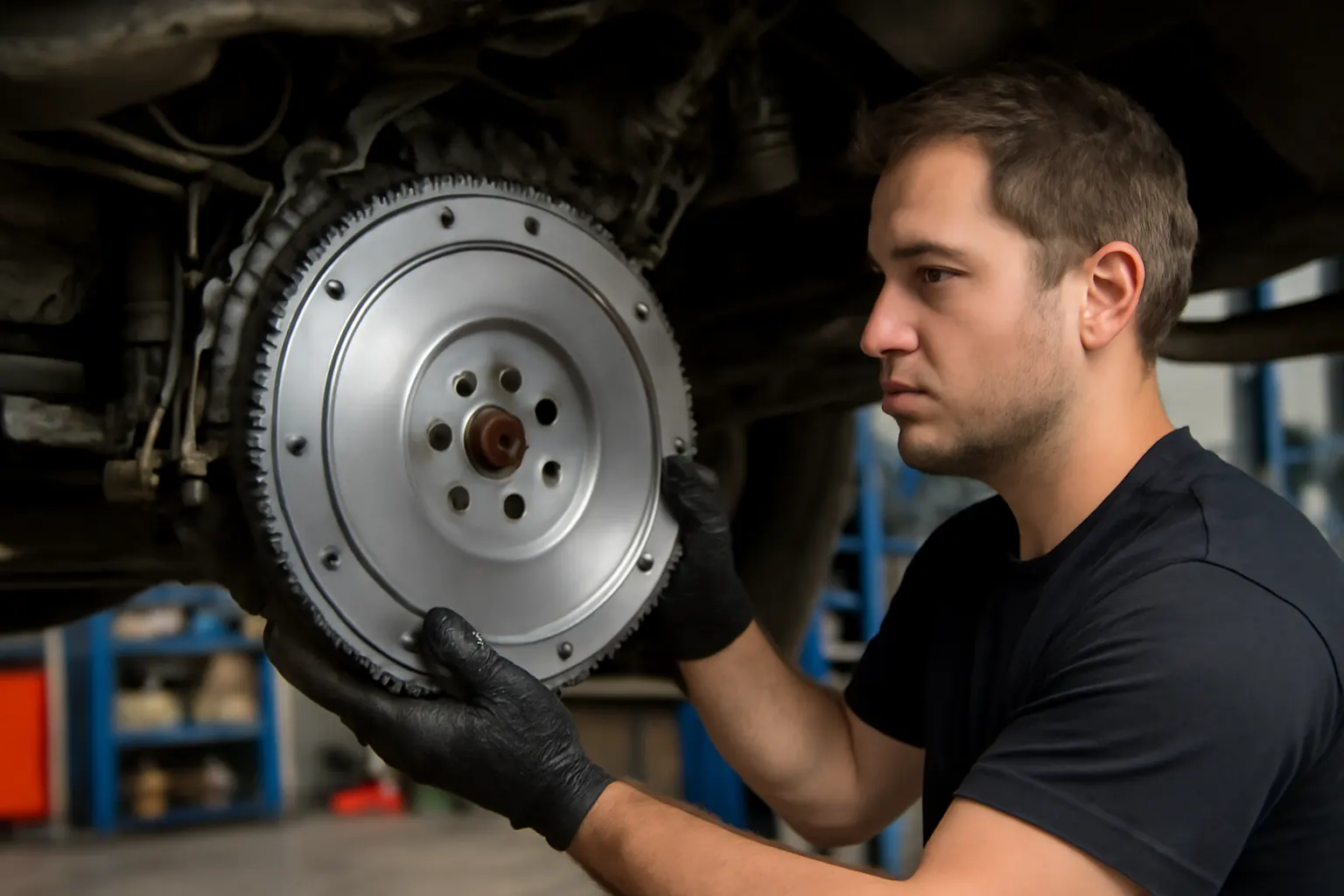
If your vehicle is experiencing clutch chatter, vibration, or slipping, you may be facing a critical decision: should you resurface your flywheel or replace it entirely? This guide delivers immediate, actionable insights on the pros, cons, and technical considerations of flywheel resurfacing versus replacement. Whether you’re a DIY enthusiast or a seasoned technician, understanding the right approach can save you time, money, and ensure peak drivetrain performance.
For comprehensive context on flywheel function, failure modes, and replacement basics, see our Flywheel Function, Failure Modes, and Replacement: The Complete Guide.
The Immediate Answer: Resurfacing vs. Replacement
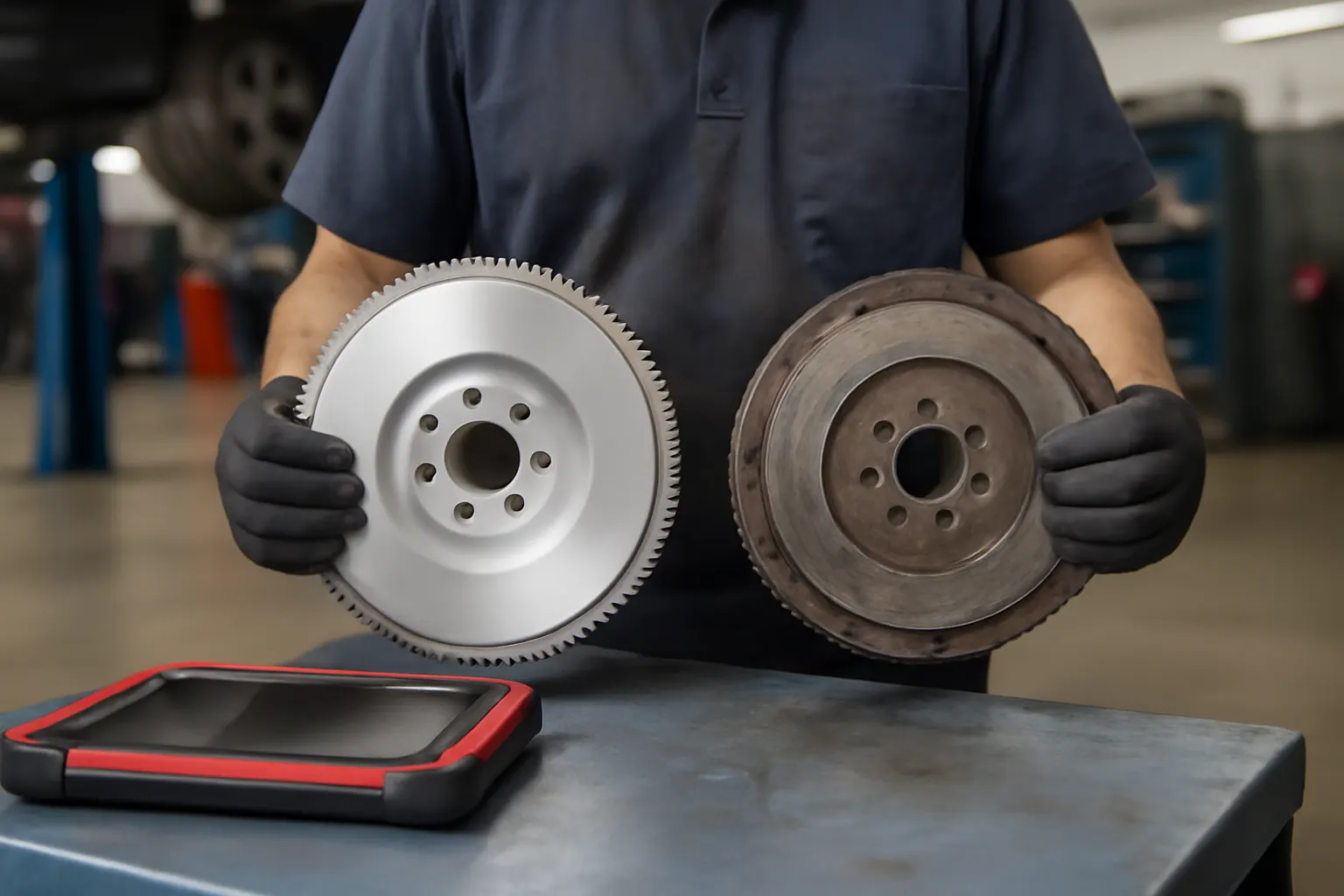
Both resurfacing and replacement are valid solutions for a worn or damaged flywheel, but the best choice depends on the extent of damage, flywheel type (solid or dual-mass), vehicle usage, and long-term reliability goals.
- Resurfacing is cost-effective and suitable for minor wear, heat spots, or glazing on solid flywheels.
- Replacement is essential for severe cracks, warping, excessive wear, or dual-mass flywheels with failed internal mechanisms.
Key Takeaway:
Choose resurfacing for minor, repairable wear on solid flywheels. Opt for replacement when structural integrity is compromised, or with most dual-mass flywheels.
The Hidden Problem: Not All Damage Is Visible
A common misconception is that visual inspection alone determines flywheel serviceability. In reality, subsurface cracks, heat-induced hardening, and internal damage (especially in dual-mass flywheels) can escape detection—leading to premature clutch failure, drivability issues, and even safety concerns if not addressed.
Why This Matters
- Safety: The National Highway Traffic Safety Administration (NHTSA) emphasizes that compromised driveline components can affect vehicle safety and control [^1].
- Performance: Subtle flywheel defects can degrade clutch engagement, increase vibration, and reduce fuel efficiency [^2].
- Cost: Overlooking hidden flywheel damage often results in repeated labor costs and early clutch replacement.
Understanding Flywheel Function and Failure Modes
To make an informed resurfacing vs. replacement decision, it’s essential to understand what the flywheel does and how it fails.
Flywheel Function
- Energy Storage: The flywheel stores rotational energy, smoothing engine pulses and supporting idle stability.
- Clutch Engagement: Provides the friction surface for the clutch disc, enabling smooth engagement and power transfer.
- Starter Engagement: Houses the ring gear for the starter motor.
Common Failure Modes
- Surface Wear: Heat spots, glazing, or scoring from clutch friction material.
- Cracking: Thermal cycling, aggressive driving, or manufacturing defects.
- Warping: Overheating or uneven torque application.
- Material Fatigue: Especially in high-mileage or performance vehicles.
- Internal Failure (Dual-Mass): Springs or damping mechanisms wear out, causing excessive play or noise.
For a deep dive into flywheel operation and failure, see Flywheel Function, Failure Modes, and Replacement: The Complete Guide.
Types of Flywheels: Solid vs. Dual-Mass
The type of flywheel in your vehicle significantly impacts whether resurfacing is an option.
Solid Flywheels
- Construction: Single, solid piece of cast iron or steel.
- Serviceability: Can generally be resurfaced multiple times, provided minimum thickness is maintained.
- Applications: Common in older vehicles, performance builds, and heavy-duty trucks.
Dual-Mass Flywheels (DMF)
- Construction: Two separate masses connected by a series of springs and dampers.
- Serviceability: Resurfacing is rarely recommended due to complex internal mechanisms and strict tolerances.
- Applications: Found in many modern manual transmission vehicles for improved NVH (noise, vibration, harshness) control.
For more on dual-mass flywheels, see Dual-Mass Flywheels: Benefits and Pitfalls.
When Is Flywheel Resurfacing Appropriate?
Resurfacing is a proven, cost-effective solution for certain flywheel conditions.
Ideal Scenarios for Resurfacing
- Minor Heat Spots or Glazing: Caused by routine clutch engagement/disengagement.
- Light Scoring or Grooving: From clutch disc wear.
- No Cracks or Warping: Surface is structurally sound.
- Sufficient Thickness: Meets or exceeds manufacturer’s minimum specification after machining.
Resurfacing Checklist
Before committing to resurfacing, verify all of the following:
- No visible or subsurface cracks (use magnetic particle inspection if available)
- No significant warping (check with dial indicator; max allowable runout is typically less than 0.005 inch)
- Sufficient material above manufacturer’s minimum thickness spec
- No bluing or hard spots that cannot be removed with light machining
- Ring gear teeth are intact (starter engagement)
- Center bore and mounting holes are undamaged
If any criteria are not met, replacement is the safer option.
When Replacement Is the Only Option
Certain conditions demand a new flywheel for safety, performance, and reliability.
Signs That Replacement Is Necessary
- Cracks: Any surface or subsurface cracks, especially radiating from the center or bolt holes.
- Severe Warping: Exceeds allowable runout or causes clutch engagement issues.
- Excessive Surface Wear: Cannot be resurfaced without dropping below minimum thickness.
- Dual-Mass Flywheel Issues: Excessive rotational play, spring rattle, or grease leakage.
- Heat Damage: Bluing, hard spots, or material hardening that cannot be removed.
- Damaged Ring Gear: Missing teeth or significant wear affecting starter engagement.
Why Replacement Matters
- Safety Compliance: NHTSA standards require that all driveline components meet minimum safety and performance specifications [^1].
- Performance Restoration: A new flywheel restores clutch feel, engagement quality, and drivetrain smoothness.
- Long-Term Reliability: Prevents repeated failures and costly rework.
Technical Insights: The Resurfacing Process
Understanding what happens during resurfacing helps you evaluate its effectiveness and risks.
The Machining Process
- Step 1: Flywheel is removed and thoroughly cleaned.
- Step 2: Surface is inspected for cracks, warping, and hard spots.
- Step 3: Machinist mounts flywheel on a precision grinder or lathe.
- Step 4: A thin layer of material (usually 0.010”–0.020”) is removed to restore a flat, uniform friction surface.
- Step 5: Final measurements are taken to ensure thickness and runout are within spec.
Potential Pitfalls
- Loss of Material: Each resurfacing makes the flywheel thinner, potentially affecting heat dissipation and strength.
- Surface Profile: Some flywheels require a specific step or recess for proper clutch operation. Incorrect machining can cause clutch engagement issues.
- Balancing: Removing material can affect rotational balance, especially on performance or lightweight flywheels.
Cost Analysis: Resurfacing vs. Replacement
The decision often comes down to budget, but hidden costs must be considered.
Typical Costs
| Service | Average Cost (USD) | Notes |
|---|---|---|
| Resurfacing | $40 – $100 | Labor and machining included |
| Replacement | $100 – $500+ | Part cost only; labor extra |
| DMF Replacement | $400 – $1,200 | Higher due to complexity and cost |
Additional Considerations
- Labor Overlap: Both options require clutch removal, so labor cost is similar.
- Repeat Labor: Choosing to resurface a marginal flywheel may lead to early failure and doubled labor costs.
- Long-Term Value: A new flywheel may provide longer service life, offsetting higher initial cost.
Diagnosing Flywheel Condition: Practical Steps
Proper diagnosis is critical before deciding on resurfacing or replacement.
Step-by-Step Diagnostic Procedure
- Remove Transmission and Clutch: Gain full access to the flywheel.
- Visual Inspection: Look for cracks, heat spots, scoring, and ring gear damage.
- Check for Warping: Use a dial indicator to measure runout at multiple points.
- Assess Thickness: Measure flywheel thickness with a micrometer and compare to manufacturer specs.
- Test Dual-Mass Play: For DMFs, check for excessive rotational movement or unusual noise.
- Advanced Testing: Use dye penetrant or magnetic particle inspection for hidden cracks.
For more on clutch and flywheel diagnostics, review our Diagnosing Clutch and Flywheel Problems.
Materials Technology: Why It Matters
Flywheel material composition influences wear characteristics, heat dissipation, and machinability.
Common Materials
- Cast Iron: Durable, cost-effective, good heat absorption; standard in most OEM applications.
- Billet Steel: Higher strength, better heat dissipation, used in performance or heavy-duty applications.
- Aluminum (with steel insert): Lightweight, reduces rotational mass for quicker engine response; requires careful machining.
The United States Department of Energy highlights that advanced materials can improve vehicle performance and longevity, but may require specialized resurfacing or replacement techniques [^3].
Installation and Break-In: Avoiding Repeat Failures
Whether resurfacing or replacing, correct installation and break-in procedures are vital for flywheel and clutch longevity.
Installation Checklist
- Clean all mating surfaces thoroughly (no oil, grease, or debris)
- Torque flywheel bolts to manufacturer specification in a star pattern
- Replace flywheel bolts if specified (many are torque-to-yield)
- Use thread locker as required
- Inspect and replace pilot bearing/bushing if necessary
- Align clutch disc and pressure plate precisely
- Verify starter ring gear engagement
Break-In Procedure
- Gentle Driving: Avoid aggressive launches or heavy loads for the first 500-1,000 miles.
- Monitor for Vibration: Any unusual noise or vibration may indicate installation error or component defect.
Maintenance and Longevity Tips
Proactive maintenance can extend the life of your flywheel and clutch assembly.
Best Practices
- Address Leaks Promptly: Oil or hydraulic fluid leaks can contaminate the flywheel surface.
- Avoid Riding the Clutch: Reduces unnecessary heat and wear.
- Inspect During Clutch Service: Always assess flywheel condition when replacing the clutch.
- Use Quality Parts: Invest in OEM or premium aftermarket flywheels and clutch kits.
Sourcing the Right Flywheel: Fitment and Quality
Selecting the correct replacement or resurfacing service requires attention to detail.
Sourcing Checklist
- Verify part number and compatibility by VIN, year, make, model, and engine
- Choose reputable brands or OEM suppliers
- For performance builds, consider lightweight or billet steel options
- Ensure resurfacing shop has experience with your flywheel type and material
- Request balancing if required, especially for high-RPM applications
For quality parts, browse the Flywheel Function, Failure Modes, and Replacement: The Complete Guide category and associated product listings.
Common Pitfalls and How to Avoid Them
Mistakes in flywheel servicing can be costly and dangerous.
Avoid These Errors
- Resurfacing a Cracked or Warped Flywheel: Leads to rapid clutch failure.
- Incorrect Machining: Alters surface profile or balance, causing engagement issues.
- Ignoring Dual-Mass Flywheel Wear: Attempting to resurface a worn DMF can cause catastrophic failure.
- Improper Installation: Under- or over-torqued bolts, contamination, or misalignment can damage the new or resurfaced flywheel.
AutoPartEx Expert Action: Your Next Steps
If you’re facing the resurfacing vs. replacement decision, follow these expert steps:
- Diagnose Thoroughly: Use both visual and precision tools to assess flywheel condition.
- Match Solution to Damage: Minor surface issues = resurface; structural or internal damage = replace.
- Choose Quality: Opt for reputable shops for resurfacing and trusted brands for replacements.
- Follow Best Practices: Meticulous installation and break-in are non-negotiable for long-term reliability.
- Consult the Experts: The AutoPartEx Technical Editorial Team is dedicated to helping you source, diagnose, and maintain flywheels for any application.
For additional insights on performance upgrades, see Performance Flywheels: Are They Right for Your Build?.
Conclusion
Flywheel resurfacing and replacement are both essential options in the automotive technician’s toolkit. The right choice depends on accurate diagnosis, understanding of flywheel type, and adherence to safety and performance standards. Taking shortcuts or making uninformed decisions can lead to repeat failures, increased costs, and compromised safety.
For more information on sourcing, diagnostics, and step-by-step guides, visit the Flywheel Function, Failure Modes, and Replacement: The Complete Guide or contact the AutoPartEx team for personalized assistance.