OEM vs. Aftermarket Heater Motors: Which Is Right for Your Vehicle?
Choosing between an OEM (Original Equipment Manufacturer) and an aftermarket heater motor is a pivotal decision for any vehicle owner or technician seeking reliable HVAC performance, value, and longevity. The right choice impacts your vehicle’s cabin comfort, HVAC efficiency, and even long-term operating costs. In this comprehensive guide, we break down the key differences, performance factors, and practical considerations to help you make the most informed decision for your next heater motor replacement.
If you’re seeking a broader foundation on heater motor operation and performance, start with our Heater Motor Technical Guide: Maximizing HVAC Performance and Reliability. For those ready to compare OEM and aftermarket options directly, read on for the critical facts, pitfalls, and expert strategies that can save you time, money, and headaches.
Immediate Answer: The Core Differences Between OEM and Aftermarket Heater Motors
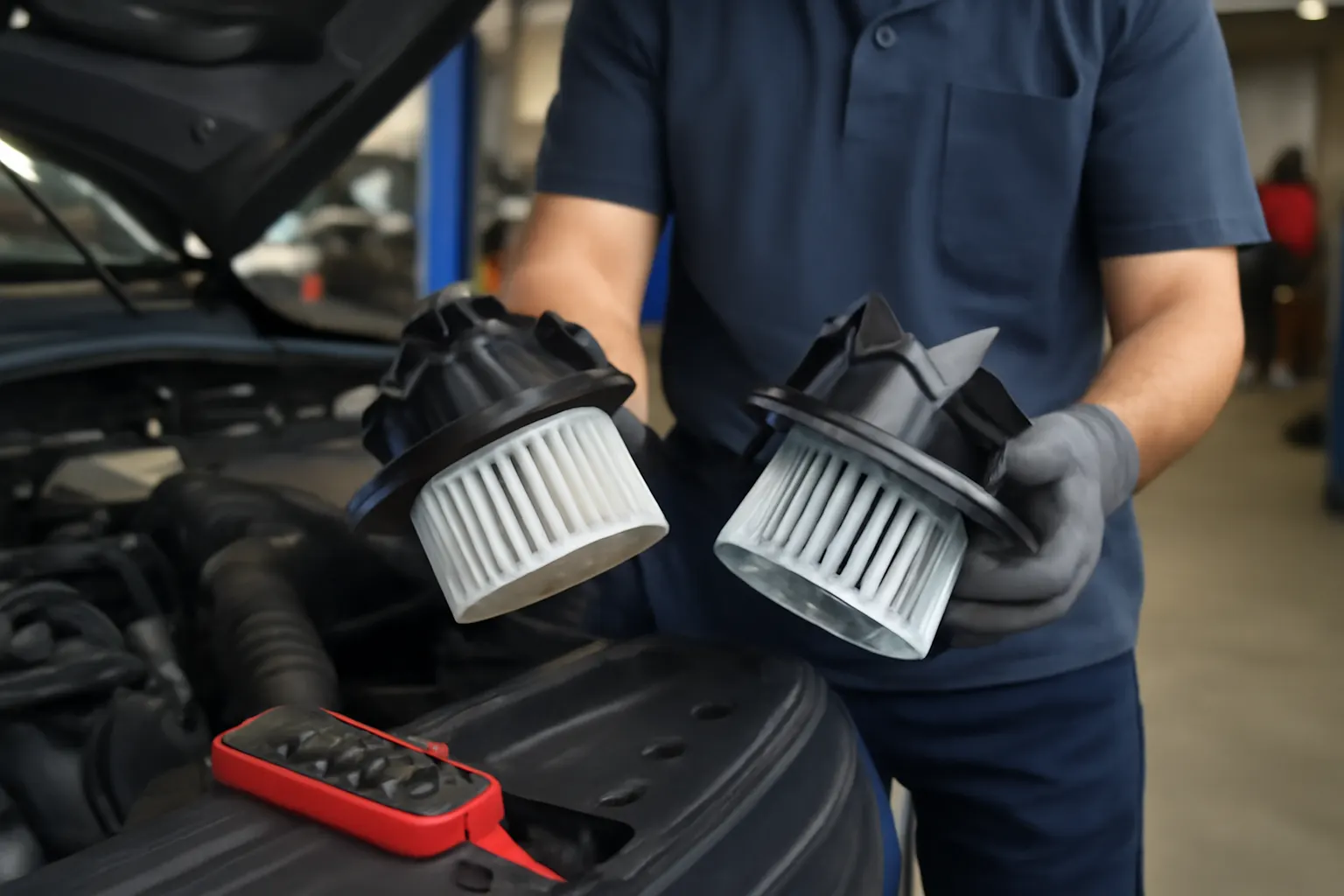
When it comes to heater motors, OEM parts are manufactured to the exact specifications of your vehicle’s original design. They are typically sourced from the same suppliers as the automaker and guarantee a direct fit, matching performance, and compliance with all safety and emissions regulations. Aftermarket heater motors, in contrast, are produced by third-party companies and can range from direct replacements to performance upgrades or cost-focused alternatives.
Key distinctions:
- OEM Heater Motors: Precise fit, reliable performance, and often higher cost.
- Aftermarket Heater Motors: Wider range of prices and quality, potential for enhanced features or cost savings, but variable fitment and durability.
For critical components like heater motors—responsible for the flow of warm air, defrosting, and overall HVAC function—the decision isn’t just about price. It’s about balancing performance, reliability, and value over the life of your vehicle.
The Hidden Problem: Not All Heater Motors Are Created Equal
Many vehicle owners assume that any replacement heater motor will restore full HVAC function. However, the reality is more complex. Differences in materials, manufacturing tolerances, and even electrical compatibility can lead to problems such as weak airflow, noisy operation, premature failure, or even safety issues if the part does not meet regulatory standards.
Common issues with poorly matched heater motors:
- Sub-optimal airflow, leading to insufficient cabin heating or windshield defogging.
- Increased electrical draw, which can stress your vehicle’s charging system.
- Incompatibility with advanced climate control modules or variable speed controls.
- Unexpected noise, vibration, or fitment problems during installation.
These issues are not always immediately apparent, but can undermine your vehicle’s comfort, safety, and even resale value.
Deeper Technical Explanation: What Sets OEM and Aftermarket Heater Motors Apart
Materials and Manufacturing Standards
OEM heater motors are built using materials and designs specified by the original vehicle manufacturer, often adhering to rigorous industry standards such as those set by SAE International. These standards govern everything from the motor’s winding insulation to its bearing design and airflow characteristics.
Aftermarket heater motors, meanwhile, may use alternative materials or processes to reduce costs or offer additional features. While some reputable aftermarket brands meet or exceed OEM standards, others may cut corners—using lower-grade plastics, less robust bearings, or simplified electrical connectors.
Reference: The United States Department of Energy highlights how advanced materials impact vehicle performance and part longevity.
Performance and Efficiency
The efficiency of a heater motor affects more than just warm air output—it can influence your vehicle’s overall energy consumption, especially in hybrid and electric vehicles where accessory loads impact range. OEM motors are generally tested for optimal airflow and low power draw. Some aftermarket options, particularly those not tailored to your vehicle, may draw more current or deliver less airflow, impacting both comfort and efficiency.
Reference: Fuel Efficiency considerations are increasingly important in modern vehicle design.
Safety and Regulatory Compliance
OEM heater motors are designed and tested to comply with safety standards set by agencies such as the National Highway Traffic Safety Administration (NHTSA). This includes electrical safety, fire resistance, and reliability over the expected lifespan. Aftermarket parts may or may not be certified to the same degree, depending on the manufacturer and market.
Solution Path: How to Choose the Right Heater Motor for Your Vehicle
Step 1: Identify Your HVAC System Type
Before sourcing a replacement motor, confirm the specifics of your HVAC system:
- Is your system manual or electronically controlled?
- Does it use variable-speed fans or climate control modules?
- Are there manufacturer-specific connectors or mounting features?
Consult your owner’s manual or the Heater Motor Technical Guide for detailed diagrams and specifications.
Step 2: Evaluate OEM vs. Aftermarket Options
OEM Advantages:
- Guaranteed fit and performance
- Compliance with all safety and emissions standards
- Typically quieter and longer-lasting
Aftermarket Advantages:
- Broader price range—potential for savings
- Availability of performance upgrades (e.g., higher airflow, quieter operation)
- Readily available for older or less common vehicles
Step 3: Assess Quality and Reputation
Not all aftermarket brands are created equal. Look for:
- Certifications (e.g., ISO, SAE compliance)
- Positive reviews from professional technicians
- Proven track record with your specific vehicle make/model
Step 4: Consider Installation and Integration
Some heater motors require adaptation kits or wiring modifications, especially with aftermarket parts. Factor in the cost and complexity of installation—sometimes, the savings from a cheaper motor can be offset by extra labor or the need for return/exchange due to poor fitment.
Performance and Durability: What the Evidence Shows
OEM Heater Motors
OEM motors are engineered to last the typical lifespan of your vehicle’s HVAC system, often 8–12 years or more under normal use. They are extensively tested for:
- Thermal cycling: Withstanding repeated heating/cooling cycles
- Electrical endurance: Handling voltage fluctuations and long run times
- Noise/vibration: Meeting strict NVH (Noise, Vibration, Harshness) requirements
Aftermarket Heater Motors
The durability of aftermarket motors varies widely. Premium aftermarket brands may match or exceed OEM lifespans and even offer improved airflow or quieter operation. Lower-cost options, however, may use less robust bearings or insulation, leading to premature failure after only a few seasons.
Expert tip: Always check the warranty terms and independent reviews before purchase.
Value Analysis: Is the Cost Savings Worth It?
Upfront Cost Comparison
- OEM Heater Motors: Typically 20–60% more expensive than aftermarket equivalents.
- Aftermarket Heater Motors: Can offer significant savings, especially for older vehicles or less common models.
Total Cost of Ownership
Factor in:
- Longevity: Cheaper motors may require more frequent replacement.
- Labor: Poor fitment can increase labor costs.
- Potential Risks: Non-compliant parts may risk vehicle safety, especially in severe weather.
Checklist: Total Cost Evaluation
- Price of part (OEM vs. aftermarket)
- Estimated labor time (hours and hourly rate)
- Warranty coverage (length and terms)
- Expected lifespan (based on reviews and technical specs)
- Risk of fitment or integration issues
Fitment and Compatibility: Avoiding Costly Mistakes
The Importance of Direct Fit
Heater motors are not universal. Even within a single vehicle model, variations by year, trim, or climate package can affect compatibility. OEM motors are matched by part number, while aftermarket options may require careful cross-referencing.
Fitment pitfalls:
- Incorrect mounting holes or bracket orientation
- Electrical connectors that do not match
- Differences in fan wheel diameter or blade pitch
Integration with Modern Climate Systems
Many newer vehicles use variable-speed fans controlled by electronic modules. Some aftermarket motors may not support these features, causing issues such as:
- Single-speed operation
- Malfunctioning automatic climate control
- Error codes or warning lights
See our guide on Integrating New Heater Motors with Modern Climate Control Systems for in-depth technical advice.
Diagnostic Checklist: Is Your Heater Motor the Culprit?
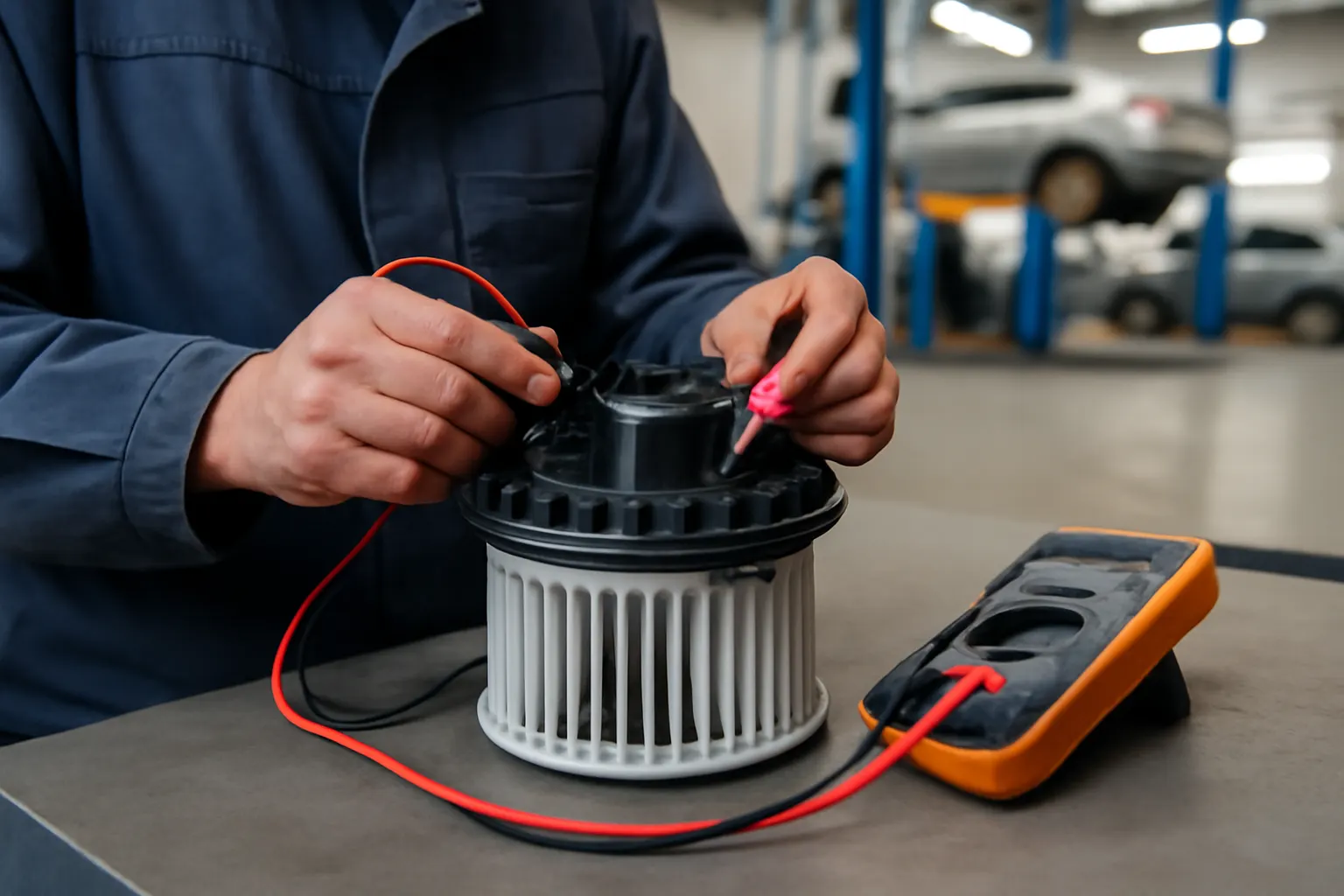
Before replacing your heater motor, confirm that it is the root cause of your HVAC issues. Use this step-by-step diagnostic checklist:
Heater Motor Diagnostic Checklist
- Inspect fuse and relay for the blower circuit
- Test for voltage at the blower motor connector with HVAC controls on
- Listen for abnormal noises (squealing, grinding, or rattling)
- Check for weak or intermittent airflow at all fan speeds
- Inspect the blower resistor or control module (common failure point)
- Confirm that the motor spins freely by hand (with power disconnected)
- Scan for HVAC-related diagnostic trouble codes (DTCs)
If you identify weak airflow or inconsistent operation, consult our in-depth guide: Diagnosing Weak HVAC Airflow: Heater Motor Edition.
Installation Guidance: Key Steps and Common Pitfalls
Preparation
- Disconnect the vehicle battery before beginning work.
- Remove necessary dash panels or glove box for access.
- Photograph wiring and mounting orientation for reference.
Removal
- Carefully disconnect the electrical connector.
- Remove mounting screws or fasteners (keep them organized).
- Gently extract the old heater motor, taking care not to damage the fan wheel.
Installation
- Compare the new motor side-by-side with the original.
- Transfer the fan wheel if required (some motors are sold without it).
- Ensure all mounting points and connectors align properly.
- Reconnect wiring, reinstall panels, and test all fan speeds before final reassembly.
Common mistakes to avoid:
- Forcing connectors or mounting tabs
- Ignoring slight differences in fan wheel diameter or blade angle
- Failing to test operation before reassembling the dash
Maintenance and Longevity: Maximizing Heater Motor Service Life
Once your new heater motor is installed, proper maintenance can extend its lifespan:
- Regularly replace cabin air filters to prevent dust buildup on the fan wheel and motor.
- Inspect for debris (leaves, twigs) in the air intake or blower housing.
- Listen for early signs of bearing wear (chirping or grinding sounds).
- Avoid running the fan at maximum speed continuously—use lower speeds when possible to reduce wear.
If you notice any warning signs, refer to When to Replace Your Heater Motor: Warning Signs and Solutions for actionable repair strategies.
Sourcing the Best Heater Motor: Practical Buying Guidance
Where to Buy
- Dealerships: Source for OEM parts, often at premium prices.
- Reputable online retailers: Many offer both OEM and high-quality aftermarket options, often with detailed fitment guides.
- Local auto parts stores: Convenient, but selection may be limited for less common vehicles.
What to Look For
- Clear labeling: OEM part number or confirmed cross-reference.
- Warranty: At least 1-year coverage is standard for quality parts.
- Return policy: Essential if fitment issues arise.
- Customer reviews: Look for feedback from owners of the same vehicle make/model.
The Role of Heater Motor Quality in Vehicle Safety and Comfort
A reliable heater motor is not just about comfort—it plays a crucial role in safety as well. Effective windshield defrosting and cabin heating are essential for visibility and driver alertness in cold or humid conditions. The NHTSA emphasizes that replacement parts affecting vehicle safety equipment must meet federal standards.
Poorly performing or unreliable heater motors can compromise your ability to drive safely in adverse weather, making quality and fitment paramount considerations.
AutoPartEx Positioning: Your Source for Informed, Reliable HVAC Solutions
At AutoPartEx, we understand that the right heater motor is a critical component of your vehicle’s HVAC system and overall reliability. Our technical guides, product listings, and fitment resources are designed to empower you with the knowledge and confidence to choose the best solution—whether you opt for OEM precision or a vetted aftermarket upgrade.
Explore our Heater Motor Technical Guide: Maximizing HVAC Performance and Reliability for more technical insights, or browse our curated parts catalog for trusted brands and verified fitment.
Expert Action: Making the Final Decision
For most late-model vehicles and critical applications:
Choose an OEM heater motor or a premium aftermarket brand with proven compatibility and positive technician reviews. This ensures optimal fitment, performance, and safety.
For older vehicles or budget-focused repairs:
A reputable aftermarket heater motor can offer excellent value—just be diligent in verifying compatibility, warranty, and customer feedback.
Always:
- Use a diagnostic checklist before replacing your heater motor.
- Prioritize fitment and quality over the lowest price.
- Consult professional resources or a trusted technician if in doubt.
A well-chosen heater motor restores your vehicle’s comfort, safety, and HVAC efficiency—protecting your investment for years to come.