How to Identify Genuine Brockway Parts
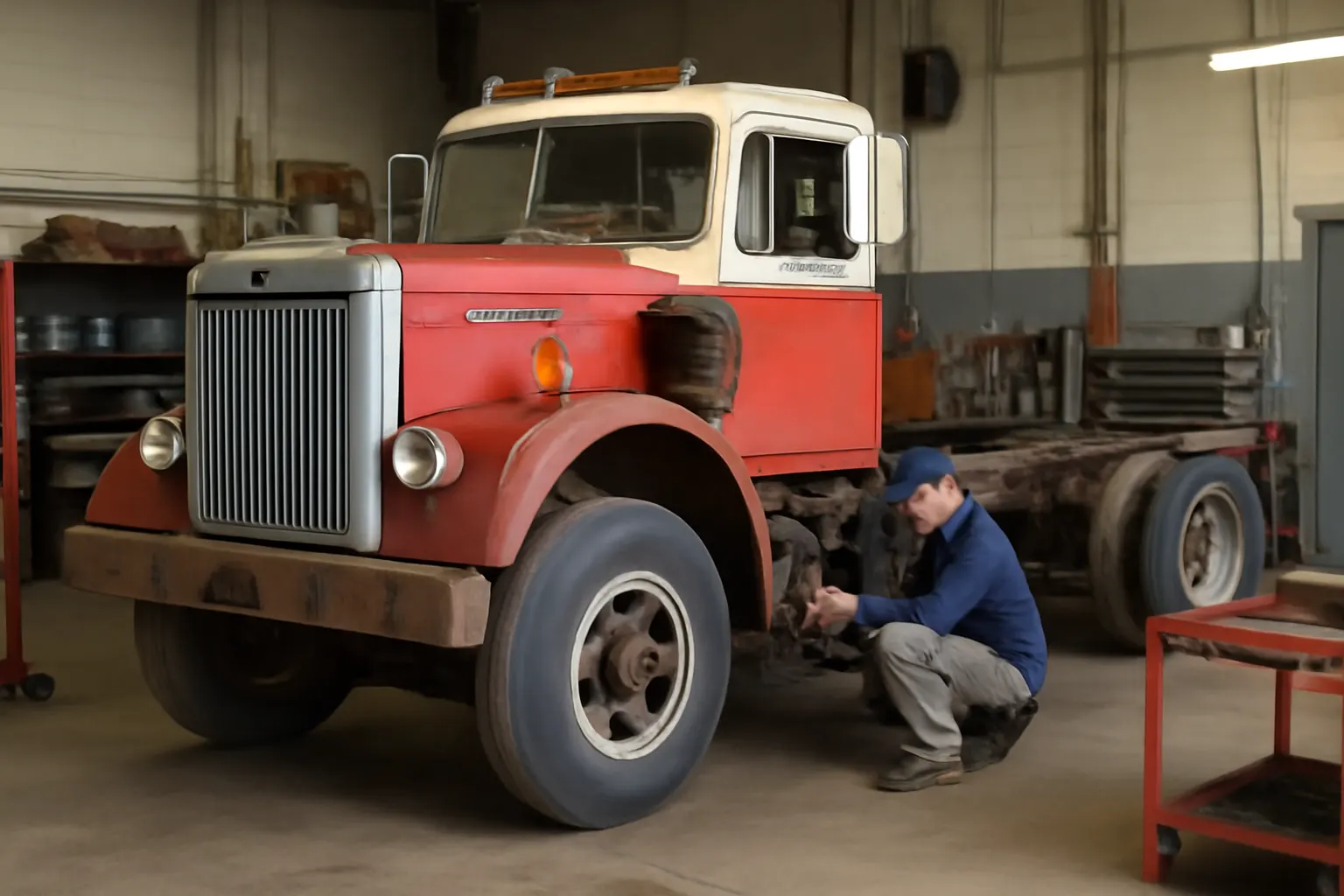
When restoring or maintaining a classic Brockway truck, the authenticity of replacement parts is more than a matter of pride—it's a question of safety, performance, and long-term value. The market for vintage heavy-duty truck components is filled with reproduction, remanufactured, and even counterfeit parts. This makes it essential for Brockway owners, restorers, and collectors to know how to reliably identify genuine Brockway parts. In this comprehensive guide, we’ll walk through practical authenticity methods, stamping locations, provenance checks, and the technical background you need to ensure your Brockway remains true to its heritage.
For those seeking a deeper dive into Brockway’s engineering legacy and sourcing strategies, visit the Brockway Truck Parts: Heritage, Engineering, and Sourcing Guide.
Immediate Answer: Key Steps to Spotting Genuine Brockway Parts
The fastest way to identify a genuine Brockway part is to inspect:
- Original manufacturer’s stamping or casting codes—typically located in predictable spots on the part.
- Material quality and finish—real Brockway parts use period-correct metals and manufacturing techniques.
- Provenance and documentation—original parts often come with supporting paperwork or can be traced to a known source.
A quick reference checklist:
| Step | What to Look For | Where to Check |
|---|---|---|
| Stamping/Casting Codes | Brockway logo, part numbers, SAE marks | Flanges, brackets, housings |
| Material & Finish | Correct alloy, period machining, paint | Surfaces, edges, fasteners |
| Documentation | OEM packaging, invoices, historical records | Seller, club, archives |
| Fitment & Weight | Exact fit, correct weight for the part | Installation test, scale |
| Provenance | Sourced from known Brockway supplier | Vendor, previous owner |
Let’s dig into why these steps are crucial—and where many restorers get tripped up.
The Hidden Problem: The Challenge of Brockway Authenticity
While Brockway trucks are celebrated for their robust construction and distinctive styling, the company’s closure in 1977 means original parts are finite and increasingly rare. Compounding the issue, Brockway sourced components from major OEMs like Cummins, Fuller, and Rockwell, making it harder to distinguish what’s truly Brockway-specific versus a generic heavy-duty truck part.
The vintage truck market has responded with a proliferation of reproduction components—some faithfully recreated, others less so. There are also remanufactured or “NOS” (new old stock) parts whose authenticity may be difficult to verify. Mistaking a reproduction for an original can affect restoration fidelity, resale value, and even safety, especially if the part is structural or critical to vehicle function.
Problem Expansion: Why Authenticity Matters for Brockway Restoration
Preservation of Historical Value
Brockway trucks hold a unique position in American trucking history. Using genuine parts preserves their historical integrity, which is vital for collectors and museums. Non-original components can undermine the authenticity of a restoration and diminish its appeal to enthusiasts and judges at vintage truck shows.
Safety and Performance
According to the National Highway Traffic Safety Administration, the use of non-genuine or substandard parts can compromise vehicle safety and reliability. Brockway’s engineering standards were rigorous, and deviations in material quality or fitment can impact everything from brake performance to structural strength.
Compliance and Documentation
For those seeking to document their restoration for insurance or resale purposes, proof of genuine parts is often required. This is particularly important for high-value trucks or those entered in judged competitions.
Understanding Brockway Part Stamping and Coding
Where to Find Stamping and Casting Codes
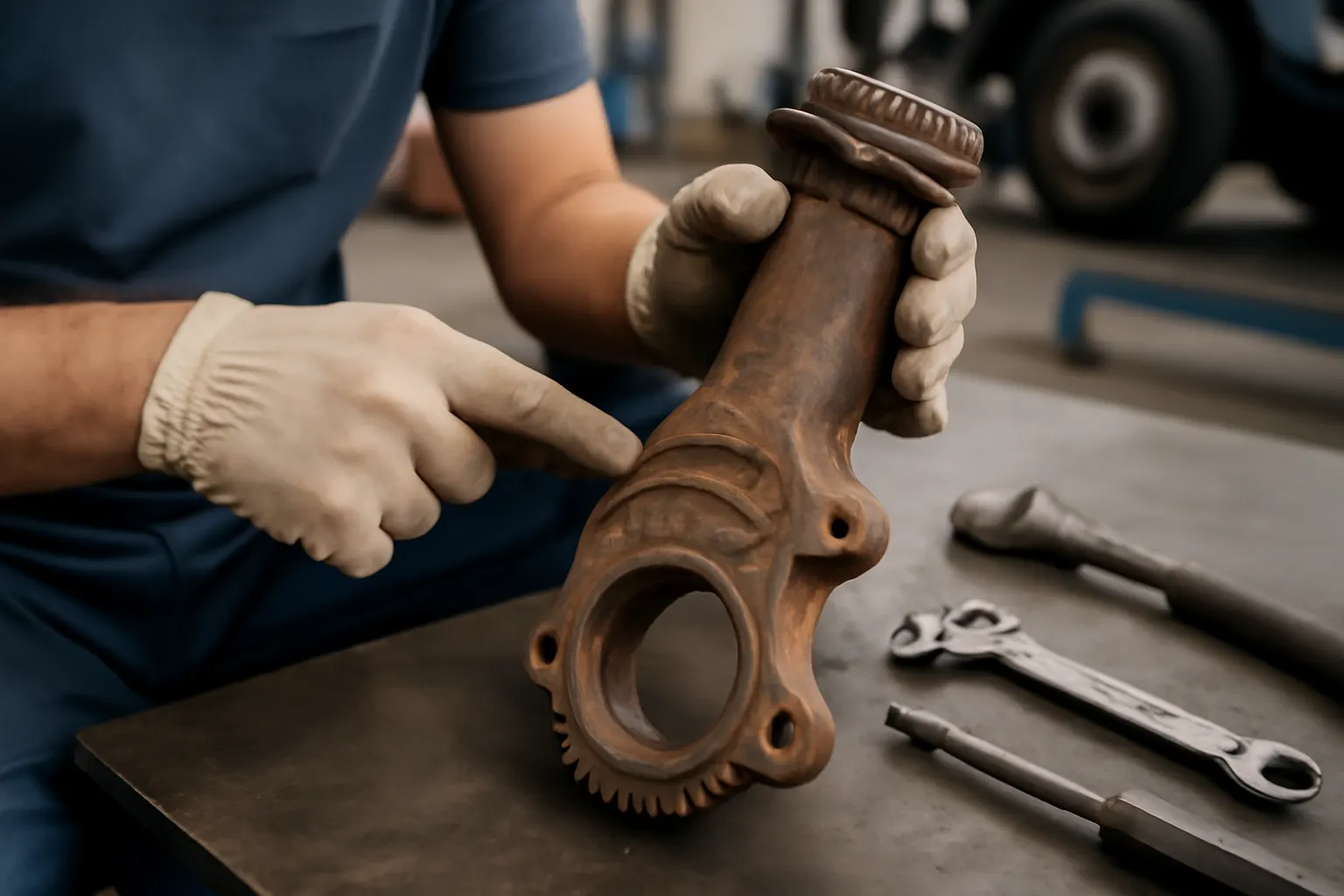
Genuine Brockway parts are typically marked with:
- The Brockway “dog” logo or full script
- Part numbers (often alphanumeric, e.g., “B-xxxx”)
- SAE compliance marks, indicating adherence to SAE International standards
Common stamping locations include:
- Frame rails: On the inner flange, near the front spring hanger
- Axle housings: On the center section or flange
- Engine and transmission mounts: On cast brackets or mounting bosses
- Body panels: Inside the door skins, hood supports, or fender braces
Decoding the Marks
Brockway part numbers can often be cross-referenced with period parts catalogs or club archives. SAE marks (e.g., “SAE J1234”) indicate compliance with period-correct engineering specifications, a strong sign of authenticity.
Keep in mind that some major assemblies (engines, transmissions) may carry the OEM’s code (e.g., Cummins, Fuller) rather than Brockway’s, but peripheral brackets, mounts, and body hardware are often Brockway-specific.
Material Quality: Distinguishing Genuine from Reproduction
Alloy and Machining Differences
Original Brockway parts were manufactured to strict standards, using specific steel, cast iron, or aluminum alloys. The United States Department of Energy notes that period-correct alloys can be differentiated by:
- Weight: Originals may be heavier due to denser alloys
- Surface finish: Period machining marks, casting texture, or paint finish
- Patina: Natural aging, oxidation, or paint wear consistent with age
Reproduction parts may use modern alloys or manufacturing shortcuts, resulting in lighter weight, smoother or inconsistent finishes, and a lack of period-correct patina.
Testing Techniques
Use a magnet to check for steel content where applicable, or a digital scale to compare part weight to known originals. For high-value parts, non-destructive material analysis (e.g., XRF gun) can be performed by specialty shops.
Provenance Checks: Tracing a Part’s History
Documentation and Paper Trail
The most reliable way to confirm a part’s authenticity is through documentation:
- Original Brockway invoices or packaging
- Dealer or supplier records
- Photographic evidence of the part on a period truck
Truck clubs, such as the Brockway Truck Preservation Association, and recognized Brockway parts vendors may offer provenance certificates for especially rare components.
Seller Reputation
Buying from established suppliers with a reputation for authenticity, such as those linked in our Brockway OEM Sourcing guide, increases your odds of obtaining genuine parts. Be wary of online auctions or private sellers who cannot provide provenance.
Fitment and Functional Testing
Physical Fitment
Genuine Brockway parts are engineered for exact fit. Test-fit the component on your truck before final installation:
- Alignment: Bolt holes, brackets, and mating surfaces should align perfectly
- Clearances: No need for modification or “massaging” to fit
- Hardware compatibility: Original fasteners should install without issue
Functional Verification
For moving or load-bearing parts (e.g., suspension, steering), test the component’s operation before road use. If possible, compare with a known original or consult a Brockway specialist.
Common Brockway Stamping and Identification Checklist
Below is a checklist to guide your inspection of vintage Brockway parts:
| Item | Genuine Part Indicator | Red Flags |
|---|---|---|
| Stamping/Casting | Brockway logo, alphanumeric code, SAE mark | Blank, generic, or misspelled |
| Material/Weight | Heavy, correct alloy, period machining | Light, rough, modern finish |
| Paint/Patina | Original paint, aged but intact, period correct | Fresh paint, inconsistent color |
| Documentation | Original invoice, packaging, provenance cert. | No paperwork, vague origin |
| Seller Reputation | Known vendor, club member, restoration shop | New seller, poor reviews |
| Fitment | Bolts up cleanly, matches original dimensions | Requires modification, gaps |
| Function | Operates smoothly, passes basic test | Stiff, binding, or loose |
| SAE Compliance | SAE mark (e.g., J1234), matches catalog | No compliance, unlisted |
Cross-Referencing Brockway Parts with SAE and OEM Standards
Why SAE Compliance Matters
The SAE International standards governed much of the engineering behind Brockway’s heavy-duty components. Parts marked with SAE codes indicate adherence to period-correct design, material, and safety requirements.
OEM Sourcing Considerations
Some Brockway parts—especially engines, transmissions, and axles—were sourced from major OEMs. These components will carry the OEM’s branding and part numbers, but Brockway often added its own brackets, mounts, and hardware. Cross-referencing both Brockway and OEM part numbers against period catalogs is essential for accurate identification.
For more on OEM sourcing, see our Brockway OEM Sourcing guide.
Avoiding Common Pitfalls: Counterfeits, Reproductions, and NOS Confusion
Counterfeit and “Restamped” Parts
Some unscrupulous sellers attempt to pass off generic or reproduction parts as originals by adding fake Brockway markings. Look for:
- Inconsistent font or logo style
- Incorrect or non-period part numbers
- Suspiciously fresh or uneven stampings
If in doubt, compare with high-resolution photos of known originals or consult a Brockway expert.
Reproduction vs. NOS
“New Old Stock” (NOS) refers to original parts manufactured during Brockway’s production years but never installed. Reproductions are modern recreations made to original specs. While some high-quality reproductions are acceptable for daily drivers, only NOS or verified originals are considered “genuine” for concours-level restorations.
Sourcing Genuine Brockway Parts: Where and How
Trusted Vendors and Clubs
The best sources for authentic Brockway parts are:
- Vintage truck clubs—such as the Brockway Truck Preservation Association
- Established parts vendors—with a track record of supplying original or NOS parts
- Reputable restoration shops—who may have access to private inventories
Always request documentation, photos, and references before purchasing high-value components.
Swap Meets and Auctions
Truck shows, swap meets, and specialty auctions can yield rare finds, but due diligence is required. Bring reference photos, catalogs, and a checklist to inspect parts in person.
Installation Guidance: Ensuring Proper Fit and Safety
Pre-Installation Checklist
Before installing any Brockway component, ensure:
- The part matches the original in dimension, weight, and finish
- All mounting surfaces are clean and free of corrosion
- Original hardware is reused or replaced with period-correct fasteners
Post-Installation Testing
After installation:
- Inspect for proper alignment and torque all fasteners to spec
- Test moving parts for smooth operation
- Check for leaks, binding, or abnormal noises during initial operation
Following these steps not only ensures authenticity but also compliance with modern vehicle safety and equipment standards.
Maintenance and Preservation of Authentic Brockway Parts
Routine Care
Genuine Brockway components, especially those exposed to the elements, require regular inspection and maintenance:
- Lubricate moving parts according to period service manuals
- Inspect for corrosion and address rust promptly
- Touch up paint using original color codes to preserve appearance and prevent decay
Storage Tips
For parts not immediately installed:
- Store in a dry, climate-controlled environment
- Keep original packaging and documentation with the part
- Photograph and catalog each item for future reference and provenance
Documentation and Cataloging for Future Value
Keeping Detailed Records
Maintain a binder or digital archive with:
- Photos of each part (before, during, and after installation)
- Copies of invoices, provenance certificates, and club correspondence
- Notes on fitment, modifications, and service history
This documentation is invaluable for future owners, appraisers, or judges at shows.
Registering with Brockway Clubs
Many Brockway clubs maintain registries of surviving trucks and parts. Registering your components can help trace provenance and aid others in the community.
Advanced Techniques: Material Analysis and Expert Authentication
Non-Destructive Testing
For especially rare or high-value parts, consider:
- X-ray fluorescence (XRF) analysis to verify alloy composition
- Ultrasonic thickness testing for structural components
- Professional authentication by a Brockway historian or restoration expert
These techniques are especially useful for frame rails, axle housings, and other critical components.
The AutoPartEx Advantage: Your Partner in Brockway Authenticity
AutoPartEx is committed to supporting the Brockway restoration community with authoritative sourcing guides, technical documentation, and a curated network of trusted vendors. Our editorial team draws on industry standards, such as SAE International, and government safety resources to ensure you have the most reliable information. Whether you’re sourcing a rare bracket or embarking on a full restoration, our platform and partners can help you identify, source, and authenticate the parts that keep Brockway’s legacy rolling.
For further reading and restoration strategies, see our Brockway Truck Restoration Guide and Restoration Case Study: Brockway Model 361.
Conclusion: Restoring Brockway Heritage with Confidence
Identifying genuine Brockway parts is both an art and a science, requiring a keen eye for detail, technical understanding, and a commitment to historical accuracy. By following the methods outlined above—inspecting stampings, verifying material quality, tracing provenance, and leveraging expert resources—you can ensure your Brockway restoration stands the test of time and scrutiny.
AutoPartEx is here to help you navigate the complexities of vintage heavy-duty truck restoration, offering tools, guidance, and connections to keep your project on track. For more on Brockway engineering and sourcing, visit the Brockway Truck Parts: Heritage, Engineering, and Sourcing Guide.