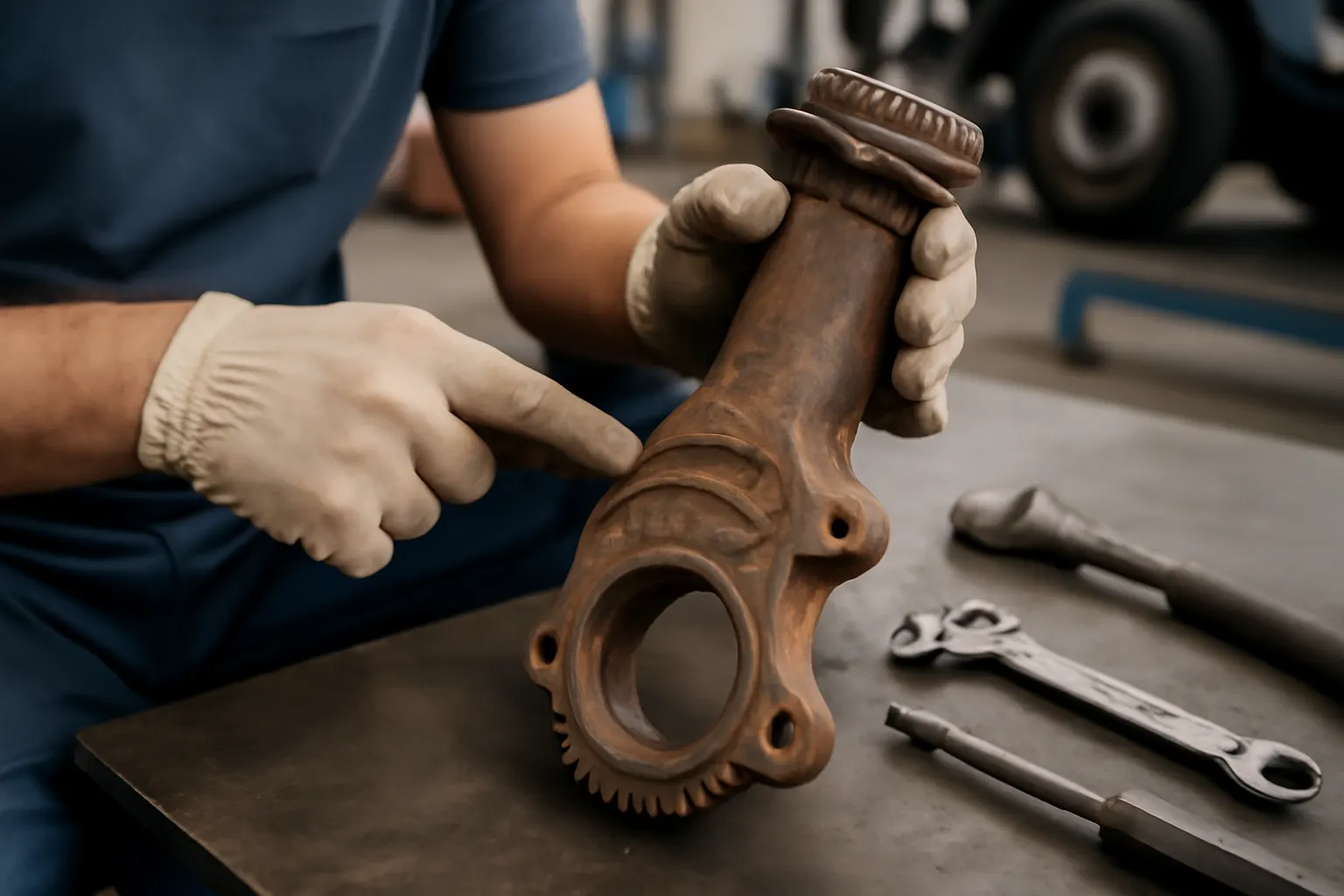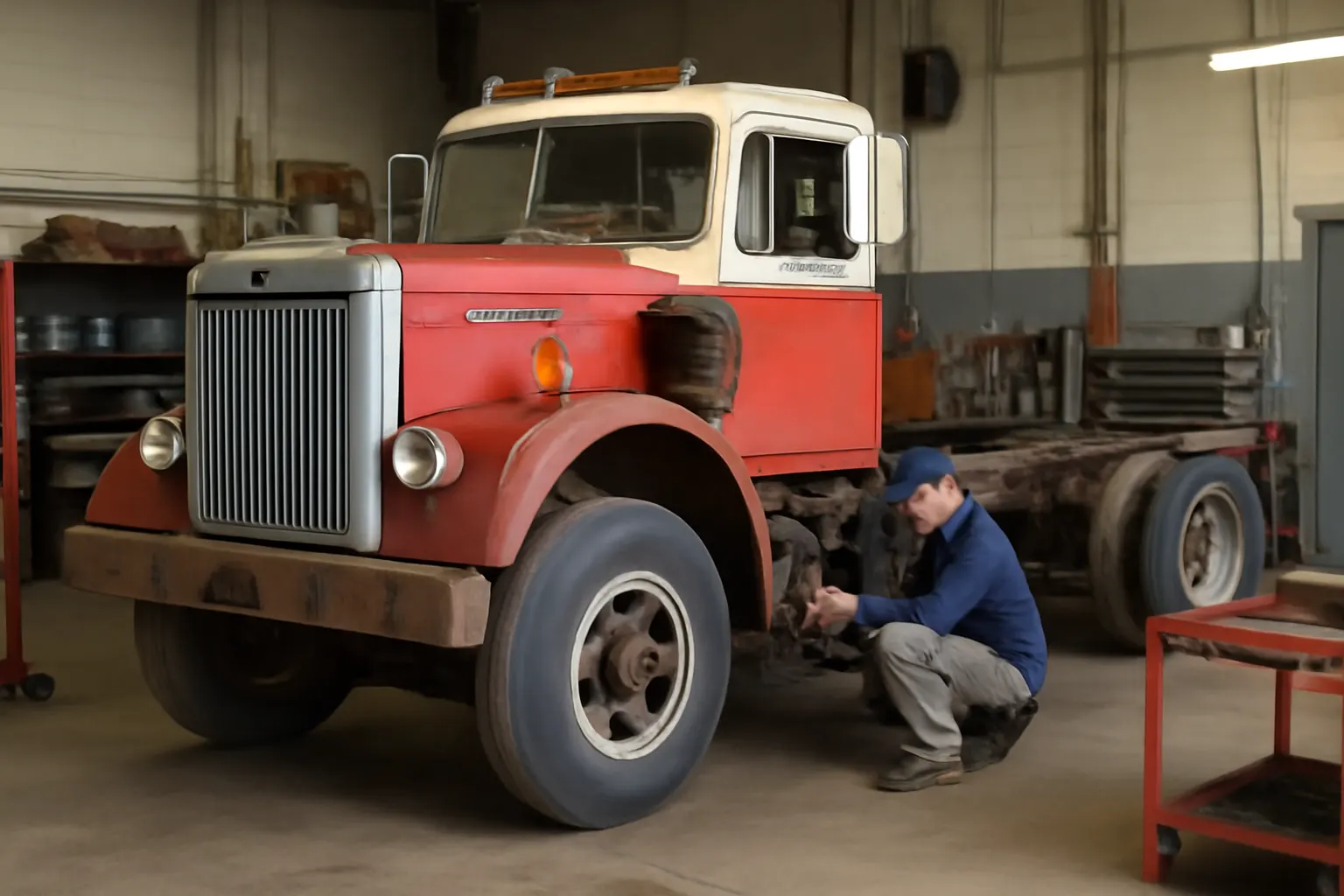
Restoration Case Study: Brockway Model 361
Restoring a Brockway Model 361 is a labor of love that combines historical preservation, mechanical ingenuity, and a relentless search for hard-to-find parts. In this case study, we’ll walk through a real-world Brockway 361 restoration, highlighting the most significant challenges encountered—especially when it comes to sourcing authentic components and meeting modern standards. If you’re considering your own Brockway project, or you’re a heavy-duty truck enthusiast seeking practical restoration insight, this deep dive will clarify the process from teardown to triumphant completion.
For foundational background on Brockway engineering and sourcing, see our Brockway Truck Parts: Heritage, Engineering, and Sourcing Guide.
The Immediate Restoration Reality: What to Expect
Restoring a Brockway 361 is not just about making an old truck run; it’s about reviving a piece of American trucking history with authentic parts, safe operation, and period-correct details. The process requires:
- Comprehensive mechanical assessment: Engines, transmissions, axles, and brakes must be evaluated for wear, originality, and repairability.
- Authentic parts sourcing: Many components are obsolete or only available through specialized suppliers, salvage, or custom fabrication.
- Safety and compliance: Bringing the truck up to modern safety and efficiency expectations requires careful attention to both original design and current regulations.
- Meticulous documentation: Recording part numbers, modifications, and restoration steps is crucial for future maintenance and authenticity.
Restorers should be prepared for a project that will challenge both technical skills and perseverance.
The Hidden Problem: Sourcing and Authenticity Barriers
The most daunting obstacle in Brockway 361 restoration is sourcing genuine, fit-for-purpose parts. Unlike more mainstream classics, the Brockway 361’s limited production run and unique engineering mean:
- OEM parts are rare: Many original Brockway suppliers are long gone.
- Aftermarket support is minimal: Few vendors reproduce Brockway-specific hardware.
- Interchange is unpredictable: While Brockway used some major-brand components, many assemblies are proprietary or heavily modified for Brockway applications.
- Documentation gaps: Factory manuals and parts catalogs are scarce, and aftermarket documentation may be incomplete.
This leads to a restoration bottleneck: even if you have the skills and shop space, a missing or incorrect part can stall progress for months.
Technical Deep Dive: Anatomy of a Brockway 361
To understand the restoration process, it’s essential to grasp the unique engineering of the Brockway 361. Produced during the brand’s golden era, the 361 was renowned for its robust construction, distinctive styling, and adaptability for heavy-duty applications.
Key Features of the Brockway 361
- Chassis: Heavy-gauge steel ladder frame, often tailored to customer specifications.
- Powertrain: Typically powered by a Cummins NH series diesel or a Hall-Scott gasoline engine, with options for Fuller or Spicer transmissions.
- Axles and Suspension: Rockwell or Eaton axles, with leaf spring suspension designed for high load capacity.
- Cab and Body: Hand-built steel cabs, Brockway’s signature “Bulldog” nose, and customizable bodies for vocational use.
These features make the 361 both a restoration challenge and a rewarding project for those seeking authenticity and durability.
The Initial Assessment: Diagnosing the Candidate
A successful Brockway 361 restoration begins with a thorough diagnostic process. Here’s a step-by-step checklist used by experienced shops:
Brockway 361 Restoration Assessment Checklist
- Visual Inspection
- Check for frame corrosion, cracks, or evidence of previous repairs.
- Inspect cab and body for rust, panel damage, and missing trim.
- Assess completeness: Are major components present (engine, trans, axles, glass, gauges)?
- Mechanical Evaluation
- Test engine compression and look for signs of internal damage.
- Manually rotate drivetrain components; note any binding or excessive play.
- Inspect brake system for leaks, seized parts, or obsolete hardware.
- Electrical System
- Test wiring harness continuity; identify any rodent damage or non-original modifications.
- Confirm operation of lights, gauges, and safety equipment.
- Documentation Review
- Gather any available build sheets, manuals, or maintenance records.
- Record all casting numbers, tags, and serial numbers for future parts sourcing.
A detailed assessment at this stage prevents expensive surprises during disassembly and parts ordering.
Parts Sourcing: Navigating the Brockway Maze
With the assessment complete, the next challenge is parts sourcing. For the Brockway 361, this often involves a hybrid approach:
Sourcing Strategies
- NOS (New Old Stock) Hunting: Scour specialist vendors, online auctions, and Brockway enthusiast groups for unused original parts.
- Salvage and Cross-Reference: Identify compatible components from other period trucks (e.g., axles, transmissions, lighting) using Brockway part numbers and SAE interchange data.
- Rebuilding and Refurbishing: Where possible, restore original assemblies with new seals, bearings, and hardware.
- Custom Fabrication: For truly unobtainable parts, commission machine shops or skilled fabricators to reproduce components to original specifications.
- Aftermarket Substitution: When authenticity is less critical, modern equivalents (e.g., brake linings, electrical relays) may be adapted for safety and serviceability.
The most successful restorers maintain a parts log, noting sources, cross-references, and any modifications required for fitment.
Mechanical Restoration: Engine, Drivetrain, and Chassis
The heart of any restoration is the mechanical rebuild. For the Brockway 361, this includes:
Engine Overhaul
- Disassembly and Inspection: Remove the engine, strip to bare block, and inspect for cracks, scoring, and wear.
- Parts Sourcing: Seek out correct pistons, rings, bearings, and gaskets—often requiring cross-referencing with Cummins or Hall-Scott catalogs.
- Machine Work: Cylinder boring, crankshaft grinding, and head resurfacing to restore factory tolerances.
- Assembly: Follow original torque specs and clearances, referencing SAE standards for heavy-duty engines.
Transmission and Axles
- Transmission: Identify model (Fuller, Spicer, etc.), inspect gears and synchronizers, and rebuild as required.
- Axles: Inspect for pitting, worn splines, and bearing failure. Replace seals and bearings with modern equivalents where possible.
Chassis and Suspension
- Frame: Clean, inspect, and repair any cracks or corrosion. Reinforce as necessary while preserving original geometry.
- Suspension: Replace worn bushings, shackles, and leaf springs with appropriate-grade materials per SAE standards.
Electrical and Safety Upgrades
Original Brockway 361s were built to the safety standards of their era, which differ considerably from today’s expectations. During restoration:
- Wiring Harness: Rebuild or replace using period-correct wiring diagrams, but consider upgrading fuse protection and connectors for reliability.
- Lighting: Restore or retrofit original housings with modern bulbs or LED inserts to improve visibility without altering appearance.
- Braking System: Replace obsolete brake linings and hoses with DOT-approved materials. Test system per NHTSA safety equipment guidelines.
- Safety Equipment: Add seat belts and fire extinguishers for modern road use, in a reversible manner to preserve originality.
Bodywork and Cab Restoration
Restoring the Brockway 361’s cab and bodywork is a blend of art and science:
- Rust Repair: Cut out and replace rusted panels using hand-fabricated or donor sheet metal. Use lead or modern fillers judiciously to preserve contours.
- Paint and Trim: Match original paint codes where possible. Rechrome or polish trim, and seek out NOS badges and emblems.
- Interior: Restore gauges, switches, and dash panels. Reupholster seats with period-correct materials, referencing Brockway factory literature.
Each step must balance authenticity with practical considerations for durability and safety.
Fuel Efficiency and Drivability Considerations
While the Brockway 361 was never intended as a fuel miser, modern restorers often seek to optimize efficiency and usability:
- Engine Tuning: Proper timing, carburetion (for gasoline engines), and injector calibration (for diesels) are critical for both power and fuel economy. Refer to DOE fuel efficiency guidelines for best practices.
- Drivetrain Optimization: Correct axle ratios and tire sizes can improve highway performance and reduce fuel consumption.
- Aerodynamics: While modifications should be subtle, attention to sealing cab gaps and restoring original body lines can reduce drag.
These steps make the restored truck more practical for occasional road use, shows, or even light hauling.
Fitment and Compatibility: Avoiding Costly Mistakes
Fitment issues are common in Brockway 361 restoration due to running production changes and limited documentation. Best practices include:
- Document Everything: Photograph and label every component during disassembly.
- Cross-Reference Part Numbers: Use original Brockway and supplier numbers to identify correct replacements.
- Test Fit Before Final Assembly: Especially for body panels, glass, and drivetrain components.
- Consult Experts: Engage with Brockway clubs, online forums, and restoration specialists for advice on tricky fitment issues.
For more on heavy-duty fitment best practices, see our Heavy-Duty Truck Fitment Basics.
Quality Control and Testing
Once assembly is complete, a rigorous testing protocol ensures the restoration is both safe and reliable:
Post-Restoration Testing Checklist
- Static Checks
- Verify all fluid levels and check for leaks.
- Test all electrical systems, lighting, and gauges.
- Initial Start-Up
- Prime oil and fuel systems before cranking.
- Monitor for abnormal noises, smoke, or warning lights.
- Short Road Test
- Assess engine response, transmission shifting, and brake performance.
- Listen for driveline vibrations or unusual feedback.
- Extended Shakedown
- Gradually increase load and speed over several trips.
- Re-torque fasteners and re-check all systems after initial break-in.
Document all issues and address them promptly to ensure long-term reliability.
Documentation and Provenance: Preserving the Truck’s Story
A well-documented restoration increases both the historical value and future serviceability of the vehicle. Essential documentation includes:
- Restoration Log: Date-stamped records of all work performed.
- Parts Inventory: Source and part numbers for every component replaced or rebuilt.
- Photographic Records: Before, during, and after photos of key assemblies.
- Receipts and Correspondence: Proof of authenticity for rare or custom-fabricated parts.
This documentation is invaluable for future owners, appraisers, and anyone seeking to verify the truck’s pedigree.
Ongoing Maintenance: Keeping the 361 on the Road
Restoration is only the beginning. Proper maintenance ensures the Brockway 361 remains operational and show-ready:
- Regular Inspections: Check fluid levels, tire pressures, and brake function before every drive.
- Lubrication Schedule: Follow original Brockway or supplier guidelines for chassis and drivetrain lubrication.
- Seasonal Storage: Prepare the truck for winter or long-term storage by draining fluids as needed and protecting from moisture.
- Parts Sourcing Updates: Maintain relationships with suppliers and clubs to stay informed about new reproduction parts or NOS finds.
A proactive maintenance plan reduces the risk of breakdowns and preserves the investment in restoration.
Expert Solutions: When to Seek Professional Help
While many enthusiasts are skilled DIYers, certain aspects of Brockway 361 restoration benefit from professional expertise:
- Engine and Transmission Rebuilding: Requires specialized tooling and knowledge of heavy-duty tolerances.
- Frame Straightening: Should be performed by shops with experience in heavy truck chassis repair.
- Paint and Bodywork: For show-quality results, professional facilities offer superior equipment and controlled environments.
- Custom Fabrication: CNC machining and specialty welding are often necessary for unobtainable parts.
Partnering with experts can accelerate the project and ensure safety and authenticity are not compromised.
The AutoPartEx Advantage: Your Brockway Restoration Partner
At AutoPartEx, we understand the unique challenges of Brockway 361 restoration. Our resources include:
- Sourcing Networks: Access to hard-to-find Brockway and cross-compatible components.
- Technical Guides: Step-by-step instructions and best practices for heavy-duty truck restoration.
- Community Connections: Links to Brockway clubs and enthusiast forums for peer support.
- Related Reading: For more on sourcing and authenticity, see How to Identify Genuine Brockway Parts and our Brockway OEM Sourcing page.
Whether you’re restoring a Brockway 361 for show, work, or personal satisfaction, AutoPartEx is your partner for sourcing, technical support, and restoration success.
Conclusion: Bringing a Brockway 361 Back to Life
Restoring a Brockway Model 361 is a significant undertaking that rewards careful planning, technical skill, and historical appreciation. From initial diagnosis and parts sourcing to final assembly and ongoing maintenance, every step presents unique challenges—and opportunities to preserve a remarkable piece of trucking heritage.
By leveraging expert resources, maintaining meticulous documentation, and prioritizing both authenticity and safety, restorers can ensure their Brockway 361 stands as a testament to American engineering and craftsmanship. For those ready to take on the challenge, the journey is as rewarding as the finished truck itself.