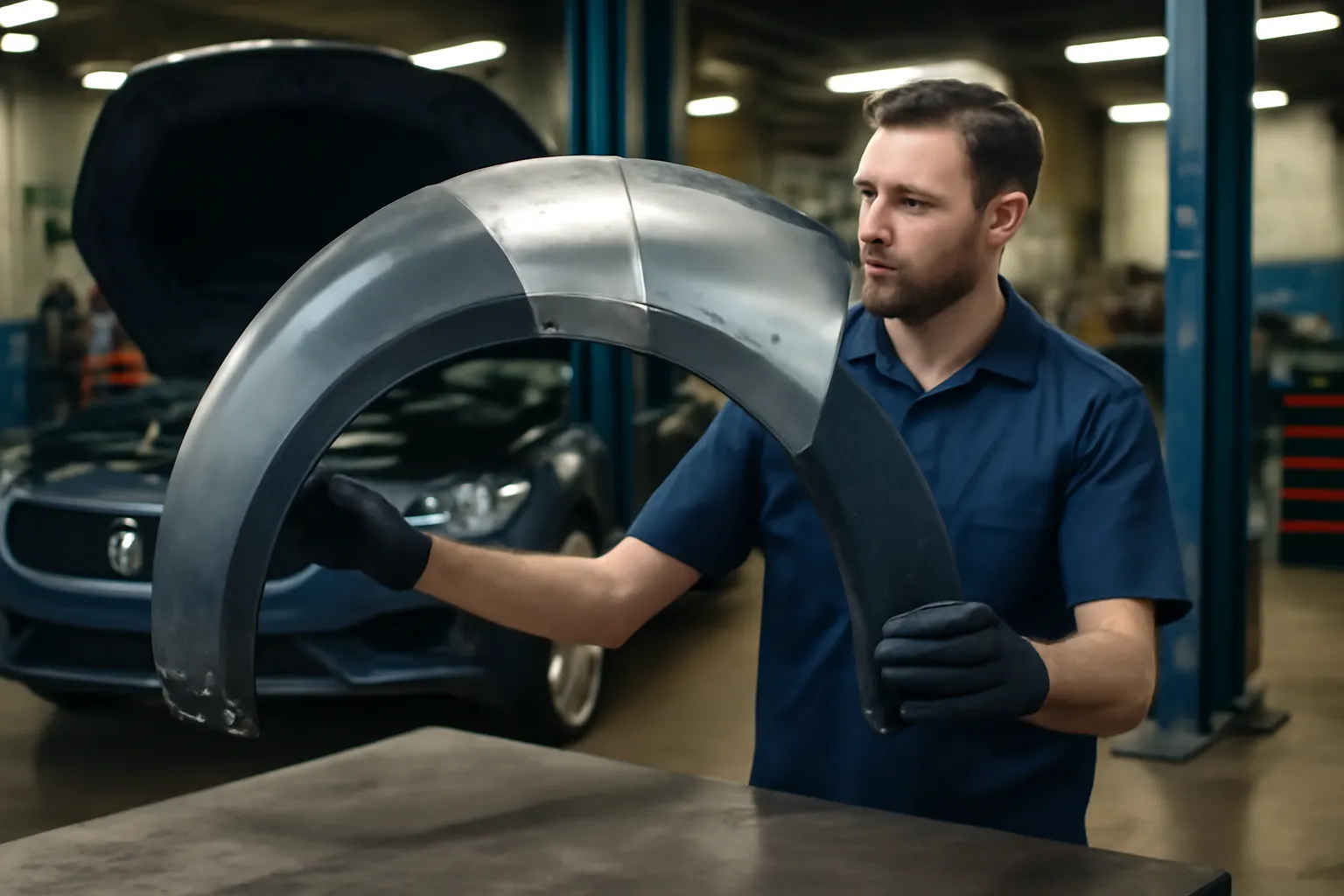
Fender Materials: Steel vs. Aluminum vs. Composite
Choosing the right fender material—steel, aluminum, or composite—directly impacts your vehicle’s durability, weight, repairability, and even long-term operating costs. Whether you’re replacing a damaged fender, upgrading for performance, or restoring a classic vehicle, understanding these materials is essential for optimal results. This comprehensive guide from AutoPartEx dissects the strengths and weaknesses of each fender material, helping you make an informed decision for your next repair or upgrade.
If you’re just starting your research, our Fender Replacement & Technical Guide: Protecting Your Vehicle’s Structure and Style provides a foundational overview. In this article, we dive deep into the technical and practical aspects of fender materials so you can confidently select the best option for your vehicle’s needs.
The Immediate Answer: Which Fender Material Should You Choose?
For most everyday drivers, steel fenders remain the go-to for affordability, straightforward repairs, and robust impact resistance. Aluminum fenders offer significant weight savings and corrosion resistance, making them a favorite for modern vehicles and fuel efficiency. Composite fenders—including plastics and advanced fiber-reinforced polymers—shine in specialty applications where weight, corrosion, and complex shapes matter most.
Quick Reference Table: Fender Material Comparison
| Feature | Steel | Aluminum | Composite |
|---|---|---|---|
| Weight | Heavy | Light | Lightest |
| Durability | High (dents, rust) | Moderate (dents) | High (cracks, chipping) |
| Corrosion Resistance | Moderate (can rust) | High | Highest |
| Repairability | Easy | Moderate (specialist) | Difficult (replace often) |
| Cost | Lowest | Moderate-High | Variable (usually highest) |
| OEM Prevalence | High | Growing | Niche (sports/luxury/EV) |
The Hidden Problem: Why Fender Material Choice Matters More Than Ever
With evolving safety standards, stricter fuel economy targets, and new manufacturing methods, the choice of fender material is no longer a simple matter of cost. Modern vehicles employ a mix of materials to balance strength, crashworthiness, and efficiency. As a result, a mismatch in replacement fender material can compromise safety, degrade fuel economy, or create long-term maintenance headaches.
Key Issues When Selecting Fender Materials:
- Structural Integration: Fenders contribute to crash energy management and alignment of body panels.
- Corrosion and Weathering: Material selection influences the need for rust prevention and paint compatibility.
- Repair Complexity: Some materials require advanced tools or replacement rather than repair.
- Insurance and Resale: The type of fender can affect repair costs and vehicle value.
Even if the material seems like a minor detail, it can have a ripple effect across your vehicle’s lifecycle—especially as manufacturers push for lighter, safer, and more efficient designs.
Digging Deeper: How Each Fender Material Performs
Steel Fenders: The Traditional Standard
Overview:
Steel has been the automotive industry’s default for decades. Most vehicles built before the 2010s use stamped steel fenders, prized for their strength and ease of manufacturing.
Pros:
- Impact Resistance: Steel fenders absorb dents and minor impacts well, protecting underlying components.
- Repairability: Body shops are equipped to pull dents, weld patches, and repaint steel.
- Cost: Steel is generally the most affordable material, both for OEM and aftermarket parts.
Cons:
- Weight: Steel is the heaviest of the three, reducing fuel economy and handling responsiveness.
- Corrosion: Without proper coatings, steel is prone to rust, especially in road salt environments.
Use Cases:
Best for budget-conscious repairs, classic vehicle restorations, and rugged applications where strength and easy repair are priorities.
Aluminum Fenders: Lightweight Performance
Overview:
Aluminum is increasingly popular in modern vehicles, especially in performance and luxury segments. Ford’s F-Series trucks, for example, use aluminum body panels to cut weight and improve efficiency.
Pros:
- Weight Savings: Aluminum fenders can be up to 50% lighter than steel, directly boosting fuel economy and responsiveness (DOE - Fuel Efficiency).
- Corrosion Resistance: Aluminum forms a protective oxide layer, making it highly resistant to rust.
- Aesthetic Flexibility: Aluminum can be formed into complex shapes for modern styling.
Cons:
- Repair Complexity: Aluminum requires specialized tools and skills for dent repair; many shops are not fully equipped.
- Cost: More expensive to produce and repair due to material and labor costs.
- Fatigue: Aluminum can become brittle over time, especially after multiple repairs.
Use Cases:
Ideal for late-model vehicles, drivers prioritizing efficiency, and applications where corrosion resistance is crucial.
Composite Fenders: The Advanced Alternative
Overview:
Composites, including fiberglass, carbon fiber, and advanced polymers, are used in high-performance, luxury, and electric vehicles. They enable bold designs and extreme weight savings.
Pros:
- Lightest Option: Composites significantly reduce vehicle mass, which is vital for electric vehicles and sports cars (DOE - Materials Technologies).
- Corrosion Proof: Composites are immune to rust and most chemical exposures.
- Design Freedom: Complex curves and integrated features are possible due to moldability.
Cons:
- Repairability: Cracks and chips are difficult and expensive to fix; replacement is often the only option.
- Cost: Generally the most expensive, especially for carbon fiber.
- UV Sensitivity: Some composites degrade without proper coatings.
Use Cases:
Best for specialty vehicles, aftermarket customization, and applications where weight and corrosion resistance trump repairability.
The Technical Side: Material Science and Fender Performance
Structural Properties
- Yield Strength: Steel offers the highest yield strength, resisting deformation in minor collisions.
- Modulus of Elasticity: Aluminum is less stiff than steel, which can affect how it deforms under impact.
- Impact Absorption: Composites can be engineered for specific crash responses but may shatter rather than dent.
Manufacturing and Fitment
- Steel: Stamped and welded, allowing for high-volume production and precise fit.
- Aluminum: Requires special forming and joining techniques, such as adhesive bonding or rivets.
- Composites: Molded in sections, which can integrate mounting points or complex geometries but may require unique fasteners.
Paint and Finish
- Steel and Aluminum: Both accept standard automotive finishes, though aluminum may require etching primers.
- Composites: Often require special primers and may have visible weave patterns (carbon fiber).
Real-World Considerations: Durability, Weather, and Everyday Use
Corrosion and Environmental Resistance
- Steel: Needs regular inspection for rust, especially at mounting points and wheel arches. Galvanized coatings and paint are essential.
- Aluminum: Far more resistant, but can corrode if bare metal is exposed to road salts and other metals (galvanic corrosion).
- Composites: Immune to rust, but may degrade from UV or physical impacts if unprotected.
Everyday Hazards
- Parking Lot Dings: Steel is most forgiving, followed by aluminum; composites are prone to chipping.
- Road Debris: All materials can suffer cosmetic damage, but steel and aluminum can be repaired more easily.
Repair and Replacement: What Happens After Damage?
Steel Fender Repairs
- Process: Dents can be pulled, holes welded, and surfaces refinished with standard tools.
- Cost: Generally low to moderate, depending on severity.
- Turnaround: Most body shops can handle steel repairs quickly.
Aluminum Fender Repairs
- Process: Requires specialized tools (aluminum-specific hammers, welders, and adhesives). Risk of work hardening and cracking if not done correctly.
- Cost: Higher due to labor and expertise.
- Turnaround: May take longer due to shop specialization.
Composite Fender Repairs
- Process: Small chips or cracks may be patched with resins, but major damage usually means full replacement.
- Cost: High, especially for carbon fiber or specialty plastics.
- Turnaround: Replacement fenders may need to be ordered and painted to match.
Fuel Efficiency and Fender Material: The Weight Factor
Reducing vehicle mass is a proven strategy for improving fuel economy and reducing emissions. According to the U.S. Department of Energy, every 10% reduction in vehicle weight can improve fuel economy by 6–8%. Aluminum and composite fenders contribute to these savings, especially when paired with lightweight hoods, doors, and decklids.
Key Takeaways:
- Steel: Adds to curb weight, reducing efficiency.
- Aluminum/Composite: Help meet modern efficiency targets, especially in hybrid and electric vehicles.
Diagnostic Checklist: Evaluating Fender Condition and Material Suitability
Before you commit to a replacement, assess your fender and vehicle needs using this checklist:
Fender Material Diagnostic Checklist
- Inspect for Corrosion: Look for rust (steel), white powdery spots (aluminum), or surface cracks (composite).
- Check for Dents/Cracks: Gently press and observe the material’s response—steel will dent, aluminum may spring back or crack, composites may chip.
- Assess Paint Condition: Flaking or bubbling paint may indicate underlying corrosion or adhesion issues.
- Verify OEM Material: Check your vehicle’s build sheet or fender part number for original material spec.
- Evaluate Repair vs. Replace: Small dents (steel/aluminum) can often be repaired; large cracks (composite) usually require replacement.
- Review Local Body Shop Capabilities: Not all shops can repair aluminum or composite fenders.
- Consider Usage: Daily driver, off-roader, or show car? Match material to use case.
- Factor in Climate: Humid or salty environments favor aluminum or composite for corrosion resistance.
- Check Insurance Policies: Some insurers have specific requirements for material matching during repairs.
Installation and Fitment: What to Know Before Buying
Sourcing the Right Fender
- OEM vs. Aftermarket: OEM fenders guarantee material and fitment match. Aftermarket options may use different materials—check specs carefully.
- Fitment Verification: Always cross-reference fender part numbers and mounting points.
- Finish Options: Some fenders come primed, others require full prep and paint.
Installation Tips
- Steel: Standard tools and techniques; ensure rust protection at seams and fasteners.
- Aluminum: Use non-ferrous fasteners and avoid steel-to-aluminum contact to prevent galvanic corrosion.
- Composite: Handle gently; avoid overtightening fasteners to prevent cracking.
Professional vs. DIY
- Steel: DIY-friendly for those with basic bodywork skills.
- Aluminum/Composite: Best handled by professionals with material-specific expertise.
For a step-by-step walkthrough, see our How to Replace a Damaged Fender: Step-by-Step Guide.
Maintenance Tips for Each Fender Material
Steel Fender Maintenance:
- Wash regularly, especially in winter climates.
- Touch up paint chips promptly to prevent rust.
- Apply rustproofing sprays in wheel wells and seams.
Aluminum Fender Maintenance:
- Wash with pH-neutral cleaners to avoid etching.
- Inspect for scratches exposing bare metal; touch up as needed.
- Use dielectric grease on fasteners to reduce galvanic corrosion.
Composite Fender Maintenance:
- Use gentle, non-abrasive cleaners.
- Inspect for UV damage or fading; apply protective coatings.
- Avoid harsh impacts to prevent cracking.
For more on keeping your fenders rust-free, visit our Preventing Rust on Your Vehicle’s Fenders.
Sourcing Quality Replacement Fenders: What to Ask Suppliers
When purchasing a replacement fender, ask suppliers these key questions:
- Is the fender made from the same material as OEM?
- Is it primed and ready for paint, or bare?
- Are mounting points reinforced for your specific vehicle model?
- Does the part meet or exceed SAE Standards for fitment and safety?
- What is the warranty or return policy if fitment issues arise?
For trusted sourcing, AutoPartEx offers a curated selection of OEM and high-quality aftermarket fenders for every major make and model.
Safety and Regulatory Considerations
Fenders are not just cosmetic—they’re integral to vehicle safety, especially in managing debris, splash, and minor impacts. The National Highway Traffic Safety Administration (NHTSA) sets standards for vehicle equipment, including fenders. Using the wrong material or poorly fitting aftermarket parts can compromise safety systems, such as airbags and crumple zones.
Always:
- Match replacement material to OEM spec whenever possible.
- Ensure all repairs meet or exceed local and federal safety standards.
- Check for active recalls on fender parts via the NHTSA recall database.
For more on the impact of fender damage on safety, see How Fender Damage Can Affect Vehicle Safety.
When to Upgrade: Is It Time to Switch Fender Materials?
While matching OEM material is generally best, there are scenarios where upgrading makes sense:
- Performance Builds: Swapping steel for aluminum or composite can yield real weight savings.
- Off-Road Use: Composites may be preferable for corrosion resistance and flexibility.
- Climate Adaptation: In corrosive environments, upgrading from steel to aluminum or composite can extend fender life.
Always consult with a qualified body shop or AutoPartEx expert before making material changes, as it may affect fitment, safety, and insurance.
AutoPartEx: Your Partner for Fender Solutions
At AutoPartEx, we understand how critical the right fender material is to your vehicle’s performance, safety, and appearance. Our technical team rigorously vets every fender we offer, ensuring material accuracy, fitment precision, and compliance with industry standards. Whether you’re sourcing a direct OEM replacement or exploring a performance upgrade, our resources and parts catalog empower you to make the right choice.
Explore our full Fender Replacement & Technical Guide: Protecting Your Vehicle’s Structure and Style for more insights, or contact our support team for expert advice tailored to your make and model.