Choosing the Right Exhaust Pipe Material for Your Climate
Selecting the correct exhaust pipe material for your vehicle is critical for long-term durability, performance, and cost-effectiveness—especially when factoring in your local climate. Whether you’re a daily commuter facing winter road salt, a performance enthusiast in a dry region, or a fleet manager in a humid coastal city, your exhaust system’s material can make or break its lifespan and efficiency. In this comprehensive guide, AutoPartEx unpacks the pros and cons of aluminized steel, stainless steel, and titanium exhaust pipes, helping you match the right material to your environment and driving needs. For a broader technical overview, see our Exhaust Pipe Systems: Technical Guide to Performance, Replacement, and Diagnostics.
Immediate Answer: Material Recommendations by Climate
- Cold, Salty Winters: Stainless steel (304 or 409 grade) is typically the best choice due to its superior corrosion resistance.
- Humid, Coastal Climates: Titanium or high-grade stainless steel (316) excel, as both resist aggressive salt air corrosion.
- Dry, Mild Regions: Aluminized steel offers a cost-effective solution with adequate durability.
- Performance/Track Use: Titanium provides unmatched weight savings and heat resistance but at a premium price.
Choosing the optimal exhaust pipe material is about more than just upfront cost—it’s about balancing corrosion resistance, structural integrity, thermal properties, and long-term value for your specific climate.
The Hidden Problem: Climate-Specific Corrosion and Performance Loss
Many drivers and even some shops overlook how dramatically climate impacts exhaust system longevity. A material that works flawlessly in Arizona’s dry heat can fail prematurely in the Midwest’s briny winters. Corrosion, heat cycling, and road debris can lead to exhaust leaks, structural failure, and even safety risks, with replacement costs that quickly outpace initial savings. This is not just an issue of aesthetics or minor maintenance—it’s a matter of avoiding unexpected breakdowns and ensuring your vehicle passes routine inspections.
Why Material Matters: Technical Overview
Exhaust pipe materials are engineered to withstand high temperatures, corrosive gases, and the rigors of daily driving. However, their performance characteristics can vary dramatically:
- Aluminized Steel: Mild steel coated with an aluminum-silicon alloy. Offers decent corrosion resistance at a low price. Vulnerable to salt and moisture over time.
- Stainless Steel: Alloyed with chromium and nickel for enhanced corrosion resistance. Grades 304 and 409 are common in automotive applications. More expensive than aluminized steel but lasts significantly longer, especially in harsh climates.
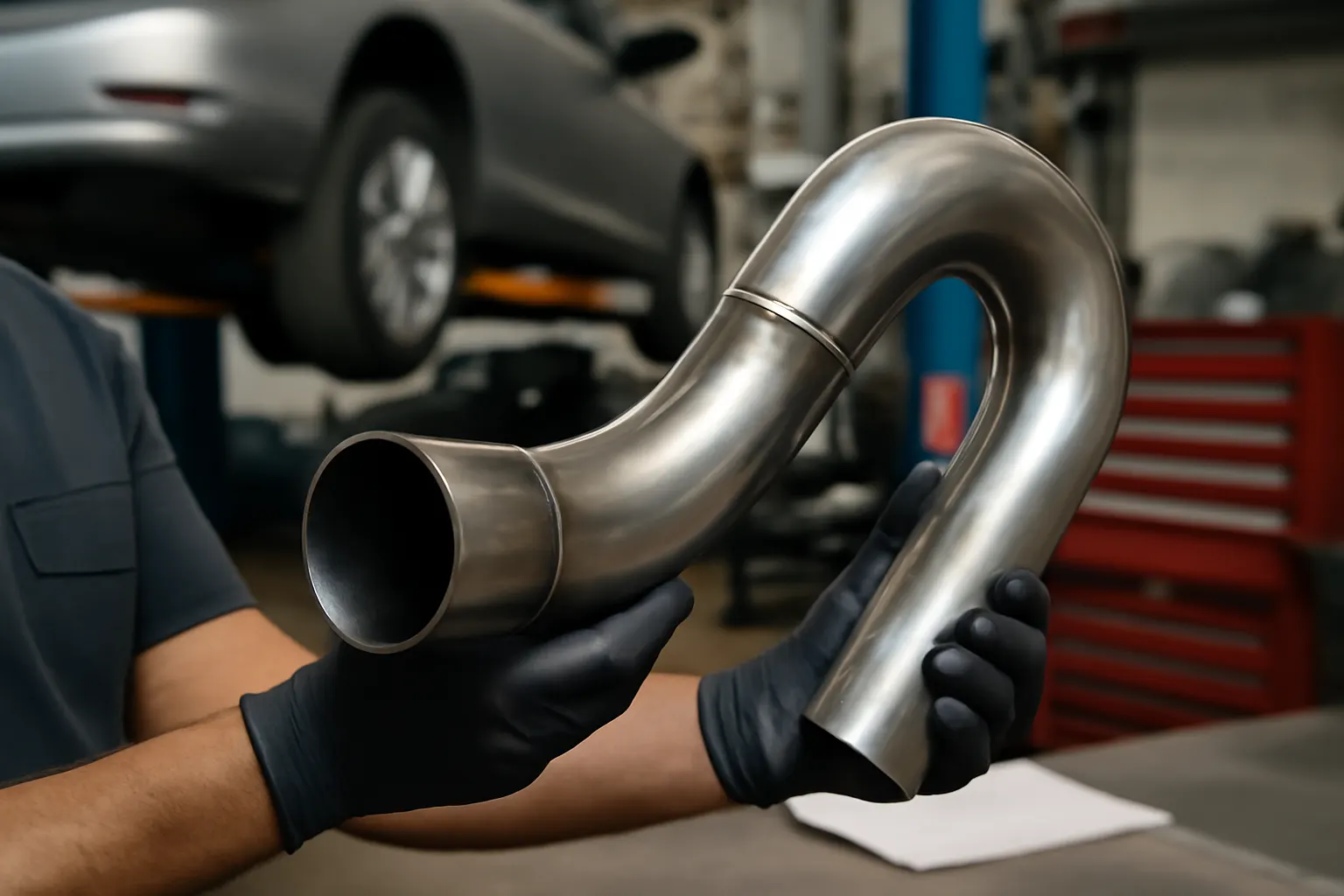
- Titanium: Extremely lightweight, strong, and highly resistant to corrosion and heat. Favored in motorsports and premium applications. Highest cost and can be overkill for average daily drivers.
Each material’s suitability is determined by its resistance to oxidation, thermal cycling, and physical impacts—all of which are exacerbated by specific environmental factors.
Understanding the Impact of Climate on Exhaust Materials
Cold, Salty Winters: The Midwest and Northeast Challenge
Winter climates with frequent road salting present the most aggressive environment for exhaust pipes. Salt accelerates oxidation, attacking weld seams and thin-walled pipes. Aluminized steel, while initially effective, often succumbs to rust at welds and bends in just a few seasons. Stainless steel, particularly 304 or 409 grades, resists this attack, maintaining structural integrity and appearance for years.
Humid, Coastal Environments: The Salt Air Factor
In coastal regions, salt isn’t just on the road—it’s in the air. Continuous exposure to salt-laden moisture can pit and corrode even some stainless steels. Here, high-chromium stainless steel (like 316) or even titanium becomes justifiable for vehicles exposed to daily sea air, as these materials maintain their resistance to both surface and internal corrosion.
Dry, Mild Climates: Where Cost Savings Make Sense
For drivers in dry, arid regions, the lack of moisture and road salt means corrosion is a much less significant threat. Here, aluminized steel can provide reliable service life at a lower cost, especially for non-performance applications. However, consideration should still be given to heat cycling, which can cause fatigue over time.
Material-by-Material Breakdown: Pros, Cons, and Technical Details
Aluminized Steel Exhaust Pipes
Pros:
- Lower cost than stainless or titanium options
- Adequate corrosion resistance in dry environments
- Good formability for complex bends
Cons:
- Vulnerable to rust at welds, seams, and after surface damage
- Limited lifespan in wet or salty environments (2–5 years typical)
- Weighs more than titanium
Best For: Dry, mild climates or short-term solutions
Stainless Steel Exhaust Pipes
Pros:
- Excellent corrosion resistance (especially grades 304 and 409)
- Long service life (often 7–10+ years even in harsh climates)
- Maintains appearance and structural integrity
- Compatible with most factory and aftermarket systems
Cons:
- Higher upfront cost than aluminized steel
- Slightly heavier than titanium
- Some grades can still pit in extreme coastal environments
Best For: Cold, salty winters; humid climates; general-purpose upgrades
Titanium Exhaust Pipes
Pros:
- Extremely lightweight (up to 40% lighter than steel)
- Outstanding corrosion and heat resistance
- Superior strength-to-weight ratio
- Ideal for high-performance and motorsports applications
Cons:
- Highest material and manufacturing cost
- Can be over-specified for ordinary street use
- May require specialized installation and welding techniques
Best For: Performance vehicles, track cars, or extreme coastal exposure
Technical Comparison Table: Exhaust Pipe Material Properties
| Property | Aluminized Steel | Stainless Steel (304/409) | Titanium |
|---|---|---|---|
| Corrosion Resistance | Moderate | High | Very High |
| Weight | High | Moderate | Low |
| Cost | Low | Moderate | High |
| Weldability | Good | Good | Specialized |
| Lifespan (Harsh Clime) | 2–5 years | 7–10+ years | 10+ years |
| Appearance Retention | Poor | Good | Excellent |
| Application Fit | OE & Aftermarket | OE & Aftermarket | Aftermarket |
Diagnosing Exhaust Pipe Wear: Checklist
Before replacing or upgrading your exhaust system, use this checklist to assess your current pipes:
- Inspect for Rust: Focus on welds, bends, and hangers. Surface rust on aluminized steel often precedes through-holes.
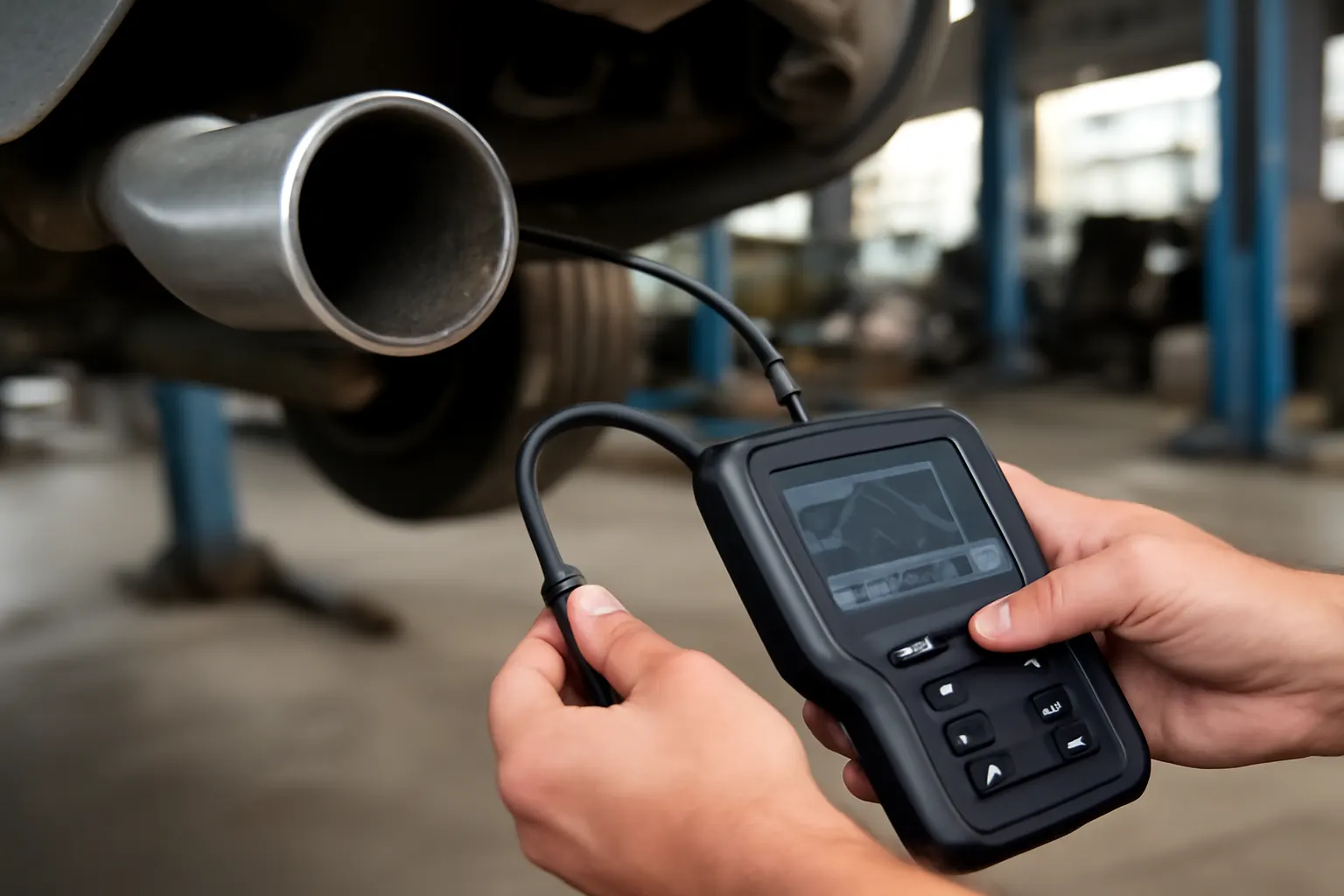
- Check for Leaks: Listen for hissing or tapping sounds, especially on cold starts. See our Diagnosing Exhaust Leaks: Step-by-Step Guide.
- Examine for Pitting: Stainless steel should not have deep pits or flaking. Pitting indicates advanced corrosion.
- Look for Discoloration: Blueing or yellowing on stainless/titanium can indicate excessive heat cycling.
- Test Structural Integrity: Gently tap with a rubber mallet. A dull thud or flexing suggests thinning walls.
- Assess Weld Quality: Poor or cracked welds are failure points, especially on aluminized steel.
- Review Past Repairs: Multiple patch jobs signal it’s time for a full replacement.
Installation and Fitment Considerations by Material
Aluminized Steel
- Welding: Standard MIG or TIG welding is effective, but the aluminum coating must be removed at the joint.
- Fitment: Available in OE-style and universal kits; best for direct replacements.
- Hardware: Use zinc-coated or stainless hardware to minimize galvanic corrosion.
Stainless Steel
- Welding: Requires stainless wire/filler for best corrosion resistance. TIG welding is preferred for appearance and strength.
- Fitment: Available in direct-fit and custom options. Some aftermarket kits use slip-fit joints to ease installation.
- Hardware: Always use stainless fasteners and clamps.
Titanium
- Welding: Specialized TIG welding required; not all shops have the capability.
- Fitment: Most common in custom or performance aftermarket kits. Lighter weight may require updated hangers.
- Hardware: Use titanium or high-grade stainless hardware for compatibility.
Maintenance and Longevity: Keeping Your Exhaust Healthy
Regular maintenance can extend the life of any exhaust pipe material:
- Wash Undercarriage: Especially after winter or beach driving, rinse salt and debris from the exhaust system.
- Inspect Annually: Check for rust, leaks, and loose hangers before and after winter.
- Address Leaks Promptly: Small leaks accelerate corrosion and can impact emissions and safety.
- Apply High-Temp Coatings: For aluminized steel, consider ceramic or high-temp paint to add a layer of protection.
- Monitor Sound: Changes in exhaust tone can indicate internal corrosion or cracks.
Buying Guidance: How to Choose for Your Needs
When selecting exhaust pipes, consider not just your climate, but also:
- Driving Style: Daily commute, towing, or performance use?
- Budget: Balance initial cost with likely replacement intervals.
- Vehicle Age and Value: Is this a long-term investment or a stopgap?
- Local Regulations: Some regions require stainless for emissions or safety inspections (see Vehicle Safety and Equipment).
- Resale Value: Stainless and titanium systems can enhance resale on enthusiast vehicles.
Common Pitfalls: What to Avoid
- Mixing Materials: Don’t connect dissimilar metals (e.g., aluminized pipe to stainless muffler) without proper insulating hardware—this accelerates galvanic corrosion.
- Ignoring Welds: Most corrosion starts at welds and joints. Even stainless can fail if welded with incorrect filler.
- Cheap Coatings: Low-quality aftermarket coatings may flake or burn off, offering little real protection.
- Over-Specifying: Titanium is rarely necessary for street vehicles and can complicate installation and repairs.
Climate-Driven Material Selection: Real-World Scenarios
Case 1: Midwest Commuter
- Climate: Snowy, salted roads October–April
- Vehicle: 2016 sedan, daily driver
- Best Choice: Stainless steel (409 or 304), direct-fit replacement
Case 2: Coastal Fleet Manager
- Climate: Year-round salt air, high humidity
- Vehicle: Light-duty work trucks
- Best Choice: 316 stainless or titanium for longest service life, especially if vehicles idle frequently
Case 3: Arizona Performance Enthusiast
- Climate: Dry, hot, minimal rain
- Vehicle: Weekend sports car
- Best Choice: Aluminized steel (budget) or titanium (performance/weight savings)
Case 4: Pacific Northwest Urban Driver
- Climate: Mild, rainy winters, little road salt
- Vehicle: Family SUV
- Best Choice: Stainless steel or aluminized steel, depending on budget
Performance Upgrades: Material and Pipe Design
Material selection is only part of the performance equation. For maximum gains, consider pairing your chosen material with optimal pipe design:
- Mandrel-Bent Pipes: Maintain consistent diameter for better flow—see Performance Upgrades: Mandrel-Bent vs. Crush-Bent Exhaust Pipes.
- Pipe Diameter: Oversized pipes can reduce backpressure but may hurt low-end torque; see How Exhaust Pipe Diameter Affects Engine Performance.
- Muffler Compatibility: Not all mufflers are compatible with titanium or oversized stainless systems.
The AutoPartEx Advantage: Technical Guidance and Trusted Sourcing
AutoPartEx provides technical expertise and a curated selection of exhaust system solutions tailored to your climate, vehicle, and budget. Our guides, like this one, are rooted in industry standards and government-backed research, so you can trust your upgrade or replacement will deliver both performance and longevity. Explore our Exhaust Pipe Systems: Technical Guide to Performance, Replacement, and Diagnostics for in-depth diagnostics, or browse our extensive catalog for direct-fit and custom solutions.
Expert Action: Next Steps for Your Exhaust Upgrade
- Assess your environment: Refer to the climate-specific guidance above.
- Inspect your current system: Use our diagnostic checklist to determine urgency.
- Select the right material: Weigh upfront cost against long-term value for your driving conditions.
- Consult with a qualified installer: Especially for stainless and titanium systems, professional welding and fitment are critical.
- Choose reputable brands and suppliers: Ensure materials meet automotive standards and are backed by warranty.
For technical support, sourcing, or further diagnostics, contact AutoPartEx or visit our Exhaust Pipe Systems page for tailored recommendations.