Diagnosing Classic Engine Performance Issues
When your classic engine stumbles, sputters, or loses power, the culprit is often the carburetor—but not always. Accurate diagnosis is essential to avoid unnecessary repairs and to restore peak performance and fuel efficiency. This guide walks you step-by-step through the most common symptoms, how to tell carburetor problems from ignition or fuel pump faults, and what to do next. For a deep dive into carburetor system specifics, see our Carburetor Systems: Complete Technical Guide for Classic and Performance Vehicles.
Immediate Answer: Spotting and Separating Classic Engine Problems
Classic engines can exhibit a wide range of performance issues, from rough idle and stalling to hard starting and poor acceleration. The most common symptoms of carburetor trouble include black exhaust smoke, fuel odor, hesitation under load, and inconsistent idle. However, these can overlap with ignition or fuel pump failures. The fastest way to distinguish them is by systematic symptom observation and targeted component checks. Carburetor problems typically present as:
- Rich or lean running (black smoke, backfiring, hesitation)
- Hard hot or cold starts
- Rough or hunting idle
- Sudden loss of power under acceleration
Ignition faults often cause misfires, backfires, or total loss of spark, while fuel pump issues manifest as fuel starvation, especially at higher RPMs. A methodical approach—starting with visible and audible cues, then moving to hands-on tests—saves time and money.
The Hidden Problem: Overlapping Symptoms and Misdiagnosis
Diagnosing classic engine issues is rarely straightforward. Many carburetor symptoms mimic those of ignition or fuel delivery faults. For example, a misfire can be caused by a fouled spark plug, a weak coil, or a carburetor flooding the engine. Similarly, hesitation and stalling may result from a failing fuel pump, a clogged fuel filter, or a vacuum leak rather than the carburetor itself.
Misdiagnosis often leads to unnecessary carburetor rebuilds, part swapping, or even major engine work that fails to resolve the underlying issue. This not only wastes resources but can introduce new problems, especially if replacement parts are not to OEM standards or are incorrectly installed. Understanding the technical overlap between systems is crucial for effective troubleshooting.
Expanding the Problem: Why Classic Engines Are Prone to Carburetor Issues
Classic vehicles, especially those built before the widespread adoption of fuel injection, rely on carburetors to meter air and fuel. Over time, carburetors are susceptible to wear, varnish buildup, and gasket failure. Ethanol-blended fuels, now common at pumps, can accelerate degradation of fuel system components not designed for modern blends (see Ethanol Fuels and Carburetor Compatibility).
Compounding the issue, classic ignition and fuel delivery systems lack the self-diagnostics of modern engines. Mechanical fuel pumps, points ignition, and vacuum-advance distributors can all fail in ways that mimic carburetor faults. Additionally, age-related issues such as vacuum leaks, perished hoses, and degraded wiring can further cloud the diagnostic process.
Step-by-Step Symptom Checklist: Carburetor, Ignition, or Fuel?
To accurately pinpoint the cause of engine performance issues, use this structured checklist:
Visual and Sensory Inspection
-
Exhaust Smoke Color
- Black: Rich mixture (carburetor or choke issue)
- Blue: Oil burning (rings/valve guides)
- White: Coolant (head gasket), but also possible with over-rich mixture
-
Fuel Odor
- Strong smell at idle or after shutdown: Carburetor flooding or leaking
-
Engine Sound
- Popping/backfire through carb: Lean mixture, vacuum leak, or ignition timing
- Sputtering under load: Fuel starvation (pump/filter), ignition miss, or carb main circuit
Functional Checks
-
Idle Quality
- Rough or hunting: Possible vacuum leak, idle circuit restriction, or ignition fault
-
Starting Behavior
- Hard cold start: Choke malfunction or weak ignition
- Hard hot start: Carburetor percolation, flooding, or vapor lock
-
Acceleration Response
- Hesitation or bog: Accelerator pump failure, ignition advance, or fuel supply
-
High RPM/Load
- Power loss or stalling: Fuel pump delivery, filter clog, or main jet restriction
Hands-On Tests
-
Inspect Spark Plugs
- Black and sooty: Rich mixture (carburetor)
- White and blistered: Lean mixture or timing
- Wet: Flooding (carb or ignition miss)
-
Check Fuel Delivery
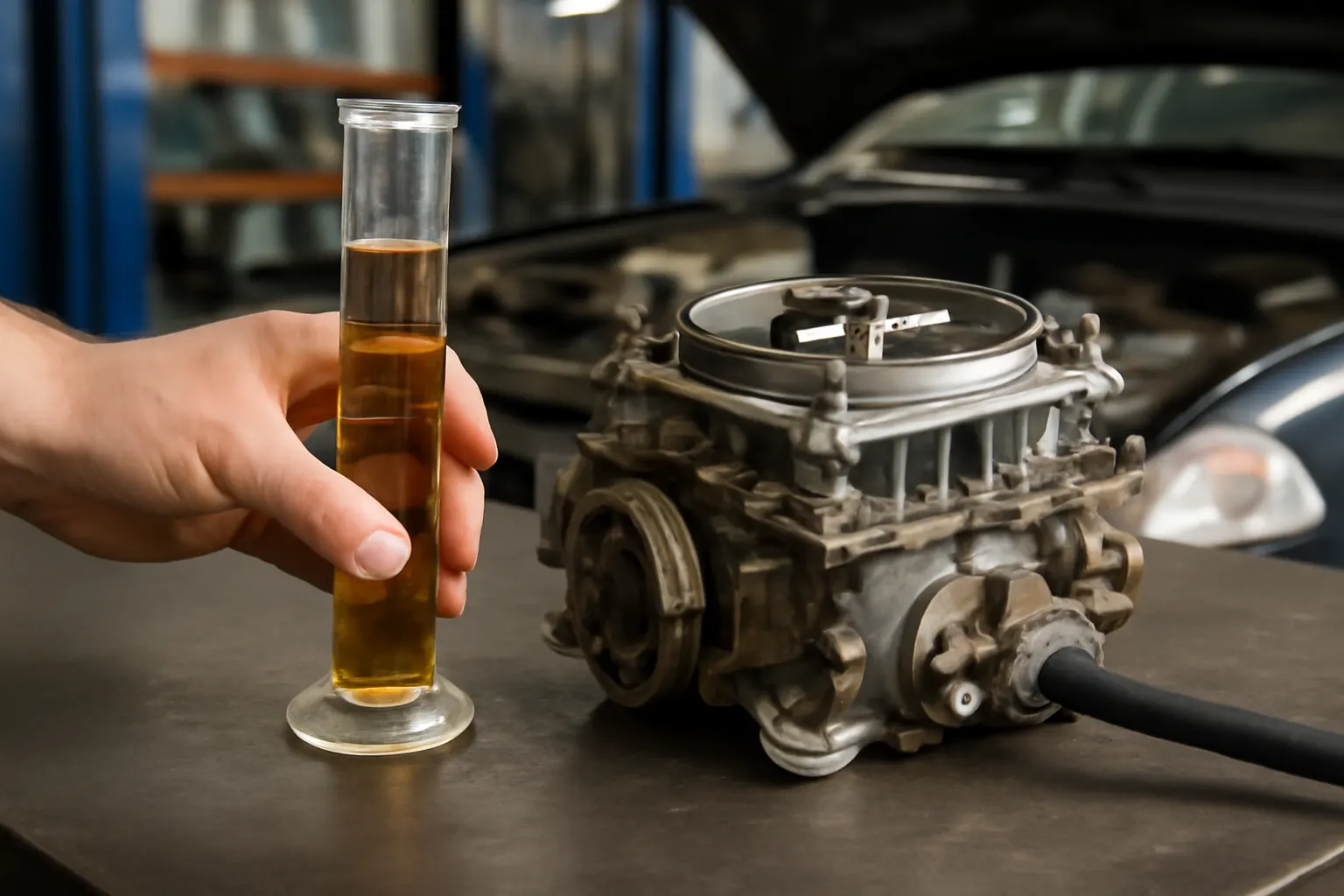
- Disconnect fuel line at carb, crank engine: Strong, pulsed flow = good pump
-
Ignition Spark Test
- Remove plug, ground to engine, crank: Strong blue spark = healthy ignition
Carburetor-Specific Failure Modes and Their Symptoms
Understanding the unique failure modes of carburetors is vital for distinguishing them from other issues. Key carburetor faults include:
- Sticking Float or Needle Valve: Causes flooding, fuel odor, hard starting, and black smoke.
- Clogged Jets or Passages: Results in lean running, hesitation, backfiring, and poor acceleration.
- Vacuum Leaks at Gaskets or Shafts: Produces erratic idle, high idle speed, and lean misfire.
- Faulty Choke Mechanism: Causes hard cold starts (stuck open) or rich running (stuck closed).
- Accelerator Pump Failure: Leads to bog or stumble on tip-in acceleration.
A systematic inspection of the carburetor—checking float movement, gasket integrity, and jet cleanliness—will often reveal the root cause.
Ignition System Faults: How They Imitate Carburetor Issues
Classic ignition systems (points, distributor, coil) can create symptoms nearly identical to carburetor problems:
- Worn Points or Condenser: Irregular spark, misfire, or no-start, often mistaken for fuel starvation.
- Weak Coil: Poor starting, rough idle, and hesitation, especially under load.
- Incorrect Timing: Backfiring, pinging, hard starting, and lack of power.
- Cap and Rotor Wear: Random misfires and rough running.
Always verify ignition health before adjusting the carburetor. Use a dwell meter, timing light, and spark tester for a complete assessment.
Fuel Pump and Delivery Issues: Starvation vs. Flooding
Mechanical fuel pumps, common on classic engines, are another frequent source of performance woes:
- Weak Pump: Engine starves at higher RPMs or under load, mimicking lean carburetor symptoms.
- Clogged Filter or Line: Similar to pump failure; check for sediment or collapsed hoses.
- Vapor Lock: Especially in hot climates or with ethanol fuels, can cause hard starting and stalling after heat soak.
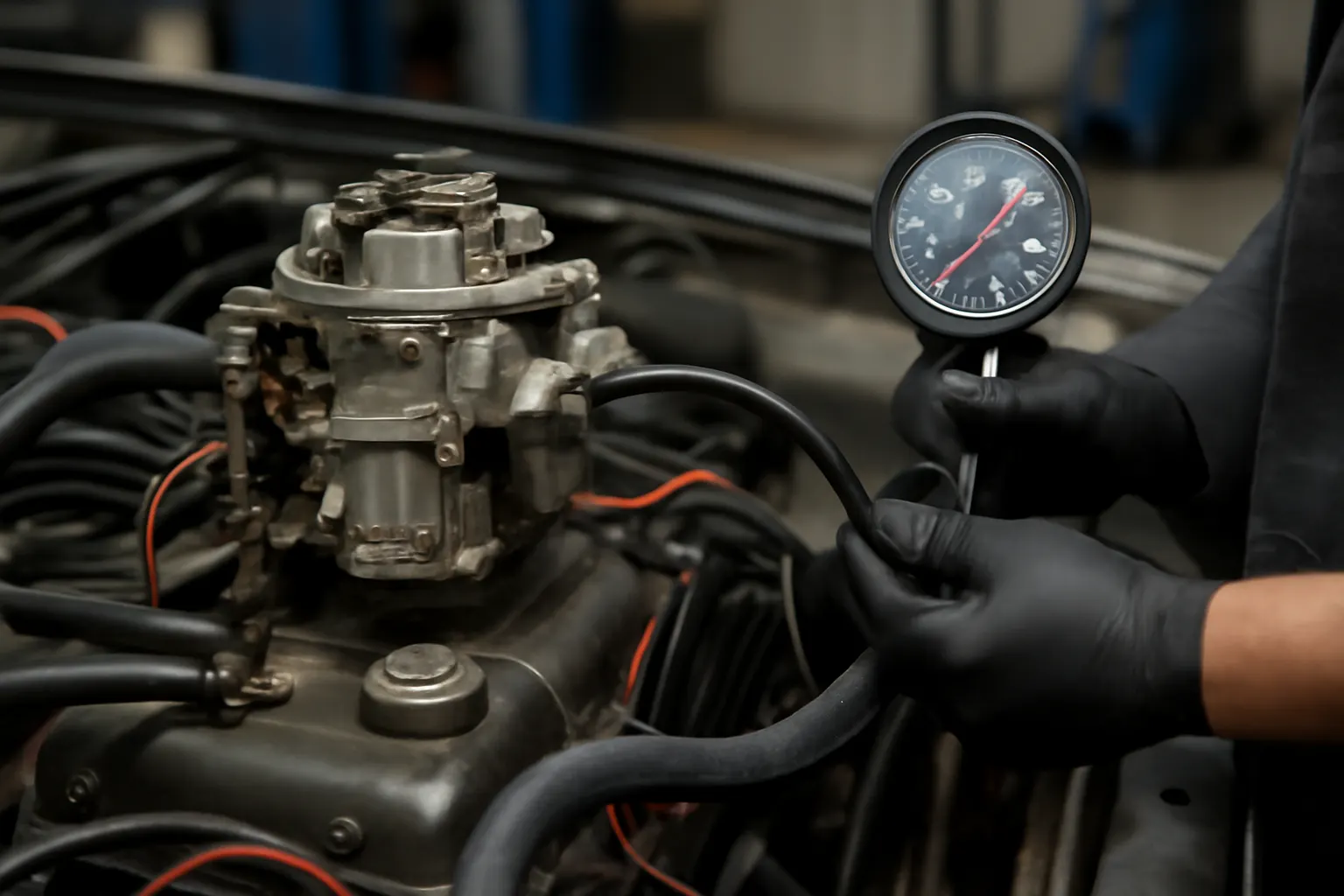
To rule out fuel delivery as a cause, perform a flow and pressure test at the carburetor inlet. Compare results to OEM specifications.
Vacuum Leaks: The Hidden Saboteur
Vacuum leaks can originate from carburetor base gaskets, intake manifold seals, or cracked hoses. Symptoms include:
- High or erratic idle
- Lean misfire or backfire
- Poor throttle response
Use carb cleaner or propane around suspected leak points with the engine running; a change in idle speed indicates a leak. Repair leaks before making carburetor adjustments.
Systematic Diagnostic Process: A Pro's Approach
- Start with the Basics: Check oil, coolant, and battery health.
- Visual Inspection: Look for obvious leaks, loose wires, or missing vacuum hoses.
- Ignition First: Confirm spark quality, timing, and firing order.
- Fuel Delivery: Check for adequate flow and pressure.
- Carburetor Inspection: Only after steps 1–4, inspect and adjust the carburetor as needed.
Tip: Keep a log of symptoms and test results to avoid repeating steps or introducing new variables.
Carburetor Tuning and Adjustment: When and How
Once other systems are verified, fine-tuning the carburetor can restore performance:
- Idle Mixture: Adjust for highest, smoothest idle using a vacuum gauge.
- Float Level: Set to factory specs to avoid flooding or starvation.
- Choke and Fast Idle: Adjust for smooth cold starts and warm-up.
- Accelerator Pump: Ensure a strong, consistent squirt with throttle movement.
For detailed instructions, refer to our Carburetor Rebuild and Tuning Guide.
Preventive Maintenance: Keeping Classic Engines Reliable
Routine maintenance is key to avoiding recurring issues:
- Replace fuel filters annually or every 12,000 miles.
- Inspect and replace ignition components (points, condenser, cap, rotor, plugs) regularly.
- Use fuel stabilizer in vehicles stored for extended periods.
- Inspect and replace vacuum hoses as needed.
- Periodically clean or replace the Air Box/Air Cleaner to ensure proper airflow.
Following these steps not only enhances reliability but also improves fuel efficiency and reduces emissions (DOE Fuel Efficiency).
Sourcing Quality Parts: Why OEM and Standards Matter
Substandard replacement parts are a leading cause of persistent performance problems. Always source carburetor kits, ignition components, and fuel system parts from reputable suppliers who adhere to recognized standards (SAE Standards). Avoid generic or “universal fit” parts unless they meet or exceed OEM specifications.
AutoPartEx provides access to a wide range of classic and performance vehicle parts, with a focus on quality, fitment, and technical support. See our Carburetor Systems: Complete Technical Guide for Classic and Performance Vehicles for more on sourcing and selection.
When to Seek Professional Help
If after following the above steps your classic engine still exhibits performance issues, it may be time to consult a professional. Persistent problems could indicate deeper issues such as worn valve guides, camshaft wear, or internal engine damage. Likewise, repeated failures of replacement parts may signal compatibility or installation errors.
Professional shops have access to advanced diagnostic tools, such as exhaust gas analyzers and engine oscilloscopes, which can pinpoint elusive faults beyond the reach of typical home garages.
AutoPartEx Support: Your Classic Engine Partner
Diagnosing and resolving classic engine performance issues can be a rewarding challenge with the right approach and resources. AutoPartEx is dedicated to supporting classic and performance vehicle owners with:
- In-depth technical guides and troubleshooting resources
- Access to OE-quality carburetor, ignition, and fuel system components
- Expert support for sourcing, fitment, and installation
Explore our Carburetor Systems: Complete Technical Guide for Classic and Performance Vehicles or connect with our technical team for personalized assistance. Keep your classic running at its best—with accuracy, efficiency, and confidence.