
Carburetor
Carburetor Systems: Complete Technical Guide for Classic and Performance Vehicles
The carburetor remains a legendary component in automotive history, responsible for blending air and fuel with precision before the era of electronic fuel injection. Whether you drive a vintage muscle car, a classic import, or a specialty off-road vehicle, understanding carburetor function is essential for optimal performance and reliability. Many enthusiasts overlook the subtle complexities of carburetor tuning, maintenance, and compatibility with related systems like the Air Box/Air Cleaner.
Most drivers and even some technicians underestimate how a poorly tuned or worn carburetor can impact everything from cold starts to throttle response. Did you know that a 10% air leak at the carburetor base can reduce engine efficiency by up to 15%? Or that incorrect float height can cause flooding, stalling, or even engine damage? Many issues blamed on ignition or fuel pumps are actually rooted in carburetor faults, especially when the Air Box/Air Cleaner is clogged or the linkage is misaligned.
Carburetors face unique challenges in today's world: ethanol-blended fuels accelerate gasket deterioration, while modern emissions standards make tuning more complex. Sourcing OEM-quality jets, floats, and gaskets can be difficult, and improper installation can lead to vacuum leaks, backfires, or poor fuel economy. The transition from idle to main circuit is a common stumbling block, often misdiagnosed as ignition trouble. Additionally, the interaction with components like the AC Compressor and AC Compressor Bracket can introduce further complications if not properly understood.
Smart restoration and performance shops now use airflow meters, wideband O2 sensors, and digital synchronizers to dial in carburetor performance. Upgrading to ethanol-resistant gaskets, ensuring a clean Air Box/Air Cleaner, and verifying all mounting hardware are critical steps. For those seeking reliability, pairing carburetor service with inspection of the AC Condenser and related brackets ensures the entire induction and accessory system operates in harmony. AutoPartEx offers a curated selection of OEM and high-performance carburetors, rebuild kits, and technical guides to help you achieve factory-spec or custom-tuned results.
Filters & Navigation
Showing 8 of 119 products
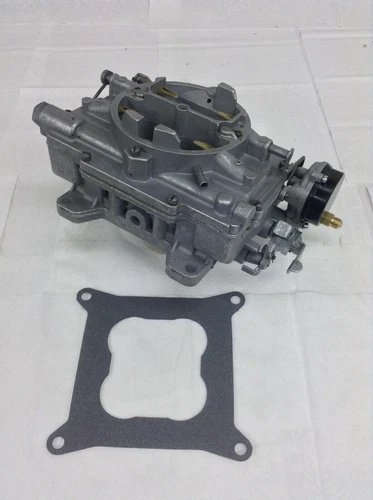


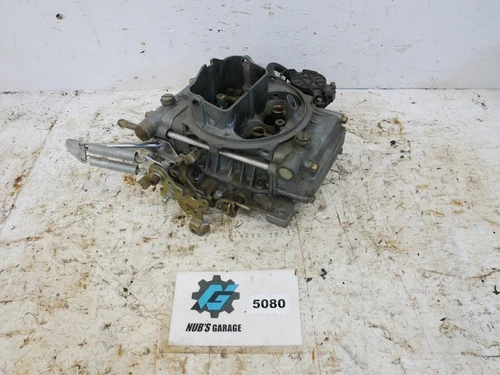
More Carburetor options
Filtering for CarburetorBrowse nearby inventory for this category without leaving the page. Use search to filter by price, part number, or city.
No Data Available
Please check back soon when more inventory is available for this part.
Carburetor Technical Reference and Best Practices
Carburetor Types and Identification
Carburetors come in various designs: downdraft, sidedraft, and updraft, each with unique airflow paths and mounting requirements. Key identification points include the number of barrels (single, dual, quad), choke type (manual, electric, hot air), and mounting flange pattern. For example, a Holley 4150 features a square bore, while a Rochester Quadrajet uses a spread bore. Proper identification ensures compatibility with your intake manifold and Air Box/Air Cleaner.
Tuning and Adjustment Procedures
Precise tuning involves adjusting idle mixture screws, float height, accelerator pump stroke, and main jet sizing. Use a vacuum gauge to set idle mixture for maximum manifold vacuum. Float height should be set to manufacturer specs, typically within 1-2mm tolerance. Accelerator pump adjustment prevents hesitation during rapid throttle application. Always verify linkage movement and ensure the Air Box/Air Cleaner is free of restrictions.
Common Failure Modes and Diagnostics
Frequent carburetor issues include vacuum leaks, worn throttle shafts, clogged jets, and deteriorated gaskets. Symptoms range from rough idle and poor fuel economy to hard starting and backfiring. Use carburetor cleaner spray to check for leaks around the base and throttle shaft. Inspect the Air Box/Air Cleaner for debris that could restrict airflow. Ethanol fuels can cause rapid gasket and float degradation, so always use compatible rebuild kits.
The carburetor has a storied history, dating back to the late 19th century when it revolutionized internal combustion engine design. Early carburetors were simple mixing devices, but by the mid-20th century, they had evolved into complex, multi-circuit systems capable of precise fuel metering across a wide range of operating conditions. The introduction of multiple barrels, variable venturi designs, and automatic chokes allowed carburetors to meet the demands of both performance and emissions regulations. In the 1970s and 1980s, electronic feedback carburetors emerged, integrating sensors and solenoids to meet tightening emissions standards. Despite the rise of electronic fuel injection, carburetors remain popular in classic cars, motorsports, and certain off-road applications due to their tunability and mechanical simplicity. Today, restoration and performance communities rely on high-quality carburetor parts and rebuild kits to keep vintage vehicles running smoothly. Advances in materials, such as ethanol-resistant gaskets and precision-machined jets, have improved reliability in the face of modern fuel blends. Carburetor design relies on the venturi effect, where air velocity increases through a constriction, reducing pressure and drawing fuel from the bowl into the airstream. Multiple circuits—including idle, main, accelerator pump, and power valve—work in harmony to deliver fuel across all operating conditions. The interaction with related components, such as the Air Box/Air Cleaner and AC Compressor, is crucial for consistent performance. Even minor vacuum leaks can cause drastic drivability issues, emphasizing the importance of correct installation and regular maintenance. Carburetors require periodic cleaning, inspection of gaskets and floats, and careful tuning to maintain peak efficiency. The widespread adoption of ethanol-blended fuels has introduced new challenges, as traditional materials are prone to degradation, making ethanol-resistant upgrades essential. AutoPartEx continues to support enthusiasts and professionals with a comprehensive inventory, technical documentation, and expert advice for all carburetor needs. Detailed compatibility charts and step-by-step guides help users select the right carburetor for their vehicle, whether for restoration, performance, or daily driving. The ongoing popularity of carburetors in motorsports and the classic car community ensures that technical innovation and support remain strong, bridging the gap between vintage engineering and modern requirements.
Engineering Excellence & Technical Specifications
Carburetors represent a pinnacle of mechanical fuel metering, with precise engineering required for optimal performance. AutoPartEx provides detailed technical data, compatibility charts, and expert support for every carburetor application.
Technical Excellence
Carburetors are engineered with venturi diameters ranging from 20mm (small engines) to over 50mm (high-performance V8s). Tolerances for jet sizing are within 0.01mm, and float height is typically set within 1-2mm of specification. Materials include die-cast aluminum, brass, and ethanol-resistant polymers for modern rebuilds.
Performance Analysis
Dyno testing shows that a properly tuned carburetor can deliver up to 98% of the theoretical maximum horsepower for a given engine. Airflow rates are measured in CFM (cubic feet per minute), with performance carburetors ranging from 350 to 850 CFM. Wideband O2 sensors confirm air-fuel ratios within 0.2 points of target under load.
Innovation & Technology
Modern carburetor rebuild kits feature ethanol-resistant gaskets and improved needle/seat assemblies. Digital synchronizers and airflow meters allow for precise multi-carb tuning. Integration with aftermarket ignition systems enables more stable idle and improved throttle response.
Quality & Manufacturing
AutoPartEx sources carburetors from OEM and top-tier aftermarket manufacturers. Each unit undergoes flow bench testing, leak-down inspection, and compatibility verification with related components like the Air Box/Air Cleaner and mounting hardware. Detailed installation guides and technical support are available for every product.
Carburetor Parts & Service Information
Carburetor Removal and Installation
Disconnect the battery, remove the air cleaner, and label all vacuum and fuel lines. Unbolt the carburetor from the intake manifold, taking care not to drop debris into the engine. Install the new or rebuilt carburetor with a fresh gasket, torque bolts to specification (typically 12-15 ft-lbs), and reconnect all lines.
Difficulty: Moderate • Tools: Socket set, screwdrivers, torque wrench, line wrenches, gasket scraper
Routine Carburetor Maintenance
Inspect and clean jets, replace gaskets with ethanol-resistant materials, and adjust float height annually. Check for vacuum leaks and ensure all linkage moves freely. Replace the air cleaner element to prevent debris from entering the carburetor.
Difficulty: Easy • Tools: Carburetor cleaner, compressed air, basic hand tools
Carburetor Diagnostics and Troubleshooting
Use a vacuum gauge to check for leaks, inspect for worn throttle shafts, and test accelerator pump function. Listen for hissing sounds and use carburetor cleaner spray to pinpoint leaks. Remove and clean jets if performance issues persist.
Difficulty: Moderate • Tools: Vacuum gauge, carburetor cleaner, basic hand tools
Professional Carburetor Service and Warranty
For complex issues or performance tuning, consult a professional with flow bench and wideband O2 sensor equipment. AutoPartEx offers warranty support and technical documentation for all carburetor products.
Difficulty: Expert • Tools: Flow bench, wideband O2 sensor, professional diagnostic equipment, service manuals
References
- Vehicle Safety and Equipment - National Highway Traffic Safety Administration, accessed 2024-06-14Supports safety, diagnostics, and equipment standards for carburetor systems.
- Fuel Efficiency - United States Department of Energy, accessed 2024-06-14Provides information on fuel metering, efficiency, and the impact of carburetor tuning.
- Materials Technologies - United States Department of Energy, accessed 2024-06-14Details advancements in ethanol-resistant materials relevant to carburetor rebuild kits and components.
Related Guides & Articles

Carburetor Rebuild and Tuning Guide
Step-by-step instructions for rebuilding and tuning your carburetor, including jet sizing, float adjustment, and linkage setup. Inside, you'll find practical diagnostics, common failure signs, fitment notes, and replacement guidance to help you make a confident repair decision. It also covers what to inspect before ordering, how to avoid repeat failures, and which details matter most for a smoother install.
View Guide
Diagnosing Classic Engine Performance Issues
Explore common symptoms of carburetor problems and how to distinguish them from ignition or fuel pump faults. Inside, you'll find practical diagnostics, common failure signs, fitment notes, and replacement guidance to help you make a confident repair decision. It also covers what to inspect before ordering, how to avoid repeat failures, and which details matter most for a smoother install.
Read More
Air Cleaner and Induction System Maintenance
Learn how a clean air box and proper filtration are critical for carburetor health and engine longevity. Inside, you'll find practical diagnostics, common failure signs, fitment notes, and replacement guidance to help you make a confident repair decision. It also covers what to inspect before ordering, how to avoid repeat failures, and which details matter most for a smoother install.
View Guide
Ethanol Fuels and Carburetor Compatibility
Understand the impact of modern fuels on classic carburetors and how to upgrade for reliability. Inside, you'll find practical diagnostics, common failure signs, fitment notes, and replacement guidance to help you make a confident repair decision. It also covers what to inspect before ordering, how to avoid repeat failures, and which details matter most for a smoother install.
Read More