
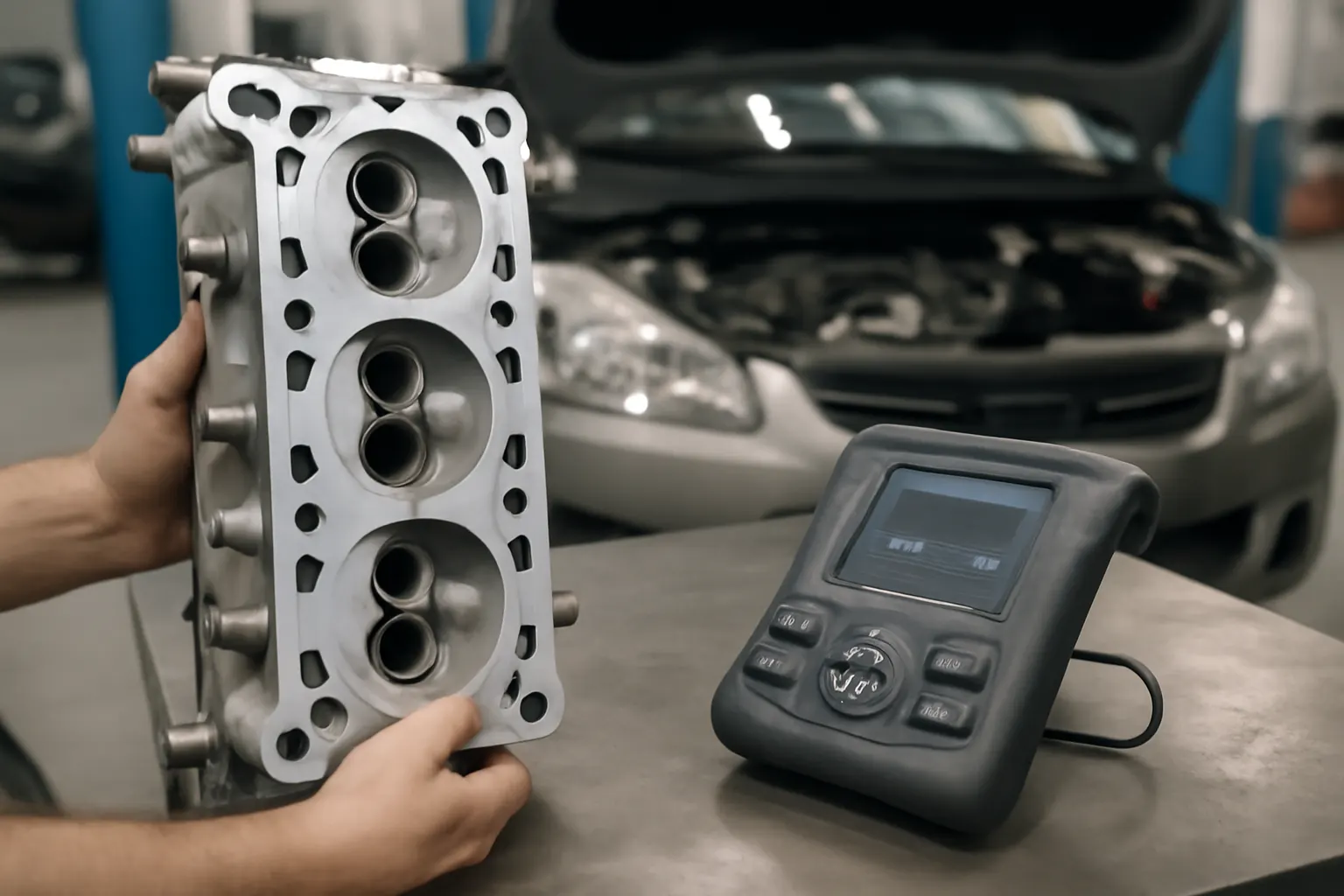
How Cylinder Head Design Impacts Engine Performance
When you want to extract more horsepower, torque, and efficiency from your engine, the cylinder head is where the real magic happens. Cylinder head design—its combustion chamber shape, port geometry, valve configuration, and material—directly determines how well your engine breathes, burns fuel, and ultimately delivers performance. Whether you’re tuning for the track, restoring a classic, or maximizing daily driver efficiency, understanding the nuances of cylinder head engineering is essential. In this guide, we’ll break down how these design choices affect real-world engine output, emissions, and reliability, and provide actionable advice for diagnostics, upgrades, and maintenance.
If you’re new to the topic, start with our parent category Cylinder Head (Engine): The Heart of Precision and Performance for foundational knowledge, then return here to dive deep into the technical specifics of head design and its consequences.
Why Cylinder Head Design Matters Instantly
The cylinder head is not just a cap for your engine block—it’s the command center for air, fuel, and exhaust flow. Its design governs:
- Horsepower: How much air-fuel mixture can enter and how efficiently it combusts.
- Torque: The speed and pressure at which combustion pushes the piston.
- Emissions: How completely fuel burns, affecting pollutants and compliance.
- Fuel Efficiency: Optimized combustion and airflow reduce wasted energy.
A well-designed cylinder head maximizes power without sacrificing efficiency or reliability. Conversely, a poorly designed or mismatched head can choke performance, increase emissions, and risk engine damage.
The Hidden Problem: Not All Cylinder Heads Are Created Equal
Many enthusiasts and even some professionals underestimate how much subtle design differences in cylinder heads can impact engine behavior. Swapping heads or modifying them without understanding the interplay of chamber volume, port shape, valve size, and material can lead to:
- Loss of low-end torque or top-end power
- Detonation or pre-ignition due to improper chamber shape
- Poor throttle response and driveability
- Increased fuel consumption and emissions
- Cooling issues and head warping
These issues often surface after a build or upgrade, when the engine doesn’t deliver the expected results—or worse, suffers premature failure. Understanding what’s at stake is the first step toward making informed decisions.
Combustion Chamber Shape: The Foundation of Performance
The shape and volume of the combustion chamber are central to how efficiently an engine burns fuel. Key chamber designs include:
- Hemispherical (Hemi) Chambers: Allow large valves and unshrouded airflow, supporting high power at high RPMs. However, they can create a longer flame path, potentially increasing emissions if not precisely engineered.
- Heart-Shaped (Pentroof) Chambers: Promote turbulence (swirl and tumble), which improves air-fuel mixing and combustion speed. Modern four-valve heads often use this design for both efficiency and emissions control.
- Wedge Chambers: Common in older V8s, these offer a compromise between compactness and airflow, often delivering good low-end torque.
Chamber volume also determines compression ratio—a critical factor for both power and efficiency. Too much volume (low compression) reduces power; too little (high compression) can cause knock, especially with low-octane fuel.
Intake and Exhaust Port Design: Breathing Easy or Choking Up
Ports are the arteries and veins of the cylinder head. Their geometry, surface finish, and cross-sectional area dictate how much air (and fuel) the engine can ingest and how quickly exhaust can escape.
Key Considerations:
- Port Shape: Straight, high-velocity ports favor high-RPM power. More curved or smaller-diameter ports promote better fuel atomization and low-RPM torque.
- Surface Finish: Too rough creates turbulence; too smooth can cause fuel to “puddle.” A slightly textured finish often yields the best results.
- Port Matching: Misalignment between intake manifold and head ports creates flow restrictions, hurting performance.
A head designed with optimal port geometry for your application—street, strip, or off-road—ensures the engine makes the most of every combustion cycle.
Valve Configuration: Number, Size, and Angle
Valve design directly impacts how efficiently the engine breathes and combusts fuel. Most modern engines use either:
- Two-Valve Per Cylinder: Simpler, less expensive, often better low-RPM torque.
- Four-Valve Per Cylinder: Improved airflow, higher RPM capability, better emissions control.
Valve Size: Larger valves allow more airflow but can reduce velocity at low RPM, hurting torque. Balance is key.
Valve Angle: The angle between intake and exhaust valves affects chamber compactness and flame travel. Narrower angles (as seen in some high-performance four-valve heads) promote faster, more complete combustion.
Cylinder Head Material: Aluminum vs. Cast Iron
Material choice impacts weight, heat dissipation, durability, and cost:
- Aluminum Heads: Lighter, dissipate heat quickly (reducing knock risk), but can warp if overheated and are more expensive.
- Cast Iron Heads: Heavier, retain heat (can be beneficial in some climates), generally more durable and cost-effective, but less efficient at high performance levels.
For a detailed material comparison, see our guide: Aluminum vs. Cast Iron Cylinder Heads: Which Is Right for Your Build?.
How Cylinder Head Design Impacts Horsepower and Torque
Cylinder head design determines:
- Volumetric Efficiency (VE): The percentage of air the engine can draw in relative to its theoretical maximum. High VE equals more power.
- Flow Rates (CFM): Measured on flow benches, higher CFM at relevant valve lifts means more potential horsepower, especially at high RPM.
- Swirl and Tumble: Proper chamber and port design create in-cylinder motion that improves combustion quality, boosting both power and fuel efficiency.
Example: A modern four-valve, pentroof aluminum head with optimized port and chamber geometry can support 100+ horsepower per liter naturally aspirated, compared to 60–70 hp/L for older two-valve, wedge-chamber cast iron heads.
Emissions and Efficiency: The Environmental Equation
Cylinder head design is critical for meeting modern emissions standards and improving fuel economy:
- Tighter Chamber Quench: Reduces unburned hydrocarbons.
- Optimized Port Geometry: Minimizes pumping losses and maximizes complete combustion.
- Integrated Exhaust Gas Recirculation (EGR) Passages: Lower NOx emissions by recirculating a portion of exhaust gas into the intake.
According to the U.S. Department of Energy, improved combustion chamber and port designs have been instrumental in increasing both fuel efficiency and emissions compliance in modern engines.
Diagnosing Cylinder Head Performance Issues
Even the best-designed head can underperform if damaged, dirty, or improperly matched to the rest of the engine. Common symptoms of cylinder head problems include:
- Loss of power or torque at certain RPMs
- Increased fuel consumption
- Misfires or rough idle
- Overheating or coolant loss
- Excessive oil consumption or blue/white exhaust smoke
Diagnostic Checklist:
| Symptom | Possible Head-Related Cause | Diagnostic Step |
|---|---|---|
| Power loss | Carbon buildup, worn valves/seats | Compression/leakdown test |
| Overheating | Cracked head, poor coolant flow | Pressure test, inspect flow |
| Misfire/rough idle | Leaking valves, warped head | Vacuum test, visual inspect |
| Oil/coolant mixing | Cracked head or blown gasket | Fluid analysis, borescope |
| Emissions failure | Poor chamber/port condition | Emissions test, head removal |
For an in-depth troubleshooting process, see: Diagnosing Cylinder Head Failures: Step-by-Step Guide.
Upgrading Cylinder Heads: What to Consider
Upgrading your cylinder head can unlock significant power, but only if the new head matches your engine’s displacement, cam profile, and intended use. Consider:
- Compatibility: Port and chamber size must suit your engine block and pistons.
- Flow Requirements: Bigger isn’t always better—excessively large ports can hurt street drivability.
- Valvetrain Upgrades: High-lift cams may require stronger springs and retainers.
- Emissions Compliance: Swaps must not compromise legal emissions requirements.
Pro Tip: Always consult flow bench data and real-world dyno results for your specific application, not just generic “max horsepower” claims.
Cylinder Head Installation: Best Practices for Performance and Longevity
Improper installation can undo all the benefits of a high-quality head. Key steps include:
- Surface Preparation: Both head and block surfaces must be perfectly clean and flat.
- Gasket Selection: Use the correct head gasket for your application and compression ratio.
- Torque Sequence: Follow manufacturer-recommended torque values and sequence to prevent warping.
- Valve Lash Adjustment: Set to spec for your camshaft and valvetrain.
- Coolant and Oil Flow Checks: Ensure all passages are clear before startup.
For a full procedural guide, see: Cylinder Head Installation Best Practices.
Maintenance Tips: Keeping Your Cylinder Head Performing Its Best
Regular maintenance extends the life and performance of your cylinder head:
- Periodic Valve Adjustment: Especially on mechanical (solid) lifter engines.
- Carbon Removal: Clean intake and combustion chambers to prevent hot spots and detonation.
- Coolant Flushes: Prevents corrosion and overheating, especially in aluminum heads.
- Oil Changes: Clean oil prevents sludge buildup in critical oil passages.
Neglecting these basics can lead to costly repairs or engine failure, even with the best-designed head.
Sourcing the Right Cylinder Head: What to Look For
When shopping for a new or replacement cylinder head, prioritize:
- Application Fitment: Ensure compatibility with your engine block and intended use (street, strip, off-road).
- Material Quality: Look for heads manufactured to SAE or OEM standards, using proven materials and casting processes.
- Flow Data Availability: Reputable suppliers provide flow bench data at various valve lifts.
- Warranty and Support: Choose suppliers who stand behind their products and offer technical support.
AutoPartEx connects you with high-quality cylinder head options for a wide variety of vehicles, backed by technical support and detailed fitment guides. Start your search in our Cylinder Head (Engine) category to ensure you get the right match for your build.
Common Cylinder Head Design Pitfalls and How to Avoid Them
Even with an understanding of theory, real-world builds can go awry. Watch out for:
- Overly Aggressive Porting: Removing too much material can reduce port velocity, hurting torque and drivability.
- Mismatched Combustion Chamber Size: Can lead to low compression (sluggish performance) or excessive compression (knock).
- Ignoring Cooling Passages: Poor cooling design or blocked passages can cause overheating and warping.
- Cheap Aftermarket Castings: Inferior materials or poor quality control lead to early failure.
Solution: Stick with heads from reputable manufacturers, insist on flow and material data, and consult experienced engine builders or forums for feedback on specific models.
The Role of Cylinder Head Standards and Testing
Cylinder head performance isn’t just about design; it’s also about meeting rigorous automotive standards:
- SAE Standards: Govern material specs, performance testing, and safety for cylinder heads and related components.
- OEM Testing: Includes pressure, flow, and endurance tests to ensure reliability under real-world conditions.
- Regulatory Compliance: Heads must meet emissions and safety regulations set by agencies like the National Highway Traffic Safety Administration (NHTSA).
When choosing a cylinder head, look for documentation of compliance with SAE and OEM standards to ensure you’re getting a product that will last and perform.
AutoPartEx: Your Guide to Precision Cylinder Head Solutions
At AutoPartEx, we understand that cylinder head selection is critical to achieving your engine goals—whether that’s maximum horsepower, optimal efficiency, or long-term reliability. Our curated catalog covers OE and performance heads for leading manufacturers like Acura, AMC, and Alfa, with detailed application fitment, flow specs, and technical support.
Need help diagnosing a head issue or choosing the right upgrade? Explore our in-depth resources, from Diagnosing Cylinder Head Failures: Step-by-Step Guide to Aluminum vs. Cast Iron Cylinder Heads: Which Is Right for Your Build?, and connect with our technical team for expert advice.
Take Action: Maximizing Engine Performance Through Smart Cylinder Head Choices
The cylinder head is the heart of engine precision and performance. By understanding how combustion chamber shape, port design, valve configuration, and material selection impact horsepower, torque, emissions, and reliability, you can make informed decisions for your next build, upgrade, or repair.
- Diagnose: Use symptoms and tests to catch issues early.
- Upgrade Wisely: Match head design to your goals and supporting components.
- Maintain: Keep your head clean, cool, and adjusted for long life.
- Source Smart: Choose high-quality, standards-compliant heads from trusted suppliers like AutoPartEx.
Invest in the right cylinder head, and you’ll unlock the full potential of your engine—mile after mile, lap after lap.
