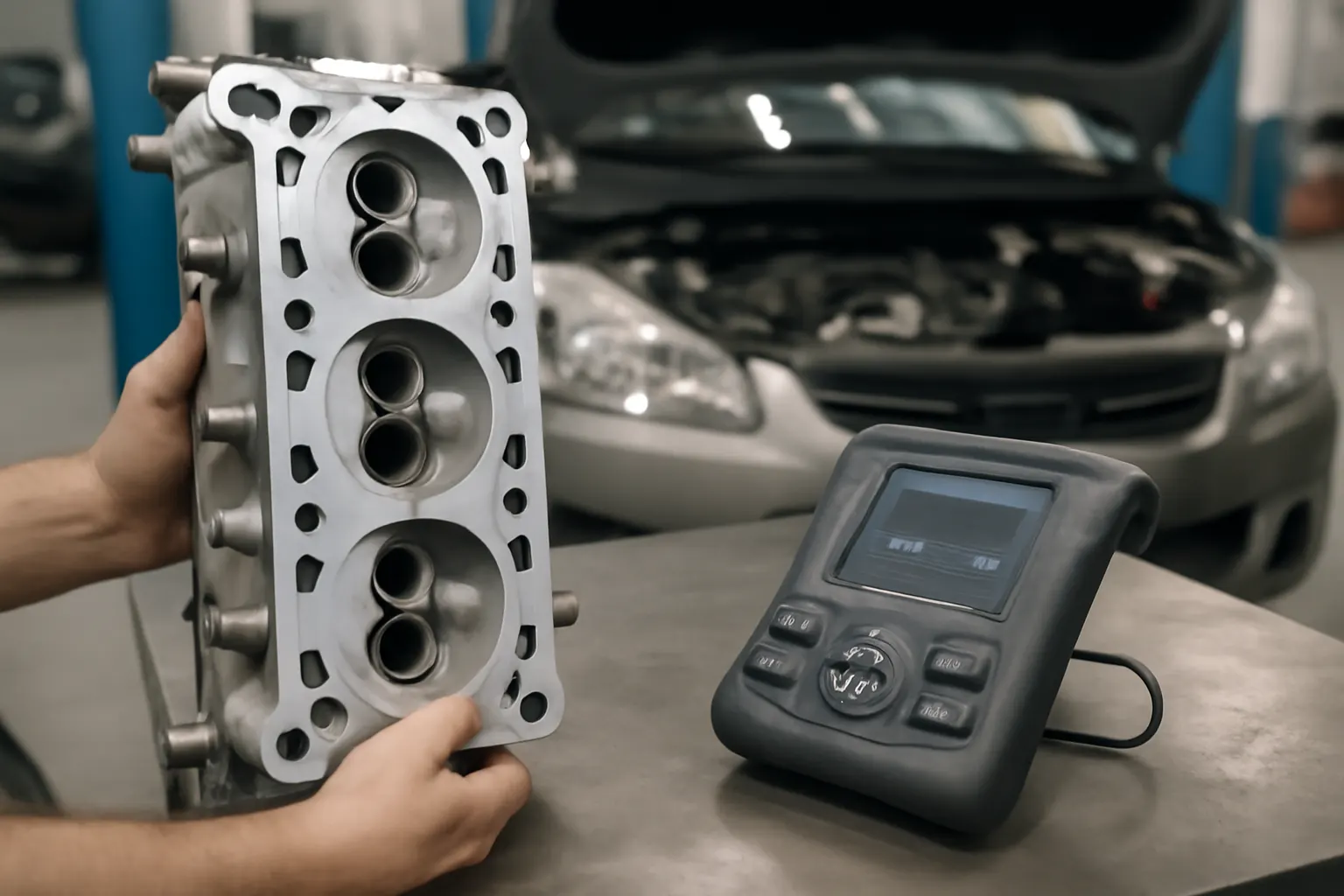
Aluminum vs. Cast Iron Cylinder Heads: Which Is Right for Your Build?
When it comes to maximizing engine performance, durability, and efficiency, few decisions matter more than selecting the right cylinder head material. Should you choose lightweight aluminum for its performance edge, or rely on the proven strength of cast iron? This comprehensive guide explores the real-world pros and cons of aluminum vs. cast iron cylinder heads—so you can make the best choice for your specific build, whether it’s a daily driver, a street/strip car, or a dedicated race engine. For more on how cylinder heads fit into the bigger picture, see Cylinder Head (Engine): The Heart of Precision and Performance.
Immediate Answer: Aluminum or Cast Iron—Which Cylinder Head Should You Choose?
The right cylinder head material depends on your priorities:
- Aluminum heads provide lighter weight, improved heat dissipation, and greater potential for high-performance applications. They are ideal for builds focused on power-to-weight ratio, efficiency, and adaptability to modern fuels.
- Cast iron heads offer superior durability, resistance to warping under extreme heat, and often lower initial cost. They are favored for heavy-duty, high-torque, or restoration projects where longevity and original equipment (OE) authenticity matter.
Quick Guide:
| Application Type | Recommended Material |
|---|---|
| Street Performance | Aluminum |
| Track/Race | Aluminum |
| Heavy Duty/Truck | Cast Iron |
| Classic Restoration | Cast Iron |
| Budget Builds | Cast Iron (usually) |
But there’s much more beneath the surface—hidden factors that can make or break your engine build.
The Hidden Problem: Overlooking Material Tradeoffs Can Undermine Your Build
Many builders focus solely on power gains or cost savings, overlooking critical technical differences between aluminum and cast iron cylinder heads. This oversight can lead to:
- Premature engine failure due to thermal expansion mismatch or improper installation
- Reduced efficiency if the wrong material is paired with your engine’s intended use
- Unexpected costs from additional parts, machining, or compatibility issues
Material selection affects not just performance, but also reliability, safety, and long-term maintenance. Understanding the science behind these materials—and how they interact with the rest of your engine—is essential for making an informed decision.
Deeper Technical Comparison: Aluminum vs. Cast Iron Cylinder Heads
Weight and Its Impact on Performance
- Aluminum heads are significantly lighter (typically 30-50% less mass) than their cast iron counterparts. This weight reduction is not just about engine numbers—it directly improves vehicle handling, especially in front-heavy configurations or performance vehicles where every pound counts.
- Cast iron heads add considerable weight to the front of the vehicle, impacting acceleration, braking, and cornering. In trucks and heavy-duty applications, this extra mass can be beneficial for stability and durability.
Heat Dissipation and Thermal Conductivity
- Aluminum conducts heat much faster than cast iron. This property allows aluminum heads to transfer combustion heat away from the valves and combustion chamber more efficiently, reducing the risk of detonation (knock) and permitting higher compression ratios or more aggressive ignition timing.
- Cast iron retains heat, which can be an advantage for cold-weather starting and maintaining operating temperature, but it also means slower heat dissipation, increasing the risk of hot spots and potential for knock in high-performance use.
Strength, Durability, and Warping
- Cast iron heads are more resistant to warping under extreme heat cycles and are less likely to crack under pressure. This makes them ideal for engines subjected to sustained heavy loads or turbocharging without advanced cooling systems.
- Aluminum heads can be more prone to warping or cracking if overheated, but modern alloys and improved casting techniques have reduced this risk. Proper installation and cooling management are crucial.
Machinability and Customization
- Aluminum is easier to machine, port, and modify. This makes it the preferred choice for custom porting, valve upgrades, or intricate combustion chamber shaping.
- Cast iron is harder and more time-consuming to machine, increasing costs if extensive modifications are required.
Fuel Compatibility and Modern Engine Trends
- Aluminum heads are more compatible with modern fuels and emissions requirements due to their superior heat dissipation and adaptability to complex valvetrain designs.
- Cast iron heads remain common in older engines and are required for certain period-correct restorations.
Application-Specific Pros and Cons
Aluminum Cylinder Heads: Strengths and Weaknesses
Pros:
- Weight Savings: Reduces total engine mass, improving power-to-weight ratio and handling.
- Thermal Efficiency: Superior heat transfer enables higher compression and power potential.
- Easier Machining: Supports custom builds and performance porting.
- Corrosion Resistance: Modern aluminum alloys resist rust, though they can corrode if exposed to certain coolants or electrolytes.
Cons:
- Higher Cost: Typically more expensive to purchase and repair.
- Thermal Expansion: Requires careful torque and gasket selection due to higher thermal expansion rates.
- Potential for Warping: More sensitive to overheating or improper installation.
Cast Iron Cylinder Heads: Strengths and Weaknesses
Pros:
- Durability: Withstands high loads, heat, and pressure—ideal for heavy-duty or forced-induction builds.
- Lower Cost: Generally less expensive and more widely available, especially for older engines.
- OE Authenticity: Essential for period-correct restorations.
Cons:
- Weight: Adds significant mass, which can negatively affect performance and fuel efficiency.
- Heat Retention: Slower to dissipate heat, increasing risk of detonation in high-output applications.
- Difficult Machining: Porting or custom work is more labor-intensive and costly.
Fuel Efficiency and Emissions Impact
The United States Department of Energy highlights that materials selection—including cylinder head material—plays a significant role in engine fuel efficiency and emissions (DOE: Fuel Efficiency). Lighter materials like aluminum contribute to:
- Improved fuel economy by reducing vehicle weight
- Lower emissions through more efficient combustion and reduced engine load
Cast iron’s weight can detract from these benefits, but its durability can support engines designed for longevity over maximum efficiency.
Safety, Standards, and Regulatory Considerations
Cylinder heads are critical safety components. The National Highway Traffic Safety Administration (NHTSA) emphasizes the importance of using quality materials and adhering to manufacturer specifications to ensure vehicle safety (NHTSA: Vehicle Safety and Equipment). SAE International also sets rigorous standards for cylinder head design, testing, and installation (SAE Standards).
Key safety considerations:
- Always use heads that meet or exceed OE and SAE standards.
- Ensure compatibility with engine block material to avoid galvanic corrosion and sealing issues.
- Adhere to recommended torque specs and installation procedures to prevent leaks or catastrophic failure.
Diagnostic Checklist: Is Your Cylinder Head the Right Material for Your Build?
Before committing to aluminum or cast iron, use this diagnostic checklist:
-
Intended Use:
- High-performance or racing? Prioritize aluminum.
- Heavy-duty, towing, or diesel? Consider cast iron.
- Restoration or OE match? Use material specified for your vehicle.
-
Budget Constraints:
- Factor in both initial cost and potential machining/installation expenses.
-
Cooling System:
- Is your cooling system robust enough for aluminum’s higher heat transfer?
- Will cast iron’s slower heat dissipation be a liability in your application?
-
Engine Block Compatibility:
- Mixing materials (aluminum head on iron block or vice versa) requires special attention to head gaskets and torque settings.
-
Modification Plans:
- Planning to port or customize? Aluminum is easier to machine.
-
Local Climate:
- Cold climates may benefit from cast iron’s heat retention; hot climates favor aluminum.
-
Fuel Type and Emissions Needs:
- High-compression or modern fuels? Aluminum may offer more flexibility.
-
Availability and Lead Time:
- Some heads, especially for older or rare engines, may only be available in one material.
Installation Best Practices: Avoiding Common Pitfalls
Proper installation is crucial regardless of material. Aluminum and cast iron heads have different expansion rates and torque requirements.
Installation Tips:
- Torque Sequence and Specs: Always follow the manufacturer’s recommended torque sequence and specs. Aluminum heads often require re-torqueing after thermal cycling.
- Head Gaskets: Use gaskets designed for your specific material combination (aluminum head on iron block, etc.).
- Surface Prep: Both materials require clean, flat surfaces, but aluminum is more sensitive to debris or nicks.
- Coolant Choice: Use coolant compatible with both the head and block materials to prevent corrosion.
For a detailed walkthrough, see Cylinder Head Installation Best Practices.
Maintenance and Longevity Considerations
Aluminum Cylinder Heads
- Inspection Frequency: Check for warping, corrosion, and gasket leaks more frequently, especially after overheating incidents.
- Coolant Maintenance: Use only recommended coolants and change regularly to prevent corrosion.
- Fastener Retorque: Some applications require periodic retorqueing of head bolts.
Cast Iron Cylinder Heads
- Rust Prevention: Cast iron is susceptible to rust; maintain proper coolant levels and use corrosion inhibitors.
- Crack Inspection: Inspect for cracks, especially around exhaust ports and valve seats.
Both materials benefit from regular maintenance and early detection of leaks, overheating, or abnormal noises. For troubleshooting, see Diagnosing Cylinder Head Failures: Step-by-Step Guide.
Sourcing Cylinder Heads: What to Look For
When buying new or remanufactured cylinder heads, consider:
- OE vs. Aftermarket: OE heads guarantee fitment and durability but may lack performance features. Aftermarket heads offer performance upgrades but require careful vetting.
- Casting Quality: Inspect for clean, consistent casting with no visible cracks or porosity.
- Valve and Seat Material: Modern heads may feature upgraded valves for specific fuels or performance needs.
- Port Design: Match the port size and shape to your intake/exhaust setup and intended use.
Always buy from reputable suppliers and ensure the head matches your engine’s specifications.
Aluminum vs. Cast Iron: Real-World Scenarios
Scenario 1: Street/Performance Build
A builder wants a responsive, high-output street engine for a late-model muscle car.
- Best Choice: Aluminum heads, for weight savings, heat dissipation, and ease of modification.
Scenario 2: Classic Truck Restoration
A restorer is bringing a 1970s pickup back to OE specs for shows and light driving.
- Best Choice: Cast iron heads, to match factory specifications and ensure durability.
Scenario 3: Budget Daily Driver
A commuter vehicle needs a cylinder head replacement at minimum cost.
- Best Choice: Cast iron, unless aluminum is available at a comparable price and compatible with the block.
Advanced Considerations: Hybrid Setups and Material Compatibility
Modern engine builds sometimes pair aluminum heads with cast iron blocks (or vice versa). This hybrid approach can offer the best of both worlds but introduces challenges:
- Galvanic Corrosion: Dissimilar metals can corrode when in contact with certain coolants or if electrical grounding is insufficient.
- Head Gasket Selection: Use gaskets specifically designed for mixed-material setups.
- Torque and Expansion: Account for different expansion rates in torque procedures and fastener selection.
Consult engine-specific forums, the manufacturer, or a qualified machinist before attempting a hybrid build.
Cylinder Head Selection Checklist
Before You Buy:
- Confirm Engine Compatibility: Verify year, make, model, and engine code.
- Material Choice: Decide between aluminum and cast iron based on use case.
- Budget: Include costs for gaskets, bolts, machining, and fluids.
- Performance Goals: Match port size, valve size, and combustion chamber shape to your desired output.
- Supplier Reputation: Choose established vendors with a track record of quality.
- Warranty and Support: Ensure clear warranty terms and technical support availability.
- Installation Resources: Have access to installation guides and torque specs.
- Emissions and Inspection Compliance: Some regions require heads that meet specific emissions standards.
How Cylinder Head Material Affects Engine Performance
Cylinder head material is a crucial, but often underestimated, factor in overall engine dynamics. For a deep dive into how design and material choice impact airflow, combustion, and power, see How Cylinder Head Design Impacts Engine Performance.
AutoPartEx: Your Trusted Source for Cylinder Heads and Expert Guidance
At AutoPartEx, we understand that every engine build is unique. Our extensive selection of both aluminum and cast iron cylinder heads—sourced from leading OE and aftermarket manufacturers—ensures you’ll find the right fit for your application. Our technical team is available to help you navigate material tradeoffs, compatibility issues, and installation best practices. Whether you're restoring a classic, building a track monster, or simply keeping your daily driver running strong, AutoPartEx delivers the expertise and support you need.
Explore our Cylinder Head (Engine): The Heart of Precision and Performance page for more product options and technical resources.