The Role of Cooling Systems in Engine Block Longevity
The longevity of your engine block depends heavily on the health and efficiency of your vehicle’s cooling system. Without effective cooling, even the most robust engine blocks—whether cast iron or aluminum—will succumb to overheating, warping, cracking, or catastrophic failure. Immediate, ongoing, and proactive cooling system maintenance is the single most practical way to maximize the service life of your engine block and protect your investment. In this article, we’ll break down how cooling systems safeguard engine blocks, the hidden problems that arise when cooling is neglected, and the technical measures you can take to ensure both performance and durability. For those interested in the broader context of engine block design and materials, our Engine Blocks: The Foundation of Power and Precision guide provides a comprehensive overview.
Why Cooling Systems Are Critical for Engine Block Life
The cooling system’s primary role is to regulate temperatures within the engine block, preventing excessive heat that can stress metal components and degrade critical seals. Every time your engine runs, combustion generates intense heat—often well above 2,000°F (1,093°C) at the combustion chamber. Left unchecked, this heat would quickly warp, crack, or even melt engine block components.
Effective cooling systems circulate coolant through passages in the engine block, absorbing heat and transferring it to the radiator, where it is dissipated into the atmosphere. This controlled thermal environment is essential for:
- Preventing metal fatigue and microfractures in the block
- Maintaining consistent clearances between moving parts (pistons, rings, bearings)
- Preserving gasket and seal integrity
- Optimizing fuel efficiency and emissions
A well-maintained cooling system is not just about comfort or performance—it is a fundamental requirement for the survival of your engine block.
The Hidden Problem: Cooling System Neglect and Engine Block Failure
While most drivers understand the importance of topping off coolant, the hidden dangers of cooling system neglect run much deeper. Over time, coolant degrades, corrosion inhibitors break down, and debris or mineral deposits build up inside the system. Even minor leaks or a failing thermostat can cause localized overheating that leads to:
- Hot spots within the engine block, resulting in warping or localized cracking
- Coolant contamination, which accelerates corrosion of aluminum or iron block materials
- Failure of head gaskets, leading to coolant/oil mixing and rapid engine block deterioration
These issues often develop silently, only becoming apparent after significant engine block damage has occurred. By the time symptoms like overheating, white exhaust smoke, or coolant loss are noticed, the damage may already be severe and costly to repair.
How Engine Blocks Interact with the Cooling System
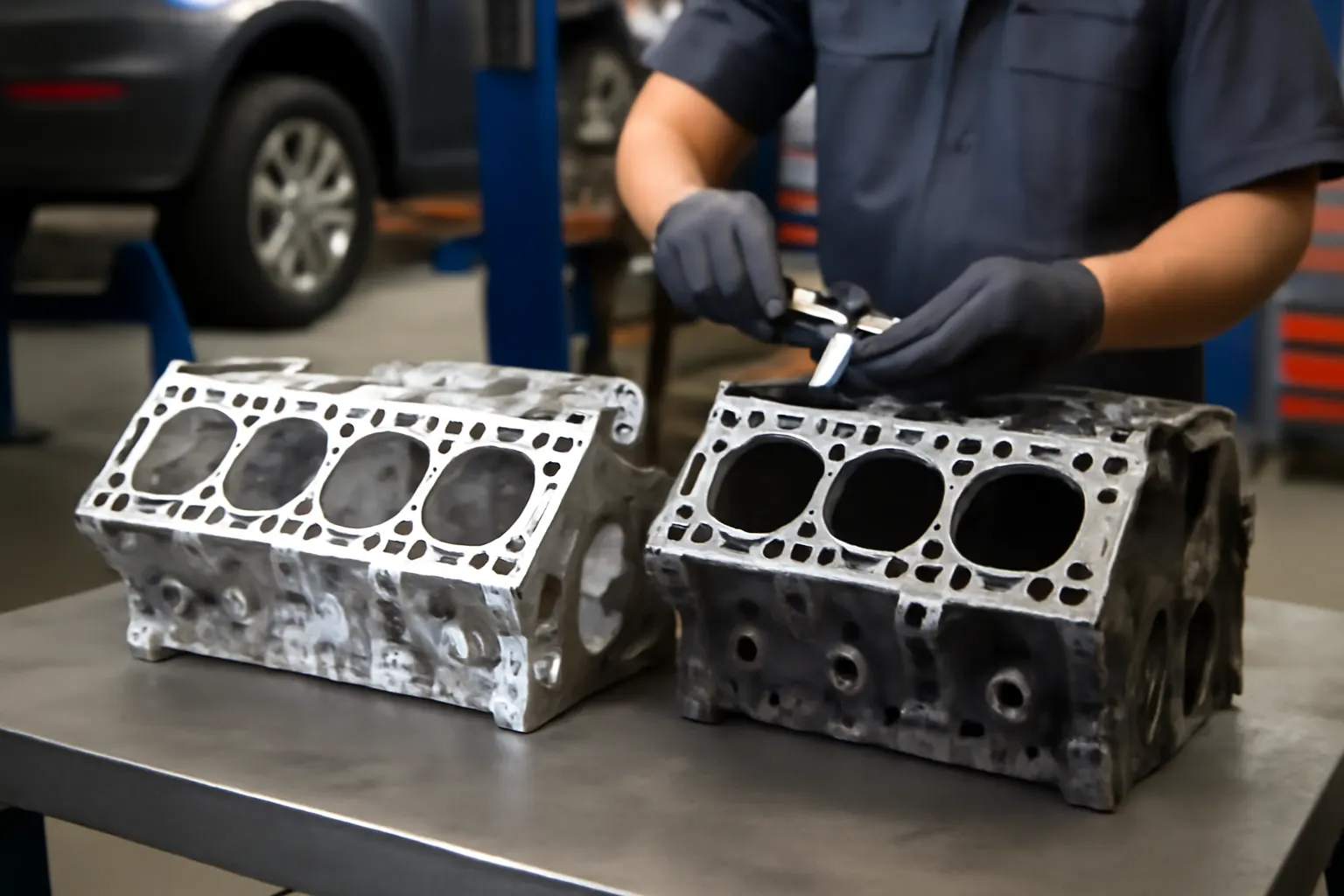
Engine blocks are designed with an intricate network of coolant passages—sometimes called water jackets—that surround the cylinders and main bearing areas. The precise design of these passages is determined by:
- The block material (aluminum vs. cast iron)
- The engine’s intended thermal load and performance characteristics
- Manufacturing constraints and weight considerations
Coolant is pumped through these passages by the water pump, drawing heat away from the hottest areas and delivering it to the radiator. The effectiveness of this process depends on:
- The integrity and cleanliness of coolant passages
- The performance of the water pump, thermostat, and radiator
- The quality and composition of the coolant itself
When any part of this system is compromised, uneven cooling can occur, setting the stage for premature engine block wear and failure. For a deeper dive into block materials, see our guide on Aluminum vs. Cast Iron Engine Blocks: Pros, Cons, and Applications.
Common Cooling System Failures That Threaten Engine Blocks
Understanding the most frequent cooling system failures is key to proactive engine block protection. The most common issues include:
1. Coolant Leaks
Coolant leaks can occur at hoses, water pumps, radiators, or even from cracks in the engine block itself. Loss of coolant reduces system efficiency and can quickly lead to overheating.
2. Thermostat Malfunction
A stuck thermostat can prevent coolant from circulating properly, causing the engine to run too hot or too cold. Overheating is especially dangerous for engine blocks.
3. Water Pump Failure
The water pump is the heart of the cooling system. If it fails, coolant circulation stops, and the engine block is exposed to dangerous heat levels.
4. Radiator Blockage or Failure
A clogged or damaged radiator cannot dissipate heat effectively, leading to coolant temperature spikes and engine block stress.
5. Corroded or Clogged Coolant Passages
Internal corrosion or mineral buildup restricts coolant flow inside the block, causing localized overheating and potential hot spots.
The Science: How Overheating Damages Engine Blocks
Metals expand when heated. Engine blocks—especially those made from aluminum—are engineered to operate within precise temperature ranges. When cooling fails:
- Thermal Expansion: Excessive heat causes the block and cylinder head to expand beyond design tolerances, risking warping.
- Microcracking: Repeated overheating cycles create stress risers that can result in microcracks, often invisible until catastrophic failure.
- Gasket Failure: Overheated surfaces compromise gasket seals, leading to leaks that further accelerate damage.
- Material Degradation: Prolonged high temperatures accelerate corrosion and reduce the mechanical strength of both iron and aluminum alloys.
These damage mechanisms are cumulative—each overheating event increases the risk of permanent block failure, even if the engine seems to recover initially.
Diagnosing Cooling System and Engine Block Issues
Early detection of cooling system and engine block problems is critical. The following checklist can help you spot issues before they become catastrophic:
Cooling System Diagnostic Checklist
- Check Coolant Level: Inspect the reservoir and radiator when the engine is cool. Low coolant may indicate leaks.
- Inspect for Leaks: Look for wet spots, stains, or puddles under the vehicle, especially near the radiator, hoses, or water pump.
- Monitor Engine Temperature Gauge: Frequent spikes, especially under load, are a red flag.
- Look for Steam or Sweet Smell: Steam from under the hood or a sweet odor can indicate coolant escaping under pressure.
- Check for Discolored Coolant: Rusty, milky, or sludgy coolant signals contamination or internal leaks.
- Observe Exhaust Smoke: White smoke may indicate coolant entering the combustion chamber due to head gasket or block failure.
- Pressure Test the System: Use a cooling system pressure tester to identify leaks not visible to the eye.
- Inspect Radiator and Cap: Check for corrosion, fin damage, or a faulty pressure cap.
If you suspect block damage, refer to our How to Diagnose Engine Block Cracks and Warping guide for a step-by-step technical approach.
Preventive Maintenance: Extending Engine Block Life
Routine cooling system maintenance is the most effective way to prevent engine block damage. Key steps include:
1. Regular Coolant Flushes
Flush and replace coolant according to your vehicle’s manufacturer schedule—typically every 2 to 5 years. Use the recommended coolant type for your engine block material to prevent galvanic corrosion.
2. Inspect and Replace Hoses and Belts
Rubber hoses degrade over time, leading to leaks or bursts. Inspect for cracks, bulges, or softness and replace as needed.
3. Service the Thermostat
Replace the thermostat at recommended intervals, or sooner if you notice erratic temperature readings.
4. Water Pump Replacement
Water pumps typically last 60,000 to 100,000 miles. Replace at the first sign of leakage or noise.
5. Radiator and Cap Maintenance
Clean external radiator fins, check for internal blockages, and replace the radiator cap if it fails to hold pressure.
6. Use Distilled Water (If Mixing Coolant)
When mixing concentrated coolant, always use distilled water to avoid mineral deposits in the block and radiator.
Upgrading Cooling System Components for Enhanced Longevity
For high-performance, heavy-duty, or older vehicles, upgrading cooling system components can provide additional protection for your engine block.
Upgrade Options:
- High-Flow Radiators: Larger core radiators provide increased surface area for heat dissipation.
- Performance Water Pumps: Improved impeller designs offer greater coolant flow and reliability.
- Electric Fans: Replace mechanical fans with electric units for more consistent airflow, especially at low speeds.
- Aluminum Radiators: Lighter and more corrosion-resistant than traditional copper/brass designs.
- Coolant Additives: Some additives improve heat transfer or inhibit corrosion, but always verify compatibility with your block material.
Upgrades should be selected based on your engine’s thermal output, operating environment, and intended use. Consult a professional or reference your vehicle’s technical specifications before making significant changes.
Material Matters: Aluminum vs. Cast Iron Blocks and Cooling Needs
The material composition of your engine block directly affects cooling system requirements:
- Aluminum Blocks: Lighter and dissipate heat more rapidly, but are more susceptible to warping and corrosion if coolant chemistry is neglected.
- Cast Iron Blocks: More robust against thermal cycling, but heavier and slower to shed heat, making them more vulnerable to localized hot spots if coolant flow is restricted.
Using the correct coolant, maintaining inhibitor levels, and ensuring proper flow are especially critical for aluminum blocks. For a full discussion of block materials and their implications, see Aluminum vs. Cast Iron Engine Blocks: Pros, Cons, and Applications.
Cooling System Upkeep and Fuel Efficiency
A healthy cooling system does more than protect your engine block—it also improves fuel efficiency and emissions. When an engine runs at its optimal temperature:
- Combustion is more complete, reducing unburned hydrocarbons
- Friction between moving parts is minimized
- The engine control unit (ECU) can optimize fuel injection and ignition timing
According to the United States Department of Energy, efficient engine operation is a key driver of overall vehicle fuel economy. Neglected cooling systems can cause the engine to run hotter than intended, resulting in reduced efficiency and increased emissions.
Recognizing Signs of Imminent Engine Block Damage
Understanding the warning signs of engine block distress can save you from expensive repairs. Watch for:
- Persistent overheating despite coolant top-offs
- Unexplained coolant loss with no visible leaks
- Oil with a milky or frothy appearance (coolant contamination)
- Coolant with an oily sheen (oil contamination)
- Rough idle or loss of power
- External cracks or coolant seepage on the block
If any of these symptoms are present, immediate diagnostic action is required. Delaying repairs can turn minor issues into major engine block failures.
Selecting the Right Replacement Parts and Coolant
When replacing cooling system components, it’s essential to use parts that match your vehicle’s specifications. Consider:
- OEM vs. Aftermarket: OEM parts offer guaranteed fitment and material compatibility. High-quality aftermarket options are available but must meet or exceed original standards.
- Coolant Type: Use the coolant recommended by your vehicle manufacturer. Mixing incompatible coolants can cause gel formation and corrosion.
- Material Compatibility: Ensure gaskets, hoses, and radiators are compatible with your engine block material to avoid galvanic corrosion.
Always consult your vehicle’s service manual or a trusted supplier like AutoPartEx to ensure correct fitment for your specific make and model.
Installation and Maintenance Best Practices
Proper installation and routine maintenance are critical for cooling system reliability and engine block longevity. Follow these guidelines:
Installation Tips
- Torque to Spec: When replacing components like water pumps or thermostats, always torque bolts to manufacturer specifications to avoid leaks or warping.
- Bleed the System: Air pockets in the cooling system can cause hot spots. Use the correct procedure to bleed air after coolant replacement.
- Inspect Mating Surfaces: Clean all gasket surfaces thoroughly to ensure a proper seal.
- Use New Gaskets: Never reuse old gaskets or seals.
Maintenance Schedule
- Monthly: Check coolant level and inspect for leaks.
- Every 6 Months: Inspect hoses, belts, and radiator cap.
- Annually: Flush coolant, inspect thermostat, pressure-test the system.
- Every 2-5 Years: Replace coolant, radiator hoses, and thermostat as needed.
A disciplined maintenance routine is your best defense against engine block failure.
AutoPartEx: Your Partner in Engine Block and Cooling System Longevity
At AutoPartEx, we recognize that the engine block is the heart of your vehicle’s performance and reliability. Our curated inventory of OEM and high-quality aftermarket cooling system components is engineered to meet or exceed industry standards, ensuring perfect compatibility with your engine block—whether you drive a classic AMC, a modern Acura, or a high-performance Alfa. Our technical resources, such as Engine Block Preparation for High-Performance Builds, are designed to empower automotive enthusiasts and professionals alike.
By leveraging our expertise and commitment to quality, you can confidently source, maintain, and upgrade your cooling system—protecting your engine block for years of dependable service.
Conclusion: The Lifeline Between Your Cooling System and Engine Block
The connection between your cooling system and engine block longevity cannot be overstated. Every mile you drive, your engine block depends on a robust and well-maintained cooling system to keep temperatures in check, prevent damage, and deliver lasting performance. Neglecting this crucial system is a hidden liability that can turn minor issues into major failures.
By understanding the science, recognizing the warning signs, and following best practices for maintenance and upgrades, you can dramatically extend the life of your engine block—saving money, reducing downtime, and preserving the value of your vehicle. For those looking to start or upgrade their journey, explore our Engine Blocks: The Foundation of Power and Precision category for the latest parts, guides, and technical support.