
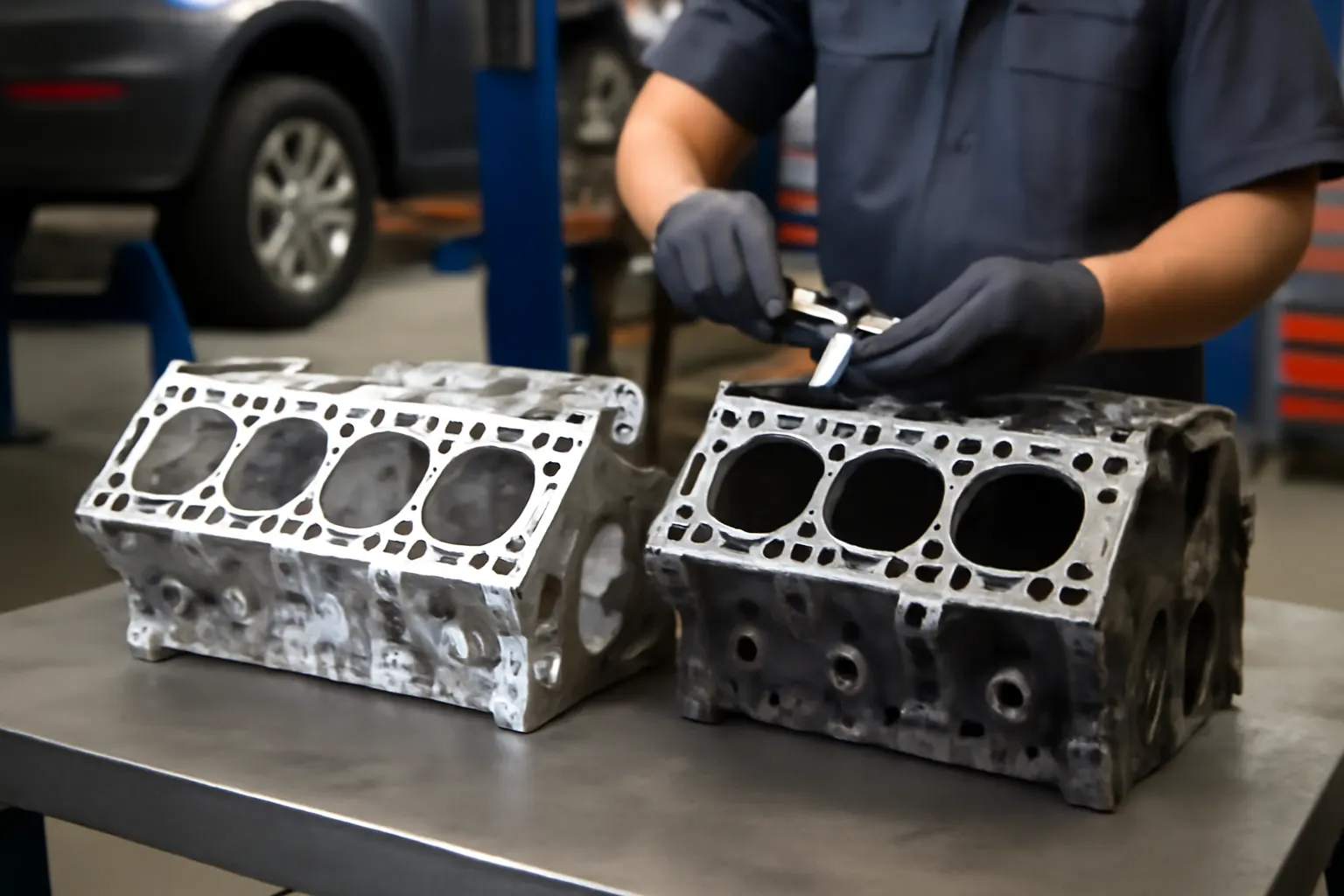
Aluminum vs. Cast Iron Engine Blocks: Pros, Cons, and Applications
When choosing an engine block—whether for a daily driver, a high-performance build, or a restoration—your choice often comes down to two materials: aluminum or cast iron. Each has distinct advantages and trade-offs in terms of weight, strength, cost, thermal properties, and long-term durability. Understanding these differences is crucial for making the right decision for your application, maintenance plan, and performance goals.
If you’re looking for deeper insights into how engine blocks form the core of your vehicle’s performance and reliability, visit our Engine Blocks: The Foundation of Power and Precision category page for a comprehensive overview.
The Immediate Answer: Key Differences at a Glance
Aluminum engine blocks are prized for their lightweight, making them a favorite in modern vehicles focused on fuel efficiency and responsive handling. Cast iron blocks, on the other hand, are renowned for their robustness, heat tolerance, and longevity, making them a staple in heavy-duty, high-torque, and performance applications.
Here’s a quick comparison:
| Property | Aluminum Engine Block | Cast Iron Engine Block |
|---|---|---|
| Weight | Light (saves 40–60 lbs on average) | Heavy |
| Thermal Conductivity | High (better heat dissipation) | Lower (retains heat longer) |
| Strength | Lower (may require reinforcement) | High (naturally strong) |
| Corrosion Resistance | Good, but prone to galvanic issues | Excellent, but can rust externally |
| Machinability | Excellent | Good, but harder to machine |
| Cost | Generally higher | Lower (material and casting) |
| Typical Applications | Passenger cars, racing, hybrids | Trucks, diesels, performance builds |
Bottom line: Aluminum blocks are ideal for weight savings and efficiency; cast iron blocks are built for strength and durability.
The Hidden Problem: One Size Does Not Fit All
On the surface, picking between aluminum and cast iron seems straightforward—just go with the lighter or stronger option. However, the real-world decision is complicated by factors like:
- Thermal expansion and distortion risks
- Compatibility with high horsepower or forced induction
- Maintenance and repair considerations
- Cost of ownership over the vehicle’s lifetime
- Fitment for specific makes, models, and performance goals
Failing to account for these can lead to premature engine wear, unexpected failure, or costly retrofits. The selection process goes beyond material preference—a deep understanding of use-case, environment, and technical requirements is essential.
Why Material Matters: Technical Foundations
The Role of Engine Blocks in Performance and Reliability
The engine block is the structural backbone of your vehicle’s powertrain. It houses the cylinders, supports moving components, and manages heat transfer. The material properties of the block directly influence:
- Weight distribution and handling: A lighter block (aluminum) can improve front-rear balance and agility.
- Engine cooling and thermal management: Materials with higher thermal conductivity (aluminum) transfer heat away from combustion zones more efficiently.
- Structural integrity under stress: Cast iron’s rigidity resists warping and cracking under high combustion pressures.
- Machining and assembly precision: Softer metals (aluminum) allow for tighter tolerances and easier repair.
Aluminum Engine Blocks: Material Characteristics
- Lightweight Construction: Aluminum is roughly one-third the density of cast iron, resulting in significant weight savings.
- High Thermal Conductivity: Aluminum dissipates heat quickly, reducing hotspots and improving cooling system efficiency.
- Corrosion Resistance: Aluminum forms a protective oxide layer, but is susceptible to galvanic corrosion if paired with dissimilar metals.
- Machinability: Easier to machine, allowing for complex designs and tight tolerances.
Cast Iron Engine Blocks: Material Characteristics
- Robust Strength: Cast iron is exceptionally strong and resists flexing, making it ideal for high-stress, high-horsepower applications.
- Thermal Stability: Retains heat longer, which can be beneficial for consistent operating temperatures but may require robust cooling.
- Resistance to Wear: Superior wear resistance in cylinder bores, especially in older or high-mileage engines.
- Cost-Effectiveness: Generally less expensive to produce and repair.
Application-Specific Considerations
Passenger Cars and Daily Drivers
Modern passenger vehicles—especially compact and midsize models—often use aluminum engine blocks to maximize fuel efficiency and meet stringent emissions standards. According to the United States Department of Energy, reducing vehicle weight by just 10% can improve fuel economy by 6–8%. Aluminum blocks contribute directly to this goal.
Typical benefits:
- Improved acceleration and braking due to less mass
- Better fuel mileage
- Quieter operation
Potential drawbacks:
- May be less tolerant of overheating (risk of warping or cracking)
- Sometimes require cast iron cylinder liners for durability
Trucks, SUVs, and Heavy-Duty Vehicles
For larger vehicles, cast iron remains the material of choice. The extra weight is offset by the need for durability and the ability to handle high torque loads.
Advantages:
- Superior longevity and wear resistance
- Handles high cylinder pressures (diesel engines, turbocharged applications)
- Lower risk of catastrophic failure under severe load
Trade-offs:
- Heavier, reducing fuel efficiency
- More challenging to machine and repair
Performance and Motorsport Applications
High-performance builds—whether for track, drag, or rally—often split between aluminum and cast iron blocks depending on goals:
- Aluminum: Chosen for weight savings and rapid heat dissipation in naturally aspirated or mildly boosted engines.
- Cast Iron: Preferred for extreme boost, nitrous, or high-displacement builds where block rigidity is paramount.
For racing classes with strict weight limits, aluminum is almost a requirement. For unlimited horsepower or forced induction, cast iron’s strength often wins out.
Hybrid and Electric Vehicles
While not always directly relevant to EVs (which may not use traditional engine blocks), hybrids often employ aluminum blocks to minimize weight and maximize overall drivetrain efficiency.
Real-World Performance: Maintenance and Durability
Aluminum Block Maintenance Considerations
Aluminum blocks require careful attention to coolant chemistry and maintenance intervals:
- Coolant Choice: Use manufacturer-recommended coolants to prevent galvanic corrosion, especially in mixed-metal systems.
- Overheating Risks: Aluminum’s lower melting point and higher expansion rate make it less forgiving of overheating. Always monitor cooling system health.
- Thread Repair: Aluminum threads can strip more easily; use proper torque specs and thread inserts when necessary.
- Cylinder Liner Wear: Many aluminum blocks use iron or steel liners—inspect for liner wear or movement during rebuilds.
Cast Iron Block Maintenance Considerations
Cast iron blocks are robust but not invincible:
- Rust Prevention: Exposed cast iron can rust—keep surfaces clean and painted or coated as needed.
- Weight Handling: Take care when lifting or moving; weight can cause injury or damage if mishandled.
- Crack Inspection: Iron is brittle compared to aluminum—inspect for cracks, especially near freeze plugs or main bearing webs.
- Cylinder Honing: Cast iron bores hold crosshatch patterns well, but excessive honing can reduce lifespan.
Diagnostic Checklist: Assessing Block Material Health
Before committing to a rebuild, swap, or purchase, use this checklist to evaluate the condition of an engine block—aluminum or cast iron:
Engine Block Material Diagnostic Checklist:
- Visual Inspection: Look for cracks, corrosion, or pitting on all exterior and accessible interior surfaces.
- Magnetic Particle Testing (cast iron): Use to detect subsurface cracks.
- Dye Penetrant Testing (aluminum): Identifies surface cracks invisible to the naked eye.
- Coolant Passage Inspection: Check for corrosion, scaling, or blockages—more common in aluminum.
- Cylinder Bore Measurement: Use a bore gauge to check for out-of-round or taper (wear pattern).
- Thread Integrity: Inspect all threaded holes for stripping or damage.
- Deck Flatness: Use a straightedge and feeler gauge—warpage is a concern, especially for aluminum.
- Freeze Plug Condition: Ensure plugs are intact and not leaking.
- Casting Marks: Verify OEM or high-quality aftermarket casting marks for authenticity.
For more details on diagnosing engine block issues, see our guide: How to Diagnose Engine Block Cracks and Warping.
Fuel Efficiency and Emissions: Material Impact
The weight reduction from using aluminum blocks translates directly into improved fuel economy. The Department of Energy’s Fuel Efficiency research confirms that lighter vehicles require less energy to accelerate and maintain speed, thus reducing fuel consumption and emissions. This is a primary driver behind the automotive industry’s shift toward aluminum and other lightweight alloys.
However, it’s important to note that:
- Real-world gains depend on total vehicle mass, not just the engine block.
- Accessory drive systems, such as the AC Compressor, also benefit from lighter engine assemblies.
- Thermal management with aluminum blocks can help engines run at optimal temperatures, further improving efficiency.
Safety and Regulatory Considerations
According to the National Highway Traffic Safety Administration, both aluminum and cast iron engine blocks must meet rigorous safety standards for crashworthiness and reliability. Material selection must not compromise structural integrity in the event of a collision.
- Aluminum blocks may incorporate reinforced ribs or integrated subframes to meet safety standards.
- Cast iron’s rigidity can help maintain engine compartment integrity in severe impacts.
- Both materials are subject to recalls if found defective—always check the NHTSA recalls database for pertinent manufacturer updates.
Machining, Rebuilding, and Aftermarket Upgrades
Aluminum Blocks
- Easier to machine for custom builds or repairs
- Require specialized welding techniques if cracks develop
- Cylinder re-sleeving is common for high-mileage or performance applications
- Aftermarket support is strong for popular platforms, but costs can be higher due to material and complexity
Cast Iron Blocks
- Can be bored and honed multiple times
- Welding repairs are possible but require expertise to avoid brittleness
- Aftermarket blocks are readily available for classic and performance vehicles
- Generally less expensive to repair and modify
For those embarking on performance builds, see our guide: Engine Block Preparation for High-Performance Builds for technical steps and best practices.
Sourcing and Fitment: What to Look for When Buying
When sourcing a replacement or upgrade engine block, consider the following factors:
- OEM vs. Aftermarket: OEM blocks offer guaranteed fitment but may be costlier. Aftermarket options can provide enhanced features (reinforced mains, improved oiling) but require careful research for compatibility.
- Casting Numbers and Markings: Always verify casting numbers to ensure correct application for your vehicle make and model.
- Cylinder Bore Size: Confirm that the bore size matches your intended piston and crankshaft setup.
- Accessory Mounting Points: Check for compatibility with existing accessories such as the AC Compressor Bracket or Air Box/Air Cleaner.
- Shipping and Handling: Aluminum blocks are easier to transport, but both materials require careful packaging to avoid damage.
Installation Tips: Avoiding Common Pitfalls
Proper installation is critical to engine longevity—here’s how to get it right:
For Aluminum Blocks
- Use proper torque specs: Over-tightening can strip threads or warp surfaces.
- Apply anti-seize to fasteners: Prevents galling and makes future removal easier.
- Monitor gasket selection: Aluminum requires compatible gasket materials to avoid leaks or corrosion.
- Pay attention to coolant system bleeding: Air pockets can rapidly overheat aluminum blocks.
For Cast Iron Blocks
- Check all mating surfaces for rust or debris: Ensures proper sealing.
- Use thread sealant on head bolts as specified: Prevents coolant leaks into the block.
- Lift with proper equipment: Avoid dropping or damaging the heavy assembly.
Long-Term Ownership: What to Expect
Aluminum Block Owners
- Expect lower overall vehicle weight and slightly better fuel economy.
- Plan for more frequent cooling system inspection and maintenance.
- Potential for higher repair costs if catastrophic failure occurs (cracked block).
- Resale value may be higher for modern, fuel-efficient vehicles.
Cast Iron Block Owners
- Benefit from proven durability and lower risk of catastrophic failure.
- Accept increased vehicle weight and slightly reduced fuel efficiency.
- Potential for rust if exposed to harsh environments or neglected maintenance.
- Ideal for classic, heavy-duty, or high-horsepower applications.
Cooling System Integration and Block Longevity
Engine block material directly influences cooling system design and performance. Aluminum’s superior heat transfer allows for more compact radiators and faster cool-down cycles, but it also means overheating events can cause rapid damage. Cast iron, while slower to transfer heat, can better withstand brief temperature spikes.
For a deep dive into optimizing your cooling system for block longevity, read The Role of Cooling Systems in Engine Block Longevity.
The Future: Trends in Engine Block Materials
Automotive manufacturers are increasingly blending materials—using aluminum blocks with cast iron liners, or employing advanced composites—to balance weight, strength, and cost. The United States Department of Energy’s Materials Technologies research highlights ongoing work to further reduce vehicle weight without sacrificing safety or durability.
Expect to see:
- More aluminum in mainstream vehicles
- Hybrid designs for performance and longevity
- Emergence of new alloys and manufacturing techniques
AutoPartEx Expertise: Your Partner in Engine Block Solutions
Choosing the right engine block material is a decision that affects every aspect of your vehicle’s performance, reliability, and long-term cost. At AutoPartEx, we combine technical expertise, rigorous sourcing standards, and a vast inventory of both aluminum and cast iron engine blocks. Whether you’re restoring a classic, upgrading for performance, or maintaining a modern daily driver, our team can help you make an informed, confident choice.
Explore our Engine Blocks: The Foundation of Power and Precision category for detailed guides, product listings, and technical support. For specialized questions or fitment assistance, reach out to our technical support team—backed by decades of hands-on experience in engine block selection, installation, and diagnostics.
Final Checklist: Choosing the Right Engine Block Material
Before making your final selection, review this summary checklist:
Engine Block Material Selection Checklist:
- Identify Your Application: Daily driver, performance, heavy-duty, or hybrid/electric
- Assess Weight vs. Durability Needs: Is weight savings or strength more important?
- Review Cooling System Compatibility: Can your cooling system support the chosen material?
- Check Maintenance Requirements: Are you prepared for the unique upkeep of each material?
- Verify Fitment: Confirm block compatibility with your vehicle and accessories
- Plan for Future Upgrades: Will your choice accommodate planned performance increases?
- Budget for Long-Term Costs: Consider not just the purchase price, but maintenance and repair
- Consult Technical Resources: Use AutoPartEx guides and support for expert recommendations
