How Cooling System Health Impacts Cylinder Head Longevity
For anyone serious about maximizing engine performance and durability, understanding the relationship between your vehicle’s cooling system and the Engine Cylinder Head: The Heart of Precision Combustion and Performance is vital. The engine's cooling system isn’t just about keeping things comfortable under the hood; it’s a frontline defense against overheating, warping, and catastrophic cylinder head failures. In this comprehensive guide, we’ll break down exactly why a healthy cooling system is essential for cylinder head longevity, the hidden threats posed by neglect, and practical steps every driver, technician, or enthusiast should follow.
The Immediate Answer: Cooling System Health Directly Protects Your Cylinder Head
A properly functioning cooling system safeguards your engine cylinder head by regulating temperature, preventing overheating, and ensuring uniform heat dissipation. Components like the radiator, water pump, thermostat, and coolant passages work together to prevent thermal stress, which can otherwise cause cylinder head warping, cracking, or gasket failure. Neglecting routine cooling system maintenance—such as coolant flushes, leak checks, and thermostat replacements—exposes your cylinder head to damaging temperature spikes and accelerated wear.
The Hidden Problem: Cylinder Heads Are Vulnerable to Even Minor Cooling System Failures
Most drivers and even some technicians underestimate just how quickly a small cooling system issue can lead to major cylinder head damage. A partially clogged radiator, a sticking thermostat, or a slow coolant leak might seem minor, but these issues can cause localized overheating. The result? Warping of the cylinder head, blown head gaskets, or even catastrophic cracking—especially in modern engines with lightweight aluminum heads. These failures are expensive to repair and may go unnoticed until performance drops or irreversible damage occurs.
Why Cylinder Heads Are So Sensitive to Cooling System Health
Material Science Meets Thermal Engineering
Modern cylinder heads are often made from advanced aluminum alloys to reduce weight and enhance heat transfer, as highlighted by the U.S. Department of Energy’s work on Materials Technologies. While aluminum dissipates heat more quickly than cast iron, it’s also more susceptible to thermal expansion and warping under excessive heat. Even a brief episode of overheating can permanently distort an aluminum cylinder head, leading to poor sealing, oil and coolant leaks, and reduced engine efficiency.
Combustion Temperatures and Localized Hot Spots
The cylinder head sits directly above the combustion chamber, where temperatures can routinely exceed 2,500°F (1,370°C) during engine operation. The cooling system’s job is to keep the metal temperature within a safe operating range (typically between 180–220°F/82–104°C). Any disruption in coolant flow or heat transfer can create localized hot spots, stressing the cylinder head and its gasket, especially around exhaust valve seats and spark plug holes.
The Chain Reaction: How Cooling System Failures Lead to Cylinder Head Damage
Step-by-Step Failure Progression
- Minor Cooling Issue: Coolant level drops or flow is restricted due to scale, corrosion, or a worn-out water pump.
- Localized Overheating: Areas of the cylinder head, especially around exhaust ports, become hotter than designed.
- Thermal Expansion: The head expands unevenly, increasing stress at gasket surfaces and bolt holes.
- Warping or Cracking: Over time or after a single severe overheat, the head may warp or crack.
- Gasket Failure: Head gasket loses its seal, causing oil/coolant mixing, loss of compression, and further overheating.
- Engine Damage: If not addressed, the engine may experience loss of power, misfires, or catastrophic failure.
Diagnosing Cooling System Weaknesses Before Cylinder Head Damage Occurs
Proactive Inspection Checklist
- Coolant Level and Condition: Check reservoir and radiator. Look for low levels, discoloration, or contamination.
- Radiator Health: Inspect for clogs, bent fins, or external leaks.
- Thermostat Function: Ensure engine warms up promptly but doesn’t overheat. A stuck thermostat (open or closed) can cause chronic problems.
- Water Pump Operation: Listen for bearing noise, check for leaks at the weep hole, and verify proper coolant circulation.
- Hose Integrity: Look for swelling, soft spots, or cracks in all coolant hoses.
- Heater Core: Poor cabin heat can indicate restricted coolant flow or trapped air (which can also affect cylinder head cooling).
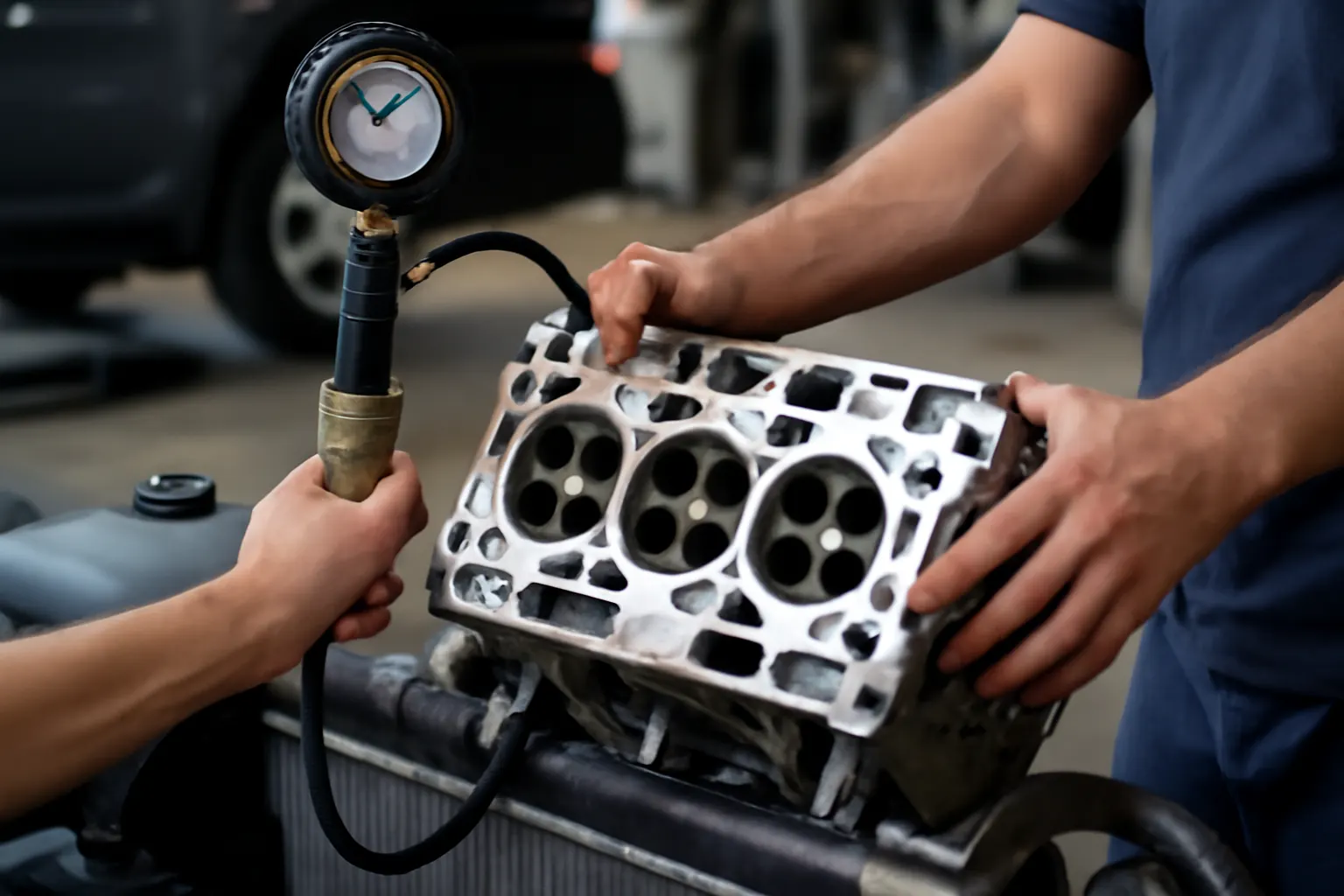
- Pressure Test: Use a cooling system pressure tester to check for leaks or weak spots under pressure.
- Fan Operation: Electric or mechanical cooling fans must activate as intended, especially during idling or low-speed operation.
The Importance of Coolant Quality and Regular Replacement
Why Old or Contaminated Coolant Is Dangerous
Coolant (antifreeze) does more than transfer heat—it also lubricates the water pump, inhibits corrosion, and prevents scale buildup inside the cylinder head’s coolant passages. Over time, coolant degrades and loses its protective additives. If left unchanged, it can turn acidic, corrode aluminum surfaces, and promote electrolysis, leading to pitting or internal cracks in the head.
Choosing the Right Coolant
Always use the manufacturer-specified coolant type and mixture ratio. Mixing incompatible coolants (e.g., green IAT with orange OAT) can cause gel formation and block coolant passages, directly threatening cylinder head cooling.
Cylinder Head Materials: Why Aluminum Heads Need Extra Cooling Attention
Referencing Understanding Cylinder Head Materials: Aluminum vs. Cast Iron, aluminum heads are lighter and dissipate heat faster, but they’re less tolerant of overheating than traditional cast iron. Even a single overheating incident can render an aluminum cylinder head unusable due to warping. Cast iron heads are more robust but still susceptible to cracking if cooling system health is ignored.
Signs of Cylinder Head Distress
- Engine Misfire: Loss of compression due to warped head or failed gasket.
- White Smoke: Coolant entering the combustion chamber.
- Oil Contamination: Milky oil from coolant mixing.
- Overheating: Persistent temperature spikes despite normal coolant levels.
- External Leaks: Coolant or oil seeping from the head gasket area.
Preventive Maintenance: Service Intervals and Best Practices
Cooling System Maintenance Schedule
- Coolant Flush: Every 2–5 years or per vehicle manufacturer recommendation.
- Thermostat Replacement: Every 60,000–100,000 miles, or when symptoms arise.
- Radiator Inspection: Annually check for debris, corrosion, and leaks.
- Hose and Clamp Replacement: Every 4–6 years or as needed.
- Water Pump Replacement: At timing belt/chain intervals or if leaking/noisy.
Maintenance Best Practices
- Use only distilled water when mixing coolant to prevent mineral scale.
- Bleed air from the cooling system after service to avoid hot spots.
- Inspect the radiator cap for proper pressure retention.
- Monitor dashboard temperature gauge and investigate any abnormal readings immediately.
Recognizing Early Warning Signs: What Drivers and Technicians Should Watch For
Checklist: Early Cooling System and Cylinder Head Warning Signs
| Symptom | Possible Cause | Action Required |
|---|---|---|
| Rising temp gauge | Low coolant, stuck thermostat | Check and top off coolant, inspect thermostat |
| Heater blows cold air | Air in system, low coolant | Bleed system, check for leaks |
| Visible coolant leak | Hose, radiator, or water pump failure | Inspect and replace as needed |
| White exhaust smoke | Head gasket leak, cracked head | Compression/leakdown test, inspect head |
| Milky oil on dipstick | Coolant in oil, gasket/head failure | Stop engine, diagnose head/gasket |
| Bubbling in overflow | Combustion leak into cooling system | Block test, inspect head and gasket |
Reacting quickly to these symptoms can often prevent expensive cylinder head repairs.
The Role of Related Cooling Components: Radiator, Water Pump, and More
How Each Cooling Component Affects Cylinder Head Health
- Radiator: Main heat exchanger; blockages or leaks reduce cooling efficiency and raise head temperature.
- Water Pump: Maintains coolant circulation; failure leads to local hot spots, especially at the cylinder head.
- Thermostat: Regulates engine operating temperature; stuck closed can cause rapid overheating.
- Radiator Cap: Maintains system pressure; a weak cap can cause boiling and coolant loss.
- Cooling Fans: Essential for low-speed cooling; fan failure leads to overheating during idle or traffic.
- Heater Core: Acts as a secondary radiator; blockages can indicate system contamination.
Routine inspection and replacement of these components are crucial for cylinder head longevity.
Installation and Repair: Ensuring Proper Cylinder Head and Cooling System Fitment
Cylinder Head Installation Tips
- Always resurface or check flatness of the cylinder head and block mating surfaces.
- Use new head bolts or torque-to-yield bolts as specified.
- Follow manufacturer torque sequences and specifications.
- Replace the head gasket with a high-quality, vehicle-specific part.
- After installation, refill and bleed the cooling system to remove any trapped air.
For more detailed installation guidance, refer to Cylinder Head Installation Best Practices.
Advanced Diagnostics: When to Suspect a Hidden Cooling System Issue
Beyond the Basics
Not all cooling system problems are obvious. Some issues, like internal head gasket leaks, only manifest as gradual coolant loss or unexplained overheating. If you notice any of the following, advanced diagnostics are warranted:
- Unexplained Coolant Loss: No visible leaks but the reservoir drops over time.
- Pressure Loss: Cooling system can’t hold pressure during a test.
- Combustion Gases in Coolant: Detected using a chemical block tester.
- Localized Engine Noise: Ticking or knocking near the cylinder head.
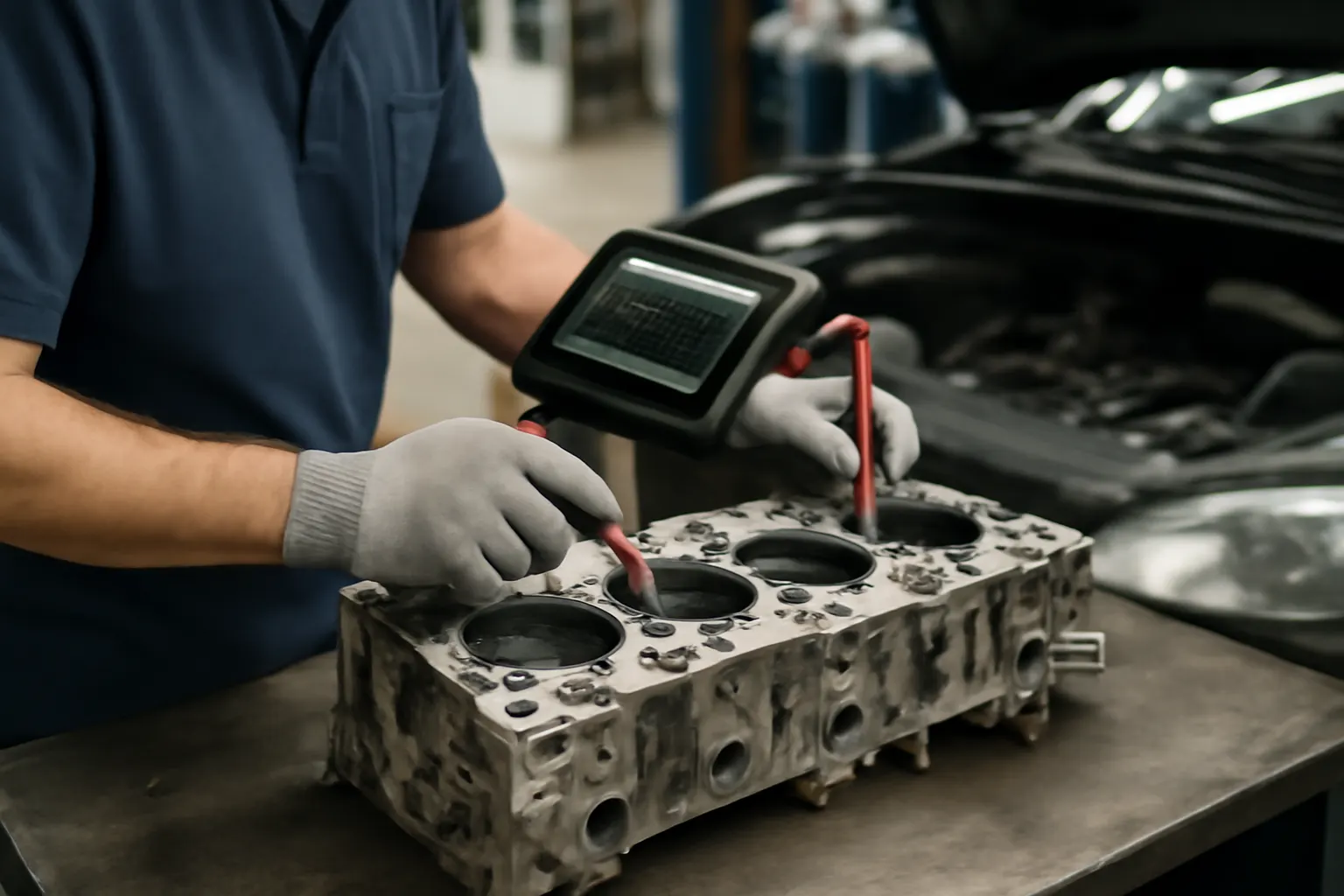
Technicians should use pressure testing, leakdown testing, and infrared thermography to pinpoint elusive cooling system or cylinder head issues before they escalate.
The Impact of Cooling System Health on Fuel Efficiency and Emissions
A healthy cooling system not only extends cylinder head life but also optimizes combustion efficiency. According to the U.S. Department of Energy’s Fuel Efficiency guidelines, engines running at optimal temperature achieve better fuel atomization, more complete combustion, and reduced emissions. Overheating or uneven temperatures can lead to pre-ignition, detonation, and increased hydrocarbon emissions—problems that begin at the cylinder head.
The Cost of Neglect: Real-World Consequences
Cylinder head repairs due to cooling system neglect are among the most expensive engine repairs, often requiring head resurfacing, gasket replacement, or complete head replacement. In severe cases, engine blocks may also be damaged. These repairs can easily exceed $1,500–$3,500, depending on vehicle type and labor costs. Preventive maintenance of the cooling system is a fraction of this cost and can prevent most cylinder head failures.
Sourcing Quality Cooling and Cylinder Head Parts: What to Look For
Buying Checklist
- OEM or OEM-quality parts: Ensures fitment and reliability, especially for radiators, thermostats, and water pumps.
- Material Compatibility: Choose cylinder heads and gaskets designed for your engine’s specific material (aluminum or cast iron).
- Comprehensive Kits: For major repairs, use full gasket kits and new bolts.
- Reputable Suppliers: Buy from trusted sources with proven track records in automotive parts quality and safety.
When sourcing components, consult AutoPartEx for a curated selection of engine cylinder head and cooling system parts, all vetted for performance, fitment, and durability.
AutoPartEx Positioning: Your Partner in Cylinder Head and Cooling System Maintenance
At AutoPartEx, we understand that the health of your vehicle’s engine cylinder head is inseparable from the condition of your cooling system. Our expert editorial team, robust part database, and technical resources empower you to make informed choices—whether you’re diagnosing a cooling system weakness, replacing a cylinder head, or looking for the right coolant. We’re committed to helping you maintain peak engine performance, reliability, and safety.
For further reading on cylinder head diagnostics and failure prevention, see Diagnosing Cylinder Head Failures: Symptoms and Solutions.
Conclusion: Don’t Gamble with Cylinder Head Longevity—Prioritize Cooling System Health
The connection between cooling system maintenance and cylinder head longevity is clear, direct, and critical. By understanding the risks, recognizing early warning signs, and following a disciplined maintenance schedule, you’ll protect your engine’s most precision-crafted component and avoid costly repairs. Invest in quality parts and rely on trusted resources like AutoPartEx to stay ahead of problems. Your engine—and your wallet—will thank you.
References
- Fuel Efficiency, United States Department of Energy
- Materials Technologies, United States Department of Energy
- Vehicle Safety and Equipment, National Highway Traffic Safety Administration