Rarity and Value: The Bricklin Parts Market
The Bricklin SV-1 stands as a testament to North American automotive ingenuity and ambition. For owners, restorers, and collectors, the rarity and value of Bricklin parts present both a badge of honor and a persistent challenge. In the world of classic automotive restoration, few vehicles combine the allure of limited production, innovative engineering, and a complex parts market quite like the Bricklin. This guide delivers immediate, actionable insight into the dynamics of sourcing Bricklin SV-1 components, the hidden pitfalls of the aftermarket, and the technical strategies required to secure, authenticate, and maintain these rare parts. For a comprehensive parts overview and fitment guide, see our Bricklin Auto Parts: Heritage, Fitment, and Technical Guide | AutoPartEx.
The Immediate Answer: Why Are Bricklin Parts So Rare and Valuable?
Bricklin SV-1 parts are rare and command significant value due to the extremely limited production run (1974–1976), the car’s unique engineering solutions, and the scarcity of both NOS (new old stock) and reproduction components. The SV-1’s distinctive features—such as its acrylic-bonded fiberglass body panels, hydraulic gullwing doors, and safety-centric design—mean that many parts are model-specific and not interchangeable with mass-market vehicles. As a result, sourcing original or high-quality replacement parts requires diligence, technical knowledge, and a readiness to navigate a fragmented market.
The Hidden Problem: The Bricklin Parts Market’s Unique Challenges
Beneath the surface, the Bricklin parts market is shaped by factors that complicate even straightforward repairs and restorations:
- Fragmented Supply Chains: With only around 2,900 SV-1s produced and even fewer surviving, there are no large-scale suppliers. Most parts are sourced from specialty vendors, small-batch fabricators, or the secondary market.
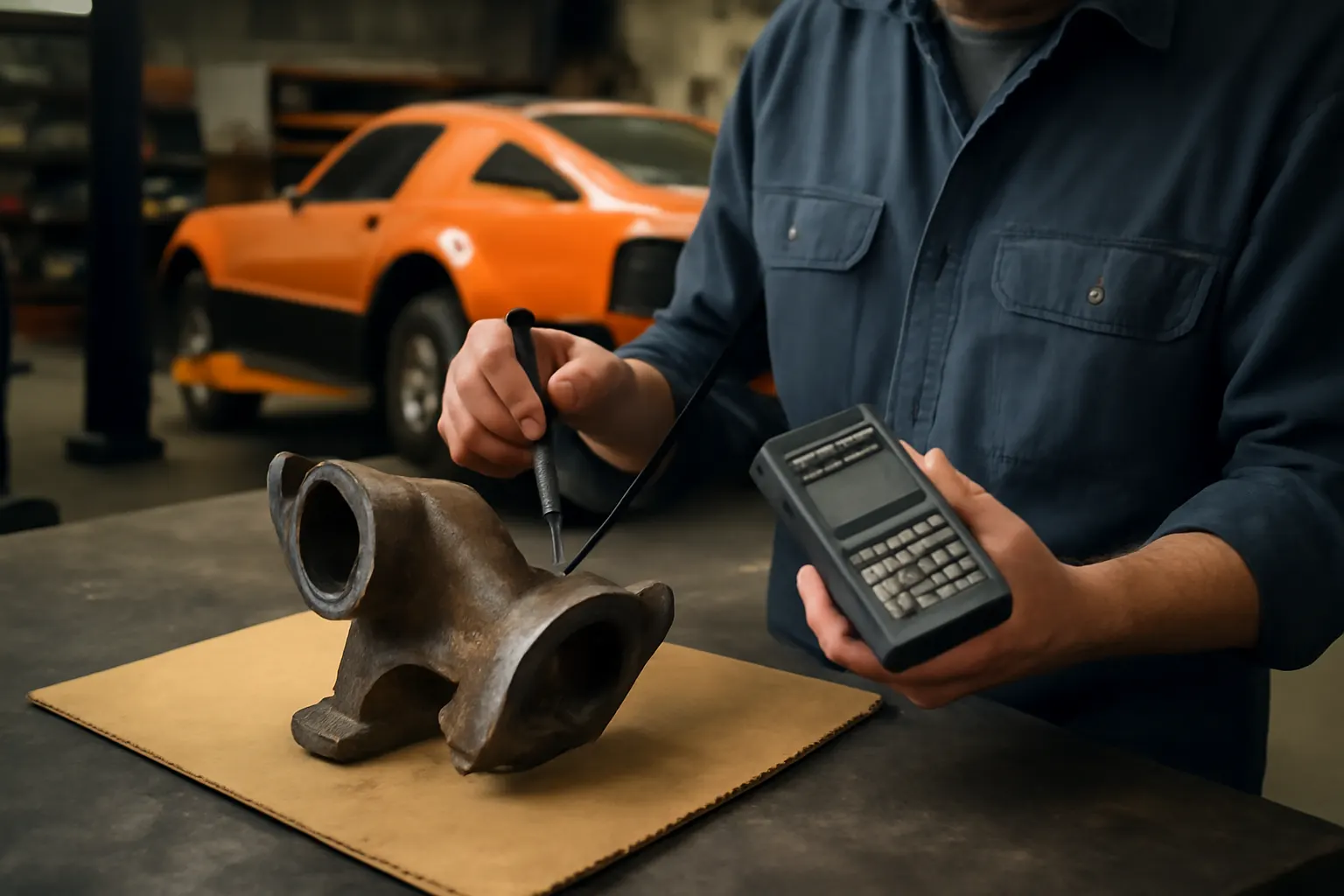
- Authentication Difficulties: The prevalence of reproduction and modified parts means that verifying authenticity is a constant concern, especially for collectors seeking concours-level restorations.
- Technical Compatibility: Later modifications, running production changes, and the use of off-the-shelf components from other manufacturers (e.g., AMC, Ford) introduce uncertainty about fitment and function.
- Material-Specific Issues: The SV-1’s acrylic/fiberglass body and unique hydraulic systems pose sourcing and repair challenges not seen in steel-bodied classics.
These complexities demand a nuanced approach to searching, buying, and installing Bricklin parts.
Bricklin SV-1: A Brief Technical Context
Understanding the SV-1’s design and engineering choices is essential for effective parts sourcing and selection:
- Body and Structure: The SV-1 used an innovative acrylic resin bonded to fiberglass, providing lightweight strength but complicating repairs and requiring specialized adhesives and finishing materials. This body construction is covered in-depth by Materials Technologies research, highlighting the challenges of sourcing compatible repair materials.
- Powertrain: Early SV-1s used AMC 360 V8s, while later models adopted Ford 351 Windsor engines. Drivetrain parts may be sourced from these manufacturers, but Bricklin-specific mounts, brackets, and linkages are rare.
- Hydraulic Gullwing Doors: The SV-1’s signature feature, the hydraulic door system, demands specialized parts and knowledge. Off-the-shelf hydraulic cylinders rarely fit without modification, and door control logic is unique to Bricklin.
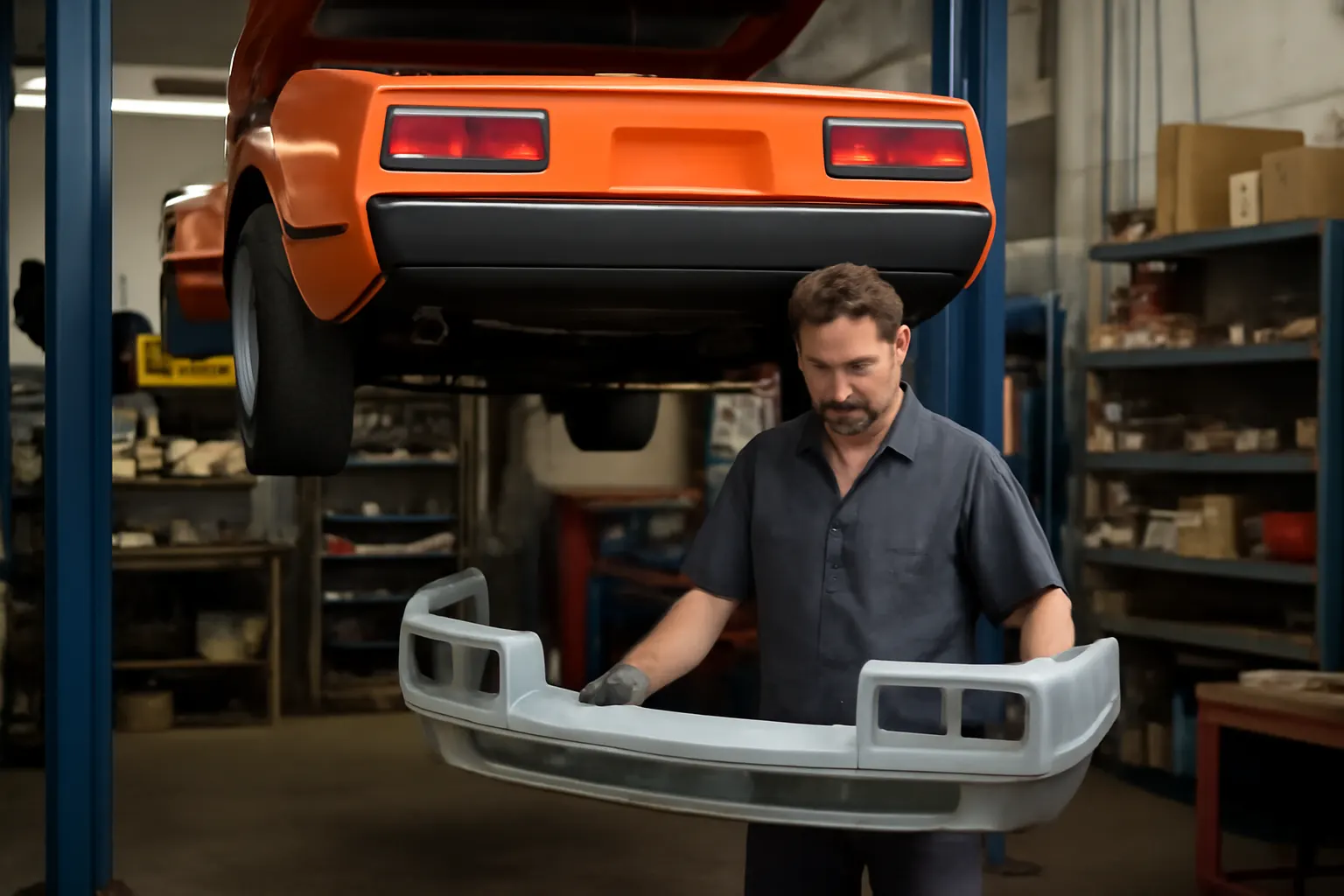
- Safety Equipment: The SV-1’s safety focus led to the use of proprietary bumpers, energy-absorbing structures, and unique interior components, many of which are not shared with other vehicles.
Market Dynamics: Supply, Demand, and Value
The Bricklin parts market is shaped by a classic case of supply and demand imbalance:
- Limited Supply: Only a handful of vendors specialize in Bricklin parts. NOS stocks dwindle yearly, and many components are no longer manufactured. Some owners resort to fabricating parts or adapting from similar-era vehicles.
- Rising Demand: As Bricklin SV-1s gain recognition at shows and in the collector market, demand for authentic parts and high-quality reproductions increases—driving prices higher.
- Value Fluctuation: Certain parts, such as original acrylic body panels, hydraulic door actuators, and unique trim pieces, command premium prices. Others, like drivetrain or brake components sourced from AMC or Ford, are more readily available and affordable.
The result is a market where knowledge, timing, and networking are as important as cash in hand.
Diagnostic Checklist: Evaluating Bricklin Parts for Purchase
Before committing to a purchase, use this checklist to assess the authenticity, condition, and suitability of Bricklin parts:
Bricklin Parts Evaluation Checklist
| Step | Question/Action | Why It Matters |
|---|---|---|
| Visual Inspection | Are there any signs of damage, repair, or modification? | Hidden repairs or mods affect value. |
| Casting/Stamp Marks | Does the part have Bricklin-specific identifiers or dates? | Confirms originality and production run. |
| Material Assessment | Is the material (acrylic, fiberglass, metal) correct? | Ensures compatibility and authenticity. |
| Fitment Research | Is the part cross-listed with AMC/Ford or Bricklin-only? | Affects installation and function. |
| Vendor Reputation | Is the seller recognized in the Bricklin community? | Reduces risk of counterfeit parts. |
| Documentation | Are there supporting photos, receipts, or provenance? | Critical for high-value transactions. |
| Return Policy | Can the part be returned if it doesn’t fit or isn’t genuine? | Provides buyer protection. |
Sourcing Strategies: Where and How to Find Bricklin Parts
Given the rarity of Bricklin components, successful sourcing requires a multi-pronged approach:
- Specialty Vendors: A small number of dedicated Bricklin suppliers maintain inventories of NOS, reproduction, and used parts. These vendors often have deep technical knowledge and can advise on fitment and installation.
- Owner Clubs and Forums: The Bricklin International Owners Club and online forums are invaluable for locating rare parts, sharing technical tips, and validating authenticity.
- Auctions and Classifieds: Online auction sites and classic car classifieds occasionally list Bricklin-specific parts. Due diligence is essential to avoid misrepresented or incompatible components.
- Fabrication and Restoration Shops: For unobtainable parts, custom fabrication may be the only option. Experienced restoration shops can reproduce brackets, interior trim, or body panels using original specifications or reverse engineering.
- Cross-Referencing with AMC/Ford: Many mechanical and electrical parts (e.g., engine internals, alternators, brake hardware) are shared with AMC or Ford vehicles of the era. Use official parts catalogs and interchange guides to identify suitable substitutes.
Authenticity and Fitment: Avoiding Costly Mistakes
One of the most significant risks in the Bricklin parts market is the purchase of incorrect or non-authentic components. Here’s how to minimize that risk:
- Request Detailed Photos: Ask for high-resolution images of casting numbers, date codes, and unique features.
- Consult Community Experts: Post photos and questions to Bricklin forums or social media groups for peer review.
- Cross-Check Part Numbers: Use original Bricklin parts manuals and AMC/Ford interchange guides to confirm compatibility.
- Inspect Materials: Ensure that body panels are acrylic/fiberglass and not generic fiberglass or plastic reproductions.
- Test Fitment: Whenever possible, test-fit parts before final installation, especially for body or hydraulic door components.
For a deeper dive on part authenticity, see our guide on Authenticity Checks for Classic Bricklin Parts.
Technical Considerations: Materials, Safety, and Performance
The SV-1’s unconventional materials and safety features require careful attention during repairs and upgrades:
- Acrylic/Fiberglass Repairs: Use only compatible adhesives and resins to avoid delamination or paint adhesion problems. Refer to government research on automotive materials for best practices (Materials Technologies).
- Hydraulic Door Systems: Replacement cylinders, lines, and switches must match original specifications for pressure and travel. Aftermarket or adapted parts may require custom mounting brackets and precise adjustment. For diagnostics and repair, consult our Hydraulic Door Diagnostics for Bricklin SV-1.
- Safety Equipment: Replacement bumpers, seat belts, and crash structures should meet or exceed original safety standards. When in doubt, refer to the National Highway Traffic Safety Administration’s guidelines on safety equipment.
Installation and Maintenance: Best Practices for Longevity
Proper installation and maintenance are essential to preserving both value and functionality:
- Follow Factory Procedures: Use original Bricklin service manuals for torque specs, alignment procedures, and assembly sequences.
- Material-Specific Care: For acrylic body panels, avoid harsh solvents and use only approved polishes and cleaners. Fiberglass repairs should use marine- or automotive-grade resins.
- Hydraulic System Maintenance: Regularly inspect hydraulic lines and cylinders for leaks or wear. Replace seals and fluid as preventive maintenance.
- Electrical System Checks: Many SV-1s suffer from age-related wiring issues. Inspect connectors, grounds, and relays when installing new parts.
- Record Keeping: Document all repairs, including part numbers, sources, and installation notes. This supports future authenticity checks and adds value for future owners.
The Economics of Restoration: Cost-Benefit Analysis
Restoring a Bricklin SV-1 is a labor of love, but it’s also a significant financial commitment. Understanding the economics of the parts market is crucial:
- High-Value Parts: Original body panels, hydraulic door components, and interior trim can cost several times more than equivalent parts for mass-market classics.
- Reproduction vs. NOS: Reproduction parts are often more affordable, but may lack precise fit or original materials. NOS parts command premium prices but can be subject to age-related degradation.
- Budgeting for Surprises: Always allocate a contingency budget for unexpected parts needs—especially for items that are “unobtainium” or require custom fabrication.
- Resale Value: Documented use of authentic or NOS parts can significantly enhance the resale value of a restored SV-1.
The Role of Standards and Regulatory Compliance
Classic car parts must not only fit and function but also comply with safety and materials standards:
- SAE and NHTSA Standards: When sourcing or fabricating parts, refer to SAE standards for materials, fasteners, and performance. For safety-critical components, check the NHTSA’s equipment guidelines.
- Recalls and Safety Bulletins: Some Bricklin components may have been subject to recalls or technical service bulletins. Research the NHTSA recall database before installing older parts.
- Materials Testing: Ensure that replacement materials for body or structural repairs meet or exceed original specifications for strength and durability.
Community Resources and Networking: Leveraging the Bricklin Community
No one restores a Bricklin alone. The tight-knit community of owners, restorers, and specialists is a vital resource:
- Owner Clubs: Membership in the Bricklin International Owners Club provides access to technical archives, parts exchanges, and restoration events.
- Online Forums and Social Media: Active discussion boards and Facebook groups are often the first place rare parts are listed and technical problems are solved.
- Regional Meets and Shows: Attending Bricklin gatherings can connect you with parts vendors, restoration shops, and fellow enthusiasts willing to trade or sell rare components.
Advanced Sourcing: Fabrication, Reverse Engineering, and Modernization
When original parts are unobtainable, advanced sourcing strategies come into play:
- Reverse Engineering: 3D scanning and CAD modeling allow for the creation of accurate reproduction parts, especially for interior trim and mounting brackets.
- Modern Materials: In some cases, modern composites or improved hydraulic components can be adapted, provided they meet or exceed original specifications for strength and performance.
- Custom Fabrication: Specialty shops can reproduce body panels, emblems, or even hydraulic door actuators using original samples or technical drawings.
- Documentation and Certification: When fabricating parts, maintain detailed documentation and, where possible, have new components tested to relevant SAE or NHTSA standards.
Buying Guidance: How to Avoid Pitfalls in the Bricklin Parts Market
To maximize value and minimize risk, follow these practical buying tips:
- Prioritize Critical Parts: Focus on securing unique or high-failure components first (e.g., hydraulic door parts, body panels, interior trim).
- Build Relationships: Establish ongoing relationships with reputable vendors and active members of the Bricklin community.
- Negotiate Wisely: In a niche market, prices are often negotiable, especially for bulk purchases or rare finds.
- Inspect Before Purchase: Whenever possible, inspect parts in person or request a live video demonstration of function and condition.
- Document Everything: Keep records of correspondence, invoices, and shipping details for future reference and authenticity verification.
AutoPartEx: Your Partner in Bricklin Parts Sourcing and Restoration
At AutoPartEx, we understand that restoring and maintaining a Bricklin SV-1 is more than just a project—it’s a commitment to automotive history and innovation. Our extensive knowledge base, technical guides, and curated parts listings are designed to support every stage of your Bricklin journey. Whether you’re seeking fitment data, authenticity checks, or sourcing advice, our team is here to help.
Explore our Bricklin Auto Parts: Heritage, Fitment, and Technical Guide for a full breakdown of parts categories, fitment tips, and restoration resources. For hands-on restoration advice, our Bricklin SV-1 Restoration Guide and Hydraulic Door Diagnostics for Bricklin SV-1 offer step-by-step instructions and troubleshooting tips.
Conclusion: Navigating the Bricklin Parts Market with Confidence
The rarity and value of Bricklin SV-1 parts present unique challenges—and opportunities—for enthusiasts and restorers. By understanding the underlying market dynamics, leveraging community knowledge, and applying technical best practices, you can source, authenticate, and maintain the parts that keep your SV-1 on the road and at its best. AutoPartEx is committed to supporting your Bricklin project with expert guidance, in-depth resources, and a community of passionate enthusiasts.