Authenticity Checks for Classic Bricklin Parts
Classic Bricklin vehicles—most notably the SV-1—have achieved cult status for their innovative designs and unique use of materials. For restorers and collectors, maintaining historical accuracy through authentic components is not just a matter of pride but of value, safety, and compliance. This comprehensive guide delivers immediate, actionable steps to distinguish genuine Bricklin parts from reproductions and maintain your car’s originality, drawing on technical standards, regulatory guidance, and hands-on expertise. If you’re seeking a deeper dive into Bricklin history, fitment, or technical specifics, start with our Bricklin Auto Parts: Heritage, Fitment, and Technical Guide | AutoPartEx.
The Immediate Answer: How to Spot Authentic Bricklin Parts
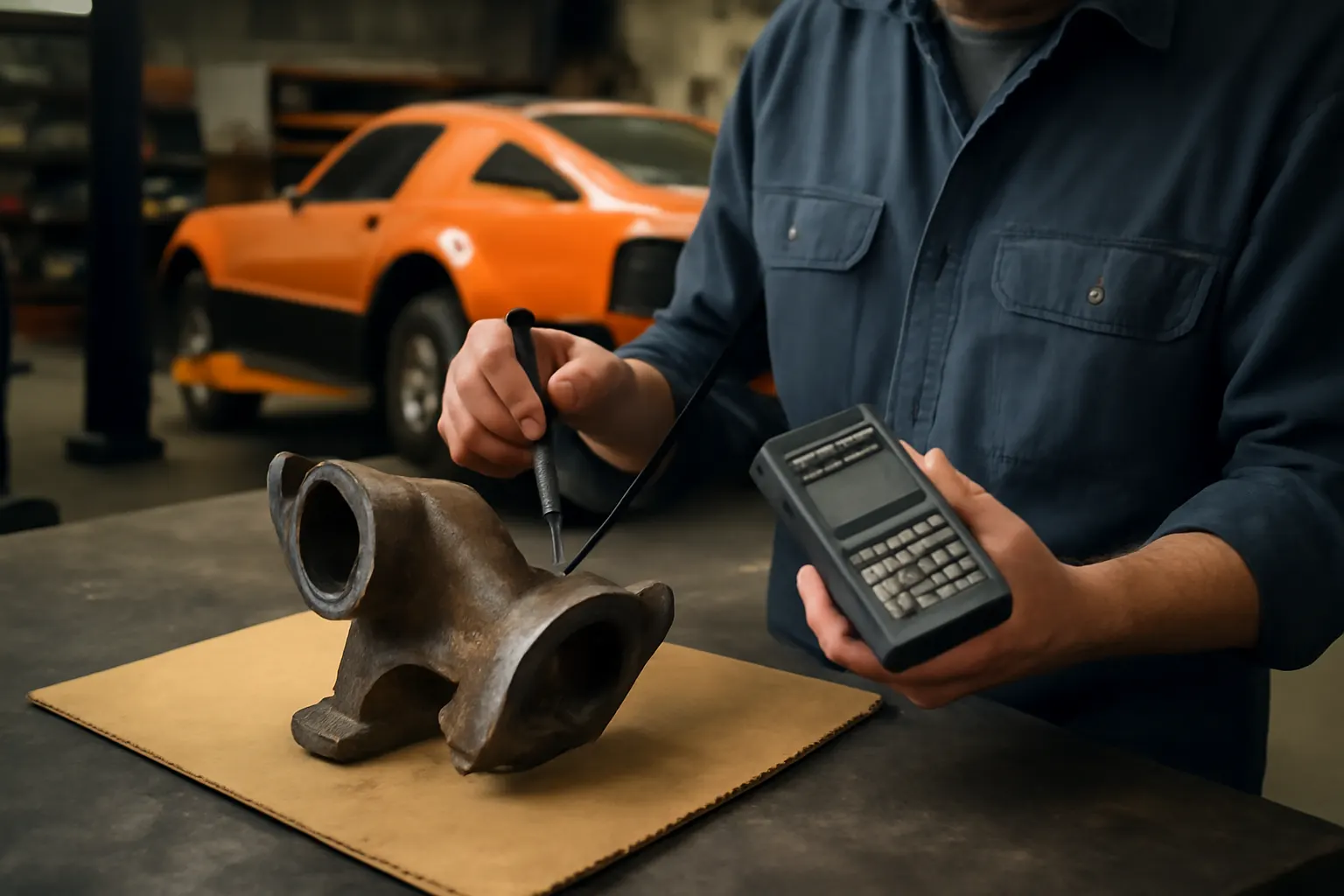
The quickest way to verify the authenticity of Bricklin parts is to check for original manufacturer markings, part numbers, and period-correct materials. Genuine Bricklin components often carry unique identifiers—such as casting codes, stamped logos, or specific fastener types—that are absent or inaccurate on reproduction parts. Comparing these identifiers with original factory documentation, period parts catalogs, and trusted reference guides is essential. For high-value items like body panels or hydraulic door components, using digital calipers to check dimensions against factory specs can further confirm authenticity.
Checklist: Quick Authenticity Assessment for Bricklin Parts
- Look for original Bricklin or OEM supplier part numbers.
- Examine for period-correct material (e.g., acrylic resin body panels, correct alloys).
- Inspect for unique casting marks or logo stamps.
- Compare dimensions to factory specifications.
- Consult original documentation and verified restoration guides.
- Verify with trusted Bricklin parts specialists or forums.
The Hidden Problem: Why Authenticity Matters Beyond Appearance
While the initial appeal of authenticity is visual accuracy, the hidden problem is that incorrect or reproduction parts can compromise safety, performance, and even regulatory compliance. The National Highway Traffic Safety Administration (NHTSA) emphasizes that replacement parts for vintage vehicles must meet certain safety and equipment standards to ensure reliable operation [^1]. Using incorrect materials or ill-fitting reproductions can affect crash safety, fuel efficiency, and structural integrity—critical issues for a car as unique as the Bricklin SV-1, which was designed around safety and innovation.
Moreover, the Bricklin’s use of advanced materials for its era—such as acrylic-bonded fiberglass panels—means that substituting with the wrong materials can alter weight distribution, degrade performance, and diminish collector value. Ensuring authenticity is not just about aesthetics; it’s about preserving the engineering intent and functional safety of the vehicle.
Understanding the Bricklin SV-1’s Unique Construction
The SV-1 stands apart in automotive history for its pioneering use of composite body panels and a focus on occupant safety. According to the United States Department of Energy, material technologies in vehicles directly impact weight, crashworthiness, and performance [^2]. The SV-1’s acrylic-over-fiberglass panels, bonded to a steel perimeter frame, require exacting fitment and material matching. Substituting these panels with generic fiberglass or plastic reproductions not only undermines originality, but also risks improper fit, paint mismatch, and structural weakness.
Technical Details to Watch:
- Original panels use a unique acrylic resin bonded over fiberglass.
- Factory hardware features period-specific thread pitches and fastener designs.
- Door mechanisms and hydraulic systems have precise tolerances and pressure ratings.
Common Reproduction Pitfalls: Where Authenticity Breaks Down
Many reproduction Bricklin parts, particularly those produced in small batches or by aftermarket suppliers, may look similar but deviate in subtle ways:
- Material Substitution: Non-original panels may use polyester-based fiberglass instead of the correct acrylic/fiberglass composite, affecting color, finish, and weight.
- Incorrect Hardware: Fasteners, hinges, and brackets may use modern thread pitches or head designs, making them visually and functionally distinct.
- Lack of Markings: Reproductions often lack the original casting codes, date stamps, or supplier logos found on genuine parts.
- Dimensional Inaccuracy: Even minor variances in panel thickness, mounting hole placement, or gasket profiles can cause fitment challenges and water leaks.
Collectors and restorers should be especially cautious with high-value or safety-critical components, such as hydraulic door actuators, front and rear bumpers, and glass.
Provenance and Documentation: The Paper Trail of Authenticity
The gold standard for verifying Bricklin part authenticity is original documentation. Factory assembly manuals, parts catalogs, and period repair guides often contain detailed illustrations, part numbers, and specifications. When possible, request provenance documentation from sellers—such as receipts, photos of the part on a known-original car, or correspondence with Bricklin suppliers. Original packaging, though rare, can also provide valuable clues.
Key Documentation Sources:
- Bricklin factory parts catalogs (1974–1976)
- NHTSA equipment and recall records [^1]
- SAE standards for automotive fasteners and materials [^3]
- Period dealership service bulletins
Maintaining a personal archive of these documents not only supports your own restoration but strengthens the provenance of your vehicle for future owners.
Hands-On Inspection: Physical Cues That Reveal Originals
Experienced restorers develop an eye—and a feel—for authentic parts. Here’s what to look for during a hands-on inspection:
1. Material and Texture
Original Bricklin panels and trim have a distinctive feel due to the acrylic surface. Run your hand along the surface—genuine panels will feel smoother and have a glassier finish than most reproductions.
2. Weight and Density
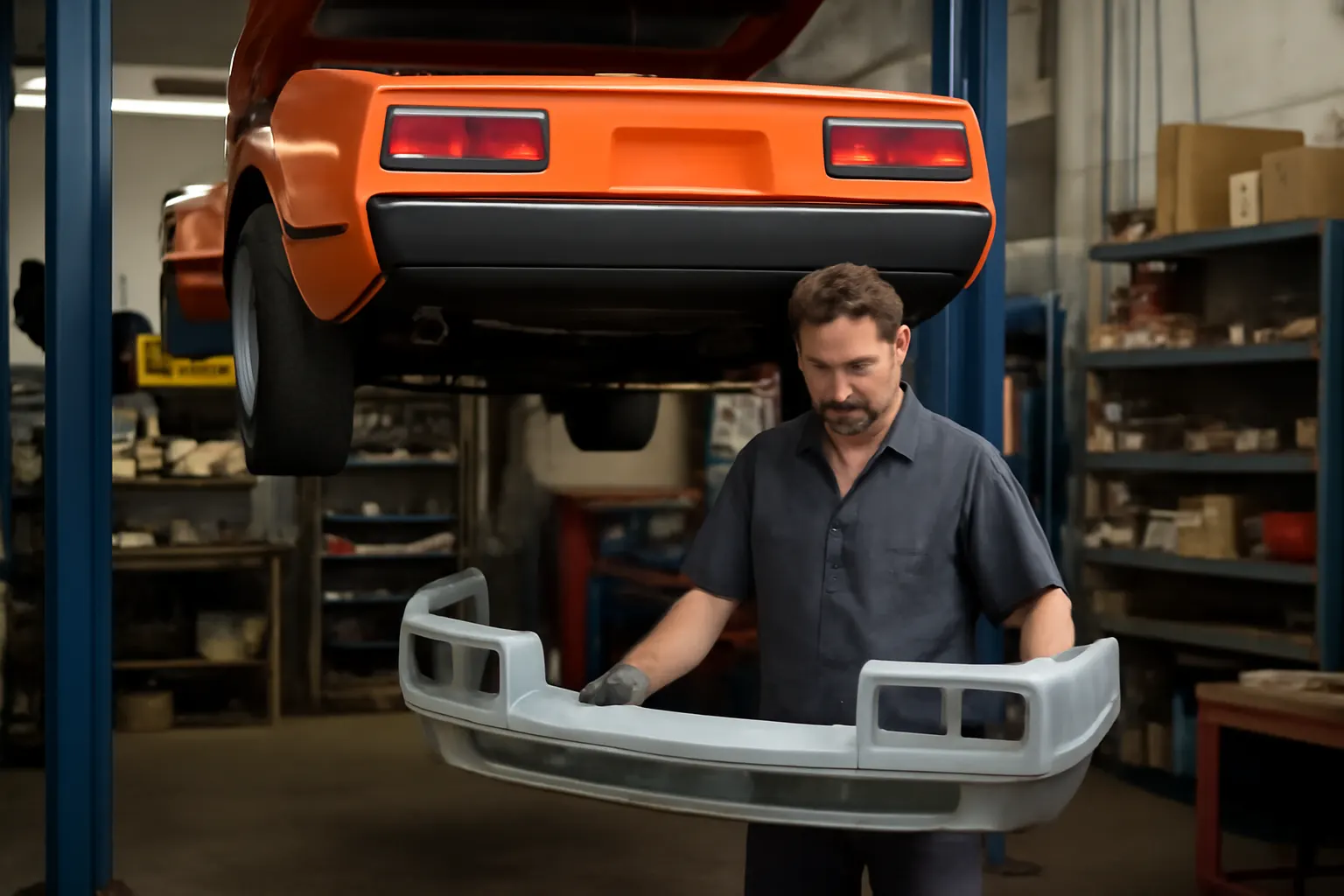
Factory parts often have a specific heft. For example, original door glass and bumper assemblies are noticeably heavier than lightweight reproductions.
3. Fastener and Mounting Points
Check for period-correct rivet heads, screw types, and mounting hole shapes. Originals frequently use unique fastener patterns that are difficult to replicate exactly.
4. Wear Patterns
Look for signs of age-appropriate wear, such as patina, period-correct weatherstripping, or original paint overspray.
5. Casting and Stamping Marks
Authentic components may have date codes, supplier logos, or part numbers cast or stamped into hidden areas.
Authenticity Checklist: In-Depth Diagnostic Guide
Use this expanded checklist to systematically evaluate Bricklin parts before purchase or installation:
| Step | Diagnostic Action | What to Look For | Common Red Flags |
|---|---|---|---|
| 1 | Visual Inspection | Factory part numbers, casting marks, original finish | Missing or incorrect markings |
| 2 | Material Verification | Acrylic/fiberglass composite, correct alloy | Polyester-only fiberglass, generic metals |
| 3 | Dimensional Check | Match to factory specs using calipers/tape | Size/shape deviations |
| 4 | Fastener Analysis | Original thread pitch, period hardware | Modern replacements, mismatched screws |
| 5 | Documentation | Assembly manuals, provenance papers | No supporting paperwork |
| 6 | Fitment Test | Dry-fit to vehicle, check alignment | Gaps, improper mounting |
| 7 | Weight Comparison | Compare to known originals | Noticeably lighter or heavier parts |
Sourcing Authentic Bricklin Parts: Strategies and Pitfalls
Finding genuine Bricklin parts requires diligence and a network of trusted sources. Here’s how to maximize your odds:
Trusted Sources
- Specialized Bricklin Parts Dealers: Some vendors specialize in NOS (new old stock) or carefully documented used parts.
- Owner Clubs and Forums: The Bricklin International Owners Club and dedicated online forums often maintain lists of reputable suppliers and may offer member-to-member sales.
- Swap Meets and Auctions: Classic car events can yield rare finds, but always inspect in person and request provenance.
- AutoPartEx Database: Our Bricklin Auto Parts: Heritage, Fitment, and Technical Guide connects restorers with vetted parts sources and technical data.
Pitfalls to Avoid
- Online Auction Sites: While tempting, these platforms are rife with misidentified or misrepresented parts.
- Unverified Reproductions: Avoid parts without clear documentation or with obvious signs of modern manufacture.
Pro Tip: Always cross-reference part numbers and photos with multiple sources before committing to a purchase.
The Role of Standards and Regulations in Authenticity
Authenticity is not just a matter of collector preference—it’s embedded in regulatory and engineering standards. The NHTSA sets forth requirements for vehicle equipment, even for classic cars, to maintain safety and reliability [^1]. SAE International maintains detailed standards for automotive fasteners, materials, and systems [^3]. When in doubt, consult these references to verify that a part’s specifications align with period-correct standards.
Example: Using a modern metric-thread fastener in place of an original SAE-thread bolt may seem minor but can lead to improper torque, fitment issues, and even safety hazards.
Fitment Challenges: Why Even “Correct” Reproductions Can Fail
Not all reproduction parts are created equal. Even high-quality replicas can present fitment challenges due to manufacturing tolerances, material substitutions, or incomplete reverse engineering. On the Bricklin SV-1, small deviations in body panel thickness, hinge geometry, or weatherstripping profiles can cause:
- Door misalignment or failure to seal
- Wind noise or water leaks
- Stress cracks in acrylic panels
- Hydraulic system malfunctions (see Hydraulic Door Diagnostics for Bricklin SV-1)
Fitment Best Practices:
- Always dry-fit panels and test all moving parts before final installation.
- Use original fasteners and hardware wherever possible.
- Do not force parts into place—adjust mounting points to match factory alignment.
Maintaining Authenticity Over the Long Term
Authenticity is not a one-time achievement but an ongoing commitment. Proper maintenance preserves both the originality and function of your Bricklin:
- Regular Inspections: Check for signs of wear, corrosion, or material degradation, especially on body panels and hydraulic systems.
- Gentle Cleaning: Use non-abrasive cleaners suitable for acrylic surfaces to avoid scratching or clouding.
- Climate Control: Store the vehicle in a dry, temperature-controlled environment to prevent warping or delamination.
- Record Keeping: Document all part replacements, repairs, and provenance for future reference.
For comprehensive restoration and maintenance advice, consult the Bricklin SV-1 Restoration Guide.
The Value Impact: Authenticity and the Bricklin Parts Market
The rarity and value of Bricklin vehicles are directly tied to the authenticity of their components. Collectors and appraisers consistently assign higher value to vehicles with documented, original parts. The Rarity and Value: The Bricklin Parts Market editorial explores current trends, but the key takeaway is clear: documented authenticity delivers a premium, while undocumented or reproduction-heavy cars may struggle to retain value.
The AutoPartEx Approach: Your Partner in Bricklin Authenticity
At AutoPartEx, we’re committed to preserving automotive history through technical accuracy and trusted sourcing. Our platform connects Bricklin enthusiasts with verified parts suppliers, technical guides, and diagnostic resources. Whether you’re tracking down a rare hydraulic actuator or verifying the provenance of a body panel, AutoPartEx provides the data and expertise to guide your decisions.
Explore our Bricklin Auto Parts: Heritage, Fitment, and Technical Guide for in-depth research, and join our community of restorers who value authenticity as much as you do.
Expert Action: Steps to Take Right Now
- Audit Your Inventory: Review all parts on your Bricklin, checking for authenticity using the diagnostic checklist above.
- Document Everything: Create a provenance file for each major component, including photos, part numbers, and sourcing details.
- Network with Experts: Engage with owner clubs, forums, and trusted suppliers for advice and verification.
- Consult Standards: Reference NHTSA and SAE materials for technical specs and regulatory compliance.
- Leverage AutoPartEx: Use our resources for sourcing, fitment data, and restoration best practices.
Authenticity is a journey, not a destination. With the right tools and knowledge, you can safeguard the historical and market value of your classic Bricklin—ensuring it continues to turn heads for generations to come.