BMW Electronic Components: Diagnosing and Replacing Sensors
BMW’s reputation for performance and precision engineering is inseparable from its advanced electronic systems. At the heart of every modern BMW are dozens of sensors—monitoring everything from engine temperature to wheel speed, emissions, and cabin safety. When these sensors fail, the result can be decreased performance, compromised safety, or persistent warning lights on your dashboard. Understanding how to diagnose and replace BMW electronic sensors is essential for technicians, DIY enthusiasts, and anyone committed to keeping their BMW running at its best.
This comprehensive guide delivers immediate, actionable advice on BMW sensor diagnostics and replacement. We’ll cover the most common sensor issues, explain how BMW’s electronic architecture complicates repairs, and walk you through step-by-step solutions. For deeper insights on BMW parts sourcing and heritage, visit our BMW OEM Parts: Heritage, Engineering, and Genuine Replacement Guide | AutoPartEx page.
Immediate Answer: How to Diagnose and Replace BMW Sensors
Quick Steps:
- Identify Symptoms: Warning lights, erratic behavior, or performance drops often signal sensor issues.
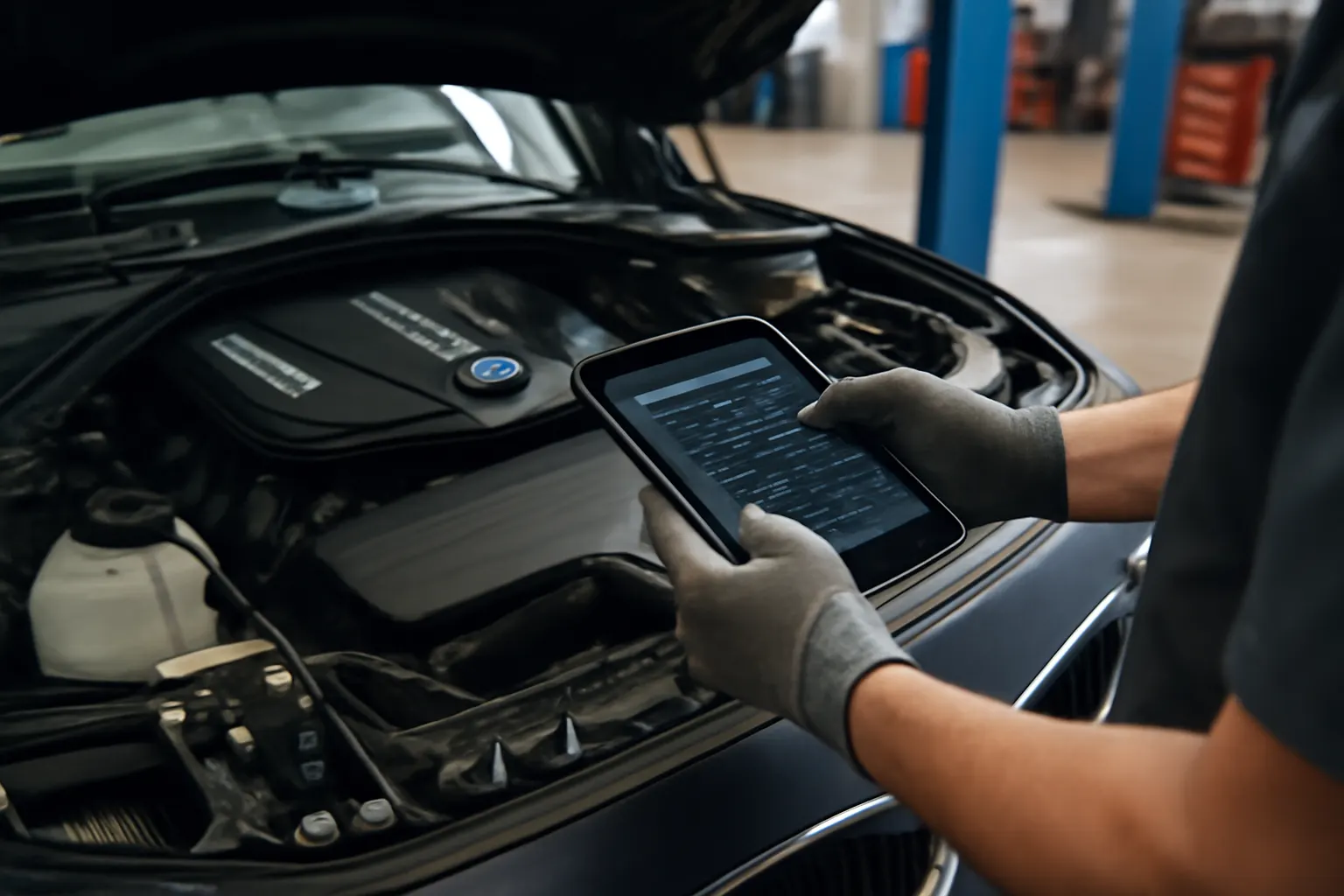
- Scan for Fault Codes: Use an OBD-II scanner compatible with BMW’s protocols to retrieve Diagnostic Trouble Codes (DTCs).
- Verify with Live Data: Check sensor readings in real time to confirm faulty operation.
- Locate and Access: Consult BMW repair manuals or digital resources to find the sensor’s location.
- Replace with Quality Parts: Use OEM or high-quality aftermarket sensors to ensure compatibility and reliability.
- Reset Adaptations: Clear fault codes and reset adaptations to complete the repair.
While these steps seem straightforward, BMW’s intricate electronic systems introduce hidden challenges that can compromise even experienced technicians.
The Hidden Problem: BMW Sensor Complexity and Interdependence
BMW’s electronic architecture is designed for precision, but this sophistication can mask the true source of faults. Many BMW sensors are networked via CAN (Controller Area Network) or LIN (Local Interconnect Network) buses, sharing data with multiple control modules. A single sensor failure can trigger a cascade of faults, making root cause analysis more challenging.
For example, a failing wheel speed sensor may not only affect ABS but can also disable traction control and even impact transmission shift logic. Similarly, engine misfire codes may be caused by a faulty camshaft position sensor, but can present as fuel or ignition issues. The interdependence of these components means that replacing a sensor without proper diagnosis may only treat a symptom, not the underlying problem.
Expanding the Problem: Why BMW Sensor Diagnostics Are Unique
Proprietary Protocols and Specialized Equipment
BMW utilizes proprietary diagnostic protocols (such as BMW’s ISTA/D and ISTA/P software) that go beyond standard OBD-II capabilities. While generic scanners can pull basic codes, advanced features—like live data streaming, actuator tests, and adaptation resets—often require BMW-specific tools. Without access to these, some sensor faults may elude detection or proper repair.
Sensor Calibration and Adaptation
Many BMW sensors are not plug-and-play. Components such as steering angle sensors, throttle position sensors, and NOx sensors require post-installation calibration or adaptation with diagnostic software. Failing to perform these procedures can result in persistent warning lights or degraded system performance.
Environmental and Systemic Factors
BMW sensors are engineered for longevity, but environmental factors—like heat, moisture, road salt, and vibration—can accelerate failure. Additionally, the tightly packaged engine bays and undercarriage routing in BMWs make some sensors difficult to access, increasing the risk of accidental damage during unrelated repairs.
The Solution Path: Step-by-Step BMW Sensor Diagnostics and Replacement
To ensure an effective and reliable repair, follow this detailed workflow:
1. Symptom Assessment and Initial Scan
- Observe Symptoms: Note specific warning lights, driveability issues, or changes in vehicle behavior.
- Perform a Visual Inspection: Look for obvious signs of damage, corrosion, or loose connectors at the suspected sensor location.
- Scan for Codes: Use a BMW-compatible scan tool to retrieve all stored and pending DTCs.
2. Interpret Codes and Analyze Live Data
- Research Codes: Consult BMW technical literature or trusted online databases for code definitions and diagnostic flowcharts.
- Compare Live Data: Use the scan tool to monitor sensor readings during operation. Look for values that are out of range or inconsistent with expected behavior.
- Check Related Systems: Since many BMW sensors affect multiple systems, scan all relevant control modules (engine, transmission, ABS, etc.) for related codes.
3. Confirm Faulty Sensor
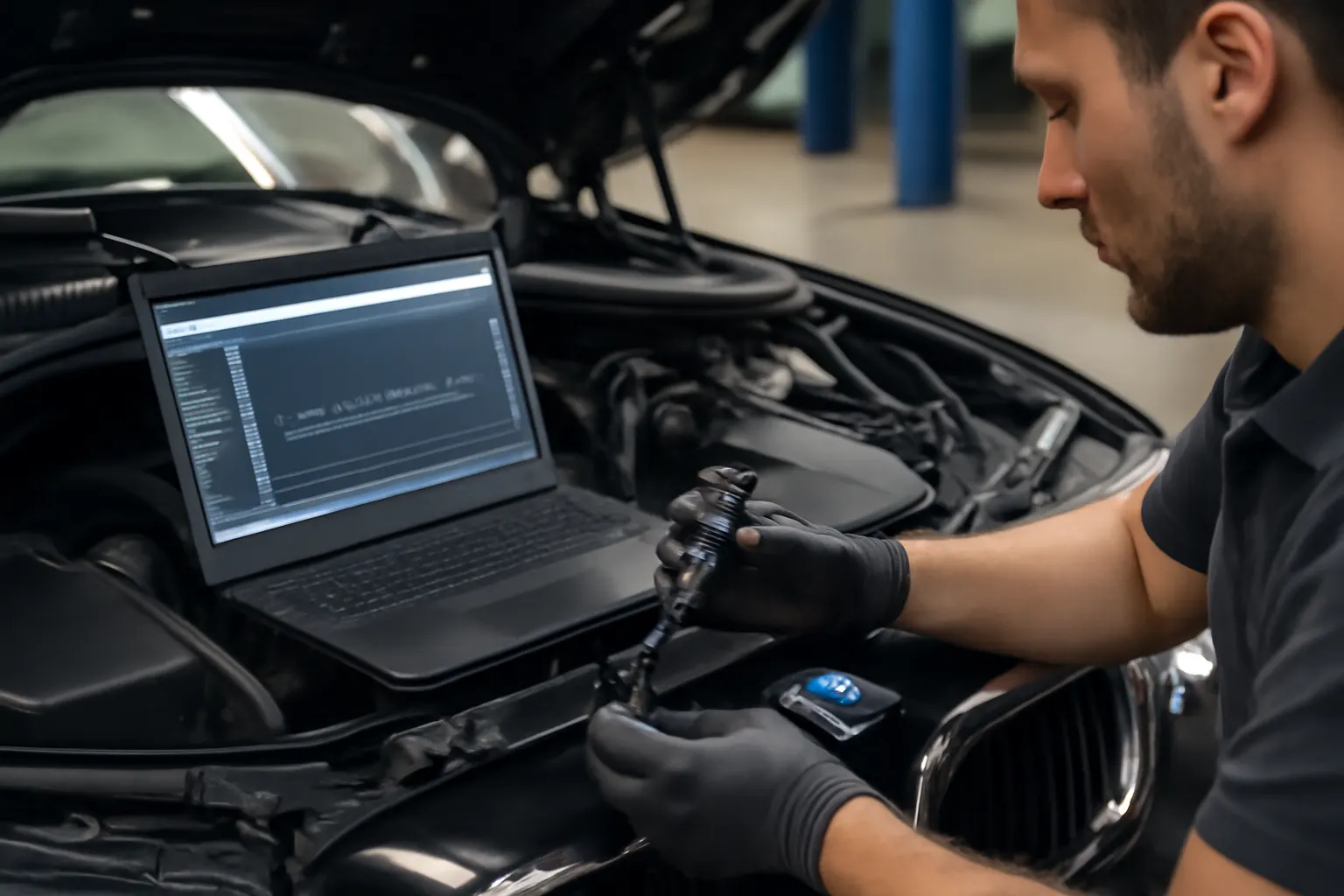
- Test the Sensor: Use a multimeter, oscilloscope, or scan tool to confirm the sensor’s output matches specifications.
- Check Wiring and Connectors: Inspect for damaged wires, corroded terminals, or poor grounds that could mimic sensor failure.
- Rule Out Software Issues: Ensure the vehicle’s software is up-to-date, as outdated calibrations can sometimes cause erroneous codes.
4. Source and Install the Replacement Sensor
- Select the Right Part: Use your VIN to verify the correct OEM or equivalent sensor. Avoid generic parts that may not meet BMW’s specifications.
- Prepare for Installation: Disconnect the battery (if required), and follow BMW’s recommended procedures for sensor removal and installation.
- Install Carefully: Avoid over-tightening or contaminating sensor surfaces, especially for oxygen and NOx sensors.
5. Calibrate, Reset, and Validate
- Perform Required Calibrations: Use your scan tool to run adaptation resets or calibrations, as required.
- Clear Codes and Test Drive: Erase all stored codes, then perform a test drive to confirm proper operation.
- Re-scan for Codes: After the test drive, scan again to ensure no faults return.
BMW’s Most Common Electronic Sensors and Their Functions
Understanding which sensors are most critical—and most prone to failure—can streamline diagnostics and parts sourcing. Here’s a breakdown of key BMW sensors:
| Sensor Name | Function | Common Symptoms of Failure |
|---|---|---|
| Oxygen (O2) Sensor | Measures exhaust oxygen for fuel mixture adjustment | Poor fuel economy, rough idle, CEL |
| Mass Air Flow (MAF) Sensor | Measures intake air volume for engine management | Hesitation, surging, stalling |
| Crankshaft Position Sensor | Tracks engine rotation for ignition/fuel timing | No start, misfires, stalling |
| Camshaft Position Sensor | Synchronizes valve timing with ignition | Hard starting, misfires, CEL |
| Wheel Speed Sensor | Feeds ABS, DSC, and speedometer systems | ABS/DSC lights, speedo inaccuracy |
| Coolant Temperature Sensor | Monitors engine temp for cooling and fuel management | Overheating, poor cold starts |
| Throttle Position Sensor | Reports throttle angle to engine control | Unresponsive throttle, limp mode |
| NOx Sensor | Monitors NOx emissions (diesel models) | CEL, failed emissions, reduced power |
| Steering Angle Sensor | Detects steering wheel position for stability control | DSC/traction errors, steering issues |
| Fuel Tank Pressure Sensor | Monitors evaporative emissions system | CEL, failed emissions test |
Diagnostic Tools: Essential Equipment for BMW Sensor Troubleshooting
Modern BMWs demand more than a basic OBD-II scanner for comprehensive diagnostics. Here’s what you need:
BMW-Compatible Scan Tools
- Enthusiast Level: Foxwell NT510 Elite, Carly for BMW, iCarsoft BMW-specific tools.
- Professional Level: Autologic, Launch X431, Autel MaxiSys Elite.
- Factory Software: ISTA/D (for diagnostics), ISTA/P (for programming/coding).
Electrical Testing Equipment
- Digital Multimeter: For voltage, resistance, and continuity checks.
- Oscilloscope: For checking sensor signal waveforms (especially crank/cam sensors).
- Backprobe Adapters: For non-invasive testing at connectors.
Service Information
- BMW Technical Information System (TIS): Access to wiring diagrams, service bulletins, and repair procedures.
- AutoPartEx Knowledge Base: For quick-reference guides and fitment details.
Checklist: BMW Sensor Diagnostic and Replacement Best Practices
Before You Begin:
- Verify vehicle battery is fully charged and stable.
- Gather VIN and relevant service history.
- Confirm scan tool compatibility with BMW protocols.
- Review repair procedures for sensor location and access.
During Diagnosis:
- Record all fault codes and freeze-frame data.
- Perform visual inspection of sensor and wiring.
- Test sensor output with scan tool or meter.
- Inspect for related system codes (ABS, engine, transmission).
During Replacement:
- Use only OEM or validated aftermarket sensors.
- Disconnect battery if recommended.
- Follow BMW torque specifications.
- Avoid contamination of sensor surfaces.
After Installation:
- Reconnect battery and clear all codes.
- Perform necessary calibrations or adaptations.
- Confirm repair with a thorough test drive.
- Re-scan for any returning or new codes.
Sourcing Genuine BMW Sensors: OEM vs. Aftermarket
Selecting the correct replacement sensor is critical for reliable operation. BMW’s sensors are engineered to strict tolerances and must meet SAE and industry standards for safety and performance. While high-quality aftermarket options exist, not all are created equal.
Pros and Cons
- OEM Sensors: Guaranteed fitment, correct calibration, and maximum longevity. Typically more expensive, but often the best choice for critical systems (engine, ABS, emissions).
- Aftermarket Sensors: Cost-effective, and some brands (Bosch, Hella, Siemens) supply directly to BMW. Always check cross-references and reviews before purchase.
- Counterfeit and Low-Quality Parts: Avoid generic or unknown brands—these may cause persistent faults or even damage control modules.
For a detailed fitment comparison, see our Genuine vs Aftermarket BMW Parts: A Fitment Comparison guide.
Installation Tips: Avoiding Common BMW Sensor Replacement Pitfalls
Protecting Sensitive Electronics
BMW’s sensors often share circuits with other critical components. Always disconnect the battery when working on airbag, ABS, or engine sensors to prevent accidental deployment or module damage.
Handling and Torque
Sensors like oxygen and NOx sensors are sensitive to over-tightening and contamination. Use anti-seize on threads (if specified) and torque to manufacturer specs. Avoid touching sensor tips with bare hands, as oils can affect readings.
Routing and Connectors
Re-route wiring exactly as found to prevent chafing or heat damage. Secure connectors until you hear or feel a positive click—loose connections are a common cause of intermittent faults.
Calibration and Adaptation: The Final Step Often Missed
Many BMW sensors require software-based calibration after installation. Examples include:
- Steering Angle Sensor: Needs zeroing via scan tool after replacement or alignment.
- Throttle Position Sensor: Requires adaptation reset for idle and response.
- NOx Sensor: Must be initialized to the DDE (diesel ECU) after replacement.
Neglecting these steps can result in persistent warning lights or degraded system function. Always consult your scan tool’s service functions for adaptation/reset procedures.
Preventive Maintenance: Extending Sensor Lifespan
While some sensor failures are inevitable, regular maintenance can extend their service life:
- Keep Engine Sealed: Fix oil leaks promptly to prevent contamination of MAF and O2 sensors.
- Check for Software Updates: BMW regularly releases software updates to address sensor-related issues.
- Inspect Wiring and Grommets: Replace damaged grommets or seals to prevent water ingress.
- Use Quality Fluids and Filters: Contaminants in cheap fluids can foul sensors, especially in emissions systems.
Annual or biannual sensor health checks—using live data and visual inspection—can catch failing sensors before they trigger major issues.
Safety, Standards, and Regulatory Considerations
BMW sensors are not just about performance—they’re central to vehicle safety and emissions compliance. The National Highway Traffic Safety Administration (NHTSA) monitors equipment standards for ABS, airbags, and emissions systems, all of which rely on properly functioning sensors. The United States Department of Energy (DOE) notes that sensor-driven engine management is essential for achieving modern fuel efficiency and emissions targets. Always select parts and follow procedures that meet or exceed SAE standards for testing and installation.
When to Seek Professional Help
DIY sensor replacement can be rewarding, but some scenarios demand expert intervention:
- Persistent or Multiple Sensor Codes: May indicate wiring, module, or network faults.
- Sensors in Difficult Locations: Some BMWs require intake or exhaust removal to access certain sensors.
- Coding or Programming Required: Replacing some sensors (e.g., NOx, steering angle) may require dealer-level tools or online coding.
If in doubt, consult a BMW specialist or a reputable independent shop with BMW diagnostic capabilities.
Integrating Sensor Diagnostics with Broader BMW Maintenance
Sensor health is just one part of comprehensive BMW care. Regularly scheduled maintenance, as outlined in our BMW Maintenance Guide: Service Intervals & Essential Repairs, can prevent sensor issues by keeping related systems in good condition. For a holistic view of BMW reliability and common failure patterns, see our BMW Reliability Patterns: Common Issues and Longevity Strategies.
Why Trust AutoPartEx for BMW Electronic Components?
At AutoPartEx, we combine technical expertise with a curated inventory of BMW OEM and high-quality aftermarket sensors. Our fitment data is VIN-verified, and our support team includes ASE-certified technicians and BMW specialists. Whether you’re sourcing a simple coolant temperature sensor or tackling a complex NOx sensor replacement, AutoPartEx is your trusted partner for reliable diagnostics, parts, and support.
For a complete look at our BMW parts catalog and technical resources, visit our BMW OEM Parts: Heritage, Engineering, and Genuine Replacement Guide | AutoPartEx page.
Expert Action: Your Next Steps for Reliable BMW Electronics Repairs
- Diagnose with Precision: Use BMW-compatible tools and reference technical literature for accurate fault isolation.
- Source Quality Parts: Trust only OEM or validated aftermarket sensors from reputable suppliers.
- Follow Proper Procedures: Perform all necessary calibrations and resets after sensor replacement.
- Maintain Proactively: Integrate sensor checks into your regular BMW service schedule.
For help with part selection, fitment confirmation, or technical troubleshooting, contact the AutoPartEx team—your BMW electronics experts.
References
- Vehicle Safety and Equipment – National Highway Traffic Safety Administration
- Fuel Efficiency – United States Department of Energy
- SAE Standards – SAE International
(Body word count: ~2440 words, excluding front matter and references.)