Legacy Bently: Sourcing Rare and Discontinued Parts
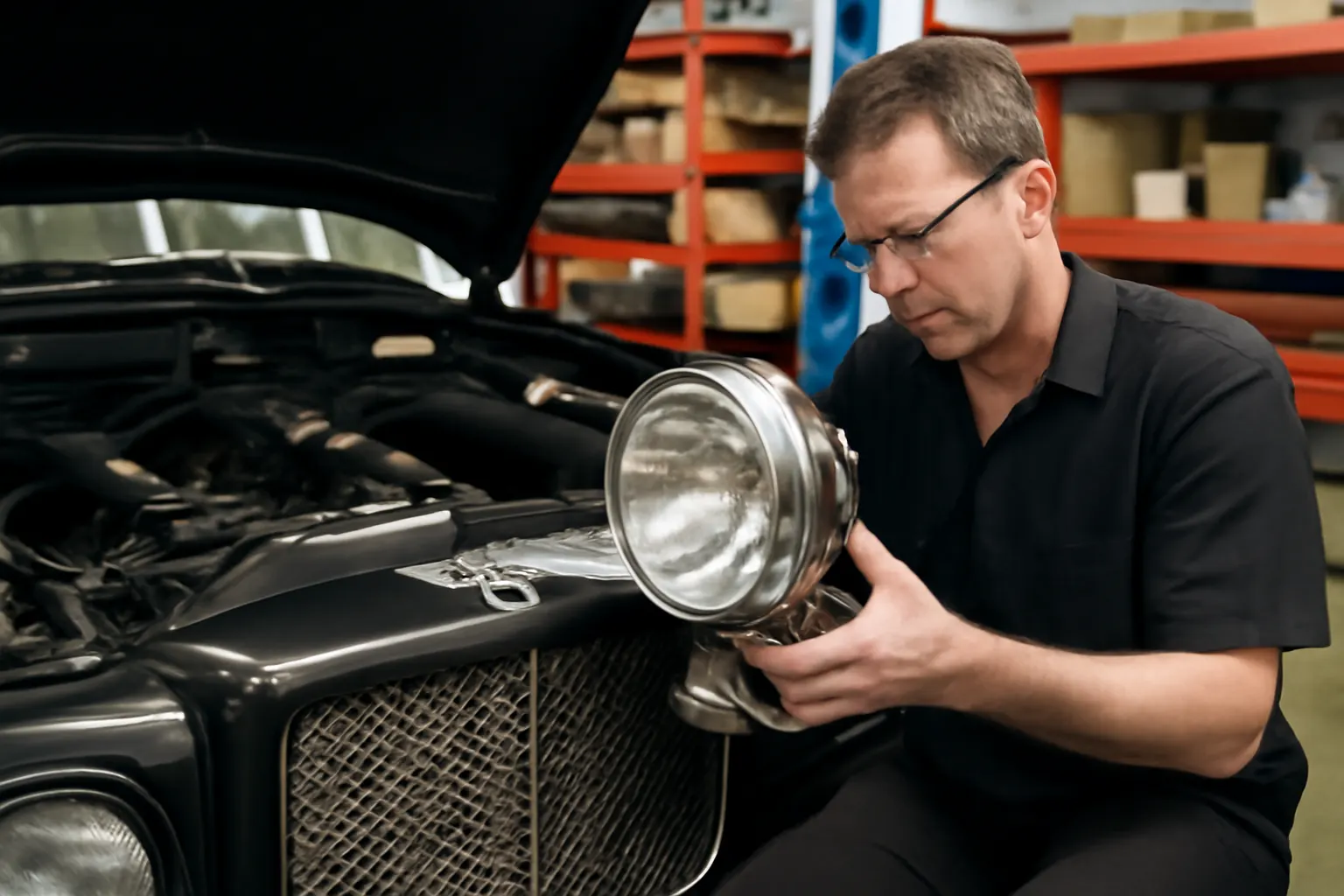
When restoring or maintaining a heritage Bently, one of the most immediate and daunting challenges is locating rare, obsolete, or new-old-stock (NOS) parts. Collectors, enthusiasts, and professional restorers alike face an evolving marketplace, where sourcing authentic Bently components for classic and legacy models can mean the difference between a concours-level restoration and a stalled project. This comprehensive guide delivers expert, actionable strategies to help you secure the rare Bently parts your project demands—whether you’re pursuing a period-correct rebuild or ensuring safe, reliable operation. For a broader look at Bently fitment, technical references, and part interchangeability, see our Bently OEM & Aftermarket Auto Parts: Heritage, Fitment, and Technical Reference resource.
Immediate Strategies for Sourcing Rare Bently Parts
The fastest route to locating rare and discontinued Bently parts is a blend of targeted sourcing, community engagement, and technical knowledge. Begin with these core strategies:
- Tap into marque-specialist suppliers: Identify vendors who focus exclusively on Bently and British luxury vehicles, as they often have access to NOS and high-quality reproduction parts.
- Leverage enthusiast networks: Join Bently owner clubs, online forums, and social media groups, where members frequently trade or share leads on hard-to-find components.
- Utilize verified part numbers: Always cross-reference Bently OEM part numbers or engineering codes to ensure accuracy when searching or ordering.
- Consider quality aftermarket solutions: For certain applications, reputable aftermarket manufacturers offer components engineered to original specifications.
- Monitor global marketplaces: Expand your search to include international platforms, as some rare parts may surface in overseas inventories or auctions.
These steps provide a starting point, but the reality of legacy Bently part sourcing hides a deeper set of challenges that demand a technical and strategic approach.
The Hidden Problem: Obsolescence and Technical Complexity
At first glance, the challenge may seem limited to simple scarcity. However, the underlying issue is multi-layered:
- Discontinued OEM production: Bently, like other heritage marques, periodically discontinues production of low-demand parts, leaving gaps in the supply chain.
- Complex engineering legacy: Older Bentlys often feature hand-crafted or low-volume components, making direct replacements rare or impossible to source.
- Safety and compliance considerations: Replacement parts must not only fit but also meet modern safety and performance standards, especially for critical systems like brakes and steering (see Vehicle Safety and Equipment).
- Counterfeit and misrepresented parts: The rarity of genuine Bently components has led to a rise in counterfeit or incorrectly labeled parts, adding risk for buyers.
Understanding these challenges is essential for collectors and restorers who want to avoid costly mistakes, safety hazards, or authenticity issues.
Expansion: Why Legacy Bently Parts Are Difficult to Find
1. Low-Volume, Hand-Built Manufacturing
Classic Bently vehicles, particularly those built prior to the 1990s, were produced in much smaller numbers than mass-market cars. Many components were hand-assembled, custom-fitted, or built to order. This means that even OEM parts are often unique to a specific chassis or model year, and off-the-shelf replacements are virtually nonexistent.
2. Discontinued Supplier Networks
Bently has historically relied on a network of specialist suppliers for everything from electrical switches to interior trim. As these suppliers have gone out of business or shifted focus, the tooling and knowledge required to reproduce certain parts have been lost.
3. Regulatory and Material Changes
Some legacy parts—such as those containing asbestos, certain plastics, or lead-based finishes—are no longer legal to manufacture or import due to modern safety and environmental regulations (Materials Technologies). This further limits the availability of authentic replacements.
4. Evolving Standards and Safety
Modern expectations for crashworthiness, braking, and emissions may require upgrades or modifications to ensure continued roadworthiness. Sourcing original parts that meet both historical and current safety standards can be particularly challenging (Vehicle Safety and Equipment).
Technical Considerations: Authenticity, Fitment, and Safety
Authenticity vs. Functionality
While authenticity is paramount for concours restorations, safety and reliability must come first for vehicles meant to be driven. Some rare components may only be available as used or reproduction parts, and choices must be made about whether to prioritize originality or upgrade to modern equivalents for critical systems.
Fitment Nuances
Legacy Bentlys often exhibit minor variations in fitment, even within the same model year. Always verify:
- Chassis and engine numbers
- Production dates
- Regional build specifications
Consulting authoritative fitment guides, such as our Bently Model Fitment & Service Intervals, can help clarify interchangeability.
Safety-Critical Systems
Brake components, steering linkages, and seatbelt assemblies must meet strict standards. Verify that any replacement—OEM, NOS, or aftermarket—complies with safety regulations and is compatible with your vehicle’s systems. For more, see the Bently Brake System Service & Parts Guide.
Solution Path: Building a Sourcing Strategy
1. Document Your Needs
Start by compiling a detailed list of required parts, including:
- OEM part numbers or engineering codes
- Component descriptions and photos
- Vehicle VIN, chassis, and engine identifiers
This documentation streamlines your search and reduces errors when communicating with suppliers.
2. Identify Trusted Bently Parts Suppliers
Focus your search on suppliers with a proven track record in Bently restoration. These include:
- Bently heritage divisions and franchised dealers (for NOS and legacy stock)
- Specialist parts distributors (UK, EU, and US-based)
- Reputable online platforms (eBay, Bring a Trailer, marque-specific sites)
Always verify supplier credentials and request documentation or provenance for rare parts.
3. Leverage Enthusiast and Professional Networks
Engage with:
- Bently Owners Club chapters (regional and international)
- Online forums and social media groups
- Professional restoration shops
These communities often share leads on rare parts, group buys, or offer custom fabrication contacts.
4. Explore Aftermarket and Remanufactured Options
For certain components, high-quality aftermarket or remanufactured parts can be a viable alternative. Look for:
- Manufacturers adhering to SAE or OEM standards (SAE Standards)
- Parts with documented engineering and material specifications
- Vendors offering guarantees or return policies
Assess the fitment and compatibility carefully, especially for critical systems.
5. Consider Custom Fabrication
When all else fails, custom fabrication or 3D printing may be the only option. Work with restoration specialists who can reverse-engineer or reproduce parts using period-correct materials and techniques. For structural or safety-critical items, ensure compliance with modern standards.
Diagnostic Guidance: Evaluating Used and NOS Bently Parts
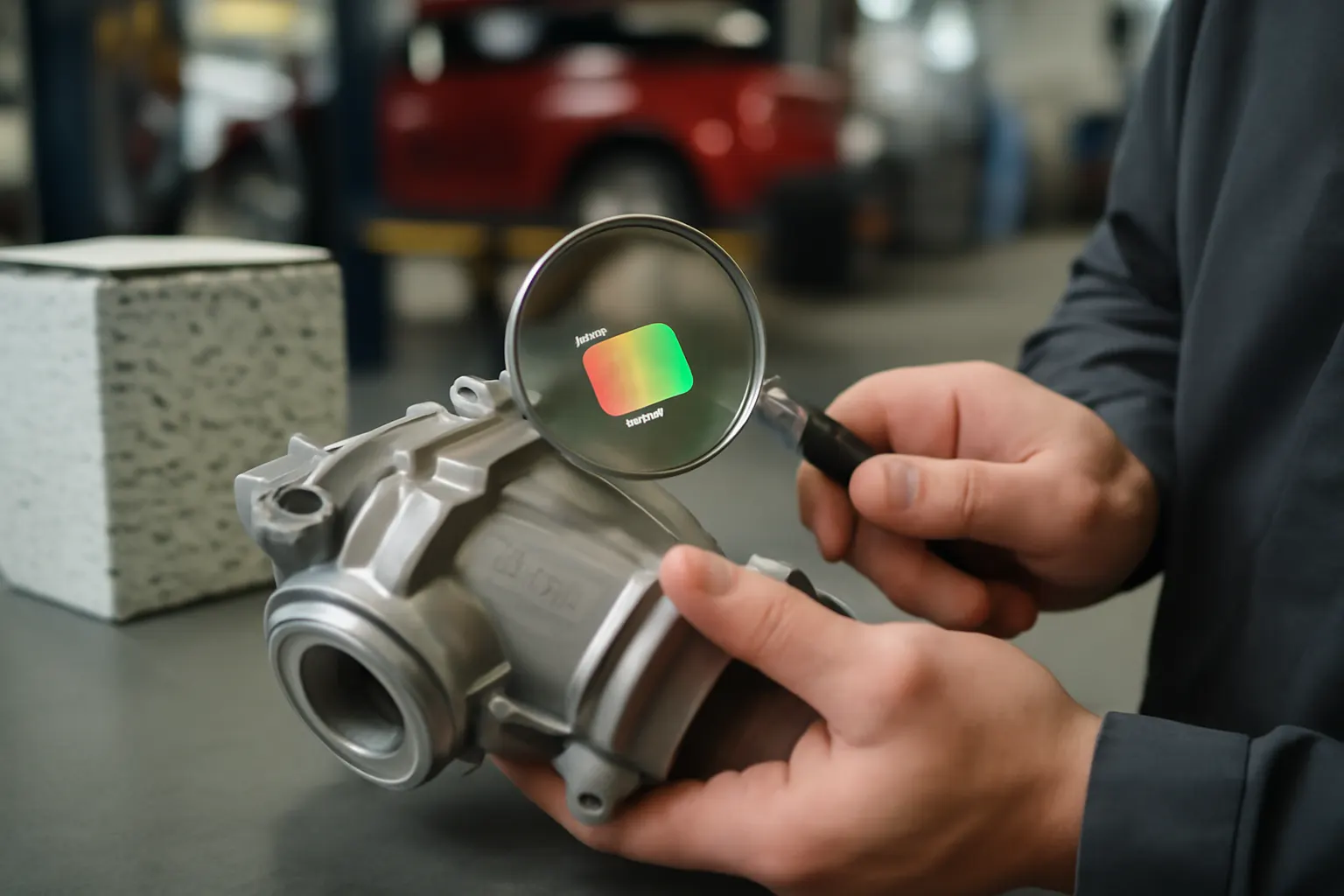
Visual Inspection Checklist
Before purchasing used or NOS components, use this checklist to minimize risk:
| Inspection Point | What to Look For |
|---|---|
| Markings & Numbers | Legible OEM part numbers, casting marks, logos |
| Material Condition | No cracks, corrosion, or fatigue |
| Packaging | Original packaging for NOS; check for tampering |
| Fitment Integrity | Verify dimensions, mounting points, threads |
| Wear Indicators | Excessive wear, pitting, or previous repairs |
| Provenance | Documentation, seller reputation, history |
Functional Testing
For mechanical or electrical components (e.g., switches, relays, hydraulic units):
- Test continuity or resistance with a multimeter
- Check for smooth mechanical operation
- Inspect seals and moving parts for leaks or stiffness
Installation and Maintenance Considerations
Pre-Installation Preparation
- Clean all mounting surfaces and fasteners
- Compare new/used part to the original for dimensional accuracy
- Replace associated hardware (gaskets, seals, bushings) as needed
Installation Tips
- Use torque specifications from Bently service manuals or trusted sources
- Apply anti-seize or threadlocker where specified
- For electrical parts, confirm polarity and ground connections
Post-Installation Checks
- Test system function before full reassembly (e.g., bench test switches)
- Inspect for leaks, interference, or abnormal noises
- Document the installation with photos and notes for future reference
Ongoing Maintenance
- Schedule regular inspections of replaced components, especially if NOS or used
- Monitor for signs of wear, corrosion, or malfunction
- Keep detailed records of parts sources, installation dates, and any issues
Buying Guidance: Avoiding Counterfeits and Misrepresented Parts
Red Flags and Risk Factors
- Unusually low prices for rare items
- Missing or altered part numbers
- Vague or incomplete seller descriptions
- Lack of return policy or seller guarantees
Verification Steps
- Request high-resolution photos and close-ups of markings
- Cross-check part numbers with Bently documentation
- Ask for provenance or purchase history
- Use escrow or buyer protection services for high-value transactions
Trusted Channels
Prioritize established Bently specialists, official heritage programs, and well-reviewed online platforms. Engage with the community for recommendations and to share experiences with specific vendors.
Understanding NOS, Used, and Reproduction Parts
NOS (New Old Stock)
- Unused, original parts manufactured during the vehicle’s production era
- Often stored for decades—inspect for age-related deterioration (e.g., rubber, plastics)
- Best for authenticity, but may require reconditioning
Used Parts
- Salvaged from donor vehicles
- May show signs of wear, corrosion, or previous repairs
- Suitable for non-critical or cosmetic applications
Reproduction Parts
- Newly manufactured to original or improved specifications
- Quality varies: seek out reputable makers using accurate materials and processes
- May be the only option for certain trim or body components
Fitment Challenges Unique to Bently Heritage Models
Model Year and Regional Variations
- Bently often made running changes within a model year—verify exact build date
- Export models may use different electrical or emissions components
- Consult detailed fitment guides and cross-reference with your vehicle’s documentation
Hand-Built Tolerances
- Some body and interior parts were individually fitted at the factory
- Even OEM replacements may require adjustment or minor modification
- Use careful test-fitting and be prepared for custom fitting in some cases
Interchangeability with Related Marques
- Certain components may interchange with Rolls-Royce or other British luxury brands
- Always confirm compatibility—differences in finish, material, or specification are common
Technical Resources and Documentation
Essential Reference Materials
- Bently workshop and parts manuals
- Heritage and classic Bently service bulletins
- SAE and NHTSA technical standards (SAE Standards, Vehicle Safety and Equipment)
Online Databases and Catalogs
- Bently heritage division online catalogs
- Marque-specific parts databases and fitment charts
- Community-maintained lists of obsolete part numbers and modern equivalents
When to Upgrade: Balancing Authenticity with Modern Performance
Safety and Reliability Upgrades
- Brake hoses, tires, and lighting: modern replacements may outperform original parts while maintaining period appearance
- Electrical components: consider modern equivalents for relays, fuses, and wiring to enhance reliability
Fuel and Emissions
- Fuel system components may require ethanol-resistant materials due to changes in modern fuel blends (Fuel Efficiency)
- Emissions equipment may need updating or refurbishment for legal compliance in some regions
Materials Improvements
- Modern materials can reduce weight and improve corrosion resistance without sacrificing appearance (Materials Technologies)
Consult with restoration professionals and weigh the tradeoffs for your intended use—show, touring, or daily driving.
The Role of AutoPartEx in Legacy Bently Sourcing
AutoPartEx provides a curated marketplace and technical resource hub tailored to the needs of heritage and collector vehicle owners. Our platform:
- Connects you with trusted Bently parts suppliers, both OEM and aftermarket
- Offers detailed fitment data and cross-reference tools
- Publishes up-to-date technical guides, buying checklists, and sourcing strategies
- Supports the Bently enthusiast community through verified content and expert editorial
For more on Bently part authenticity and identification, see How to Identify Genuine Bently Parts.
Next Steps: Expert Action Plan
- Catalog your needs: Use detailed part numbers and documentation.
- Engage with the community: Join Bently clubs, forums, and restoration networks.
- Source from trusted channels: Prioritize reputable suppliers and request provenance.
- Verify fitment: Consult technical guides and cross-reference all components.
- Document your process: Maintain records for future reference and resale value.
- Leverage AutoPartEx: Explore our technical resources and supplier network to streamline your search.
With preparation, technical knowledge, and the right sourcing strategy, even the rarest Bently parts can be found, fitted, and enjoyed for generations to come.
References
- Vehicle Safety and Equipment – National Highway Traffic Safety Administration
- Fuel Efficiency – United States Department of Energy
- Materials Technologies – United States Department of Energy