How to Identify Genuine Bently Parts
Ensuring that you install only genuine Bently parts in your vehicle is critical for safety, performance, and long-term reliability. In this comprehensive guide, AutoPartEx explores the definitive methods for authenticating Bently components, including hologram verification, packaging analysis, and strategies to avoid common counterfeit pitfalls. If you’re seeking Bently parts for restoration, maintenance, or performance upgrades, this article is your technical reference for part authenticity—essential reading before your next purchase. For a broader overview of Bently’s parts ecosystem, see our Bently OEM & Aftermarket Auto Parts: Heritage, Fitment, and Technical Reference.
Why Genuine Bently Parts Matter—Immediate Practical Guidance
The quickest way to safeguard your Bently’s integrity is to insist on parts verified as authentic by the manufacturer or a trusted supplier. Genuine Bently components are engineered to exacting standards, ensuring compatibility, safety, and optimal vehicle performance. The risks of installing counterfeit or substandard parts include diminished fuel efficiency, compromised safety systems, and potential vehicle damage—a concern validated by findings from the National Highway Traffic Safety Administration (NHTSA) on equipment reliability and recalls.1
Quick Checklist for Immediate Part Authentication:
- Check for Bently holographic security labels with unique serials.
- Inspect packaging for correct fonts, colors, and manufacturer seals.
- Compare part numbers against official Bently catalogs.
- Purchase only from authorized dealers or reputable specialists.
- Request documentation—genuine parts typically include certificates of authenticity or traceable barcodes.
The Hidden Problem: Counterfeit Bently Parts in Today’s Market
The global automotive parts market has seen a surge in counterfeit components, and luxury marques like Bently are prime targets. Counterfeiters have grown increasingly sophisticated, producing packaging and parts that can fool even seasoned mechanics. The NHTSA’s recall and safety bulletins regularly highlight the real-world dangers associated with non-genuine parts, including failures in critical systems like brakes and airbags.2
Key Risks of Counterfeit Parts:
- Safety Hazards: Fake components may not meet crashworthiness or material standards.
- System Compatibility: Subpar tolerances can cause malfunctions, warning lights, or premature wear.
- Legal and Insurance Issues: Non-genuine parts can void insurance coverage or lead to regulatory complications.
- Long-term Cost: Shorter part life and collateral damage increase total ownership costs.
The Anatomy of Genuine Bently Packaging
One of the most reliable first-line checks is a detailed inspection of the packaging. Bently invests heavily in packaging technology to deter counterfeiters and ensure traceability. Authentic packaging typically features:
Key Packaging Features:
- Holographic Security Stickers: Multi-angle, color-shifting holograms with embedded serial numbers.
- Factory Seals: Tamper-evident tapes or shrink wraps displaying the Bently logo.
- Consistent Branding: Fonts, colors, and logo placement are uniform and high-resolution.
- Barcodes and QR Codes: Scannable codes that link to the manufacturer’s database for verification.
- Printed Part Numbers: Always match the official Bently part catalog.
Tip: Compare packaging details with official images from Bently’s online parts catalog or consult your owner’s manual for reference standards.
Holograms and Security Labels: The Gold Standard
Modern Bently parts are equipped with advanced holographic security labels. These labels are difficult to duplicate and serve as the primary authentication marker.
What to Look For:
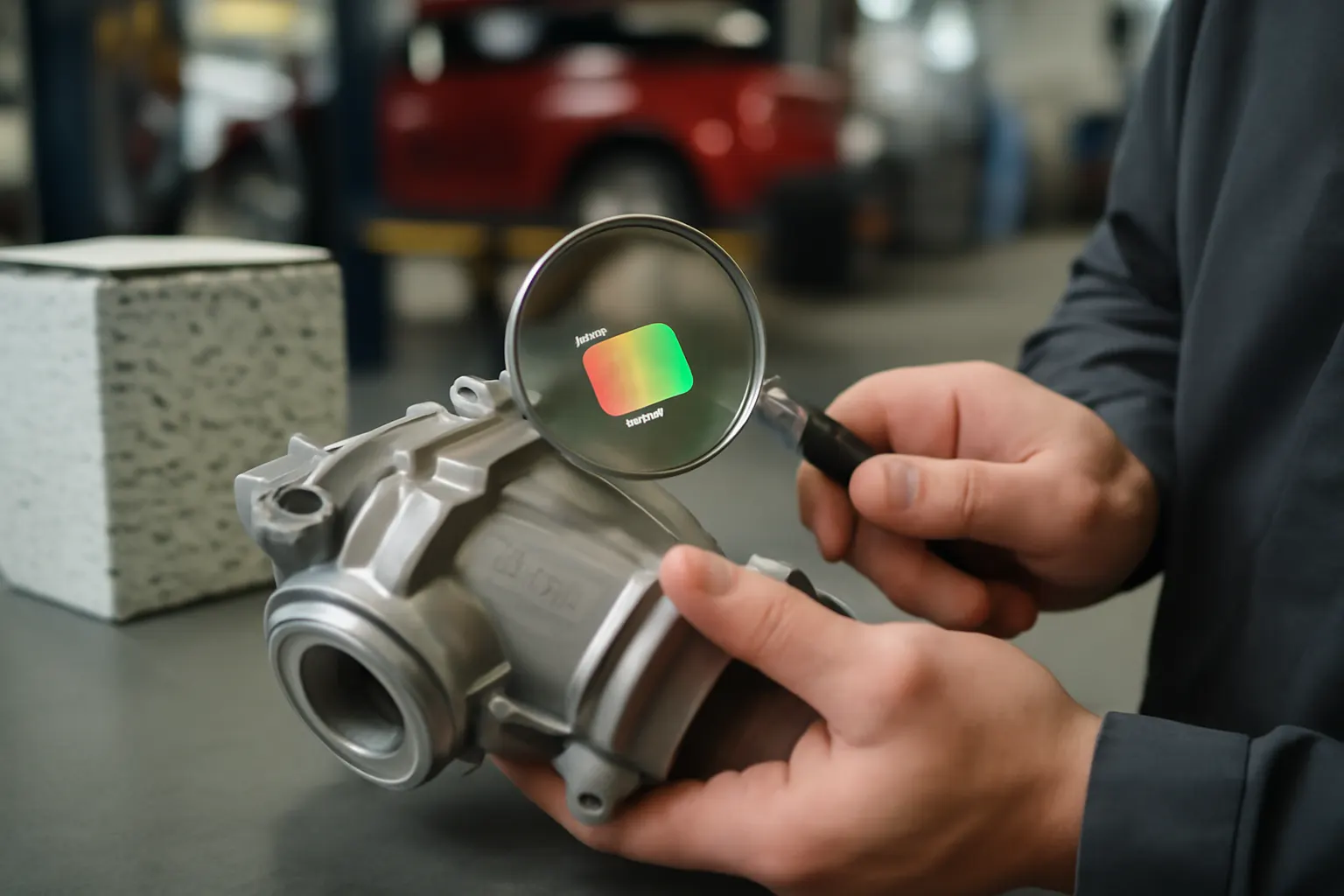
- Multi-layered Holograms: True Bently holograms display depth, shifting images, and microtext only visible under magnification.
- Unique Serial Numbers: Each part’s hologram includes a serial number; you can verify this directly with Bently or through authorized dealer platforms.
- UV Security Features: Some labels have ultraviolet-reactive inks or patterns only visible under a UV lamp.
Diagnostic Step: If the hologram is missing, poorly printed, or lacks serial identification, the part is likely counterfeit.
Decoding Bently Part Numbers and Traceability
Every genuine Bently part carries a precise part number, typically engraved or stamped directly onto the component as well as the packaging.
Part Number Verification Steps:
- Locate the Part Number: This should be present on both the packaging and the part itself.
- Cross-reference: Use Bently’s official parts catalog or the AutoPartEx fitment database to ensure the number matches the intended application.
- Check Serial Consistency: Serial numbers should not be duplicated across multiple parts or packaging.
Pro Tip: If you encounter a part number that is off by a single digit or uses non-standard alphanumeric sequences, treat it as suspect.
Material Quality and Manufacturing Standards
Genuine Bently parts are produced with premium materials and to strict tolerances, as outlined by both Bently and universal automotive standards such as those from SAE International.3 Counterfeit parts often substitute inferior metals, plastics, or composites, resulting in visible and functional differences.
Material Quality Checklist:
- Weight and Density: Genuine parts usually have a specific weight due to quality materials; lightweight or brittle-feeling parts are suspect.
- Surface Finish: Look for uniform machining, no casting flash, and proper surface coatings.
- Fastener Quality: Bolts, clips, and connectors should fit precisely and not show signs of poor threading or mismatched finishes.
Engineering Insight: The U.S. Department of Energy emphasizes that correct material selection is vital for both safety and fuel efficiency in modern vehicles.4
The Role of Authorized Dealers and Specialist Suppliers
The most reliable way to avoid counterfeit Bently parts is to source them from authorized dealers or vetted specialists with a proven track record. These suppliers have direct access to Bently’s supply chain and adhere to the manufacturer’s distribution protocols.
How to Vet a Supplier:
- Check Dealer Accreditation: Look for Bently’s official dealership certification.
- Ask for Documentation: Genuine suppliers can provide invoices, certificates of authenticity, and warranty paperwork.
- Review Customer Feedback: Consistent positive reviews and a history of supplying Bently parts are strong indicators.
- Verify Return Policies: Reputable dealers offer clear, fair return and exchange policies on all parts.
For rare or legacy Bently models, see our guide on Legacy Bently: Sourcing Rare and Discontinued Parts.
Online Marketplaces: Opportunities and Pitfalls
While online marketplaces offer convenience and competitive pricing, they are also hotspots for counterfeit parts. Exercise extra caution, especially with third-party sellers and auction platforms.
Red Flags on Online Platforms:
- Unusually Low Prices: If a part is priced far below market value, it is likely counterfeit or used.
- Lack of Detailed Photos: Genuine sellers provide clear, high-resolution images of both the part and packaging.
- No Return Policy: Avoid sellers who do not accept returns or exchanges on parts.
Expert Guidance: Always cross-reference the seller’s information with Bently’s authorized dealer list or established automotive forums before purchasing.
Commonly Counterfeited Bently Parts—What to Watch Out For
Certain Bently parts are more frequently targeted by counterfeiters due to their high demand and replacement frequency.
Most At-Risk Parts:
- Brake Components: Pads, rotors, and calipers.
- Filters: Air, oil, and cabin filters.
- Sensors: Oxygen sensors, MAF sensors, and ABS modules.
- Exterior Trim: Badges, grilles, and decorative moldings.
- Lighting Assemblies: Headlights, taillights, and indicator units.
For detailed maintenance and genuine replacement guidance, refer to our Bently Brake System Service & Parts Guide.
Diagnostic Techniques: Identifying Counterfeit Parts After Installation
Sometimes, counterfeit parts slip past even careful buyers and are only detected after installation due to poor fitment or system errors.
Post-Installation Warning Signs:
- Dashboard Warning Lights: ABS, airbag, or engine check lights that appear after part installation.
- Abnormal Noises: Rattling, squeaking, or grinding sounds from new components.
- Premature Wear: Rapid deterioration, excessive dust, or fluid leaks.
- System Malfunctions: Non-responsive electronics, inconsistent braking, or sensor errors.
If any of these issues arise, immediately halt vehicle use and consult a Bently-certified technician for inspection.
The Role of Standards and Regulations in Part Authentication
Genuine Bently parts conform to stringent international standards, including those set by SAE International and U.S. federal safety guidelines. These standards dictate material properties, manufacturing tolerances, and performance benchmarks.31
Key Regulatory Markers:
- SAE Compliance Codes: Look for SAE or ISO marks on packaging or the part itself.
- NHTSA Recall Checks: Use the NHTSA database to confirm there are no recalls or safety bulletins for the part in question.
- Manufacturer’s Certifications: Certificates of conformity or compliance documentation may be included with high-value components.
Action Step: Before installation, always verify that the part meets applicable standards—especially for safety-critical systems.
Maintenance, Fitment, and Longevity: Why Authenticity Pays Off
Installing genuine Bently parts is not just about initial fitment—it’s about ensuring the long-term health of your vehicle. Authentic components are designed for precise compatibility, resulting in:
Benefits of Genuine Parts:
- Optimal Fitment: No forced installation or modification required.
- Extended Service Intervals: Genuine parts last longer and maintain performance over time.
- Preserved Fuel Efficiency: High-quality materials and engineering contribute to factory-rated fuel economy.4
- Validated Safety: Properly engineered parts maintain crashworthiness and system integrity.
For model-specific fitment and maintenance schedules, see Bently Model Fitment & Service Intervals.
The AutoPartEx Approach: Technical Rigor and Trusted Sourcing
At AutoPartEx, our editorial and technical teams are committed to empowering owners, restorers, and technicians with the tools to identify, source, and install only genuine Bently parts. Our fitment databases, supplier network, and technical guides are built on industry standards, regulatory insights, and real-world testing.
Why AutoPartEx?
- Comprehensive Fitment Data: Verify part numbers, compatibility, and service intervals.
- Curated Supplier Network: Access to authorized Bently dealers and trusted aftermarket specialists.
- Technical Support: Expert advice for diagnostics, installation, and troubleshooting.
- Commitment to Safety: Our recommendations are grounded in NHTSA and SAE standards for maximum reliability.
For a full overview of the Bently parts ecosystem, visit the Bently OEM & Aftermarket Auto Parts: Heritage, Fitment, and Technical Reference category page.
Actionable Steps for Bently Owners and Technicians
Before Purchase:
- Research the Part: Confirm the official Bently part number and application.
- Vet the Seller: Use only authorized dealers or established specialists.
- Inspect Packaging and Holograms: Check for security features and documentation.
- Request Authenticity Proof: Ask for certificates, barcodes, or serial verification.
- Compare Prices: Be wary of deals that seem too good to be true.
After Purchase/Installation:
- Monitor Performance: Be alert for warning signs or abnormal operation.
- Retain Documentation: Keep all receipts, certificates, and packaging for future reference.
- Report Counterfeits: If you suspect a fake part, notify Bently and the NHTSA.
Conclusion: Protecting Your Bently Investment
The authenticity of your Bently parts is not just a matter of pride—it’s a core requirement for safety, performance, and long-term value. By following the detailed strategies outlined in this guide, you can confidently avoid counterfeit pitfalls and ensure your vehicle remains true to its engineering heritage. Use the checklists, diagnostic steps, and supplier vetting techniques provided here as your reference for every Bently part purchase or installation.
For additional guidance, technical references, and the latest in Bently parts sourcing, explore our extensive Bently OEM & Aftermarket Auto Parts: Heritage, Fitment, and Technical Reference section.
References
- Vehicle Safety and Equipment – National Highway Traffic Safety Administration
- Vehicle, Car Seat, Tire, and Equipment Recalls – National Highway Traffic Safety Administration
- SAE Standards – SAE International
- Materials Technologies – United States Department of Energy
- Fuel Efficiency – United States Department of Energy