Preserving British Motoring Heritage: Austin Model Family Overview
The Austin marque stands as a cornerstone of British automotive heritage, with model families that have shaped not only motoring history but also the everyday lives of generations. Understanding the evolution of Austin’s model families is essential for anyone restoring, maintaining, or sourcing authentic Austin auto parts. This overview delivers immediate insight into Austin’s most influential model lines—how they evolved, their technical underpinnings, and the crucial factors for preserving their legacy through proper parts selection, fitment, and maintenance.
The Immediate Answer: What Defines the Austin Model Family Legacy?
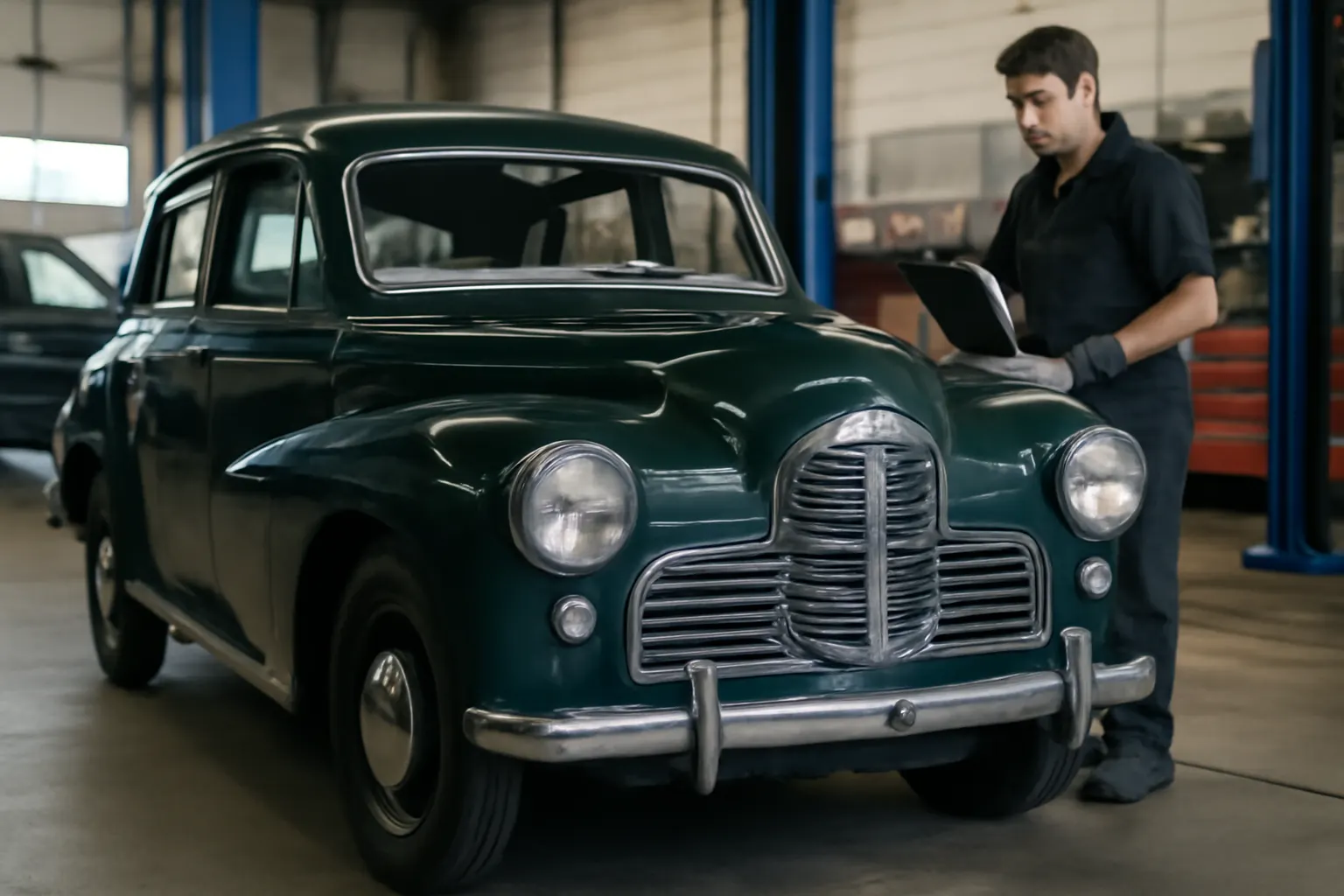
Austin’s model families—including icons like the Austin Seven, A30/A35, A40, A50/A55/A60, and the larger Westminster and Cambridge lines—represent a unique blend of British engineering ingenuity, accessible motoring, and enduring design. Each family introduced innovations in chassis, drivetrain, and body construction, while setting benchmarks for reliability and everyday usability. These vehicles are not just mechanical artifacts—they are living history, and their preservation hinges on understanding their evolution, sourcing authentic components, and applying period-correct restoration practices.
The Hidden Problem: Decay, Counterfeit Parts, and Loss of Technical Continuity
While Austin’s legacy is celebrated, the ongoing survival of these vehicles faces significant threats:
- Parts Scarcity: Many original components are out of production, leading to a reliance on reproduction or used parts of varying quality.
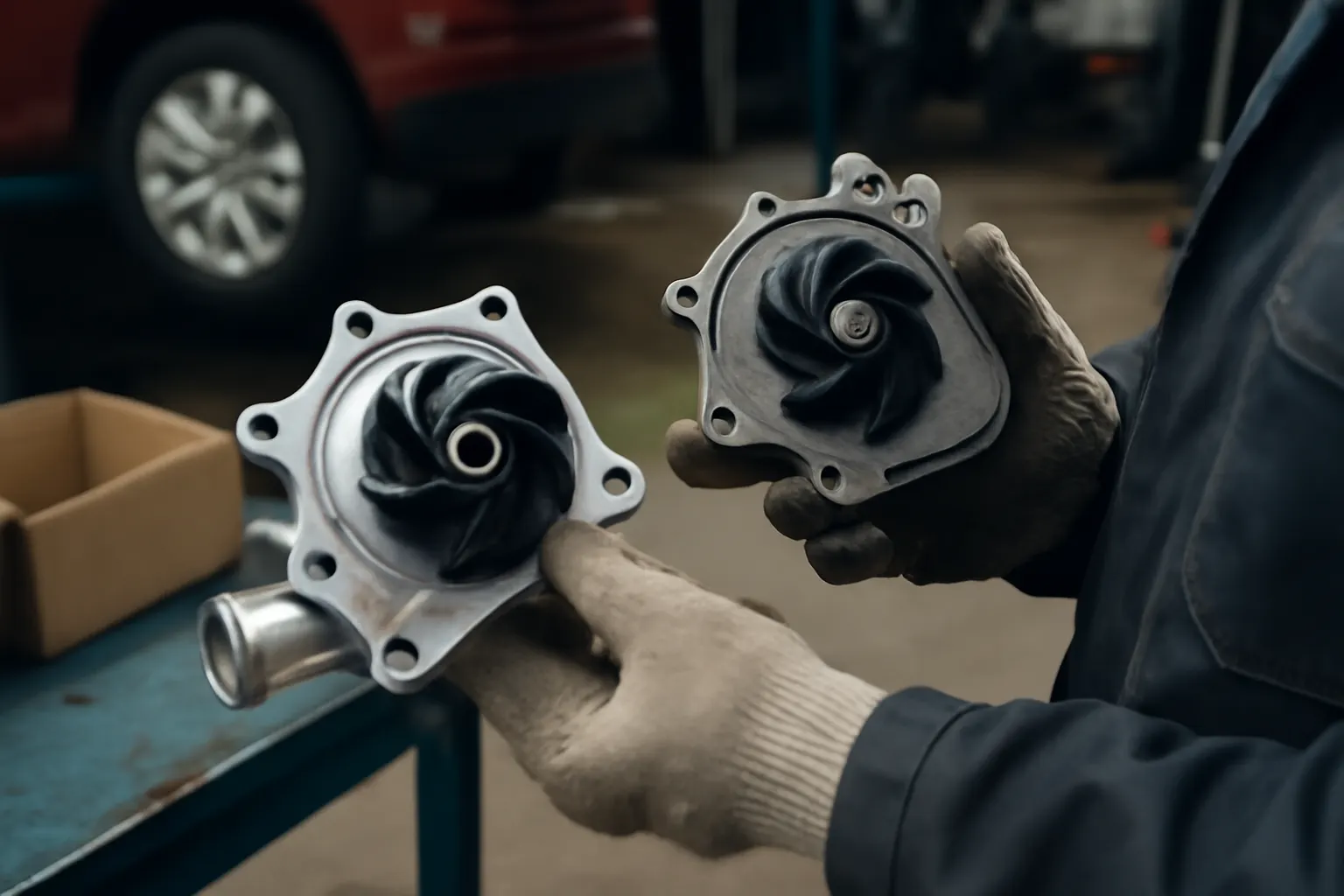
- Counterfeit and Non-Spec Parts: The market is awash with non-genuine and ill-fitting parts, threatening safety, authenticity, and value. (See How to Spot Counterfeit Austin Parts: A Visual Guide for details.)
- Technical Knowledge Gaps: As generations pass, vital knowledge about correct fitment, engineering standards, and diagnostic procedures can be lost.
- Regulatory and Safety Standards: Modern expectations for safety and efficiency may not align with period Austin engineering, requiring careful navigation for both restoration and regular use.
These hidden problems mean that preserving an Austin is about more than just finding a part—it’s about maintaining a chain of technical integrity that stretches back a century.
Deeper Technical Explanation: Model Family Evolution and Engineering Distinction
The Austin Seven (1922–1939): The People’s Car
The Austin Seven revolutionized British motoring by offering affordable, reliable transportation to the masses. Its lightweight chassis, compact 747cc side-valve engine, and simple three-speed gearbox established a template for small car engineering. The Seven’s modular construction and straightforward mechanicals made it a favorite for both daily drivers and motorsport enthusiasts.
Key Technical Features:
- Ladder frame chassis with leaf spring suspension
- Cable-operated drum brakes (later hydraulic in some variants)
- Bodies: saloon, tourer, van, and sports
- Engine: 747cc, 10 bhp, side-valve inline-four
Maintenance Note: The Seven’s mechanical simplicity aids restoration, but sourcing correct brake, steering, and electrical parts is essential for safety and authenticity. See our Austin Seven Restoration: Step-by-Step OEM Fitment for detailed guidance.
The A30 and A35 (1951–1959): Postwar Practicality
The postwar A30 and its improved A35 sibling brought monocoque construction, improved handling, and the robust A-Series engine. These models prioritized fuel efficiency and durability, setting new standards for small family cars.
Key Technical Features:
- Unitary (monocoque) body for reduced weight and increased rigidity
- 803cc (A30) and 948cc (A35) A-Series OHV engines
- Four-speed manual transmission
- Hydraulic brakes, independent front suspension
Buying Guidance: Pay close attention to body corrosion, especially in sills, floorpans, and suspension mounts. Authenticity in trim and mechanicals enhances value and longevity.
The A40 Series: Farina and Beyond
The A40 model family, especially the Farina-styled variants, introduced modern Italian-influenced design, improved cabin space, and mechanical refinements. The A40 was pivotal in bridging prewar and postwar engineering philosophies.
Key Technical Features:
- Farina-styled bodywork (sedan and countryman estate)
- 948cc and later 1098cc A-Series engines
- Four-speed manual, rear-wheel drive
- Upgraded braking systems
Restoration Tip: Brake system parts require careful sourcing. Use our Austin A40 Brake System Rebuild: Period-Correct Techniques for guidance on maintaining period accuracy.
The Cambridge and Westminster Lines: Family and Executive Motoring
The Cambridge (A40/A50/A55/A60) and Westminster (A90/A95/A105/A110) families catered to middle-class and executive buyers. These models featured larger engines, more luxurious interiors, and advancements in ride comfort and safety.
Key Technical Features:
- B-Series (Cambridge) and C-Series (Westminster) engines, up to 3.0L
- Synchromesh gearboxes, optional overdrive
- Improved braking (hydraulic, servo-assisted)
- Enhanced soundproofing and comfort features
Diagnostics: Verify engine and gearbox numbers for originality. Inspect brake servo and hydraulic systems for leaks or non-original modifications.
The Problem Expanded: Sourcing Authentic Parts and Ensuring Fitment
The Challenge of Parts Scarcity and Compatibility
Owners and restorers frequently encounter issues with:
- Obsolete Part Numbers: Many Austin part numbers have been superseded or discontinued.
- Reproduction Variability: Aftermarket reproductions may not meet original SAE or British Standards, leading to fitment or safety issues (see SAE Standards).
- Mix-and-Match Repairs: Over decades, many Austins have been repaired with non-original or incorrect parts, complicating restoration.
Counterfeit and Substandard Parts: A Threat to Safety and Heritage
Non-genuine components—especially in braking, suspension, and steering systems—can pose serious safety risks (NHTSA Equipment). Counterfeit parts may look correct but lack the material strength, dimensional accuracy, or durability of original equipment.
Checklist: How to Identify Genuine Austin Parts
- Markings: Look for original Austin, BMC, or British Leyland logos and part numbers.
- Material Quality: Inspect for correct metallurgy, finish, and casting quality.
- Fitment: Test-fit critical components before final installation.
- Documentation: Reference original Austin parts catalogs and workshop manuals.
- Supplier Reputation: Source from established specialists or trusted vintage parts networks.
For a visual guide, consult How to Spot Counterfeit Austin Parts: A Visual Guide.
Solution Path: Sourcing, Diagnosing, and Maintaining Austin Model Families
Step 1: Identify Your Austin Model Family and Variant
Accurate identification is the foundation for correct parts sourcing and restoration. Use chassis, engine, and body numbers to determine:
- Model family (e.g., Seven, A30, A40, Cambridge)
- Production year and variant (saloon, estate, van, etc.)
- Engine and gearbox type
- Original equipment specification
Tip: Many Austin models underwent running changes during production; always verify parts compatibility by cross-referencing numbers and technical data.
Step 2: Sourcing Authentic and Period-Correct Parts
When sourcing parts, prioritize:
- OEM or NOS (New Old Stock) components: These offer the closest match to original fit, finish, and performance.
- Reputable reproduction suppliers: Choose those adhering to original standards and specifications.
- Specialist breakers and vintage parts dealers: These can supply hard-to-find items, but always inspect for wear or modification.
Explore the Austin brake system parts catalog for a curated selection of authentic and compatible components.
Step 3: Diagnostic and Fitment Best Practices
Diagnostic Routine:
- Conduct a full mechanical inspection before ordering parts.
- Use period workshop manuals for reference.
- Test electrical, braking, and fuel systems for age-related faults.
Fitment Checklist:
- Clean all mating surfaces and threads.
- Use correct fasteners and torque settings.
- Confirm moving parts (brake shoes, linkages, cables) operate freely.
- Bleed hydraulic systems thoroughly; inspect for leaks.
Step 4: Maintenance and Long-Term Preservation
Regular maintenance is key to preserving Austin model families:
- Fluids: Use period-correct lubricants and change at recommended intervals.
- Brakes: Inspect linings, cylinders, and hoses annually.
- Suspension: Check bushings, trunnions, and dampers for wear.
- Body: Treat rust early; use correct repair panels and welding techniques.
Fuel Efficiency Consideration: While Austin models predate modern fuel economy standards, maintaining correct ignition timing, carburetor tuning, and tire pressures can improve efficiency (DOE Fuel Efficiency).
The Austin Seven: Blueprint for British Motoring
The Austin Seven’s immense influence extends far beyond its own production run. It provided the mechanical basis for countless specials, kit cars, and even the first BMWs. Its simplicity means that even today, restoration is achievable for dedicated enthusiasts, provided authentic parts and engineering standards are followed.
Restoration Guidance:
- Prioritize original chassis and body numbers for provenance.
- Use correct bronze bushings and imperial fasteners.
- Avoid mixing later-model components unless period modifications are documented.
For a comprehensive restoration guide, see Austin Seven Restoration: Step-by-Step OEM Fitment.
The A30/A35 Family: Everyday Survivors
The A30 and A35’s robust A-Series engine underpins much of Austin’s postwar success. Their continued popularity in historic motorsport and daily classic use is a testament to their design.
Buying and Maintenance Tips:
- Check for hidden rust in the rear spring mounts and front suspension turrets.
- Ensure the hydraulic brake system is free of leaks and perished rubber.
- Verify originality of trim and switchgear for maximum value.
The A40 and Farina Influence: Modern Styling, Practical Engineering
The A40 Farina’s compact estate design presaged the modern hatchback, offering practicality and style. Its mechanicals, derived from earlier Austins, were refined for smoother operation and improved reliability.
Points to Inspect:
- Tailgate hinges and seals (prone to water ingress)
- Rear suspension bushings (often overlooked)
- Correct Farina-specific trim and badges
Cambridge and Westminster: Comfort Meets Engineering
As Austin’s executive offerings, the Cambridge and Westminster lines introduced features like servo-assisted brakes, optional overdrive, and more refined interiors.
Diagnostics:
- Check for correct operation of overdrive units (where fitted)
- Inspect brake servos for vacuum leaks
- Verify soundproofing and interior trim for completeness
Engineering Standards and Modern Safety Considerations
Restoring and operating an Austin today requires awareness of both original engineering standards and current safety expectations. While these vehicles predate many modern regulations, owners should:
- Avoid substituting critical safety parts with non-genuine items (NHTSA Equipment)
- Upgrade lighting and seat belts where possible, using reversible modifications
- Consult SAE Standards for modern equivalents when original parts are unavailable
Recalls and Technical Bulletins: Always check for historic recalls or technical bulletins specific to your Austin model (NHTSA Recalls).
Materials Technology: Preserving Structure and Performance
Austin’s use of steel monocoque bodies and cast-iron engines means that corrosion and fatigue are primary concerns. Modern materials technology can assist in preservation:
- Use zinc-rich primers and cavity wax for rust prevention
- Consider stainless steel exhaust systems for durability
- When fabricating repair panels, match original gauge and metallurgy (DOE Materials Technologies)
The Role of Documentation and Community
A successful Austin restoration or maintenance project relies not just on parts, but on documentation and knowledge-sharing:
- Acquire original or reprinted workshop manuals, parts catalogs, and service bulletins
- Participate in Austin owners’ clubs and forums for technical support and sourcing leads
- Document your own repairs and modifications for future reference and provenance
AutoPartEx: Your Partner in Authentic Austin Preservation
At AutoPartEx, we recognize that preserving Austin’s motoring heritage requires more than just selling parts—it demands a commitment to authenticity, technical accuracy, and community support. Our curated catalogs, detailed fitment guides, and editorial resources empower owners and restorers to maintain the highest standards of safety, originality, and engineering integrity.
Whether you’re seeking an elusive brake cylinder, period-correct trim, or comprehensive diagnostic advice, AutoPartEx is your trusted source. Explore our Austin Auto Parts: Authentic Components, Heritage Engineering, and Expert Fitment page for direct access to model-specific catalogs and technical resources.
Conclusion: Sustaining the Legacy of Austin Model Families
Preserving the legacy of Austin’s model families is a journey that combines technical knowledge, authentic parts sourcing, and a passion for British motoring history. By understanding the evolution of each model line, recognizing the challenges of parts scarcity and counterfeiting, and adhering to both period and modern standards, you ensure that these iconic vehicles remain on the road—and in the hearts of enthusiasts—for generations to come.
For further reading and practical guidance, explore our related content on brake system restoration, counterfeit parts identification, and step-by-step fitment procedures. The Austin legacy is yours to sustain—AutoPartEx is here to help you every step of the way.