How to Spot Counterfeit Austin Parts: A Visual Guide
Counterfeit automotive parts pose a growing threat to the preservation, safety, and authentic performance of classic Austin vehicles. Whether you’re restoring an Austin Seven, maintaining an A40, or sourcing spares for a cherished family saloon, knowing how to distinguish genuine Austin auto parts from fakes is vital. This visual guide delivers expert-backed methods, comparison checklists, and practical diagnostic advice—empowering enthusiasts and professionals alike to protect their vehicles, investments, and motoring heritage.
If you’re searching for authentic Austin parts or need a comprehensive selection for your next restoration, be sure to consult the Austin Auto Parts: Authentic Components, Heritage Engineering, and Expert Fitment | AutoPartEx catalog early in your sourcing process.
The Immediate Answer: Key Visual Cues to Spot Counterfeit Austin Parts
The quickest way to identify a counterfeit Austin part is to inspect for discrepancies in casting quality, stamping marks, and packaging. Genuine Austin components—whether original equipment manufacturer (OEM) or reputable aftermarket—feature sharp, defined casting lines, accurate part numbers, consistent logo engravings, and robust packaging with traceable batch codes. Counterfeit items often display:
- Blurred or inconsistent logo markings
- Misspelled or missing part numbers
- Inferior casting with pitting, flashing, or uneven surfaces
- Thin, generic, or poorly printed packaging
For a trusted starting point, always cross-reference any part with a known authentic sample or a reputable supplier’s catalog.
The Hidden Problem: How Counterfeits Threaten Austin Safety and Heritage
The risk of counterfeit parts extends beyond mere aesthetics. Substandard replicas can compromise the safety, reliability, and value of your Austin. According to the National Highway Traffic Safety Administration (NHTSA), non-genuine parts may fail to meet critical safety or material standards, leading to:
- Brake or suspension failure
- Poor fuel efficiency due to mismatched engine components
- Accelerated wear on drivetrain or body elements
- Voided restoration authenticity and devalued collector status
These risks are especially acute for classic Austin vehicles, where original engineering tolerances and British manufacturing standards require precise fitment and materials. Counterfeits not only endanger occupants but can also undermine the long-term preservation of British motoring heritage.
Why Counterfeit Austin Parts Are So Prevalent
Classic Austin vehicles, from the iconic Seven to the robust A40, have enjoyed a renaissance among collectors and restorers worldwide. This surge in demand for period-correct parts has unfortunately fueled a parallel market in counterfeits. Factors driving this proliferation include:
- Scarcity of original parts leading to desperation buys
- Online marketplaces with limited oversight
- Increasing sophistication of counterfeiters, who mimic packaging and markings
- Lack of standardized global enforcement for classic car parts
The result? Even seasoned enthusiasts and restoration shops can fall victim to expertly disguised fakes.
Technical Red Flags: Visual and Physical Differences
1. Casting and Machining Quality
Original Austin parts, especially those from the pre-British Leyland era, exhibit high-quality sand casting or precision machining. Key indicators of authenticity:
- Smooth, uniform surfaces with minimal pitting or flash
- Consistent wall thickness and weight
- Clean, sharp edges and bolt holes
Counterfeit parts may exhibit:
- Rough, grainy finishes
- Excessive casting flash or burrs
- Inconsistent or lightweight feel
2. Stamping, Logos, and Part Numbers
Authentic Austin parts feature:
- Crisp, uniform stampings of part numbers and logos
- Correct font styles and sizes
- Accurate placement relative to original drawings
Counterfeits often show:
- Blurry, shallow, or misshapen stamps
- Incorrect or missing part numbers
- Subtle misspellings (e.g., “AUSTINN”)
3. Packaging and Documentation
OEM and reputable aftermarket Austin parts arrive in:
- Sturdy, branded packaging with batch codes
- Instruction leaflets or warranty cards
- Consistent color schemes and high-quality printing
Counterfeit packaging often appears:
- Flimsy or generic
- Unbranded or with low-resolution printing
- Lacking batch codes or traceable information
Authenticity Checklist: How to Examine Suspect Austin Parts
To streamline your inspection, use the following checklist when evaluating an Austin part for authenticity:
| Inspection Point | Genuine Austin Part | Counterfeit Warning Signs |
|---|---|---|
| Casting Quality | Smooth, uniform, minimal flash | Rough, pitted, uneven, excessive flash |
| Stamping/Markings | Crisp, correct font, proper placement | Blurry, shallow, misspelled, missing |
| Part Numbers | Matches OEM catalog, clear | Missing, altered, or incorrect |
| Logo Presence | Correct logo, sharp detail | Faded, off-center, incorrect logo |
| Packaging | Branded, robust, batch code present | Generic, flimsy, no batch info |
| Weight/Feel | Substantial, matches known part | Lightweight, inconsistent |
| Documentation | Instructions/warranty included | None or poor-quality copies |
| Seller Reputation | Known specialist or OEM distributor | Unknown, low feedback, evasive |
| Price | In line with market value | Unusually low or “too good to be true” |
Deep Dive: Material and Engineering Differences
The United States Department of Energy highlights that material composition and manufacturing processes directly impact vehicle safety and efficiency. Genuine Austin parts utilize:
- Period-correct alloys for strength and corrosion resistance
- SAE-standardized fasteners and threads
- Quality control marking (e.g., batch stamps, inspector marks)
Counterfeiters may substitute inferior metals, leading to premature failure or dangerous deformation under load. For example, a counterfeit Austin brake caliper may appear visually similar but lack the correct iron alloy, resulting in cracking or rapid wear.
Standard Compliance
SAE International sets widely recognized benchmarks for automotive engineering and testing. Authentic Austin parts—whether original or reputable reproduction—typically conform to these standards. Counterfeit items rarely meet such criteria, and may not withstand even moderate use.
Packaging and Batch Codes: The First Line of Defense
Packaging is often the first—and sometimes only—visible clue to a part’s origin. When sourcing Austin parts:
- Inspect for batch codes or lot numbers, which allow traceability to manufacturer records.
- Check for consistent branding, color schemes, and fonts.
- Look for holographic stickers or tamper-evident seals, now common on higher-value items.
If packaging appears generic or lacks a batch code, treat the part with caution. Contacting the supplier for verification is always prudent.
Sourcing Tips: Where to Buy Authentic Austin Parts
The most effective way to avoid counterfeits is to establish a relationship with reputable suppliers and specialist distributors. Consider the following sources:
- Official Austin parts specialists with verifiable track records
- Recognized classic car parts retailers with transparent sourcing policies
- Established restoration shops who can provide provenance or documentation
Be wary of online marketplaces where sellers offer “OEM-style” or “compatible” Austin parts at suspiciously low prices. Always request high-resolution photos, batch numbers, and, if possible, physical inspection before purchase.
For a curated selection of trusted components, visit the Austin Auto Parts: Authentic Components, Heritage Engineering, and Expert Fitment | AutoPartEx catalog.
Diagnostic Techniques: Testing Suspect Parts Before Installation
Before fitting any new part to your Austin, perform the following diagnostics:
Visual and Dimensional Comparison
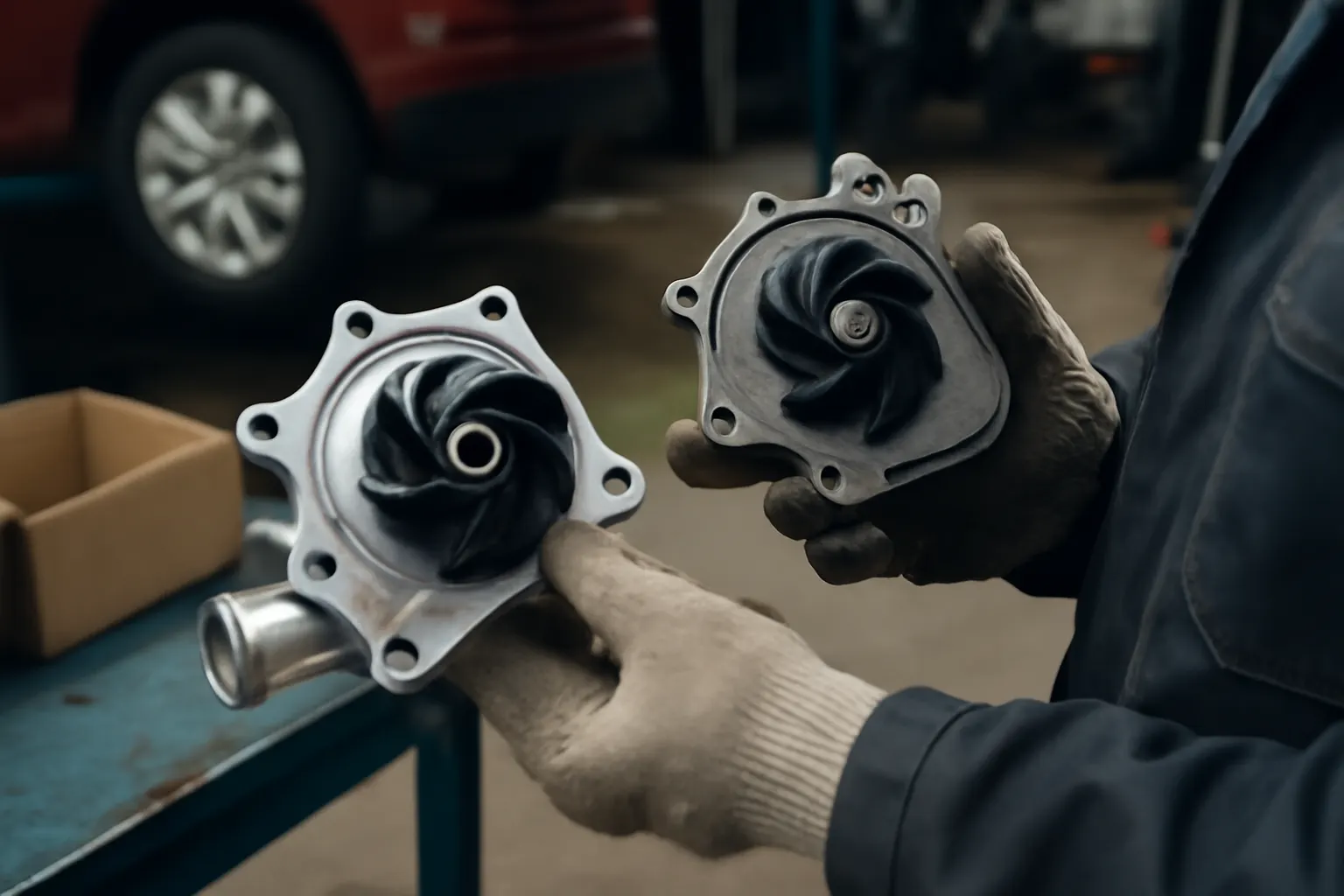
- Compare the suspect part side-by-side with an original or known-genuine item.
- Use calipers to verify critical dimensions (bolt spacing, bore diameters, thread pitch).
- Inspect for color, surface finish, and weight differences.
Material Hardness and Magnetism
- Use a simple file or hardness tester to check if the material matches the expected alloy.
- Test for magnetic properties (e.g., certain Austin brake components should have specific ferrous content).
Fitment Test
- Dry-fit the part on a bench or mock assembly to check for alignment and interference.
- Confirm that all fastener holes and mounting points match the original.
If any discrepancies arise, do not proceed with installation. Report the issue to your supplier and seek a verified replacement.
The Consequences of Installing Counterfeit Parts
Fitting counterfeit Austin parts can have severe consequences, including:
- Sudden mechanical failure (e.g., brake fade, suspension collapse)
- Compromised fuel efficiency and drivability
- Increased risk of accidents due to non-compliant safety equipment
- Permanent damage to original Austin components (e.g., mismatched threads stripping castings)
NHTSA’s safety guidelines stress the critical importance of using tested, certified equipment—especially for braking, steering, and structural components. The cost of a fake part may be low, but the resulting repair or liability can be catastrophic.
What to Do If You Suspect a Counterfeit Austin Part
If you identify or suspect a counterfeit part:
- Quarantine the part: Do not install or sell it.
- Contact the supplier: Request proof of authenticity, batch records, or a return/refund.
- Report to authorities: Notify the NHTSA or local consumer protection agencies if safety is at risk.
- Inform the community: Share your experience with Austin clubs and forums to warn others.
For rare or high-value components, consider professional authentication services or consulting with marque experts.
Maintaining Your Austin’s Authenticity and Value
Preserving the authenticity of your Austin is about more than aesthetics—it’s about safety, heritage, and long-term value. Here’s how to maintain high standards:
- Keep detailed records of all parts sourced, including invoices, batch numbers, and supplier details.
- Photograph new parts alongside originals for future reference.
- Use only SAE-standardized fasteners and materials where specified.
- Join Austin owner clubs and restoration forums to stay informed about known counterfeit trends.
For those undertaking a full restoration, our Austin Seven Restoration: Step-by-Step OEM Fitment guide provides further detail on sourcing and verifying period-correct components.
Case Study: Counterfeit Austin Brake Parts
Brake components are among the most commonly counterfeited Austin parts, given their high wear rate and critical safety function. Recent reports have documented:
- Replica brake shoes with incorrect friction materials, leading to rapid glazing and fade
- Calipers made from low-grade castings prone to fracture
- Master cylinders with mismatched bore diameters, causing spongy pedal feel
For a detailed breakdown of correct brake system fitment, see our Austin brake system parts catalog and the Austin A40 Brake System Rebuild: Period-Correct Techniques guide.
AutoPartEx: Your Partner in Authentic Austin Restoration
At AutoPartEx, we are committed to supporting the preservation of British motoring heritage through the supply of authentic, rigorously vetted Austin parts. All catalog items are sourced from trusted suppliers, meet SAE and NHTSA standards, and are backed by technical documentation. Our expert editorial team regularly updates guides and checklists to help you avoid counterfeits and maintain your vehicle’s integrity.
Explore our full range of period-correct Austin components and restoration resources in the Austin Auto Parts: Authentic Components, Heritage Engineering, and Expert Fitment | AutoPartEx catalog, and connect with our technical team for personalized sourcing advice.
Further Reading and Community Resources
For those interested in the broader context of Austin’s engineering legacy and model history, see our editorial overview: Preserving British Motoring Heritage: Austin Model Family Overview.