
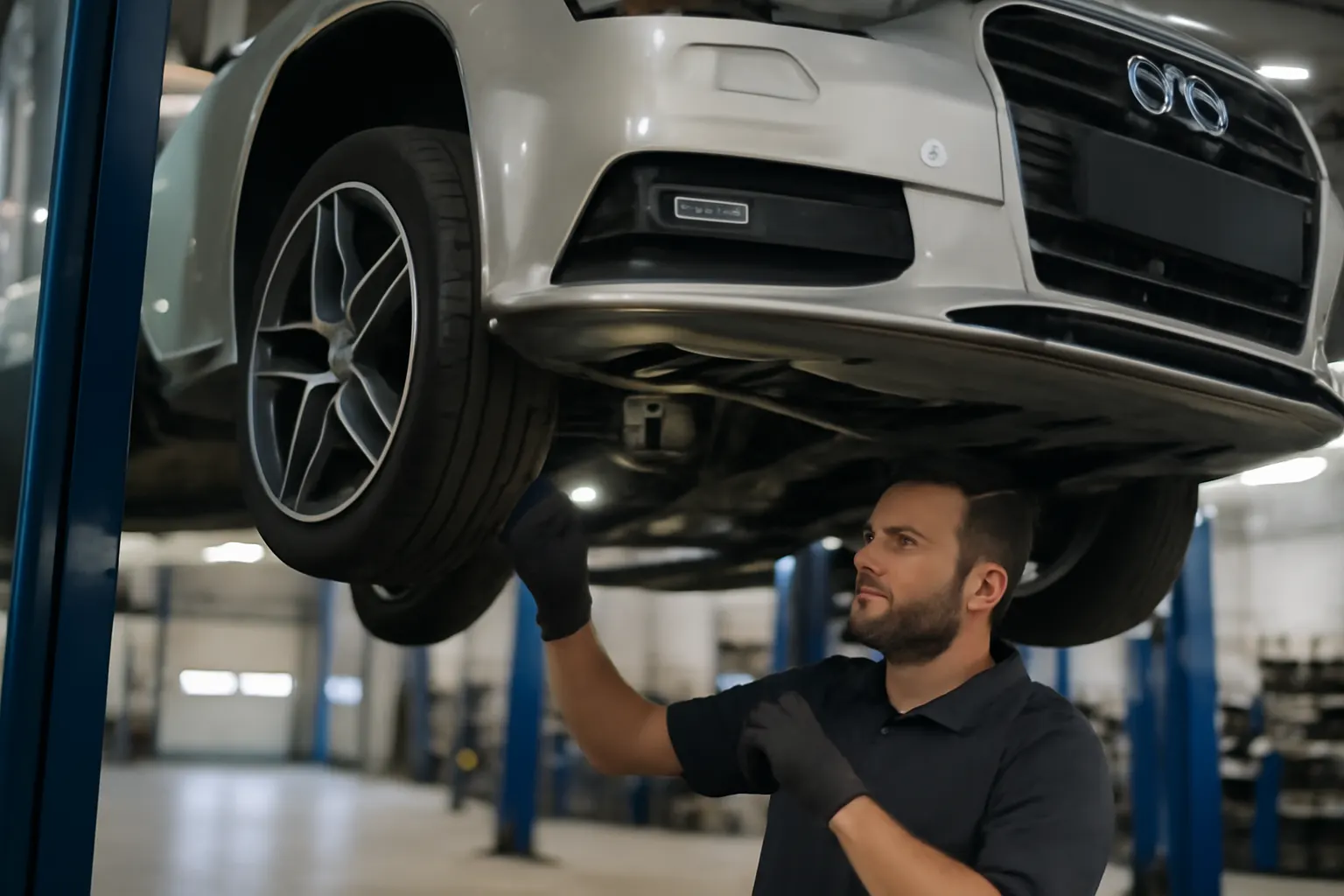
Audi A3 Platform Evolution
The Audi A3 has seen significant platform evolution since its introduction in 1996, affecting everything from part compatibility to maintenance protocols. Understanding these changes is crucial for anyone sourcing reliable replacement parts, performing diagnostics, or planning upgrades. This comprehensive guide deciphers the generational shifts in the A3’s platform, pinpoints how these impact parts sourcing, and provides actionable strategies for owners, technicians, and automotive parts buyers.
For a broader overview of Audi A3 maintenance, fitment, and parts selection, see our Audi A3 Auto Parts: Expert Guide to Service, Fitment, and Genuine Replacement hub.
The Immediate Answer: Why Audi A3 Platform Evolution Matters for Parts Sourcing
The Audi A3’s platform has changed dramatically across its generations—PQ34, PQ35, MQB, and the latest MQB Evo. Each evolution brings new materials, safety systems, and powertrain technologies. This means that not all parts are interchangeable, even between model years that seem similar. Knowing your A3’s platform generation is the first step to sourcing the right replacement part and ensuring proper fitment, safety, and performance.
If you own, maintain, or repair an Audi A3, you must verify your vehicle’s platform before ordering components. The wrong part can compromise safety, void regulatory compliance, and lead to costly returns or repairs.
Hidden Problem: The Complexity of Platform-Based Parts Compatibility
While the A3’s consistent branding suggests continuity, the underlying platform can change significantly between generations—and sometimes even within a single production year. This complexity creates a hidden problem for parts buyers and technicians: What fits a 2012 A3 may not fit a 2013, even if both are 8P models. Platform evolution affects everything from mounting points to wiring harnesses and safety equipment.
Additionally, regulatory standards such as crashworthiness and emissions have driven platform updates, meaning that critical components like airbags, sensors, and even structural fasteners can differ. Without careful cross-referencing, you risk sourcing a part that’s physically incompatible or not up to current safety standards.
Expanding the Problem: How Platform Evolution Impacts Diagnostics, Maintenance, and Upgrades
Platform Generations and Their Technical Differences
Audi A3 platforms have evolved as follows:
- First Generation (8L, 1996–2003): Built on the PQ34 platform, sharing architecture with the VW Golf Mk4.
- Second Generation (8P, 2003–2012): Moved to PQ35, with revised suspension, electronics, and safety systems.
- Third Generation (8V, 2012–2020): Adopted the modular MQB platform, introducing lightweight materials and advanced driver assistance.
- Fourth Generation (8Y, 2020–present): Uses MQB Evo, with even more advanced electronics, connectivity, and structural improvements.
Each generation introduces unique challenges for diagnostics and maintenance. For example, MQB-based A3s feature more integrated electronic modules and lightweight composite materials, which require different diagnostic tools and repair techniques than earlier steel-heavy platforms.
Safety and Regulatory Compliance
The National Highway Traffic Safety Administration (NHTSA) and other regulatory bodies require specific safety equipment and performance benchmarks for each platform. Airbags, crash sensors, and structural reinforcements are platform-specific. Using a part from the wrong generation can compromise crash safety or trigger diagnostic trouble codes (DTCs), especially as newer platforms integrate more sensor-driven systems.
Fuel Efficiency and Powertrain Integration
According to the United States Department of Energy, platform changes often coincide with powertrain updates aimed at improving fuel efficiency and emissions. The shift to MQB and MQB Evo brought turbocharged engines, start-stop systems, and hybridization. This affects everything from engine mounts to exhaust systems and electronic control units (ECUs).
Deeper Technical Explanation: Platform Engineering and Its Influence on Replacement Parts
Structural Materials and Their Impact
The move from PQ to MQB platforms saw Audi transition from predominantly steel construction to a mix of high-strength steel, aluminum, and composites. The DOE’s Materials Technologies overview explains that lighter, stronger materials improve fuel efficiency and crash safety, but they also mean body panels, subframes, and mounting points change between generations. A door or fender from an 8L will not fit an 8V, even if dimensions seem similar.
Electronics and Diagnostic Systems
Platform evolution goes hand-in-hand with more advanced electronics. Early A3s used relatively simple wiring and analog sensors. MQB and MQB Evo platforms feature CAN bus networks, advanced driver assistance systems (ADAS), and digital communication between modules. This means replacement sensors, ECUs, and actuators must match both hardware and software specifications. For example, a wheel speed sensor from an 8P may not communicate correctly with an 8V’s ABS module.
Safety Equipment Evolution
Per NHTSA equipment standards, every platform change brings new or improved safety features. Side curtain airbags, knee airbags, and active head restraints are often platform-specific. Even seatbelt pre-tensioners, seat occupancy sensors, and airbag connectors may differ, making it critical to source the exact part for your A3’s generation and production date.
Fuel System and Drivetrain Changes
Fuel delivery, exhaust routing, and drivetrain mounting all evolve with each platform. The DOE’s Fuel Efficiency resource notes that newer platforms optimize engine placement and flow paths for efficiency. This affects compatibility for exhaust components, fuel tanks, and even suspension arms.
Solution Path: How to Identify Your Audi A3 Platform and Source Correct Parts
Step 1: Decode Your VIN and Build Sheet
Your Audi A3’s Vehicle Identification Number (VIN) reveals its production year, platform, and sometimes even the factory of origin. Use the VIN to access your build sheet, which lists the platform code (e.g., 8L, 8P, 8V, 8Y). This information is critical when searching for parts online or at a dealership.
Step 2: Cross-Reference OEM Part Numbers
Always search for replacement parts using the OEM part number, not just the part name. Audi’s part numbering system is platform- and sometimes even trim-specific. Many reputable parts catalogs let you search by VIN or OEM number to ensure compatibility.
Step 3: Consult Platform-Specific Fitment Guides
Refer to detailed fitment guides, such as those found in our Audi A3 Parts Compatibility Article. These resources break down which parts are shared between generations and which are unique.
Step 4: Check Regulatory and Safety Requirements
Before installing any replacement part, confirm it meets current safety standards for your platform. Use the NHTSA’s Equipment resource to verify compliance, especially for critical systems like airbags, brakes, and lighting.
Diagnostic Considerations: Platform-Specific Troubleshooting
Electronics and Communication Protocols
From 8P onward, the A3’s diagnostic systems became increasingly sophisticated. MQB-based models use advanced CAN bus and gateway modules, requiring compatible scan tools and software. Attempting to diagnose or retrofit parts from an older platform can result in communication errors or non-functional systems.
Checklist: Platform-Specific Diagnostic Steps
- Identify the platform and model year via VIN.
- Use a scan tool with the correct software for your generation.
- Check wiring diagrams for platform-specific differences.
- Verify sensor and module part numbers before replacement.
- Test for proper communication on the CAN bus after installation.
Installation Challenges: Platform Changes and Physical Fitment
Mounting Points and Structural Differences
Each A3 platform features unique mounting points for suspension, body panels, and drivetrain components. For example, the transition to MQB meant a redesigned front subframe and new mounting locations for the engine and transmission. Attempting to fit an 8P engine mount to an 8V chassis will result in misalignment and potential safety hazards.
Fastener and Hardware Variations
Audi often updates fasteners, clips, and brackets with each platform. These small differences can prevent proper installation or cause premature wear if mismatched. Always use hardware specified for your exact generation and production date.
Maintenance Implications: Platform Evolution and Service Intervals
Fluid Specifications and Service Procedures
As Audi updated the A3’s platform, it also introduced new fluid specifications and service procedures. For instance, MQB-based A3s often require low-viscosity synthetic oils and specific coolant types. Using fluids intended for an older platform can lead to accelerated wear or system failures.
Scheduled Maintenance Differences
Service intervals and recommended maintenance tasks vary between generations. The move to MQB brought extended oil change intervals and new inspection points for electronic systems. Always consult your platform-specific maintenance guide, such as our Audi A3 Maintenance Guide, for accurate service schedules.
Sourcing Genuine and Aftermarket Parts: What to Watch For
Original Equipment vs. Aftermarket
Both OEM and high-quality aftermarket parts are available for most A3 platforms, but platform evolution means not all aftermarket parts are engineered for the latest safety and performance standards. Always verify that aftermarket parts are tested to the same standards as OEM, especially for safety-critical systems.
Counterfeit and Mislabelled Parts
The complexity of Audi’s platform changes has led to an increase in counterfeit or mislabelled parts, especially online. Always purchase from reputable suppliers who cross-reference parts by VIN and platform code.
Checklist: How to Ensure Audi A3 Parts Compatibility
| Step | Action | Details |
|---|---|---|
| 1 | Identify Platform | Use VIN and build sheet to determine 8L, 8P, 8V, or 8Y. |
| 2 | Verify Part Number | Use OEM part number for sourcing. |
| 3 | Check Fitment Guide | Consult platform-specific compatibility articles. |
| 4 | Confirm Regulatory Compliance | Verify with NHTSA or manufacturer for safety-critical components. |
| 5 | Inspect Hardware and Fasteners | Ensure mounting points and hardware match your platform. |
| 6 | Use Platform-Specific Tools | Especially for diagnostics and electronic parts. |
Advanced Fitment and Upgrade Considerations
Retrofitting and Cross-Platform Upgrades
Some owners attempt to retrofit newer features—like LED lighting or advanced driver assistance—onto older A3 platforms. While possible, this often requires custom wiring, module programming, and structural modifications. For example, fitting MQB-based headlights to a PQ35 (8P) body requires not just the lights but also new control modules and wiring harnesses.
Performance Upgrades
Suspension, brakes, and engine upgrades are often platform-specific. Performance parts for an 8V may not fit an 8P due to differences in geometry and mounting. Always consult with a specialist or use a compatibility resource before purchasing any upgrade components.
Regulatory and Safety Standards: What the Law Requires
NHTSA Compliance
Every platform must meet specific safety standards set by the NHTSA. Replacement and upgrade parts—especially those affecting airbags, seatbelts, and crash structures—must comply with these regulations. Installing a non-compliant part can result in failed inspections or, worse, compromised occupant safety.
Emissions and Fuel Efficiency
Platform changes often bring updates to emissions controls and fuel delivery systems. The DOE’s Fuel Efficiency and Materials Technologies resources detail how newer platforms integrate emissions and fuel-saving technologies. Always ensure emissions-related components are platform-correct to maintain compliance and efficiency.
Common Pitfalls: Mistakes to Avoid When Sourcing Audi A3 Parts
- Assuming Year-Only Compatibility: Never rely solely on model year; always confirm platform code.
- Ignoring Build Date Overlaps: Some generations overlap in production; a late 2012 may not share parts with an early 2012.
- Mixing Up Trim and Platform: S-Line, Quattro, and hybrid trims may have additional unique parts.
- Overlooking Electronic Compatibility: Sensors and modules must match both hardware and software.
- Using Universal Parts: Suspension, brakes, and driveline components are rarely universal between generations.
Expert Action: Ensuring Seamless Audi A3 Service and Parts Sourcing
To guarantee the right fit, performance, and safety, always:
- Use your VIN and platform code as the primary reference for parts sourcing.
- Consult OEM documentation, fitment guides, and regulatory databases.
- Employ platform-appropriate diagnostic and installation tools.
- Source parts from trusted suppliers who cross-reference by platform and production date.
- For complex upgrades or retrofits, seek advice from an Audi specialist or performance shop.
For further guidance on platform-specific service and parts compatibility, visit our Audi A3 Auto Parts: Expert Guide to Service, Fitment, and Genuine Replacement hub or refer to our Audi A3 Quattro Service Guide for drivetrain-specific insights.
AutoPartEx is committed to demystifying platform evolution and providing the most accurate, actionable information for Audi A3 owners, technicians, and enthusiasts. Our platform-specific parts matching and expert resources ensure you get the right component, every time.