
Audi A3 Auto Parts
Audi A3 Auto Parts: Expert Guide to Service, Fitment, and Genuine Replacement
The Audi A3 is a benchmark compact premium vehicle, blending German engineering precision with practical everyday versatility. Since its debut in 1996, the A3 has evolved across four generations, offering a range of body styles—hatchback, sedan, and cabriolet—and a broad selection of engines from fuel-efficient TFSI and TDI variants to high-performance S3 and RS3 models. As a foundational member of the Volkswagen Group’s MQB platform family, the A3 shares many underpinnings with the VW Golf and other corporate siblings, yet retains distinct Audi-specific features when it comes to electronics, trim, and chassis tuning. For owners and independent technicians, sourcing the right replacement parts for the Audi A3 demands careful attention to model year, engine code, and trim level—ensuring fitment, reliability, and value through every service event.
Despite its reputation for quality, the Audi A3 presents unique maintenance challenges that may not be immediately obvious to new or casual owners. Many vital components—such as timing belt kits, water pumps, and direct-injection fuel pumps—are subject to age and wear patterns specific to the A3’s engineering. With the earliest models now exceeding two decades in service, age-related risks like brittle plastics, degraded rubber bushings, and failing electronic modules are increasingly common. Parts scarcity for older trims, especially those with unique options or discontinued powertrains, can complicate routine repairs. Even newer A3s can surprise owners with hidden fitment pitfalls, such as mid-cycle sensor and brake system changes, or subtle differences in suspension geometry between S line, Quattro, and front-wheel drive models. These details make it essential to understand the model’s evolution and how it impacts part compatibility.
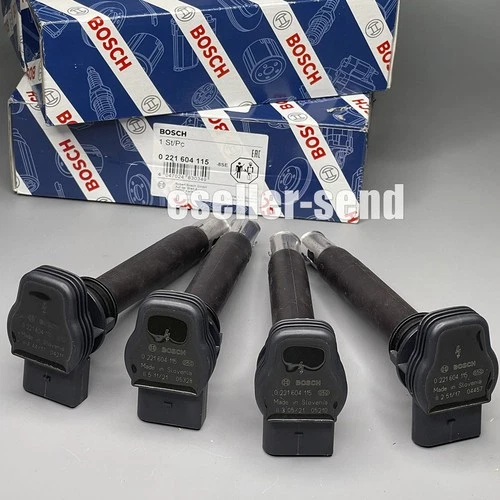
The A3 is known for several recurring service issues, including ignition coil failures on early TFSI engines, carbon buildup on direct-injection intake valves, and premature wear of DSG dual-clutch transmissions. Owners also face platform-specific challenges like diverging air conditioning system architectures, changes in electronic control modules, and year-to-year revisions in brake caliper design. The difference between MQB-based third- and fourth-generation A3s and prior PQ-based models means that not all parts cross over—even within the same body style or engine family. This makes generic part lookups unreliable unless VIN decoding, engine code, and production date checks are performed. As a result, independent shops and DIYers frequently encounter compatibility problems when sourcing aftermarket or used parts—leading to increased downtime and costs.
Audi A3 owners and technicians can mitigate these challenges with systematic diagnostics and proactive service planning. Begin by documenting your VIN, engine code, and transmission type before ordering any part. Consult model-specific service intervals for key components such as timing belts (typically every 60,000–100,000 miles), DSG fluid changes (every 40,000 miles), and carbon cleaning (recommended every 50,000 miles for direct-injection engines). Use only validated OEM or OE-equivalent parts for high-stress areas like suspension arms, engine sensors, and brake components to avoid premature failures or fitment issues. For deeper guidance, refer to Audi A3 Maintenance Guide for step-by-step service recommendations and Audi A3 Parts Compatibility Article for a technical breakdown of part interchangeability across generations. Always cross-reference part numbers with your specific chassis code, and leverage AutoPartEx’s fitment verification tools to ensure accuracy before purchase.
Filter Audi A3 Parts
Other Audi Models
424 Audi A3 Auto Parts




More Audi A3 options
Filtering for Audi A3Browse nearby inventory for this model without leaving the page. Use search to filter by price, part number, or city.
No Data Available
Please check back soon when more inventory is available for this part.
Expert Audi A3 Parts Sourcing: Technical Evidence, Real-World Service, and AutoPartEx Fitment Advantage
AutoPartEx enables you to avoid costly errors and minimize downtime. With access to OE cross-references, detailed fitment notes, and VIN decoding, you can source the right part with confidence. For deeper insights, consult Audi A3 Maintenance Guide for full service interval and procedure details, and see Audi A3 Parts Compatibility Article for an in-depth look at generation-specific fitment nuances. Use AutoPartEx to compare parts options, verify compatibility, and find hard-to-find OEM parts—backed by technical guidance and a community of expert resources.
For high-mileage A3s, age-related deterioration of plastics (such as intake manifolds, coolant flanges, and underbody shields) can cause persistent leaks and driveability problems. Degraded suspension bushings and motor mounts may result in vibration and poor handling, while electronic issues (from failing window regulators to intermittent sensor faults) are common as vehicles approach and exceed 10 years in service. Owners of turbocharged engines should monitor PCV systems for oil leaks and check intercooler hoses for brittleness. Additionally, the proliferation of advanced driver assistance systems (ADAS) in recent A3s means that even minor repairs often require recalibration or coding—further underscoring the importance of using correct, generation-specific parts.
Given the A3’s broad model spread, it is not uncommon for independent shops to encounter parts compatibility issues that delay repairs. For example, a shop may order a replacement water pump for a 1.8 TFSI engine, only to find that a mid-year revision requires a different mounting flange or sensor port. Such experiences highlight the value of robust fitment databases and the need for VIN-based lookup tools. AutoPartEx addresses these challenges by providing access to detailed fitment notes, OE part numbers, and cross-reference data, enabling both DIYers and professionals to source the right part the first time and minimize costly returns or delays.
Audi A3 at a Glance: Key Service and Parts Facts
Service Intervals
Oil changes every 10,000 miles or 12 months; DSG transmission fluid every 40,000 miles; timing belt or chain inspection at 60,000–100,000 miles based on engine type.
Engine & Drivetrain
Available as TFSI gasoline, TDI diesel, mild hybrid, plug-in hybrid, and Quattro AWD. Engine code and transmission type are critical for parts selection.
Common Replacement Parts
Ignition coils, PCV valves, timing belt/chain kits, brake pads and rotors, control arms, thermostats, and electronic modules are frequent service items.
Parts Fitment Tips
Always use your VIN, engine code, and production date to verify fitment. Consult OE part numbers and use AutoPartEx fitment tools for accuracy.
References
- Vehicle, Car Seat, Tire, and Equipment Recalls - National Highway Traffic Safety Administration, accessed 2024-06-15Cited for model-specific recall and safety campaign data, supporting platform and production context.
- Fuel Efficiency - United States Department of Energy, accessed 2024-06-15Supports discussion of engine variations, fuel economy, and service intervals for TFSI and TDI powertrains.
- Materials Technologies - United States Department of Energy, accessed 2024-06-15Supports information on platform construction, body materials, and age-related parts deterioration.
Related Guides & Articles

Audi A3 Maintenance Guide
Get step-by-step instructions for essential Audi A3 maintenance tasks, including service intervals and parts selection tips for every generation. Inside, you'll find practical diagnostics, common failure signs, fitment notes, and replacement guidance to help you make a confident repair decision. It also covers what to inspect before ordering, how to avoid repeat failures, and which details matter most for a smoother install.
View Guide
Audi A3 Parts Compatibility Article
Learn how to identify compatible parts for your Audi A3, avoid common fitment mistakes, and streamline your next repair. Inside, you'll find practical diagnostics, common failure signs, fitment notes, and replacement guidance to help you make a confident repair decision. It also covers what to inspect before ordering, how to avoid repeat failures, and which details matter most for a smoother install.
Read More
Audi A3 Platform Evolution
Explore the evolution of the Audi A3’s platform and what it means for sourcing reliable replacement parts. Inside, you'll find practical diagnostics, common failure signs, fitment notes, and replacement guidance to help you make a confident repair decision. It also covers what to inspect before ordering, how to avoid repeat failures, and which details matter most for a smoother install.
Read More
Audi A3 Quattro Service Guide
A3 Quattro owners: discover special service needs and parts sourcing tips for Haldex-equipped models. Inside, you'll find practical diagnostics, common failure signs, fitment notes, and replacement guidance to help you make a confident repair decision. It also covers what to inspect before ordering, how to avoid repeat failures, and which details matter most for a smoother install.
View Guide