
Audi 100 Auto Parts
Audi 100 Auto Parts & Model Maintenance Guide
The Audi 100, a hallmark of German engineering, was produced by Audi from 1968 through 1994 across four distinct generations (C1 to C4). Renowned for its advanced technology, durable construction, and executive-class comfort, the Audi 100 established a standard for the brand's future sedans. Owners and restorers of the Audi 100 face unique parts sourcing and maintenance challenges due to the model's age, evolution, and varying engine and drivetrain options. This page is a technical resource for enthusiasts, mechanics, and collectors seeking precise fitment, reliable parts, and in-depth guidance for keeping the Audi 100 in optimal condition.
Many Audi 100 owners underestimate the complexity of maintaining a classic vehicle that straddles several engineering eras. Over decades, parts can become scarce, and even well-maintained cars can develop hidden issues—from perished rubber bushings to outdated electronic components. The Audi 100’s unique chassis codes (C1–C4), changing engine configurations, and body innovations mean that not all parts interchange easily. Fitment errors are common if model year, engine code, or body style are not carefully matched. As these vehicles age, unexpected failures—such as brittle wiring harnesses, corroded fuel tanks, or hard-to-source trim—can emerge even on low-mileage examples. Understanding these subtleties is critical for safe, reliable ownership.
Specific to the Audi 100, recurring issues include aging suspension components, leaking hydraulic systems, and increasingly rare electronic modules. Drivetrain and platform variations—such as the transition from rear-wheel to front-wheel drive, and the later introduction of quattro all-wheel drive—impact compatibility for major parts like transmissions, axles, and wheel bearings. Some engines (notably the inline-five and V6 variants in later C3 and C4 models) require model-specific ignition and fuel system components. Owners must also watch for differences in brake system designs, cooling layouts, and interior electronics across model years. Sourcing the correct part often demands VIN decoding and chassis number verification to avoid costly mistakes.
Proper diagnosis and maintenance planning start with a deep understanding of your Audi 100’s generation, engine code, and build date. For accurate parts sourcing, always cross-check OEM part numbers, consult service documentation, and verify fitment with trusted suppliers. Regular service intervals for timing belts, fluids, and suspension bushings are essential—neglecting these can lead to major repairs. When replacing major assemblies, confirm compatibility with your vehicle’s specific drivetrain and body style. Use AutoPartEx’s model-specific database to identify correct components, and leverage our technical guides for troubleshooting classic Audi systems. Our platform prioritizes genuine fitment and proven aftermarket options, helping you maintain originality and reliability.
Filter Audi 100 Parts
Other Audi Models
8 Audi 100 Auto Parts

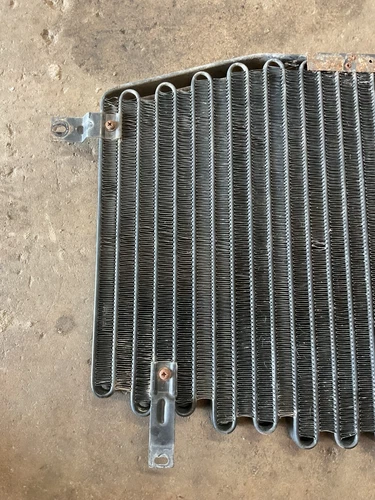
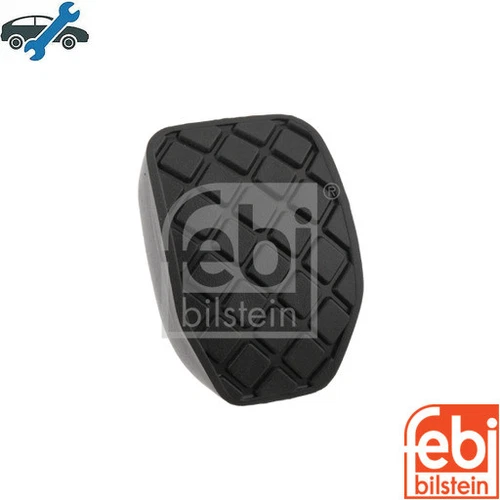


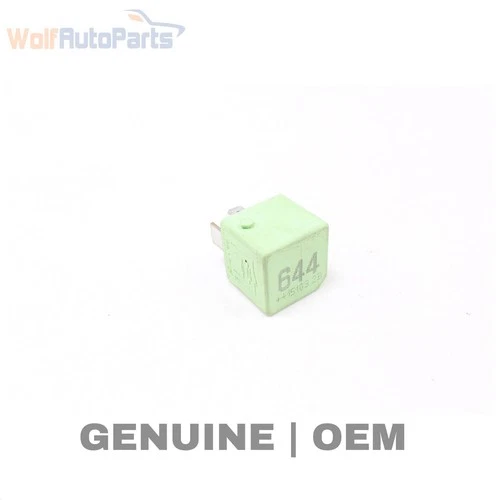


More Audi 100 options
Filtering for Audi 100Browse nearby inventory for this model without leaving the page. Use search to filter by price, part number, or city.
No Data Available
Please check back soon when more inventory is available for this part.
Audi 100: Expert Specs, Fitment, and AutoPartEx Advantage
From the C3 generation onward, Audi incorporated more advanced electronics and fuel injection systems. These improvements enhance reliability, but also introduce potential failure points—including aging relays, control modules, and sensor wiring. Diagnosing electrical faults often demands period-correct wiring diagrams and specialized test equipment.
Suspension and steering systems on all Audi 100s are prone to bushing wear, ball joint play, and shock absorber degradation after decades of service. Quattro-equipped models add complexity with additional drivetrain components, demanding regular checks for CV boot integrity and rear differential leaks.
Interior maintenance is equally important. Sun-damaged dashboards, brittle plastics, and worn seat upholstery are common. While trim and interior parts are becoming scarce, some reproduction and refurbished components are available through specialist suppliers or enthusiast networks.
Owners should also be vigilant for recall notices affecting the Audi 100. Historic safety campaigns have addressed issues such as fuel system leaks and brake performance. Regularly check reputable sources such as the National Highway Traffic Safety Administration for recall history and outstanding campaigns.
Ultimately, successful stewardship of the Audi 100 relies on proactive service, careful parts verification, and engagement with knowledgeable suppliers and enthusiast communities. AutoPartEx supports owners with a comprehensive model-specific catalog and authoritative technical resources.
For Audi 100, long-term reliability depends on verified fitment, periodic inspection of wear components, and disciplined preventive maintenance. Confirm part numbers by VIN, check supersession notes, and compare mounting points before installation. Review service bulletins and historical failure patterns to prioritize high-risk systems, especially electrical connectors, seals, cooling components, and drivetrain interfaces.
Audi 100 Quick Reference & Maintenance Cards
Chassis Code Identification
Locate your Audi 100’s chassis code (C1–C4) on the data plate. Cross-reference with year, engine, and body style for accurate parts selection. See our VIN decoding guide for step-by-step help.
Service Interval Checklist
Timing belt, water pump: 60,000–80,000 miles. Hydraulic fluids: every 2–3 years. Suspension bushings and dampers: inspect at each service. Electrical connections: annual inspection and cleaning.
Parts Fitment Verification
Always confirm part numbers using your VIN and official catalogs. Avoid universal-fit parts unless verified for your generation and drivetrain. For help, use AutoPartEx’s direct fitment support.
Recall & Safety Compliance
Check the NHTSA database for recall information on your Audi 100. Address outstanding campaigns promptly to ensure safety and preserve vehicle value.
References
- Vehicle, Car Seat, Tire, and Equipment Recalls - National Highway Traffic Safety Administration, accessed 2024-06-01Official source for recall campaigns and safety notices relevant to the Audi 100.
- Fuel Efficiency - United States Department of Energy, accessed 2024-06-01Technical reference for fuel efficiency best practices and engine maintenance.
- Materials Technologies - United States Department of Energy, accessed 2024-06-01Reference for materials advances impacting classic car restoration and longevity.
Related Guides & Articles

Audi 100 Service Intervals
Understand critical service intervals and preventive maintenance strategies to preserve your classic Audi 100’s performance and reliability. Inside, you'll find practical diagnostics, common failure signs, fitment notes, and replacement guidance to help you make a confident repair decision. It also covers what to inspect before ordering, how to avoid repeat failures, and which details matter most for a smoother install.
View Guide
Audi 100 Platform History
Explore the evolution of Audi 100 engineering across generations with insights on platform changes, engine options, and parts compatibility. Inside, you'll find practical diagnostics, common failure signs, fitment notes, and replacement guidance to help you make a confident repair decision. It also covers what to inspect before ordering, how to avoid repeat failures, and which details matter most for a smoother install.
Read More
Audi 100 Parts Sourcing
Discover expert tips for sourcing rare and NOS parts for the Audi 100, including trusted suppliers and fitment checks. Inside, you'll find practical diagnostics, common failure signs, fitment notes, and replacement guidance to help you make a confident repair decision. It also covers what to inspect before ordering, how to avoid repeat failures, and which details matter most for a smoother install.
Read More
Audi 100 Vin Decoding
Learn how to decode your Audi 100’s VIN and chassis numbers to ensure precise parts selection and avoid costly errors. Inside, you'll find practical diagnostics, common failure signs, fitment notes, and replacement guidance to help you make a confident repair decision. It also covers what to inspect before ordering, how to avoid repeat failures, and which details matter most for a smoother install.
View Guide