Weatherproofing Your Vehicle: The Role of Back Door Moulding
A vehicle’s comfort, longevity, and safety depend on more than just its engine and electronics. Back door moulding—often overlooked—plays a pivotal role in weatherproofing your vehicle, ensuring a quieter, drier, and more comfortable ride. This comprehensive guide explores how back door moulding works, why regular inspection is essential, and how to maintain and replace this critical component for optimal performance.
If you’re seeking the best fit, performance, and protection for your vehicle, understanding the specifics of Moulding (Back Door): Precision Fit, Weather Protection, and OEM Quality is your first step.
The Immediate Answer: Why Back Door Moulding Matters
Back door moulding forms the primary seal between your vehicle’s rear doors or hatch and the body. Its main functions include:
- Preventing water leaks that can cause corrosion or interior damage.
- Blocking wind and road noise, resulting in a quieter cabin.
- Maintaining optimal climate control by minimizing air leaks.
- Protecting against dust, debris, and pollutants entering the cabin.
Neglecting this simple yet crucial component can lead to a cascade of issues—ranging from annoying wind whistles to extensive water damage and even compromised safety.
The Hidden Problem: Back Door Moulding Is a Wear Item
Many drivers assume moulding is maintenance-free. In reality, back door moulding is exposed to:
- UV radiation and ozone that degrade rubber and plastic.
- Temperature extremes causing expansion, contraction, and eventual cracking.
- Mechanical wear from repeated door openings and closings.
- Chemical exposure from road salt, cleaners, and pollutants.
Over time, even high-quality OEM moulding will harden, shrink, or lose its elasticity. This can create gaps—inviting water, wind, and noise into your vehicle. The problem is often hidden until symptoms (like damp carpets or increased noise) become obvious.
How Back Door Moulding Works: The Technical Perspective
Back door moulding is engineered to form a continuous, compressible barrier between the door and the vehicle body. Key technical features include:
- Material composition: Typically, EPDM (ethylene propylene diene monomer) rubber is used for its flexibility, weather resistance, and durability. Some designs use thermoplastic elastomers or a combination for improved performance.
- Cross-sectional design: The shape (often a bulb, D-shape, or multi-lip) is tailored to compress perfectly when the door closes, ensuring a tight seal.
- Attachment method: Moulding is often press-fit onto a flange, secured with adhesives or clips, and may include integrated metal spines for strength.
These design aspects are governed by strict automotive standards, such as those outlined by SAE International, to ensure safety and performance across all vehicle types.
The Risks of Neglect: What Happens When Moulding Fails
Ignoring worn or damaged back door moulding can result in:
- Water intrusion: Leaks can damage carpet, electronics, and promote mold growth.
- Increased cabin noise: Gaps allow wind and road noise to penetrate the interior, reducing comfort.
- Climate control inefficiency: Air leaks force your HVAC system to work harder, impacting fuel efficiency and comfort.
- Structural corrosion: Persistent moisture can rust door sills and body panels from the inside out.
- Compromised safety: In severe cases, poor sealing can reduce the effectiveness of crumple zones or allow exhaust gases into the cabin.
The National Highway Traffic Safety Administration (NHTSA) notes that all vehicle equipment—including weatherstripping and mouldings—must meet safety and performance standards to protect occupants [1].
Diagnosing Back Door Moulding Problems: Inspection Checklist
Regular inspection is essential for maintaining your vehicle’s weatherproofing. Use this checklist to identify potential issues:
Back Door Moulding Inspection Checklist
- Visual cracks, splits, or missing sections
Check for obvious damage along the entire moulding length. - Hardened or brittle texture
Press the moulding; it should be soft and resilient, not hard or crumbly. - Compression set (flattened areas)
Look for spots where the moulding no longer rebounds after the door is closed. - Loose fit or detachment
Gently tug; it should be securely attached to the body or door. - Visible water stains or dampness inside the vehicle
Inspect carpets, trim, and headliner for signs of leaks. - Increased wind or road noise
Note any new or louder noises when driving, especially at highway speeds. - Odors or mold
A musty smell can indicate chronic water intrusion.
If any of these symptoms are present, immediate attention is recommended to prevent further damage.
The Link to Fuel Efficiency: Small Seals, Big Impact
It might be surprising, but effective door moulding can influence your vehicle’s fuel efficiency. How?
- Reduced HVAC load: Proper seals minimize air leaks, meaning your air conditioning or heating system works less to maintain cabin temperature.
- Improved aerodynamics: Gaps and leaks can disrupt airflow around your vehicle, increasing drag and reducing fuel economy.
The U.S. Department of Energy highlights that even minor improvements in vehicle efficiency—such as those provided by optimal weatherproofing—can contribute to measurable fuel savings over time [2].
Materials Matter: OEM vs. Aftermarket Moulding
Not all moulding is created equal. Material quality, fit, and design precision directly affect performance:
-
OEM (Original Equipment Manufacturer) Moulding:
- Engineered to exact vehicle specifications.
- Uses high-grade materials tested for longevity and performance.
- Ensures perfect fit and finish, maintaining factory standards.
-
Aftermarket Moulding:
- Varies widely in quality and fit.
- Some reputable brands match OEM standards, but many use lower-cost materials that degrade faster.
- Poor fit can cause leaks, noise, and even door closure issues.
When choosing replacement moulding, prioritize OEM quality or proven aftermarket brands. For a deeper dive into this decision, see our guide: Choosing OEM vs Aftermarket Moulding: What Matters Most?.
Replacement and Installation: Getting a Perfect Seal
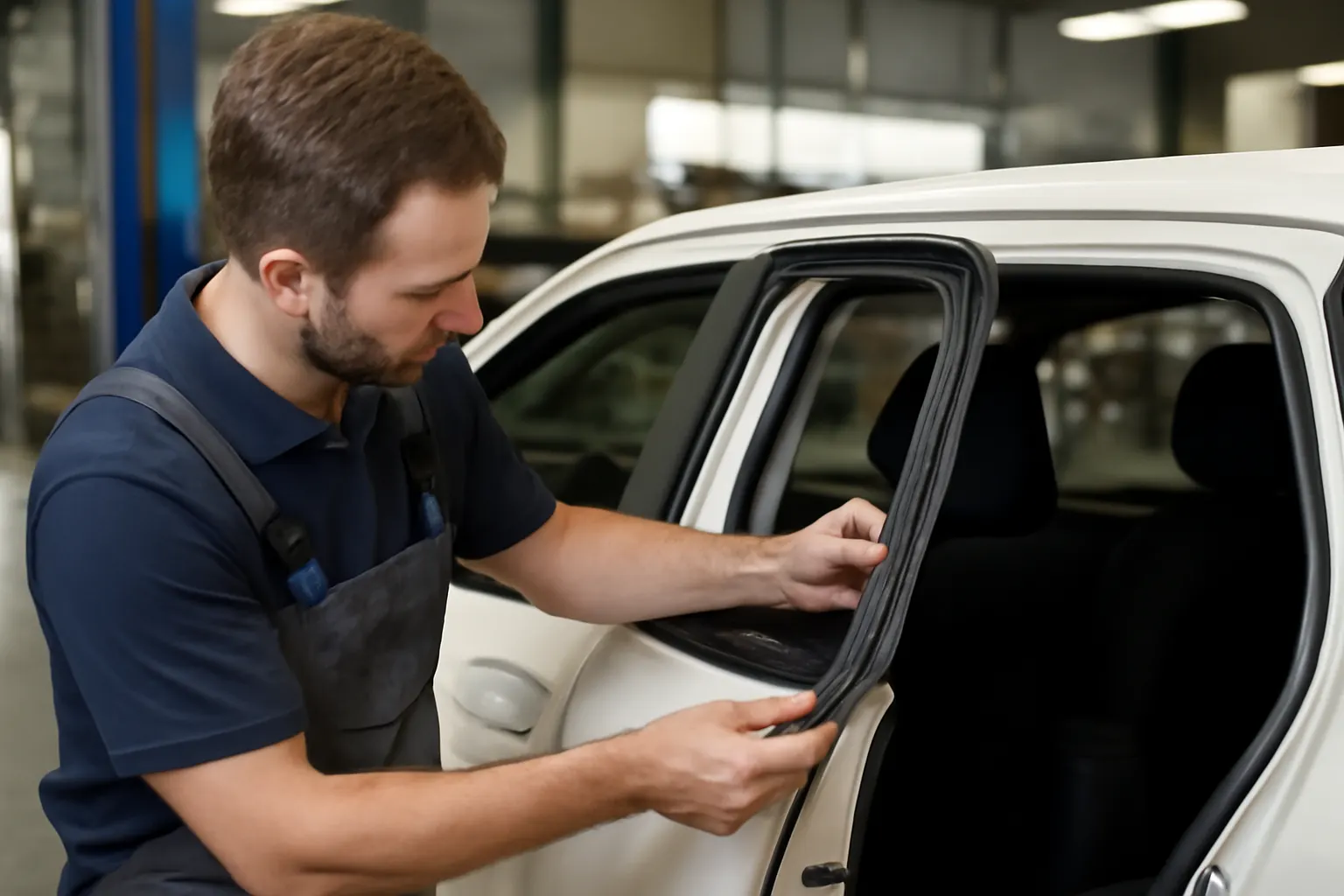
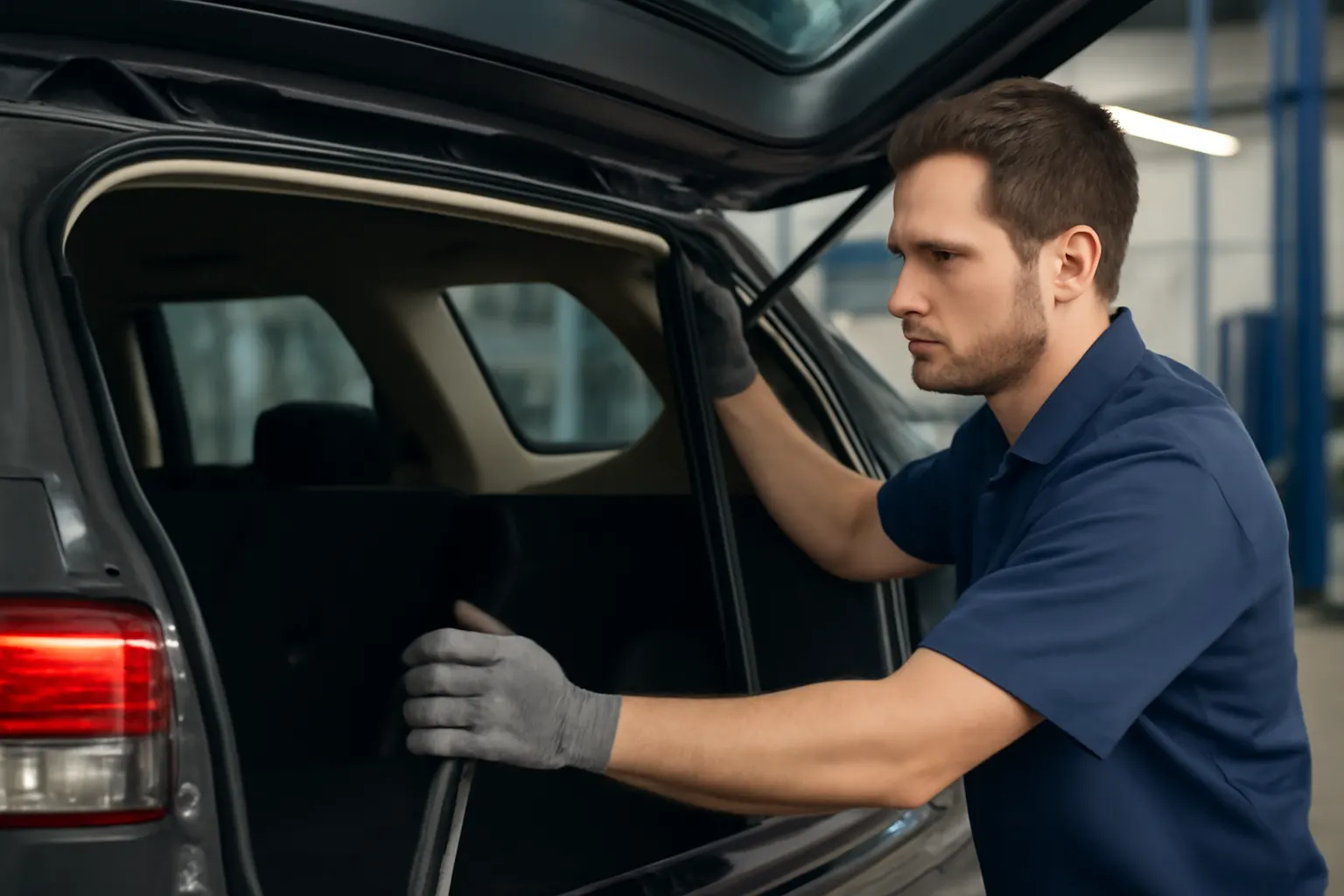
Replacing back door moulding is a straightforward but detail-oriented task. Here’s a step-by-step overview:
-
Remove the old moulding:
- Carefully pull away the existing moulding, starting at one end.
- Use a plastic trim tool to avoid scratching paint.
- Remove any residual adhesive or clips.
-
Clean the surface:
- Wipe the mounting area with isopropyl alcohol or a recommended cleaner.
- Ensure the surface is dry, free of old adhesive, dirt, and debris.
-
Test-fit the new moulding:
- Align the new moulding along the door or body flange.
- Check for correct length and orientation.
-
Install the new moulding:
- Press-fit or clip into place, starting from one end and working around.
- For adhesive-backed moulding, peel the adhesive liner as you go.
- Press firmly to ensure full contact.
-
Check the seal:
- Close the door and inspect for uniform compression.
- Test for leaks with a gentle water spray or by driving in the rain.
For a detailed, illustrated guide, refer to How to Replace Back Door Moulding for a Perfect Seal.
Maintenance Tips: Maximizing Moulding Lifespan
To get the most from your back door moulding, follow these maintenance best practices:
-
Regular cleaning:
- Wipe moulding with a mild soap solution and water to remove dirt and road salt.
- Avoid harsh chemicals that can degrade rubber.
-
Protect from UV and ozone:
- Apply a rubber protectant (silicone-based, non-petroleum) every few months to maintain flexibility.
-
Inspect seasonally:
- Check for signs of wear at the start and end of winter and summer, when temperature extremes accelerate degradation.
-
Address issues promptly:
- Replace or repair damaged sections as soon as they’re discovered to prevent larger problems.
-
Lubricate occasionally:
- Lightly lubricate with a silicone-based spray to prevent sticking and squeaks, especially in cold climates.
When to Replace: Recognizing the Signs
Even with proper care, all moulding will eventually need replacement. Common signs include:
- Persistent water leaks after cleaning and adjusting the seal.
- Noticeable wind noise or drafts.
- Moulding that is visibly cracked, split, or missing.
- Difficulty closing doors due to hardened or swollen moulding.
- Moldy or musty smells inside the vehicle.
If you’re uncertain, consult our guide on Top Signs Your Back Door Moulding Needs Replacement for a comprehensive symptom checklist.
Sourcing Quality Back Door Moulding: What to Look For
When buying replacement moulding, consider these factors:
-
Fitment:
- Ensure compatibility with your vehicle’s make, model, and year.
- Check whether the moulding is for the left, right, or both rear doors, or for a liftgate/hatch.
-
Material:
- Prefer EPDM or high-grade thermoplastic elastomers for longevity and performance.
-
Attachment method:
- OEM-style press-fit or clip-on moulding is easier to install and provides a more secure seal.
-
Certifications and standards:
- Look for products tested to meet or exceed SAE and NHTSA standards for automotive equipment [3].
-
Supplier reputation:
- Purchase from trusted automotive part suppliers or directly from the manufacturer.
AutoPartEx offers a curated selection of high-quality OEM and premium aftermarket back door moulding, with guaranteed vehicle fitment and expert support.
The Role of Back Door Moulding in Vehicle Safety
While often viewed as a comfort feature, back door moulding also contributes to vehicle safety:
-
Crash integrity:
- Proper seals help maintain the designed energy-absorbing structure of doors in side impacts.
-
Air quality:
- Sealing prevents exhaust fumes and airborne pollutants from entering the cabin, protecting occupants’ health.
-
Water management:
- Effective moulding channels water away from sensitive electrical systems and airbags.
NHTSA emphasizes that all vehicle equipment, including door seals, must be maintained in good condition to uphold safety standards [1].
The AutoPartEx Advantage: Expert Guidance and Quality Parts
At AutoPartEx, we recognize that every component—from the engine to the smallest seal—affects your vehicle’s longevity, safety, and comfort. Our commitment includes:
- Expert curation:
- All moulding products meet or exceed OEM specifications and industry standards.
- Technical resources:
- Access to detailed guides, fitment tools, and professional advice.
- Guaranteed fit:
- Every part is matched to your specific vehicle for hassle-free installation.
Explore our complete range of Moulding (Back Door): Precision Fit, Weather Protection, and OEM Quality to find the right solution for your vehicle.
Taking Action: Inspect, Maintain, and Replace as Needed
Don’t wait for leaks or noise to signal a problem. Make back door moulding inspection part of your regular vehicle maintenance routine:
- Inspect every 6 months or at the change of seasons.
- Clean and protect moulding to extend its lifespan.
- Replace at the first sign of failure to avoid costly interior or structural repairs.
If you’re unsure about the condition of your moulding, consult a professional or use our online resources for guidance.
Conclusion: Weatherproofing Starts with the Right Seal
Back door moulding is a small investment that pays major dividends in comfort, efficiency, and protection. By understanding its function, recognizing the signs of wear, and choosing quality replacements, you ensure your vehicle remains dry, quiet, and safe for years to come.
For further information or to find the right moulding for your vehicle, trust AutoPartEx for expert support and premium parts.