
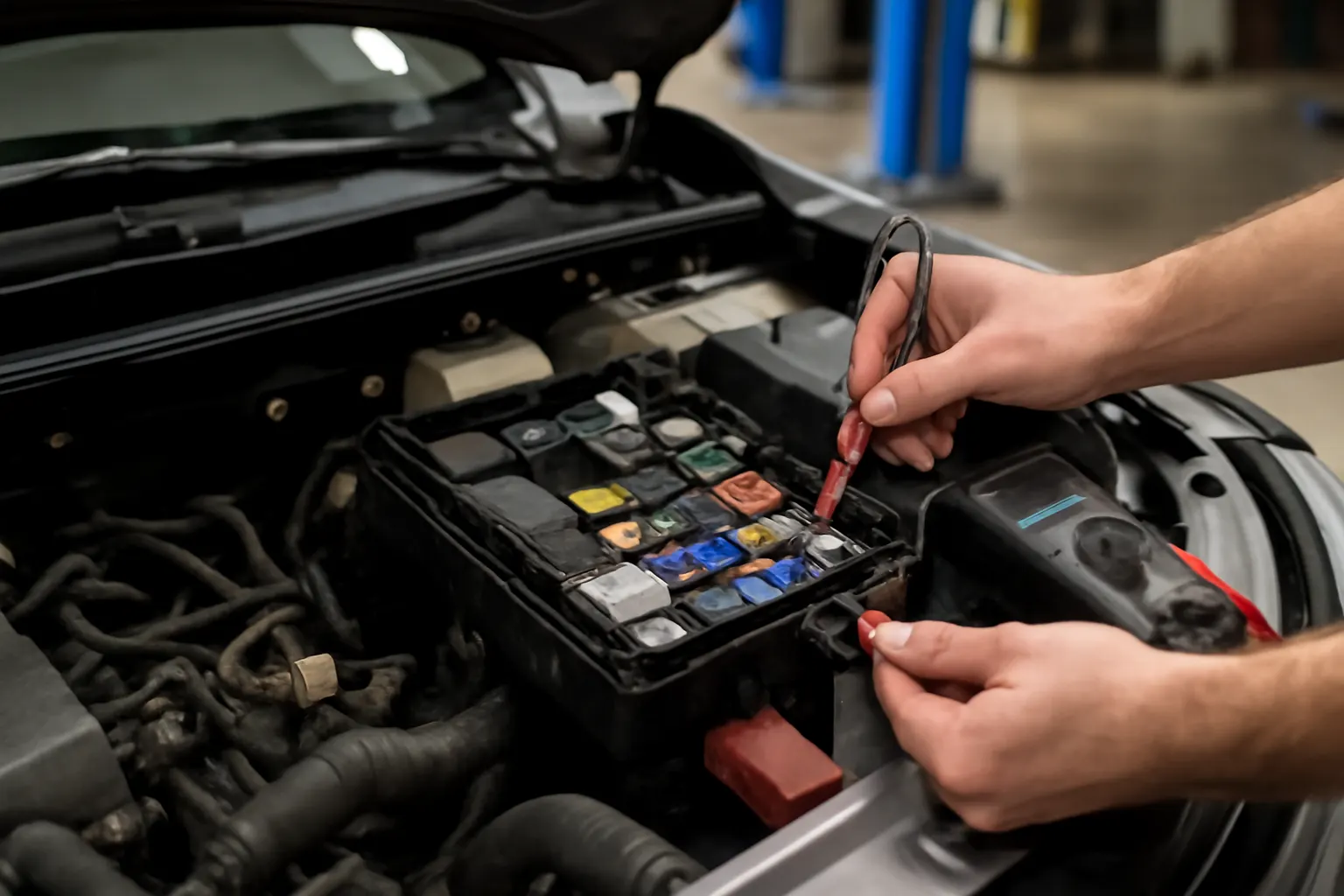
Toyota Electrical Recalls
Toyota vehicles are renowned for their reliability, but even the most trusted automakers occasionally face safety issues requiring recalls. Electrical recalls—especially those affecting the engine fuse box and related components—have become a critical area of concern for both Toyota owners and the automotive industry as a whole. In this comprehensive guide, we’ll break down what recent Toyota electrical recalls mean for your vehicle’s safety, how to diagnose and address potential risks, and the best steps for ensuring long-term reliability. For owners seeking technical guidance or genuine replacement parts, our Toyota Engine Fuse Box: Genuine Replacement & Technical Fitment Guide offers in-depth resources.
Immediate Answer: What Are Toyota Electrical Recalls and Why Do They Matter?
Electrical recalls are official manufacturer actions, often prompted by government safety investigations, that address defects in a vehicle’s electrical system that could lead to failure, fire, or loss of critical functions. For Toyota owners, these recalls frequently involve the engine fuse box, wiring harnesses, relays, and related components. The risks range from inconvenient electrical malfunctions to potentially hazardous engine stalls or fires.
If your Toyota is subject to an electrical recall, it means a known defect could compromise your vehicle’s safety or reliability. Immediate action—such as scheduling a recall repair at an authorized dealer—is essential to maintain the integrity of your vehicle and protect its occupants.
The Hidden Problem: Why Electrical Recalls Are on the Rise
While Toyota’s reputation for engineering excellence is well-earned, the complexity of modern electrical systems has increased the frequency and scope of recalls across the industry. The engine fuse box—acting as the central distribution hub for electrical power—has become a focal point for safety investigations. Failures here can cascade through the entire vehicle, affecting everything from ignition to advanced driver assistance systems.
Many owners are unaware their vehicle is affected until a failure occurs or a recall notice arrives. Worse, not all symptoms are obvious: intermittent electrical faults, warning lights, or occasional non-starts may hint at deeper issues lurking within the fuse box or wiring harness.
Expanding the Problem: How Do Electrical Defects Impact Toyota Vehicles?
Electrical defects in Toyota vehicles can manifest in several ways, often starting subtly before escalating into major safety concerns. Some of the most common impacts include:
- Engine Stalling or No-Start Conditions: A compromised fuse box or corroded electrical connector can prevent the engine from starting or cause it to stall unexpectedly, especially under load or in wet conditions.
- Loss of Critical Safety Systems: Modern Toyotas rely on the electrical system to power airbags, ABS, traction control, and other safety features. A single faulty relay or blown fuse can disable these systems without immediate driver awareness.
- Fire Risks: Short circuits or poorly insulated wiring in the engine bay can overheat, melt, and ignite nearby components, posing a serious fire hazard.
- Battery Drain and Parasitic Loads: Faulty electrical distribution can cause the battery to drain overnight, leading to repeated no-starts and potential alternator damage.
The challenge is that many of these symptoms overlap with routine wear-and-tear or minor faults, making it easy for owners and even technicians to overlook the root cause until it becomes critical.
The Technical Side: Anatomy of Toyota Engine Electrical Recalls
A typical Toyota electrical recall related to the engine fuse box involves several technical components and diagnostic steps:
- Identification of Affected Models: Recalls specify exact model years, trim levels, and sometimes even production batches. For example, a recall may affect 2018–2020 Camry and RAV4 models equipped with a particular fuse box variant.
- Nature of the Defect: Common issues include water intrusion into the fuse box, faulty solder joints, undersized wiring, or defective relays.
- Failure Mode: The recall documentation details how the defect manifests—such as loss of power, short circuits, or fire risk.
- Remedy: Toyota typically replaces the affected fuse box, upgrades wiring, or applies protective coatings to prevent recurrence.
Understanding these technical details is essential for owners and technicians alike, as it informs both diagnosis and repair strategies.
How to Check If Your Toyota Is Affected by an Electrical Recall
Proactive recall management is crucial for every Toyota owner. Here’s how to determine if your vehicle is subject to an electrical recall:
Step-by-Step Recall Check:
- Locate Your VIN: The 17-digit Vehicle Identification Number (VIN) can be found on your dashboard (visible through the windshield), driver-side door jamb, or registration documents.
- Visit the NHTSA Recall Lookup: Enter your VIN at the NHTSA Recalls Portal. This database provides the most current recall information for your specific vehicle.
- Check Toyota’s Official Site: Toyota also maintains a recall lookup tool on its website, cross-referenced with your VIN.
- Contact Your Dealer: For confirmation or questions, call your local Toyota dealer with your VIN handy. Dealers have real-time access to recall status and can schedule repairs.
Pro Tip: Always check for recalls when buying a used Toyota or after moving to a new address, as recall notifications may not reach you otherwise.
Common Toyota Engine Electrical Recall Scenarios
Over the past decade, several major Toyota electrical recalls have impacted popular models. Below are some representative scenarios and their implications:
1. Water Intrusion into the Engine Fuse Box
- Affected Models: Various Camry, Corolla, and RAV4 models.
- Symptoms: Intermittent electrical faults, engine stalling, warning lights.
- Root Cause: Poor sealing or defective gaskets allowed water to enter the fuse box, corroding terminals and causing short circuits.
- Remedy: Replacement of the fuse box with an improved, water-resistant design.
2. Faulty Main Relay or Solder Joints
- Affected Models: Select Prius and Highlander models.
- Symptoms: Engine fails to start, random shutdowns, loss of hybrid system functionality.
- Root Cause: Manufacturing defects in relay soldering, leading to intermittent open circuits under vibration or heat.
- Remedy: Replacement of the main relay or entire fuse box assembly.
3. Undersized or Overloaded Wiring
- Affected Models: Some Tacoma and Sienna variants.
- Symptoms: Overheating wires, melted insulation, electrical burning smell.
- Root Cause: Wiring not meeting current requirements for upgraded electrical loads (e.g., additional accessories or new safety systems).
- Remedy: Installation of upgraded wiring harnesses and, in some cases, fuse box reconfiguration.
Diagnosing Electrical Recall Symptoms in Your Toyota
Many electrical recall issues remain hidden until a critical failure. Early diagnosis can prevent breakdowns or safety incidents. Here’s what to look for:
Electrical Recall Symptom Checklist
- Engine cranks but does not start
- Intermittent stalling or hesitation
- Multiple warning lights illuminated simultaneously
- Electrical accessories (wipers, lights, infotainment) malfunctioning
- Burning or melting smell from engine bay
- Battery drains overnight without explanation
- Fuse box cover appears warped, cracked, or has visible water intrusion
- Unexplained loss of power to safety systems (ABS, airbags)
If you check any of these boxes, especially after receiving a recall notice, schedule an inspection with a qualified Toyota technician immediately.
Understanding the Recall Repair Process
Once you’ve confirmed your Toyota is subject to an electrical recall, the repair process typically follows these steps:
- Recall Verification: The dealer confirms your vehicle’s eligibility and orders necessary parts.
- Diagnostic Inspection: Technicians inspect the engine fuse box, wiring harness, and related components for visible defects or corrosion.
- Component Replacement: Faulty or recalled parts—usually the fuse box, relays, or wiring—are replaced with upgraded versions.
- System Testing: The electrical system is tested for proper function, including starting, charging, and safety features.
- Documentation: The repair is logged in Toyota’s and NHTSA’s databases to close the recall for your VIN.
Repairs for safety recalls are performed at no cost to the owner. It’s critical not to delay, as unaddressed electrical recalls can lead to further damage or voided insurance claims in the event of a fire or accident.
Preventative Maintenance: Avoiding Future Electrical Issues
While recalls address known defects, proactive maintenance can help prevent new electrical problems:
- Keep the Engine Bay Clean and Dry: Regularly inspect the fuse box area for debris, water intrusion, or corrosion. Clean with compressed air and ensure the cover is sealed.
- Inspect Wiring Harnesses: Look for signs of wear, chafing, or rodent damage. Damaged wires should be professionally repaired.
- Monitor Battery Health: Weak batteries can stress the electrical system, increasing the risk of relay and fuse failures.
- Use Genuine Toyota Parts: When replacing the fuse box or electrical components, insist on OEM parts to ensure correct fitment and safety standards. See our Identify Genuine Toyota Fuse Box guide for more details.
Routine inspections during oil changes or scheduled service visits can catch emerging issues before they become recall-worthy defects.
Sourcing and Installing a Replacement Toyota Engine Fuse Box
If your recall repair involves fuse box replacement, understanding sourcing and installation best practices is key:
- Source Only Genuine or OEM-Equivalent Parts: Aftermarket fuse boxes may not meet Toyota’s rigorous safety and fitment standards. Reference our Toyota Fuse Box Guide for sourcing tips.
- Check Fitment by VIN: Ensure the replacement part matches your vehicle’s production date, engine type, and trim level.
- Professional Installation Recommended: Modern fuse boxes integrate with multiple vehicle systems. Incorrect installation can cause new faults or void warranty coverage.
- Test All Systems Post-Install: After replacement, verify operation of all electrical systems, including engine start, lighting, and safety features.
If you’re a DIY enthusiast, always disconnect the battery before working on the fuse box, and consult Toyota’s service manual for your model.
The Broader Impact: Electrical Recalls and Long-Term Reliability
Electrical recalls do more than address immediate safety concerns—they also influence the long-term reliability and resale value of your Toyota. Unresolved recalls can:
- Reduce Vehicle Value: Many buyers and dealers check recall status before purchase. Open recalls can decrease trade-in offers or delay sales.
- Affect Insurance Claims: Some insurers may deny claims for fire or electrical damage if a recall repair was ignored.
- Increase Ownership Costs: Electrical failures can trigger secondary damage to sensitive modules, sensors, or the battery/alternator, resulting in costly repairs.
Staying current on recalls and using high-quality replacement parts helps preserve your investment and ensures continued confidence in your Toyota.
Toyota Electrical Recalls and Fuel Efficiency
While electrical recalls are primarily about safety, they can also impact your Toyota’s fuel efficiency. Malfunctioning electrical systems can cause:
- Increased Parasitic Loads: Faulty relays or wiring may draw extra current, forcing the alternator to work harder and reducing fuel economy.
- Engine Management Issues: Electrical faults can disrupt sensors that optimize fuel injection and ignition timing, leading to suboptimal performance.
- Hybrid System Failures: For hybrid Toyotas, electrical recalls affecting the inverter or battery management systems can dramatically decrease efficiency or disable hybrid operation altogether.
Maintaining a healthy electrical system is therefore essential not only for safety but also for maximizing your Toyota’s fuel efficiency, as detailed by the U.S. Department of Energy.
How AutoPartEx Supports Toyota Owners Facing Electrical Recalls
At AutoPartEx, we understand that electrical recalls can be stressful and confusing for Toyota owners. Our mission is to provide:
- Verified Technical Guidance: Our editorial team tracks the latest recall bulletins, technical service advisories, and fitment updates to keep you informed.
- Genuine Replacement Parts: Through our supplier network, we help you source only genuine Toyota engine fuse boxes and related electrical components.
- Expert Installation Resources: Our step-by-step guides and technician-vetted checklists ensure repairs are completed to the highest safety standards.
- Model-Specific Support: Whether you drive a Camry, Corolla, RAV4, Tacoma, or Prius, our resources are tailored to your exact vehicle.
For more technical details, see our Toyota Engine Fuse Box: Genuine Replacement & Technical Fitment Guide and related resources such as Toyota Fuse Box Materials.
Expert Action: What Should You Do Next?
Electrical recalls are not just paperwork—they are urgent safety actions that protect you, your passengers, and your investment. Here’s your action plan:
- Check Your VIN for Recalls: Use the NHTSA and Toyota recall lookup tools today.
- Schedule Repairs Promptly: Contact your local Toyota dealer if your vehicle is affected.
- Monitor for Symptoms: Use our checklist to catch potential issues early.
- Insist on Genuine Parts: Whether for recall repairs or proactive maintenance, use only OEM or Toyota-approved components.
- Stay Informed: Bookmark AutoPartEx for the latest technical bulletins, fitment guides, and recall updates.
By taking these steps, you ensure your Toyota remains safe, reliable, and ready for the road ahead.