Spotting Counterfeit Acura Parts: A Practical Checklist
Counterfeit Acura parts are a growing threat to your vehicle’s safety, longevity, and performance. Whether you’re searching for brake components, electrical systems, or engine sensors, knowing how to spot a fake part is essential to protect your investment and ensure your Acura continues to deliver the precision engineering you expect. This practical checklist arms you with the knowledge to quickly identify common counterfeit Acura parts—and shows you how to safeguard your vehicle every step of the way.
For a comprehensive selection of authentic Acura components designed for precise fitment and optimal performance, visit our Acura Genuine Parts: Precision Engineering & Authentic Performance | AutoPartEx page.
Why Counterfeit Acura Parts Are a Hidden Threat
At first glance, a counterfeit part may look nearly identical to an Acura Genuine Part. But beneath the surface, these imitations often use inferior materials, lack proper engineering tolerances, and skip essential safety and quality testing. The result? Increased risk of premature failure, compromised safety systems, and a negative impact on your vehicle’s performance and fuel efficiency.
The National Highway Traffic Safety Administration (NHTSA) warns that counterfeit parts can undermine critical vehicle systems, from brakes to airbags, putting you and your passengers at risk (NHTSA Equipment). With modern Acura vehicles relying on integrated electronics and advanced materials, even a seemingly minor component can have system-wide consequences if it’s a fake.
The Real-World Impact: Safety, Efficiency, and Value
Counterfeit Acura parts aren’t just a financial risk—they can directly affect your vehicle’s safety and efficiency. For example, a counterfeit brake pad may not meet the friction or thermal standards required for safe stopping distances, while a fake oxygen sensor could send incorrect signals to your engine management system, reducing fuel economy and increasing emissions (DOE Fuel Efficiency).
Inferior materials in counterfeit parts can also lead to unexpected failures. The Department of Energy highlights how engineering-grade materials are critical for vehicle performance and structural integrity (DOE Materials Technologies). Counterfeiters often cut corners using substandard metals, plastics, or electronics, which can’t deliver the durability or reliability Acura engineers into every genuine part.
Counterfeit Acura Parts: Where the Problem Hides
Counterfeiters target high-demand replacement parts, especially those with frequent wear or high value. The most commonly counterfeited Acura components include:
- Brake pads, rotors, and calipers
- Air and oil filters
- Spark plugs and ignition coils
- Oxygen sensors and other emissions components
- Lighting assemblies
- Body trim and badging
- Electronic control modules and sensors
These parts are often sold through unauthorized online marketplaces, third-party sellers, or disreputable brick-and-mortar shops. If a deal seems too good to be true, or the source is unclear, the risk of receiving a counterfeit part rises dramatically.
The Practical Checklist: How to Spot Counterfeit Acura Parts
Use this step-by-step checklist every time you source replacement parts for your Acura. A careful inspection can save you from costly mistakes and potential hazards.
Acura Counterfeit Parts Detection Checklist
-
Check the Packaging
- Genuine: Acura Genuine Parts come in high-quality packaging with crisp logos, consistent fonts, and clear labeling, including part numbers and barcodes.
- Counterfeit: Packaging may be flimsy, have blurry printing, misspellings, or missing manufacturer information.
-
Inspect the Part Number and Markings
- Genuine: Every Acura part features a precise part number, often laser-etched or stamped, and the official Acura “A” logo.
- Counterfeit: Missing, incorrect, or poorly printed numbers; the logo may be off-center, faded, or incorrect in design.
-
Evaluate Material Quality
- Genuine: Use of high-grade metals, plastics, or composites. Uniform finish, no sharp edges or casting flaws.
- Counterfeit: Cheap materials, inconsistent finish, visible seams, or excessive flashing.
-
Assess Weight and Dimensions
- Genuine: Consistent weight and exact fitment, matching OEM specifications.
- Counterfeit: Lighter or heavier than expected; may not fit properly or require force to install.
-
Verify Seller Credentials
- Genuine: Sold by authorized Acura dealers or reputable retailers with a clear return policy and warranty.
- Counterfeit: No clear provenance; seller avoids questions about sourcing.
-
Confirm Documentation
- Genuine: Includes instruction sheets, warranty cards, and often a certificate of authenticity.
- Counterfeit: Missing paperwork or generic documentation.
-
Cross-Check Price
- Genuine: Consistent with official Acura pricing or reputable aftermarket alternatives.
- Counterfeit: Deep discounts or prices far below market value.
-
Research the Source
- Genuine: Listed on Acura’s official website or trusted parts platforms.
- Counterfeit: Found on auction sites, social media, or unknown online stores.
Visual Inspection: Telltale Signs of a Fake
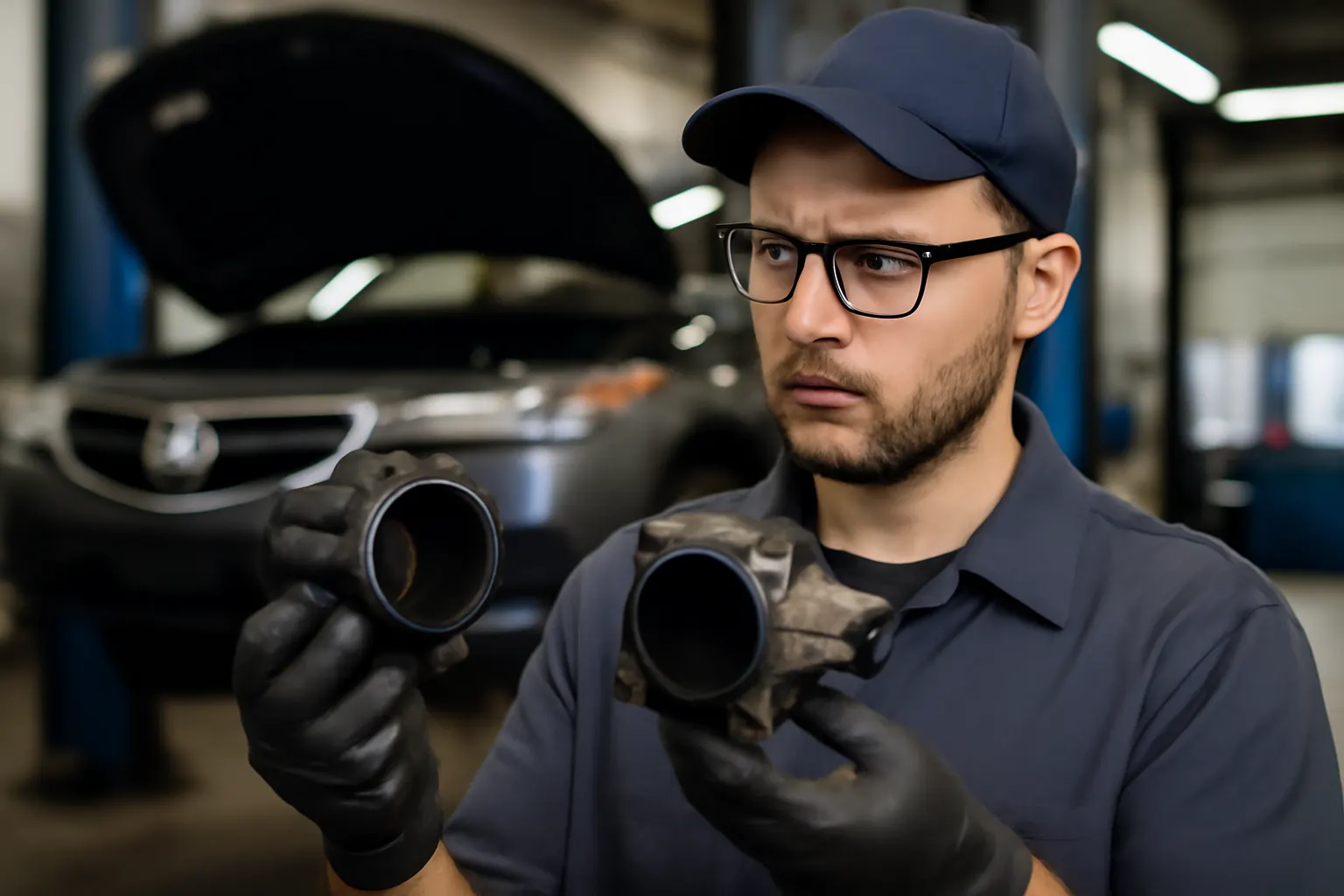
A close visual inspection can reveal subtle but critical differences between genuine and counterfeit Acura parts. Here’s what to look for:
- Surface Finish: Genuine parts have a smooth, uniform surface. Counterfeits often show rough casting, inconsistent paint, or unusual color shades.
- Welds and Fasteners: Acura engineers use precise welding and fastener techniques. If welds are sloppy or fasteners look mismatched, it’s a red flag.
- Labels and Stickers: Genuine labels are securely affixed and resist peeling. Counterfeit labels may bubble, peel, or leave residue.
- Connector Quality: Electrical connectors on genuine parts fit snugly and use high-quality plastics. Counterfeit connectors may feel loose or brittle.
Functional Testing: When Appearance Isn’t Enough
Sometimes, a counterfeit part can pass a visual inspection but fail in use. When possible, perform basic functional tests:
- Fitment Test: Genuine parts should install with minimal effort and without modification. Counterfeits may require force, don’t align properly, or interfere with adjacent components.
- Diagnostic Scan: For electronic or sensor parts, use an OBD-II scanner to check for error codes or abnormal readings after installation. Genuine parts should not trigger warning lights or fault codes.
- Performance Observations: Monitor braking performance, engine smoothness, or electrical system behavior after installation. Any new noises, vibrations, or warnings may indicate a counterfeit or defective part.
For more on Acura’s electrical and diagnostic systems, see our Acura electrical and diagnostic parts page.
The Hidden Dangers: Safety and System Integration
Modern Acura vehicles use sophisticated safety and integration systems. A single counterfeit part can disrupt entire subsystems:
- Brake System Risks: Counterfeit brake pads may not meet friction standards, leading to longer stopping distances and increased wear on rotors or calipers (NHTSA Equipment). ABS and stability control systems rely on precise sensor feedback—counterfeit sensors may send incorrect signals, compromising emergency maneuvers.
- Electrical Hazards: Inferior wiring or connectors can cause shorts, trigger warning lights, or even start electrical fires.
- Engine and Emissions: Fake oxygen sensors and ignition components can degrade fuel efficiency, increase emissions, and cause check engine lights (DOE Fuel Efficiency).
Material Matters: Why Genuine Parts Outperform Counterfeits
The Department of Energy emphasizes that advanced materials are crucial for modern vehicle performance, durability, and efficiency (DOE Materials Technologies). Acura Genuine Parts are engineered with these materials—whether it’s high-carbon steel for brake rotors, heat-resistant ceramics for sensors, or reinforced polymers for electrical connectors.
Counterfeiters typically use lower-grade materials to cut costs. This can result in:
- Premature wear or failure
- Cracking under stress or heat
- Corrosion and rusting
- Inaccurate sensor readings
- Compromised crashworthiness
Always compare the material quality and weight of a suspected part with a known genuine component whenever possible.
Sourcing Acura Parts: How to Buy with Confidence
The best way to avoid counterfeit parts is to source your Acura components from trusted suppliers:
- Buy from Authorized Acura Dealers: They provide guaranteed genuine parts, manufacturer-backed warranties, and expert support.
- Use Reputable Online Retailers: Look for clear business credentials, positive reviews, and transparent return policies.
- Avoid Unknown Marketplaces: Be wary of auction sites, classified ads, or third-party sellers without verifiable reputations.
- Check Vendor Listings: Confirm your seller is listed as an authorized Acura parts distributor.
For rare or discontinued parts, such as those for legacy models, see our guide on Restoring the Acura Legend: Sourcing Discontinued Parts.
What to Do If You Suspect a Counterfeit Acura Part
If you suspect you’ve received a counterfeit part:
- Do Not Install: Installing a counterfeit part can jeopardize your vehicle’s safety and may void manufacturer support.
- Contact the Seller: Request proof of authenticity and a return/refund.
- Report the Incident: Notify Acura, the marketplace, and regulatory authorities such as the NHTSA (NHTSA Recalls).
- Have Your Vehicle Inspected: If a counterfeit part was installed, have a certified Acura technician inspect the affected systems for damage or safety issues.
Maintenance and Replacement: Keeping Your Acura Genuine
Routine maintenance is the best opportunity to ensure all replacement parts are genuine. Follow these best practices:
- Schedule Regular Inspections: Have a trusted technician check for part authenticity during scheduled maintenance.
- Keep Records: Maintain detailed records of all parts purchased and installed, including receipts and part numbers.
- Use Vehicle-Specific Guides: Reference the Acura Model-Specific Maintenance Guide to match correct part numbers and intervals.
Comparing OEM, Aftermarket, and Counterfeit: Know the Difference
Not all non-genuine parts are counterfeit. Understanding the distinction between OEM (Original Equipment Manufacturer), quality aftermarket, and counterfeit is crucial:
- OEM Acura Parts: Manufactured to Acura’s exact specifications, guaranteed fit and performance.
- Aftermarket Parts: Produced by third-party companies, can range from high-quality alternatives to budget options.
- Counterfeit Parts: Intentionally misrepresented as genuine or OEM, often using copied logos and packaging but with inferior materials and quality.
For a deeper dive into the pros and cons of OEM versus aftermarket, see our editorial Acura OEM vs. Aftermarket: Fitment, Quality, and Value.
Fitment and Compatibility: Avoiding Costly Mistakes
Counterfeit parts often fail to match the precise dimensions and specifications required for your Acura. Incorrect fitment can cause:
- Installation difficulties
- Interference with adjacent components
- Fault codes or warning lights
- Premature wear or failure
Always cross-reference the Acura part number and confirm compatibility with your specific model and year before purchasing or installing any part. When in doubt, consult your owner’s manual or an authorized Acura technician.
Diagnostic Tools: Leveraging Technology to Detect Fakes
Modern diagnostic tools can help you verify the authenticity and performance of critical Acura components:
- OBD-II Scanners: Use to check for persistent error codes after part installation.
- Digital Calipers: Measure dimensions and compare to OEM specifications.
- Material Analyzers: Some shops use handheld analyzers to verify metal or plastic composition.
If you’re not equipped for these tests, reputable shops and dealerships have the tools and expertise to help.
AutoPartEx: Your Trusted Source for Genuine Acura Parts
At AutoPartEx, we are dedicated to helping Acura owners maintain the integrity, safety, and performance of their vehicles. Our curated inventory includes only genuine Acura and rigorously vetted aftermarket parts, ensuring every component meets or exceeds OEM standards. Our technical team reviews every product for fitment accuracy and material quality, so you can shop with confidence.
Explore our complete range of Acura Genuine Parts: Precision Engineering & Authentic Performance | AutoPartEx and keep your vehicle running safely and efficiently for years to come.
Expert Action: Take Control of Your Acura’s Future
The growing sophistication of counterfeiters means every Acura owner must stay vigilant. By following this practical checklist, sourcing parts from trusted suppliers, and leveraging expert guidance, you can safeguard your vehicle’s safety, performance, and value.
If you’re ever unsure about a part’s authenticity, consult with an Acura-certified technician or reach out to the AutoPartEx technical team. Your Acura deserves nothing less than genuine quality—don’t let counterfeit parts put your investment or safety at risk.