
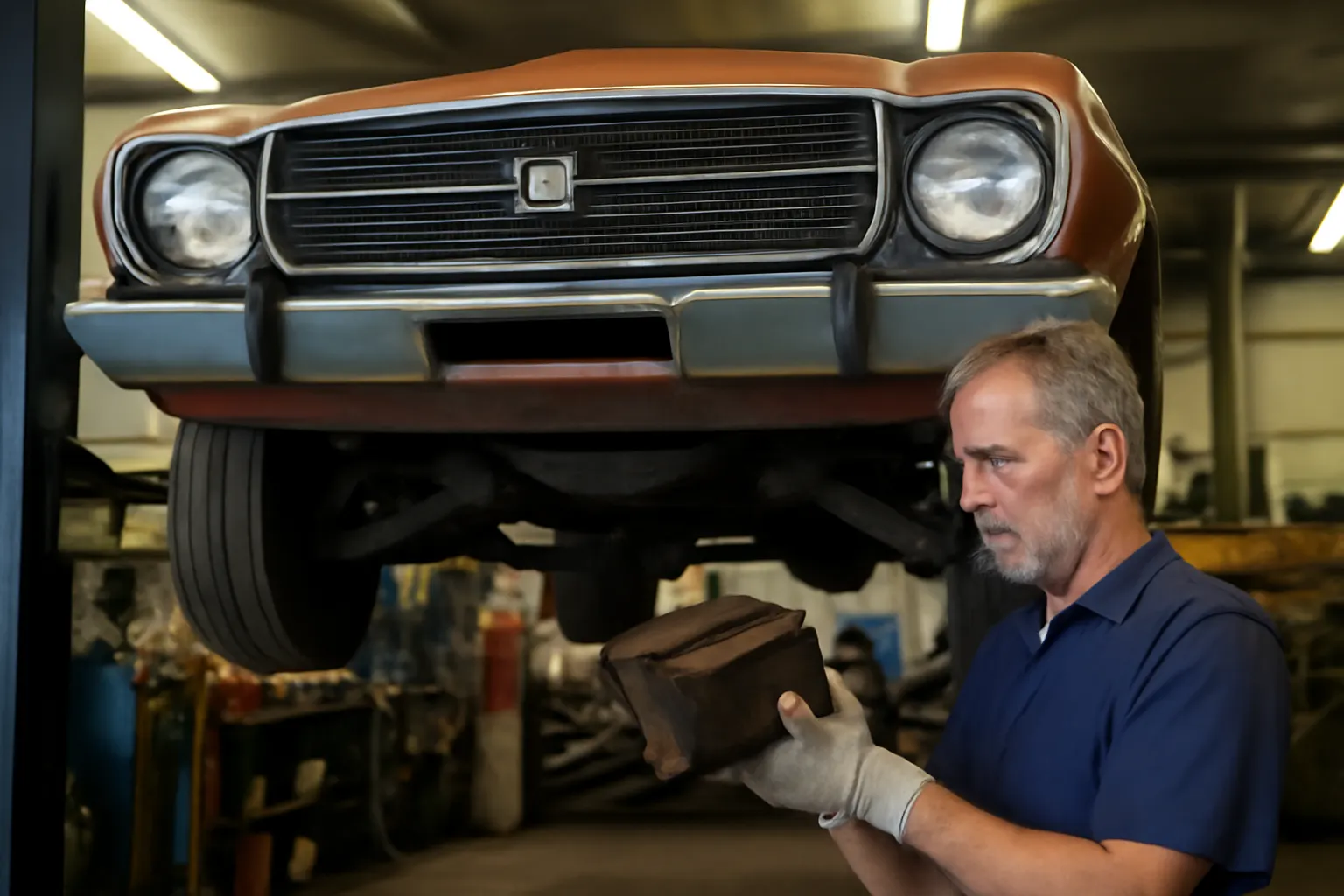
Sourcing Obsolete Amc Parts
When it comes to keeping classic American Motors Corporation vehicles like the AMC Matador on the road, finding the right parts is both an art and a science. With AMC having ceased operations decades ago, sourcing obsolete AMC parts—whether New Old Stock (NOS), reproduction, or salvage—requires a specialized approach. This guide delivers actionable strategies for locating, verifying, and installing hard-to-find AMC components to ensure safety, originality, and lasting performance.
For a broader look at AMC Matador model fitment, service, and maintenance compatibility, visit our AMC Matador Parts & Maintenance Resource – Model Compatibility, Service, and OEM Fitment.
The Immediate Answer: Where and How to Source Obsolete AMC Parts
The fastest route to sourcing obsolete AMC parts—especially for models like the Matador—involves a multi-pronged approach:
- NOS (New Old Stock): Seek out specialty vendors, online marketplaces, and AMC enthusiast forums for unused original parts.
- Reproduction Parts: Identify reputable manufacturers producing licensed or high-quality reproduction components.
- Salvage and Used: Tap into salvage yards, online classified ads, and dedicated AMC dismantlers for used or restorable parts.
- Cross-Compatibility: Research interchangeability with other AMC models or even other makes from the era.
Each strategy comes with its own considerations for authenticity, fitment, and long-term reliability.
The Hidden Problem: Risks of Obsolete Part Sourcing
While finding a rare AMC Matador grille or a correct-era starter motor can be exhilarating, the process is riddled with hidden risks:
- Counterfeit or Incorrect Parts: The lack of OEM oversight means a higher risk of incorrectly labeled or counterfeit parts.
- Safety and Regulatory Issues: Outdated components may not meet current safety standards, or could be subject to recalls (NHTSA Equipment).
- Fitment Surprises: Even NOS or reproduction parts may not fit perfectly due to production variances or undocumented running changes.
- Material Degradation: NOS parts, despite being unused, can suffer from age-related deterioration—especially rubber, plastic, and electrical components.
Failing to account for these risks can lead to wasted time, money, or even safety hazards.
Why Sourcing AMC Parts Is More Complex Than It Seems
The AMC Matador and its siblings were produced during an era of rapid change in automotive engineering and regulation. AMC, like other manufacturers, frequently implemented mid-year running changes, utilized multiple suppliers, and sometimes shared parts across models or even with competitors. This legacy creates several sourcing challenges:
- Obsolete Part Numbers: Many AMC part numbers are no longer recognized by modern databases, requiring manual cross-referencing.
- Discontinued Suppliers: Original suppliers may no longer exist, and tooling for certain parts was often destroyed or lost after AMC’s closure.
- Documentation Gaps: Factory service manuals and parts catalogs, while invaluable, may be incomplete or contain errors.
- Aftermarket Fitment: Reproduction or universal-fit parts may require modification, affecting originality or function.
Understanding these challenges is key to successful sourcing and installation.
Step 1: Decoding AMC Part Numbers and Fitment
Before searching for a part, you must accurately identify it. AMC part numbers follow a specific format, and understanding this is crucial for avoiding costly mistakes.
AMC Part Number Structure
- Prefix: Indicates the model year or engineering group.
- Core Number: The actual part identifier.
- Suffix: Denotes revisions or specific fitments.
For example, a Matador brake master cylinder might have a part number like 812 1234, where “812” refers to the engineering group and “1234” is the unique identifier.
Resources for Part Number Identification
- Factory Parts Catalogs: Essential for cross-referencing part numbers and identifying supersessions.
- Online VIN Decoders: Use our Amc Vin Decoding guide for model and trim specifics.
- Community Databases: AMC forums and clubs often maintain updated part number lists and interchange guides.
Accurate part identification is the foundation of any successful sourcing effort.
Step 2: Locating New Old Stock (NOS) AMC Parts
NOS parts are unused items manufactured during the original production run or shortly thereafter. They offer the best chance for OEM fit, finish, and function.
Where to Find NOS AMC Parts
- Specialty AMC Vendors: Several long-established vendors specialize in AMC NOS inventory.
- Online Marketplaces: eBay, Craigslist, and niche platforms often list NOS parts, but vet sellers carefully.
- AMC Club Swap Meets: National and regional AMC gatherings are prime sources for rare NOS items.
- Old Dealerships: Some defunct AMC dealerships still have inventory—search local business records or reach out to automotive historians.
NOS Parts Checklist
| Step | Action |
|---|---|
| Verify part number | Cross-check with original AMC catalogs and forums |
| Inspect packaging | Look for factory labels, part numbers, and period-correct packaging |
| Assess condition | Check for age-related damage (rust, dry rot, corrosion) |
| Confirm authenticity | Request provenance or seller history |
| Understand return policy | Especially for high-value or rare items |
NOS parts are prized, but always inspect for shelf wear and ensure authenticity before purchasing.
Step 3: Evaluating Reproduction AMC Parts
When NOS parts are unavailable, reproduction components fill the gap. Quality varies widely, so due diligence is critical.
Identifying Quality Reproduction Parts
- Licensed vs. Unlicensed: Licensed reproductions are more likely to meet original specifications.
- Material Quality: Compare materials and construction to factory originals. Consult SAE Standards for guidance on acceptable material and engineering practices.
- Community Reviews: Leverage AMC forums for real-world feedback on fit, durability, and finish.
- Return and Warranty Policies: Prefer suppliers with clear support in case of defects or misfit.
Commonly Reproduced AMC Matador Parts
- Weatherstripping and seals
- Emblems and trim
- Interior upholstery
- Suspension bushings
- Brake hardware
If opting for reproduction, verify compatibility with your specific Matador year and trim to avoid installation headaches.
Step 4: Salvage and Used Parts Sourcing
Salvage yards remain a critical source for many AMC components, especially for body panels, glass, and major mechanical assemblies.
Strategies for Salvage Sourcing
- National Salvage Networks: Use online aggregator sites to search inventories nationwide.
- Dedicated AMC Dismantlers: Some yards specialize in AMC vehicles—these are invaluable for rare models.
- Local Yards and Pick-Your-Part: Be prepared to remove parts yourself; bring tools and reference photos.
- Condition Assessment: Always inspect for rust, cracks, and previous repairs.
Salvage Sourcing Checklist
| Step | Action |
|---|---|
| Research yard inventory | Call ahead or check online listings |
| Bring documentation | Parts diagrams, numbers, and reference photos |
| Inspect thoroughly | Look for hidden damage, corrosion, or previous repairs |
| Negotiate price | Salvage prices are often flexible, especially for slow-moving inventory |
| Transport safely | Use appropriate containers and padding for fragile or heavy items |
Salvage parts may require cleaning, refurbishment, or reconditioning before installation.
Step 5: Cross-Compatibility and AMC Parts Interchange
AMC’s use of shared components across models and even with other automakers can be a major advantage when sourcing obsolete parts.
Examples of AMC Parts Interchange
- Suspension and Brakes: Many Matador suspension parts interchange with Ambassador or Rebel models.
- Electrical Components: Switchgear and relays may be shared with Jeep (AMC-owned) or other period vehicles.
- Drivetrain: Certain transmissions and axles were sourced from major suppliers like Borg-Warner.
How to Research Interchangeability
- Factory Interchange Guides: Period AMC documents sometimes list compatible parts across models.
- Online Forums and Clubs: Community knowledge is invaluable for obscure interchange details.
- Aftermarket Catalogs: Some suppliers list cross-references for common service items.
Always confirm fitment before purchase, as minor differences can exist even within the same model year.
Step 6: Verifying Safety and Regulatory Compliance
Parts for classic vehicles must still meet basic safety and performance standards, especially for critical systems like brakes, steering, and lighting.
Safety Verification Steps
- Consult NHTSA Equipment: Check for recalls and safety advisories relevant to your part or system.
- Inspect Used Components: Avoid reusing safety-critical items like seat belts, brake hoses, or airbags unless provenance and condition are certain.
- Test Fit and Function: Bench-test electrical and mechanical parts before full installation.
- Document Everything: Keep records of part sources, numbers, and installation dates for future reference.
Failure to verify safety can result in hazardous situations or compliance issues.
Step 7: Installation Tips for Obsolete and Reproduction AMC Parts
Proper installation is essential for fit, function, and longevity—especially with older or non-original components.
Installation Best Practices
- Test-Fit First: Before final assembly, dry-fit parts to check for alignment and clearance.
- Compare to Original: Whenever possible, compare new parts to removed originals for dimensional and material differences.
- Use Correct Fasteners: AMC often used unique fasteners—reusing originals or sourcing correct replacements is recommended.
- Follow Torque Specs: Reference factory service manuals for torque values and assembly sequences.
- Document Modifications: If you need to modify a part for fit, note the changes for future reference or resale.
Patience and attention to detail during installation can prevent costly rework or damage.
Step 8: Refurbishing Salvaged AMC Components
When NOS or reproduction parts are unavailable, refurbishing original components is often necessary.
Refurbishment Process
- Disassembly and Cleaning: Carefully disassemble and degrease components.
- Inspection: Check for cracks, wear, or corrosion that could affect safety or function.
- Replacement of Wear Items: Replace bushings, seals, and bearings with new equivalents where possible.
- Surface Restoration: Sandblast, paint, or plate surfaces as appropriate to restore appearance and prevent further corrosion.
- Reassembly: Use new hardware and lubricants to ensure smooth operation.
Some complex components—like carburetors or steering boxes—may require professional rebuilding services.
Step 9: Documentation and Record Keeping
Maintaining detailed records of your parts sourcing and installation process is invaluable for future repairs, resale, or concours restoration.
What to Document
- Part numbers and sources
- Installation dates and mileage
- Photographs of original and replacement parts
- Notes on modifications or fitment challenges
- Receipts and warranty information
These records also help future owners or mechanics understand the vehicle’s history and maintenance.
Step 10: Leveraging the AMC Community and Clubs
The AMC enthusiast community is a powerful resource for sourcing, troubleshooting, and verifying parts.
Community Resources
- Online Forums: Dedicated AMC and Matador forums offer advice, classifieds, and technical support.
- National and Regional Clubs: Membership often includes access to private swap meets and technical libraries.
- Social Media Groups: Real-time support and sourcing leads can be found on Facebook, Reddit, and similar platforms.
Engaging with the community increases your chances of finding rare parts and avoiding common pitfalls.
Step 11: Avoiding Common Pitfalls in Obsolete Parts Sourcing
Many AMC restorers encounter similar challenges—learn from their experiences to save time and money.
Common Pitfalls and Solutions
- Impulse Purchases: Always verify fitment and authenticity before buying, even if a part seems rare.
- Overlooking Hidden Damage: Inspect used and NOS parts thoroughly for cracks, rust, or previous repairs.
- Ignoring Return Policies: Prefer vendors with clear return or exchange policies, especially for high-value items.
- Neglecting Safety: Never reuse questionable safety-critical components.
A methodical approach helps ensure a successful restoration or repair.
Step 12: AutoPartEx’s Role in AMC Parts Sourcing
AutoPartEx is committed to supporting classic AMC enthusiasts and mechanics with up-to-date compatibility tools, verified supplier networks, and detailed technical resources. Our platform bridges the gap between period-correct restoration and modern safety standards, offering:
- Curated parts sourcing guides for AMC models
- Direct links to reputable NOS and reproduction suppliers
- Diagnostic and fitment tools tailored to AMC Matador and related vehicles
- Editorial resources like the Amc Matador Suspension Refresh and Amc Matador Service Intervals for ongoing maintenance
Whether you’re sourcing a rare dashboard bezel or rebuilding a complete suspension, AutoPartEx provides the knowledge and resources to keep your AMC on the road.
Conclusion: Expert Action Plan for Sourcing Obsolete AMC Parts
Sourcing obsolete AMC parts for vehicles like the Matador is a challenge that rewards patience, research, and community engagement. To maximize your success:
- Identify parts accurately using catalogs, VIN decoding, and community resources.
- Prioritize NOS and high-quality reproduction parts for critical systems.
- Leverage salvage yards and cross-compatibility for hard-to-find items.
- Verify safety and fitment before purchase and installation.
- Document every step for future reference and authenticity.
- Engage with the AMC community for sourcing leads and technical support.
- Rely on AutoPartEx for up-to-date guidance, compatibility tools, and trusted supplier networks.
By following this expert-driven approach, you can confidently restore, maintain, and enjoy your classic AMC—ensuring it remains a safe, reliable, and authentic piece of automotive history.