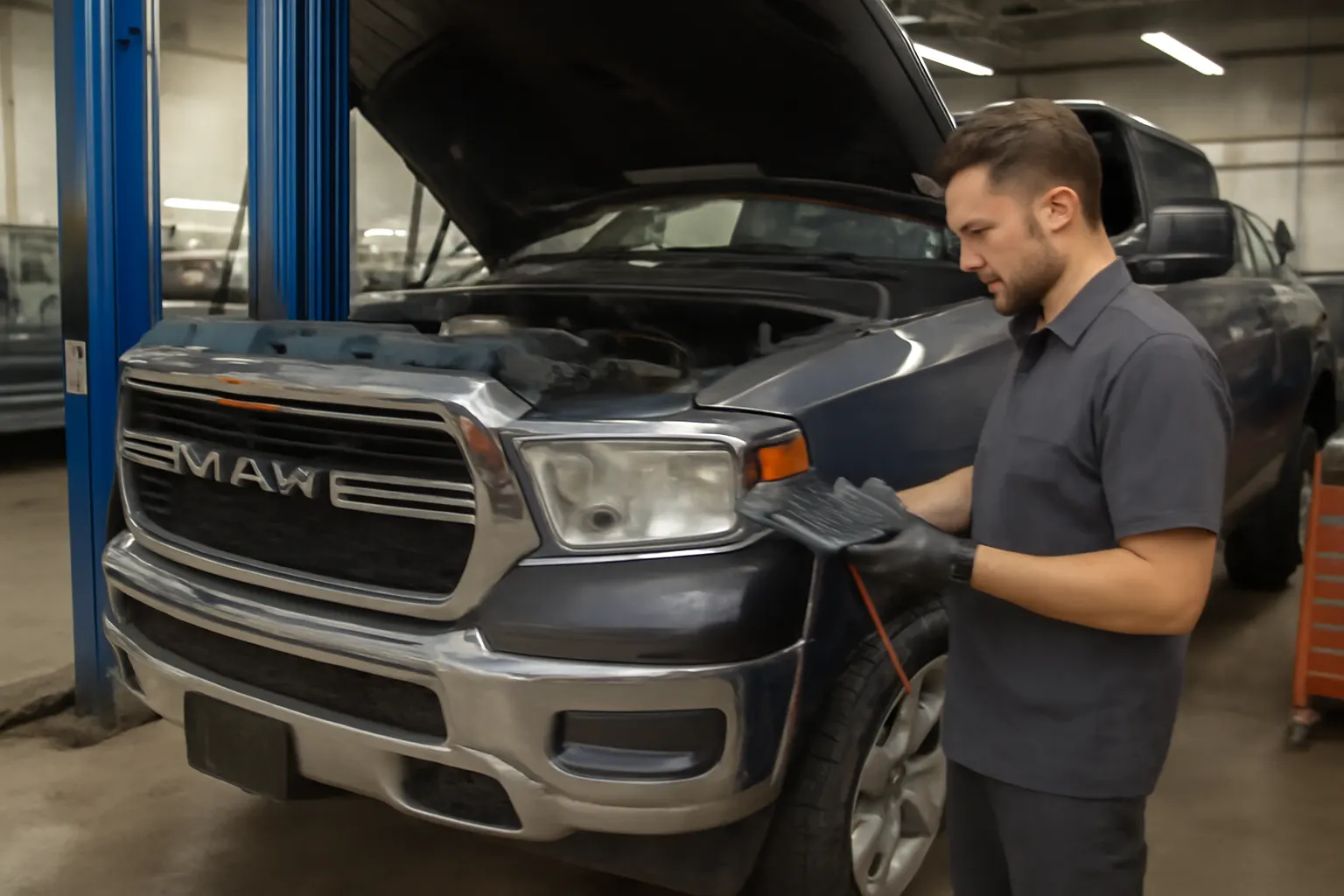
Spotting Counterfeit Ram Parts: A Technician’s Checklist
Counterfeit automotive parts are a growing threat to the safety, reliability, and value of Ram trucks and vans. For technicians and Ram owners alike, the ability to distinguish genuine Ram OEM parts from imitation components is crucial to protecting vehicle performance, maintaining safety standards, and ensuring long-term durability. This comprehensive checklist, built for practical shop use, will help you identify counterfeit Ram parts before they compromise your vehicle or your reputation.
If you want a direct path to trusted, authentic components, start with the Ram OEM Parts | Genuine Ram Truck and Van Replacement Components catalog. But for those who regularly source, inspect, or install Ram parts, read on for a technician’s in-depth guide to spotting fakes—and why it matters more than ever.
The Immediate Answer: How to Quickly Spot Counterfeit Ram Parts
When a Ram truck or van enters your shop, time is money—and so is trust. The fastest way to spot a counterfeit part is to check for these telltale signs:
- Packaging irregularities: Faded logos, misspellings, or poor print quality on boxes or labels.
- Inconsistent part markings: Genuine Ram parts have precise, laser-etched or stamped part numbers and logos.
- Unusual weight or texture: Counterfeiters often use lower-grade materials, resulting in parts that feel lighter, rougher, or inconsistent.
- Fitment issues: A genuine part will fit snugly and precisely; fakes may require force, shimming, or minor modification.
- Suspiciously low prices: If a deal seems too good to be true, it likely is.
This quick visual and tactile inspection can catch many fakes before they ever touch a customer’s vehicle. For a deeper dive, use the detailed checklist below.
The Hidden Problem: Why Counterfeit Parts Are On the Rise
Counterfeit automotive parts are not a new phenomenon, but their prevalence and sophistication have increased dramatically in the last decade. Ram trucks and vans, prized for their durability and performance, are frequent targets for counterfeiters.
The global supply chain, online marketplaces, and increased demand for affordable replacement parts create opportunities for imitation components to enter the market. These fakes can be nearly indistinguishable from genuine parts at first glance, but they pose significant risks:
- Safety hazards: Counterfeit brake pads, airbags, suspension parts, or sensors can fail catastrophically.
- Reduced vehicle performance: Imitation parts often lack the precision engineering required for optimal fuel efficiency and handling.
- Warranty and liability issues: Installing a counterfeit part may void manufacturer warranties and expose shops to legal risk.
The problem is compounded by the fact that even experienced technicians can be fooled by high-quality knockoffs. That’s why a systematic approach—using a proven checklist—is essential.
The Ram Technician’s Counterfeit Parts Checklist
To ensure every Ram component you install or recommend is authentic, use this step-by-step checklist during parts inspection and sourcing:
1. Packaging Inspection
- Compare the box or bag to known genuine Ram packaging.
- Check for clear, undistorted Ram logos and official Mopar branding.
- Look for proper holograms, security seals, or tamper-evident features.
- Inspect for correct spelling, grammar, and font consistency.
2. Part Number Verification
- Cross-reference the part number with official Ram or Mopar catalogs.
- Confirm the part number is etched, stamped, or laser-marked—not just a sticker.
- Check for any extra characters or missing digits.
3. Material Quality Assessment
- Examine the finish: Genuine parts have uniform coatings and smooth surfaces.
- Test the weight: Substandard metals or plastics often feel lighter or brittle.
- Look for casting or molding defects such as bubbles, seams, or sharp edges.
4. Fitment and Dimensions
- Dry-fit the part before final installation.
- Measure critical dimensions with calipers or gauges—slight deviations can indicate a fake.
- Confirm mounting holes, tabs, and connectors match OE specifications.
5. Supplier Reputation
- Source only from authorized Ram or Mopar dealers.
- Avoid third-party sellers without documented supply chains.
- Request certificates of authenticity for high-value components.
6. Documentation and Traceability
- Genuine parts typically include installation instructions, warranty cards, or batch tracking.
- Check for QR codes or barcodes that can be verified with Ram or Mopar online resources.
Tip: Print this checklist and keep it at your parts counter or service bay for quick reference.
Technical Deep Dive: How Counterfeit Parts Fail Ram Standards
Counterfeiters cut costs by using inferior materials and skipping critical quality controls. The result is a part that may look the part but cannot perform to Ram’s demanding standards. Here’s how the most common fakes fall short:
Material Integrity
Genuine Ram parts are engineered with advanced materials for strength, corrosion resistance, and performance. The Department of Energy’s Materials Technologies program highlights the importance of using the right alloys, plastics, or composites for vehicle safety and efficiency. Counterfeit parts often use recycled or substandard materials, leading to:
- Premature wear or cracking
- Rust or corrosion in chassis and suspension parts
- Poor thermal tolerance in engine or brake components
Safety and Compliance
According to the National Highway Traffic Safety Administration, OEM parts must meet strict federal safety standards. Counterfeiters bypass these requirements, resulting in:
- Brake pads that overheat or disintegrate
- Airbags that fail to deploy
- Electrical parts that cause shorts or fires
Performance and Efficiency
The U.S. Department of Energy notes that genuine engine and drivetrain components are essential for maintaining fuel economy and emissions compliance. Counterfeit sensors, injectors, or filters can:
- Trigger warning lights or limp-home modes
- Reduce MPG and increase emissions
- Cause engine misfires or stalling
Common Ram Components Targeted by Counterfeiters
Counterfeiters focus on high-demand, high-turnover parts where price pressure is greatest. For Ram trucks and vans, technicians should be especially vigilant with:
- Brake pads, rotors, and calipers: Safety-critical, frequently replaced, and often imitated.
- Suspension components: Ball joints, control arms, and bushings are common targets. See our OEM Ram Suspension Components guide for details.
- Filters and fluids: Oil, air, and fuel filters, as well as transmission fluids, are easy to counterfeit and hard to spot without close inspection.
- Lighting and electricals: Headlights, taillights, sensors, and modules are often cloned.
- Body panels and trim: Fakes may lack proper fit, finish, or corrosion protection.
Understanding which parts are most at risk allows shops to focus their inspection efforts and educate customers accordingly.
Real-World Examples: Counterfeit Ram Parts in the Field
Case studies from service bays across North America illustrate the real-world impact of counterfeit parts:
- Brake Failure: A Ram 1500 owner noticed increased stopping distances after a “discount” brake job. Inspection revealed counterfeit pads that had delaminated from their backing plates, leading to near-failure in an emergency stop.
- Suspension Collapse: A fleet Ram ProMaster experienced premature lower control arm failure. The part, purchased online, was discovered to be a counterfeit with substandard welds and inferior bushings.
- Sensor Malfunction: A Ram 2500 with persistent check engine lights was traced to a counterfeit oxygen sensor. The sensor’s electronics were not calibrated to OE specs, causing repeated diagnostic trouble codes.
For more case studies and lessons learned, see Real-World Ram: Service Bay Case Studies.
Diagnostic Steps: Confirming Authenticity in the Shop
A visual inspection is a critical first step, but technicians should also leverage diagnostic tools and resources:
Electronic Verification
- Use scan tools to verify sensor and module part numbers reported by the vehicle’s onboard diagnostics.
- Check for software mismatches or firmware errors—counterfeit modules may not communicate properly.
Physical Testing
- Perform hardness or conductivity tests on metals when in doubt (especially for safety-critical parts).
- Use borescopes or microscopes to inspect welds, castings, or internal features.
Reference Databases
- Consult the latest Ram or Mopar parts catalogs for up-to-date part numbers and illustrations.
- Use official NHTSA recall and safety databases to check if a suspect part is associated with known counterfeit operations (NHTSA Recalls).
Sourcing Strategy: How to Avoid Counterfeit Ram Parts
Prevention is always better than detection. The most effective way to avoid counterfeit Ram parts is to:
- Buy from authorized dealers: Always source parts from official Ram or Mopar distributors, especially for safety-critical or high-value components.
- Avoid online marketplaces: Third-party sellers on auction or classified sites are a major source of fakes.
- Request documentation: For large orders or rare parts, ask for certificates of authenticity or supply chain documentation.
- Build supplier relationships: Establishing a trusted relationship with a local or regional Ram parts supplier reduces risk and improves support.
For a complete, traceable selection of genuine Ram parts, rely on the Ram OEM Parts | Genuine Ram Truck and Van Replacement Components directory.
Training and Shop Policy: Building a Culture of Authenticity
Even the best checklist is only as effective as the people who use it. Shop owners and service managers should:
- Train staff regularly: Hold workshops on counterfeit detection and Ram-specific part identification.
- Implement inspection protocols: Require all incoming parts to be inspected before installation.
- Document incidents: Keep a log of suspected counterfeit parts and report them to Ram, Mopar, or NHTSA as appropriate.
- Educate customers: Explain the risks of counterfeits and the value of genuine Ram components.
A culture of vigilance protects your shop’s reputation and your customers’ safety.
The Role of Industry Standards and Regulation
OEM parts are designed and tested to meet rigorous industry standards, including those published by SAE International. Counterfeit parts rarely, if ever, meet these standards. Technicians should:
- Familiarize themselves with relevant SAE standards for the parts they install.
- Use standards-based measurements and benchmarks when evaluating part quality.
- Report substandard or counterfeit parts to regulatory bodies to help protect the broader Ram community.
What to Do If You Suspect a Counterfeit Part
If you identify or suspect a counterfeit Ram part:
- Quarantine the part: Do not install or return it to inventory.
- Document your findings: Take photos of packaging, markings, and the part itself.
- Report to authorities: Notify Ram/Mopar, your supplier, and NHTSA (Vehicle Safety and Equipment).
- Notify the customer: If a customer supplied the part, explain the risks and recommend a genuine replacement.
- Submit to manufacturer: Some OEMs have programs for analyzing and tracking counterfeit parts.
Taking these steps helps protect your shop, your customers, and the Ram brand.
Fitment and Performance: The Subtle Costs of Counterfeits
Even when counterfeit parts do not cause immediate, catastrophic failure, they undermine the performance and value of Ram trucks and vans:
- Noise, vibration, and harshness (NVH): Imitation bushings, mounts, or suspension parts often increase cabin noise and reduce ride quality.
- Shortened service intervals: Counterfeit filters or fluids degrade quickly, requiring more frequent maintenance.
- Downstream damage: A fake sensor or module can cause other components to work harder, accelerating wear and increasing repair costs.
For a comprehensive understanding of Ram component fitment and performance, consult the Ram Suspension & Drivetrain Component Reference.
AutoPartEx: Your Partner in Genuine Ram Parts
At AutoPartEx, we understand that the integrity of your repairs and the trust of your customers depend on the authenticity of every part you install. That’s why our curated catalog of Ram OEM Parts | Genuine Ram Truck and Van Replacement Components is sourced exclusively from authorized suppliers, with full traceability and documentation.
Our editorial resources, such as the Ram Truck Service Intervals & Maintenance Guide, are designed to support technicians, fleet managers, and Ram enthusiasts in maintaining their vehicles to the highest standard.
When you choose AutoPartEx, you’re choosing expertise, reliability, and peace of mind—every time.
Conclusion: Vigilance Is the Best Defense
Counterfeit Ram parts are a persistent threat that demands constant vigilance from technicians, shop owners, and Ram owners alike. By learning to spot the signs of imitation components, following a detailed inspection checklist, and sourcing only from trusted suppliers, you can protect your vehicles, your business, and your reputation.
Keep this checklist handy, train your team, and partner with trusted resources like AutoPartEx to ensure every Ram truck and van you service is equipped with genuine, high-performance parts—today and for the long haul.