Manual Transmission Shifting Problems: Cable vs. Clutch
Manual transmission vehicles rely on precision and coordination between the clutch cable and clutch assembly for smooth gear changes. If you’re experiencing shifting issues, the root cause often lies with either the clutch cable or the clutch assembly itself. Understanding the differences between these two failure modes is essential for accurate diagnosis, timely repair, and restoring your vehicle’s drivability. This guide will help you distinguish between clutch cable and clutch assembly failures, pinpoint the real source of shifting problems, and outline practical steps to resolution.
If you’re looking for replacement parts or want to deepen your understanding of clutch cable systems, visit our Clutch Cable Systems: Precision Control for Manual Transmissions category for comprehensive resources and high-quality components.
Quick Answer: Clutch Cable vs. Clutch Assembly Failures
When your manual transmission becomes difficult, notchy, or impossible to shift, the underlying issue usually falls into one of two categories:
- Clutch Cable Problems: Result in incomplete clutch disengagement, causing hard or grinding shifts.
- Clutch Assembly Failures: Lead to slippage, noise, or inability to engage/disengage gears even if the pedal feels normal.
Diagnosing the difference:
If the clutch pedal feels abnormally loose, stiff, or has excessive free play, suspect the clutch cable. If the pedal feels normal but shifting is still problematic, the clutch assembly (disc, pressure plate, release bearing) may be at fault.
The Hidden Problem: Overlapping Symptoms and Misdiagnosis
Many drivers and even technicians misattribute shifting issues to the wrong component due to overlapping symptoms. For example, both a stretched clutch cable and a worn clutch disc can cause gear grinding or difficulty engaging gears. Misdiagnosis leads to unnecessary repairs, safety risks, and wasted time.
Key challenge:
Clutch cable and clutch assembly failures can mimic each other, especially in older vehicles or those with high mileage. Understanding the subtle differences in symptoms and behavior is essential for proper troubleshooting.
How Manual Transmission Clutch Systems Work
To accurately diagnose shifting problems, it’s important to understand how the clutch cable and clutch assembly interact within the manual transmission system.
Clutch Cable Function
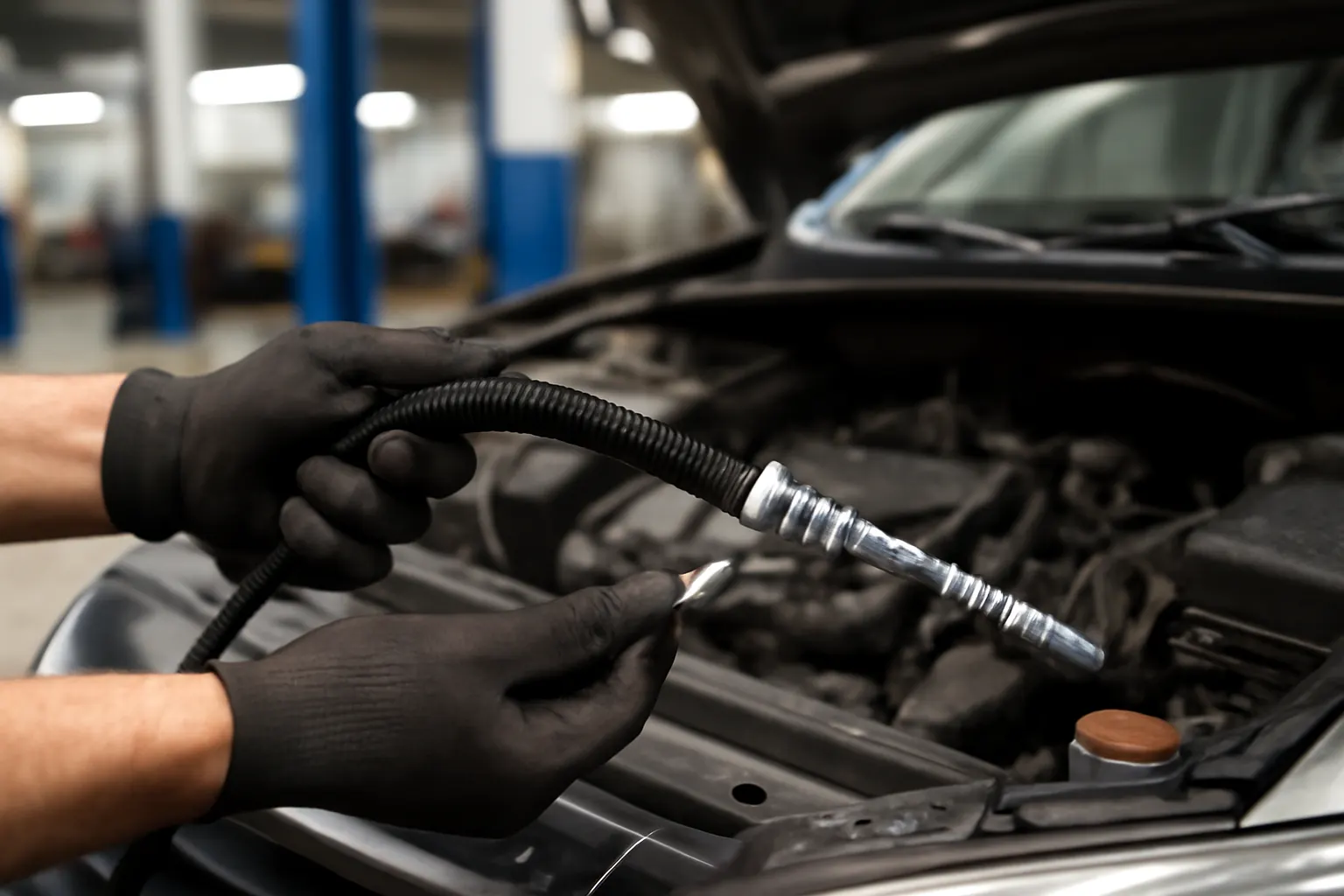
The clutch cable mechanically connects the clutch pedal to the clutch fork (or release arm). When you press the pedal, the cable pulls the fork, which in turn disengages the clutch assembly from the flywheel, allowing you to change gears.
Key points:
- The cable must maintain correct tension for full clutch disengagement.
- Wear, stretching, or fraying reduces cable efficiency and can cause incomplete clutch operation.
Clutch Assembly Components
The clutch assembly consists of:
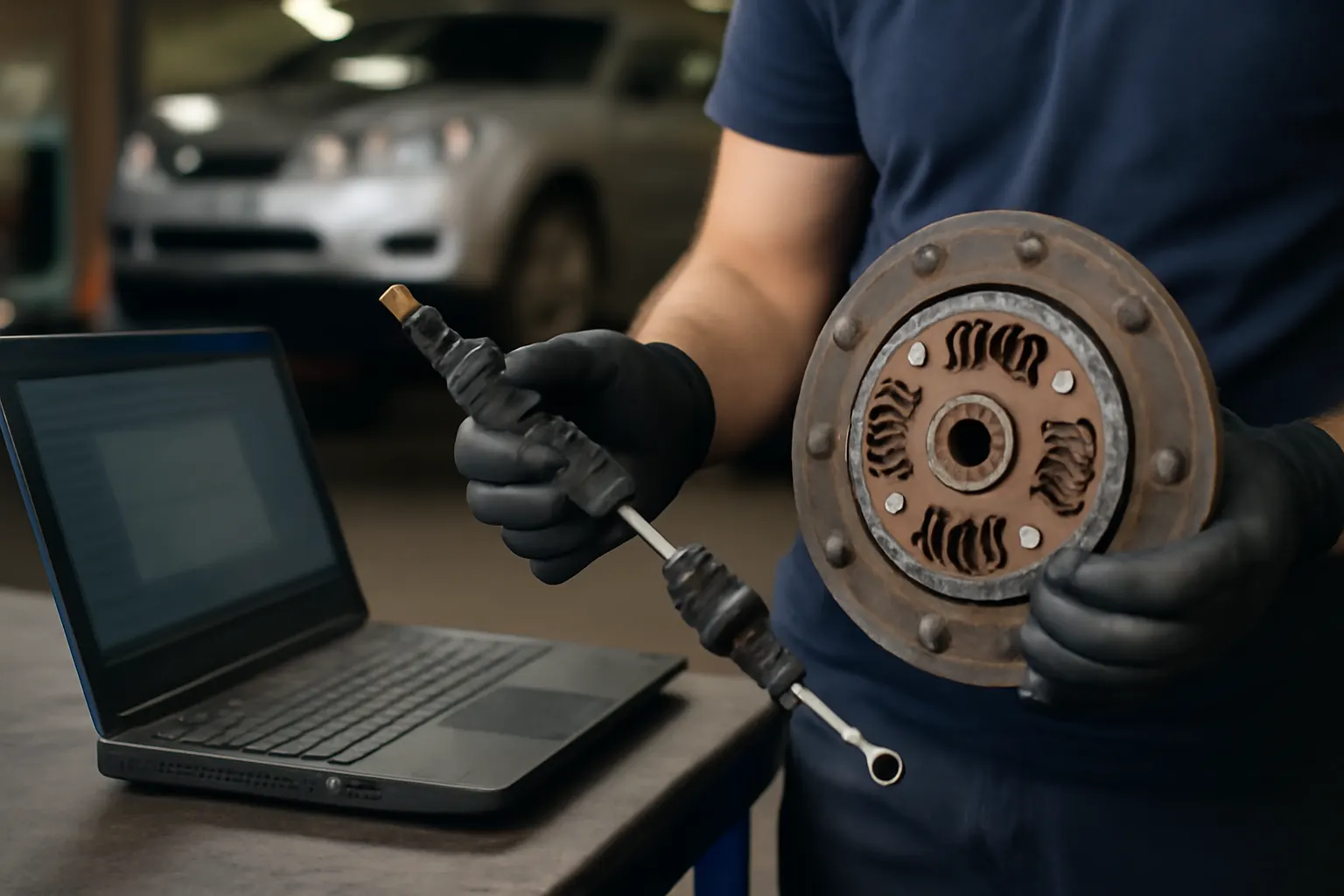
- Clutch Disc: Friction surface that engages/disengages the flywheel.
- Pressure Plate: Applies force to the disc, maintaining engagement.
- Release Bearing: Allows smooth movement when disengaging the clutch.
Failure in any of these components can result in slipping, grabbing, or noise, even if the cable is functioning correctly.
Common Symptoms: Cable vs. Clutch Assembly Issues
Distinguishing between clutch cable and clutch assembly problems hinges on recognizing specific symptoms.
Clutch Cable Failure Symptoms
- Pedal feels loose, spongy, or has excessive free play
- Pedal does not return fully or feels “stuck”
- Difficulty shifting into gear, especially first or reverse
- Grinding gears despite fully depressing the clutch pedal
- Visible cable damage (fraying, rust, broken strands)
Clutch Assembly Failure Symptoms
- Pedal feels normal, but shifting is still difficult
- Clutch slips under load (engine revs increase, but speed does not)
- Burning smell from friction material
- Chattering or vibration during engagement
- Noisy operation (squealing, growling, or rattling sounds)
Step-by-Step Diagnostic Checklist
Use this checklist to systematically diagnose manual transmission shifting problems:
| Step | Inspection Area | What to Check | Likely Issue |
|---|---|---|---|
| 1 | Clutch Pedal | Free play, stiffness, return action | Cable adjustment or wear |
| 2 | Clutch Cable | Visual inspection for fraying, stretching, rust | Cable damage or failure |
| 3 | Clutch Engagement | Does clutch disengage fully when pedal pressed? | Cable or assembly issue |
| 4 | Gear Shifting | Grinding, notchy, or blocked shifts | Cable tension or clutch wear |
| 5 | Clutch Slippage | Engine revs but vehicle does not accelerate | Worn clutch disc/pressure |
| 6 | Unusual Noises | Squeal, rattle, or growl when clutch engaged | Release bearing or disc |
| 7 | Fluid Leaks (if hydraulic) | Leaks at slave/master cylinder | Hydraulic system issue |
Tip: If you find multiple symptoms across both columns, both systems may need attention.
Technical Deep Dive: Why Cable and Clutch Failures Feel Different
Cable-Driven Clutch Systems
Most older manual transmissions and some modern economy cars use a cable-driven clutch. Cables are subject to mechanical wear, corrosion, and stretching over time. As the cable degrades:
- Pedal feel changes (spongy or loose)
- Clutch may not fully disengage, causing hard shifts and gear grinding
- Failure can be sudden if the cable snaps, resulting in a “dead” pedal
Clutch Assembly Wear and Failure
Clutch assemblies are exposed to constant friction and heat. Typical failure points include:
- Friction material on the disc wears down, causing slippage
- Pressure plate springs weaken, reducing clamping force
- Release bearing failure causes noise and rough engagement
Clutch assembly issues generally develop gradually, though catastrophic failures can occur if ignored.
The Impact of Clutch Problems on Safety and Efficiency
According to the National Highway Traffic Safety Administration, worn or malfunctioning clutch components can compromise vehicle control and safety. Incomplete clutch disengagement can lead to:
- Unexpected vehicle movement
- Inability to stop or start smoothly
- Increased risk of transmission damage
Additionally, the U.S. Department of Energy notes that drivetrain inefficiencies, including clutch drag or slippage, reduce overall fuel efficiency and performance.
The Overlooked Role of Materials and Wear
Modern clutch cables and assemblies use advanced materials for improved durability and performance. However, even high-quality components eventually wear out due to:
- Repeated stress cycles
- Contamination (dirt, moisture, road salt)
- Improper adjustment or installation
Refer to the Materials Technologies resource for more on how material choices affect longevity and performance.
Practical Diagnosis: Field Techniques
Clutch Cable Inspection
- Check Pedal Free Play: Excessive movement before resistance indicates cable stretch.
- Visual Cable Check: Inspect for fraying, kinks, or corrosion along the entire length.
- Test Pedal Return: Pedal should return crisply; sluggish return suggests internal cable friction or breakage.
- Cable Adjustment: Most cables are adjustable. If adjustment is maxed out but free play persists, the cable is likely stretched past service limits.
Clutch Assembly Inspection
- Road Test: Attempt to accelerate in higher gear; slipping indicates worn disc.
- Listen for Noises: Growling or squealing during clutch operation often points to a failing release bearing.
- Check for Burning Smell: Indicates excessive friction and potential clutch disc failure.
- Engagement Point: If the clutch engages very high or low on the pedal travel, suspect wear or hydraulic issues.
For a more detailed guide, see our How to Diagnose Clutch Cable Issues.
Repair and Replacement: What to Expect
Clutch Cable Replacement
- Difficulty: Moderate; requires access to both pedal and transmission ends
- Tools: Wrenches, pliers, sometimes specialty cable tools
- Time: 1–2 hours for most vehicles
- Cost: Lower than full clutch replacement
For step-by-step instructions and tool recommendations, visit Clutch Cable Replacement: Tools and Tips.
Clutch Assembly Replacement
- Difficulty: Advanced; requires transmission removal
- Tools: Transmission jack, socket set, clutch alignment tool
- Time: 4–8 hours depending on vehicle and experience
- Cost: Significantly higher due to labor and parts
Pro tip: Always replace the release bearing and inspect the flywheel when servicing the clutch assembly.
Preventive Maintenance: Extending Clutch and Cable Life
- Regular Inspections: Check cable condition and pedal free play every 15,000 miles.
- Keep Components Clean: Remove dirt and debris from cable housings and clutch fork areas.
- Adjust Cable Tension: Follow manufacturer specs for free play and engagement.
- Avoid Riding the Clutch: Prolonged pedal depression accelerates wear.
- Prompt Repairs: Address minor issues before they escalate to major failures.
Sourcing the Right Replacement Parts
Choosing the correct clutch cable or assembly is crucial for restoring transmission performance and safety. Consider:
- OEM vs. Aftermarket: OEM parts ensure factory fit; high-quality aftermarket options may offer improved durability.
- Vehicle Compatibility: Match the part number and specifications to your make, model, and year.
- Material Quality: Look for corrosion-resistant cables and high-friction clutch discs.
Explore our curated Clutch Cable Systems: Precision Control for Manual Transmissions section for trusted parts and expert support.
Upgrades and Performance Options
If you drive in demanding conditions or seek enhanced performance, upgrading to heavy-duty clutch cables or performance clutch assemblies may be beneficial. These options use stronger materials and improved designs for:
- Increased load capacity
- Better heat resistance
- Longer service intervals
For more on performance upgrades, see Upgrading to Heavy-Duty Clutch Cables: Is It Worth It?.
When to Seek Professional Help
While many cable replacements are DIY-friendly, clutch assembly repairs often require specialized tools and expertise. Seek professional assistance if:
- You lack the tools or workspace for transmission removal
- Diagnostic results are inconclusive
- Multiple components appear to be failing simultaneously
- You want to ensure compliance with SAE Standards and safety best practices
AutoPartEx: Your Partner in Manual Transmission Solutions
At AutoPartEx, we understand the importance of accurate diagnosis and reliable parts in manual transmission maintenance. Our technical resources, extensive parts catalog, and expert support make us the go-to source for clutch cables, assemblies, and related components. Whether you’re a DIY enthusiast or a professional technician, trust AutoPartEx for precision, quality, and value.
Explore more categories, such as Acura and Air Box/Air Cleaner, for a complete range of automotive solutions.
Summary: Pinpointing and Solving Manual Transmission Shifting Problems
Manual transmission shifting issues can stem from either the clutch cable or the clutch assembly. By understanding the distinct symptoms, conducting systematic inspections, and sourcing quality replacement parts, you can restore smooth shifting and prolong the life of your drivetrain. Always prioritize safety, follow manufacturer guidelines, and consult technical resources like AutoPartEx for best results.