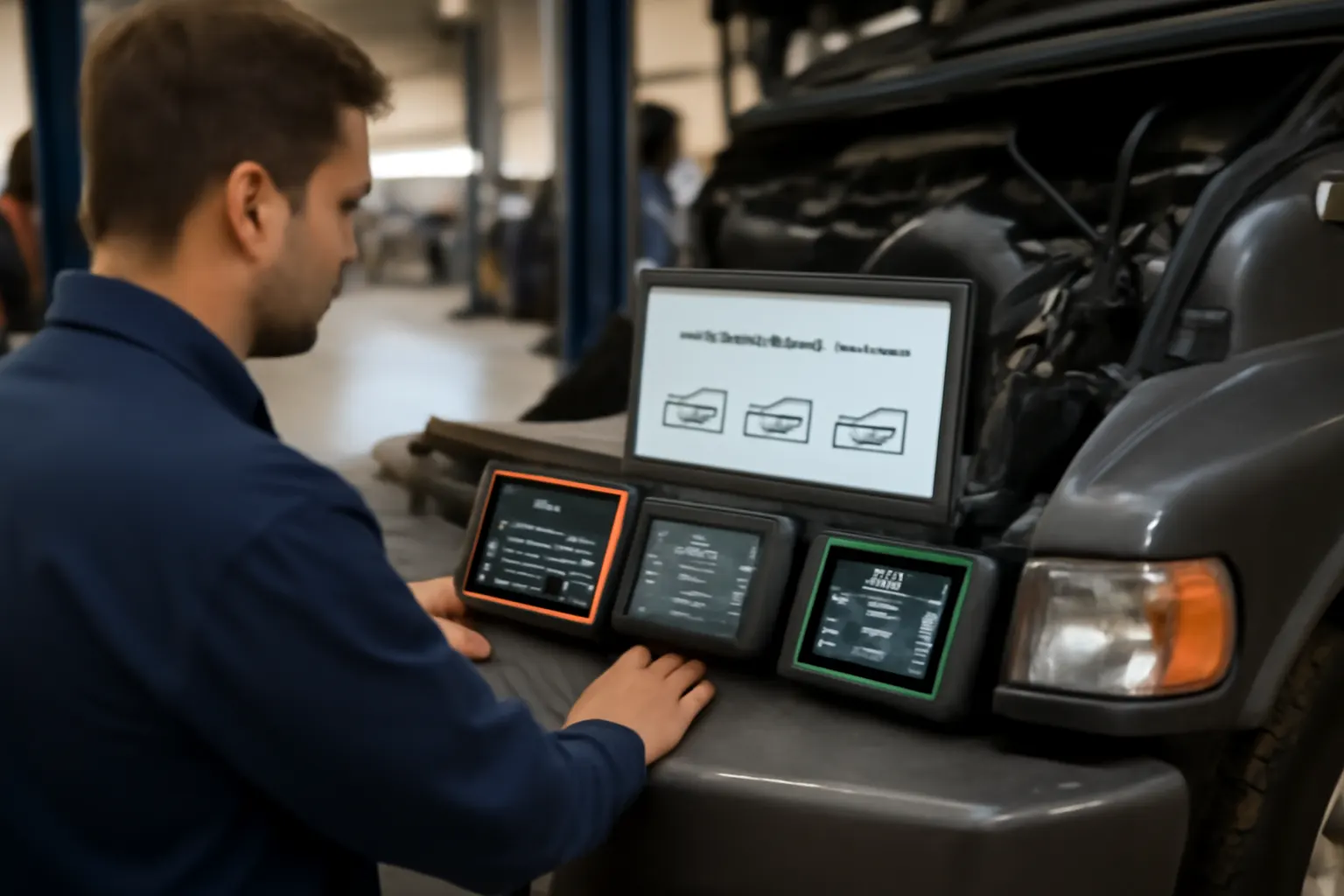
How to Spot Counterfeit Autocar Parts
Counterfeit Autocar parts are a growing threat to fleet reliability, safety, and your bottom line. Knowing how to identify fake components can save your operation from catastrophic failures, costly repairs, and compliance violations. This comprehensive guide gives you the tools and knowledge to quickly spot counterfeit Autocar parts, protect your vehicles, and maintain the engineering standards your fleet demands.
If you’re actively sourcing parts, always start with trusted suppliers specializing in Autocar Parts: Genuine OEM Quality, Engineering, and Fitment | AutoPartEx to ensure authenticity and fitment. Below, we’ll break down the immediate warning signs, explain the hidden risks, and provide practical checklists and expert guidance for every fleet manager, technician, and parts buyer.
Why Counterfeit Autocar Parts Are a Critical Threat
The global automotive industry is facing an unprecedented influx of counterfeit parts, with heavy-duty and vocational vehicles like Autocar trucks being prime targets. These fake components are not just a nuisance—they are a direct threat to vehicle safety, performance, and compliance.
The Immediate Risks
- Safety Hazards: Counterfeit parts often fail to meet the rigorous standards set by organizations such as the National Highway Traffic Safety Administration (NHTSA) and SAE International. This compromises braking, steering, and structural integrity.
- Operational Downtime: A single counterfeit part can cause cascading failures, leading to unplanned breakdowns and extended downtime.
- Financial Losses: Beyond repair costs, using non-genuine parts can void warranties and lead to compliance fines.
The Hidden Costs
Counterfeits may initially appear as cost-saving alternatives, but their substandard materials and engineering undermine vehicle longevity and fuel efficiency. According to the U.S. Department of Energy, even minor deviations in materials or design can negatively impact fuel economy and drivetrain reliability.
The Anatomy of a Counterfeit Part: What Makes It Dangerous?
Counterfeit Autocar parts are typically manufactured without adherence to OEM specifications or industry standards. This results in:
- Inferior Materials: Lower-grade metals, plastics, or composites that lack the durability of genuine OEM parts.
- Poor Fitment: Incorrect dimensions or tolerances lead to improper installation, premature wear, and possible system failures.
- Lack of Testing: These parts bypass SAE and NHTSA-mandated testing protocols, making their performance unpredictable and hazardous.
How Counterfeiters Operate
- Visual Mimicry: Fake parts often replicate OEM branding, logos, and packaging to deceive buyers.
- Supply Chain Infiltration: Counterfeits enter the market through unauthorized distributors, online marketplaces, and even some local jobbers.
Immediate Visual Signs: How to Perform a Quick Field Inspection
Spotting a counterfeit Autocar part often starts with a careful visual inspection. Here’s what to look for:
Checklist: Quick Visual Inspection for Counterfeit Autocar Parts
| Feature | Genuine OEM Part | Counterfeit Warning Signs |
|---|---|---|
| Branding/Logos | Crisp, consistent, and correct | Blurry, faded, or misspelled logos |
| Packaging | High-quality, sealed, with barcodes | Generic, flimsy, or poor printing |
| Part Numbers | Matches official Autocar catalog | Missing, altered, or inconsistent |
| Material Quality | Uniform, robust, and precise | Rough edges, discoloration, or defects |
| Labeling | Accurate, with traceable codes | Missing, smudged, or inconsistent |
| Documentation | Includes warranty and specs | None, or vague/incomplete papers |
Always compare suspect parts to a known genuine component whenever possible. If anything seems off—especially with branding, labeling, or packaging—treat the part as suspect and escalate for further verification.
Hidden Problem: The Threat Below the Surface
While visual cues are helpful, some counterfeits are sophisticated enough to pass a quick inspection. The real danger lies in what’s beneath the surface:
Substandard Materials and Construction
Counterfeiters often use cheaper alloys, recycled plastics, or inferior fasteners that can’t withstand the stresses of vocational truck operations. This leads to:
- Premature Fatigue: Parts may crack, warp, or corrode well before their expected service interval.
- Compatibility Issues: Poorly machined or molded components can interfere with adjacent systems, causing collateral damage.
Lack of Compliance and Traceability
Genuine Autocar parts are manufactured to meet strict NHTSA and SAE standards. Counterfeits lack traceability, making it impossible to verify recalls or safety bulletins—a critical compliance risk for fleet operators.
The Technical Side: How Counterfeit Parts Compromise Safety and Efficiency
Understanding the technical ramifications of counterfeit parts is essential for fleet managers and technicians.
Engineering Standards and Performance
- SAE Standards: OEM Autocar parts are engineered to meet SAE International standards for strength, fatigue resistance, and fitment. Counterfeits rarely, if ever, meet these benchmarks.
- NHTSA Compliance: Many critical components—such as brake linings, steering linkage, and lighting—are subject to NHTSA regulations. Counterfeit parts that fail to comply can put your fleet in violation and at risk of catastrophic failure.
Impact on Fuel Efficiency
According to the Department of Energy, the use of non-OEM parts can increase rolling resistance, disrupt aerodynamics, and reduce drivetrain efficiency. Even a minor deviation in fitment or material can have measurable effects on fuel consumption and emissions.
Commonly Counterfeited Autocar Parts: Know Your Risk Zones
While any component can be counterfeited, certain parts are more frequently targeted due to their high replacement rate and market demand.
High-Risk Part Categories
- Brake Pads and Linings: Counterfeits may use subpar friction materials, leading to extended stopping distances and rotor damage.
- Filters (Oil, Air, Fuel): Fake filters often lack proper filtration media, risking engine and fuel system contamination.
- Lighting and Electrical: Non-compliant bulbs, harnesses, and sensors can cause electrical faults or fail to meet DOT requirements.
- Suspension and Steering: Counterfeit bushings, tie rods, and ball joints can fail without warning, jeopardizing vehicle control.
- Body Panels and Mirrors: Poorly manufactured panels may not fit correctly, compromise aerodynamics, or fail crashworthiness standards.
Sourcing Genuine Autocar Parts: Best Practices and Red Flags
Proactive sourcing is your first line of defense against counterfeit parts.
Where to Source
- Authorized Dealers and Distributors: Always use suppliers who can provide proof of direct sourcing from Autocar or their official partners.
- Reputable Online Platforms: Only purchase from platforms with strict vetting and traceability policies.
Red Flags When Buying
- Unusually Low Prices: If a deal seems too good to be true, it likely is.
- Lack of Documentation: No invoice, warranty, or technical datasheet provided.
- No Return Policy: Genuine suppliers stand by their products and offer returns or exchanges.
- Vague or Changing Contact Information: Be wary of sellers who can’t provide a physical address or consistent contact details.
Verification Steps: How to Authenticate an Autocar Part
For critical components, don’t rely on packaging alone. Follow these steps for verification:
- Cross-Reference Part Numbers: Use the official Autocar parts catalog or consult the Autocar OEM Fitment Guide to verify part numbers and specifications.
- Check Serial and Batch Numbers: Genuine parts will have traceable serial or batch numbers. Contact Autocar or your trusted supplier to confirm authenticity.
- Compare Physical Attributes: Measure dimensions, weight, and material finish against OEM specifications or a known genuine part.
- Request Documentation: Ask for certificates of authenticity, warranty papers, and technical datasheets.
- Consult with Experts: If in doubt, have a qualified technician or fleet manager inspect the part before installation.
Diagnostic Checklist: Spotting Counterfeit Parts in Service
Sometimes, counterfeit parts are only discovered after installation—often when a failure occurs. Use this checklist during diagnostics:
In-Service Diagnostic Checklist
- Premature Wear or Failure: Components fail well before their expected maintenance interval.
- Fitment Issues: Parts require excessive force to install or don’t align with mounting points.
- Performance Anomalies: Unusual noises, vibrations, or system warnings after a recent replacement.
- Recurring Fault Codes: Persistent error messages related to recently serviced systems.
- Warranty Denials: Manufacturer denies warranty claims due to non-genuine parts.
If any of these symptoms appear, immediately inspect the suspect part and replace it with a verified OEM component.
Maintenance and Replacement: Minimizing the Risk of Counterfeit Parts
Routine maintenance is an opportunity to audit and standardize your parts inventory.
Maintenance Best Practices
- Standardize Sourcing: Centralize parts procurement through vetted suppliers.
- Inventory Audits: Regularly inspect inventory for suspect parts and remove any with questionable provenance.
- Technician Training: Educate maintenance staff on the visual and technical signs of counterfeits.
- Record Keeping: Maintain detailed service logs, including part numbers, suppliers, and batch codes.
Replacement Intervals
Follow the recommended replacement intervals outlined in the Autocar Maintenance Intervals Explained guide, and always use OEM or approved aftermarket parts.
The Role of Standards: NHTSA, SAE, and OEM Engineering
Counterfeit parts almost always fail to meet the rigorous standards enforced by the NHTSA and SAE International.
Why Standards Matter
- NHTSA Equipment Standards: Ensure that safety-critical systems perform reliably in real-world conditions (NHTSA Equipment).
- SAE Testing Protocols: Define the engineering and testing requirements for everything from materials to system integration (SAE Standards).
- OEM Engineering: Only genuine Autocar parts are engineered, tested, and validated for specific vehicle models and use cases.
Counterfeit parts bypass these safeguards, exposing your fleet to unnecessary risk.
Recalls, Safety Bulletins, and Counterfeit Parts
Counterfeit parts complicate regulatory compliance and recall management.
- Traceability Issues: Non-genuine parts cannot be traced in the event of a recall, putting your fleet at risk of non-compliance.
- Safety Bulletins: Manufacturers issue technical service bulletins (TSBs) and recall notices based on specific part batches—information that is useless if your parts are counterfeit.
- NHTSA Recalls: Always check the NHTSA recalls database to ensure your parts are covered and compliant.
The Cost of Counterfeit Parts: Real-World Impact
Counterfeit parts are not just a technical issue—they have real financial and operational consequences.
Direct Costs
- Frequent Repairs: Subpar parts fail more often, leading to increased repair frequency and costs.
- Warranty Loss: Use of counterfeit parts can void OEM warranties, shifting the entire financial burden to your operation.
Indirect Costs
- Downtime: Every breakdown means lost revenue and missed deadlines.
- Regulatory Fines: Non-compliance with safety standards can result in costly fines or even legal action.
- Reputation Damage: Safety incidents due to counterfeit parts can damage your company’s reputation with customers and regulators.
Building a Counterfeit-Proof Parts Strategy
A proactive, systems-based approach is the best defense against counterfeit Autocar parts.
Steps to Protect Your Fleet
- Develop Sourcing Protocols: Only buy from authorized suppliers.
- Train Your Team: Ensure everyone involved in procurement, maintenance, and installation can recognize counterfeit warning signs.
- Implement Verification Procedures: Use checklists and official catalogs for every part received.
- Leverage Technology: Use inventory management systems that track serial numbers and supplier data.
- Create a Response Plan: Have a procedure for reporting, quarantining, and replacing suspected counterfeit parts.
How AutoPartEx Helps You Stay Genuine
At AutoPartEx, we specialize in genuine Autocar parts and OEM-approved alternatives, complete with full traceability, warranty support, and fitment guarantees. Our platform provides:
- Direct Access to OEM Parts: Sourced from authorized suppliers with full documentation.
- Technical Fitment Guides: Use our Autocar OEM Fitment Guide to verify every part before purchase.
- Expert Support: Our technical team can assist with part verification, sourcing, and installation.
- Comprehensive Coverage: From Autocar Parts: Genuine OEM Quality, Engineering, and Fitment | AutoPartEx to detailed model family differences, we ensure you get the right part—every time.
For a deeper dive into choosing the correct parts for your specific Autocar model, see Autocar Model Family Technical Differences.
Conclusion: Stay Vigilant, Stay Genuine
Counterfeit Autocar parts are a persistent threat, but with the right knowledge, tools, and sourcing strategies, you can protect your fleet from unnecessary risk. Always prioritize genuine OEM parts, educate your team, and partner with trusted suppliers like AutoPartEx for guaranteed quality, fitment, and compliance.