How Exhaust Upgrades Affect Performance and Emissions
Upgrading your vehicle’s exhaust system is one of the most popular modifications for enthusiasts and daily drivers alike. The immediate appeal is clear: aftermarket exhausts promise improved horsepower, a more aggressive exhaust note, and sometimes even better fuel economy. But what’s the real impact on performance and emissions? In this comprehensive AutoPartEx guide, we’ll break down how exhaust upgrades influence horsepower, torque, and emissions compliance—giving you the technical facts and practical guidance you need before making any changes.
Whether you’re considering a cat-back system, a full header-back upgrade, or just a high-flow muffler, understanding the specific effects on your vehicle is crucial. For a broader look at the entire exhaust ecosystem, see our Exhaust Assembly: Complete Guide to Performance, Emissions, and Longevity.
Immediate Answer: What Do Exhaust Upgrades Actually Do?
Aftermarket exhaust systems primarily aim to reduce exhaust gas restrictions—allowing spent gases to exit the engine more efficiently. This can result in:
- Modest horsepower and torque gains (typically 2–10% depending on the system and engine)
- A deeper or louder exhaust tone
- Potential changes to fuel efficiency
- Altered emissions output, which may affect compliance
However, not all upgrades are created equal. The actual impact depends on your vehicle’s engine, the type of exhaust upgrade, and how the rest of your powertrain is configured. Compliance with emissions standards is a critical consideration—especially if you live in an area with regular inspections or stringent environmental regulations.
The Hidden Problem: Performance vs. Emissions Compliance
Many drivers focus solely on the promised performance gains, overlooking the complex relationship between exhaust flow, emissions equipment, and legal requirements. While a less restrictive exhaust can help your engine “breathe,” it may also:
- Reduce the effectiveness of critical emissions controls (like catalytic converters)
- Trigger check-engine lights or onboard diagnostics (OBD-II) errors
- Result in failed emissions inspections or fines if not properly engineered
Some aftermarket systems eliminate or relocate emissions-critical components, which is illegal in many jurisdictions and can lead to significant environmental harm. Understanding these trade-offs is essential before making any exhaust modification.
Understanding Exhaust Flow: The Technical Foundation
The science behind exhaust upgrades centers on the movement of exhaust gases from the engine’s combustion chambers to the tailpipe. Here’s what matters most:
- Backpressure: Factory exhaust systems are designed to balance noise reduction, emissions control, and cost. They often create “backpressure,” which can slightly reduce engine efficiency.
- Pipe Diameter: Wider pipes reduce backpressure but can also lower exhaust gas velocity, which may hurt low-end torque if oversized.
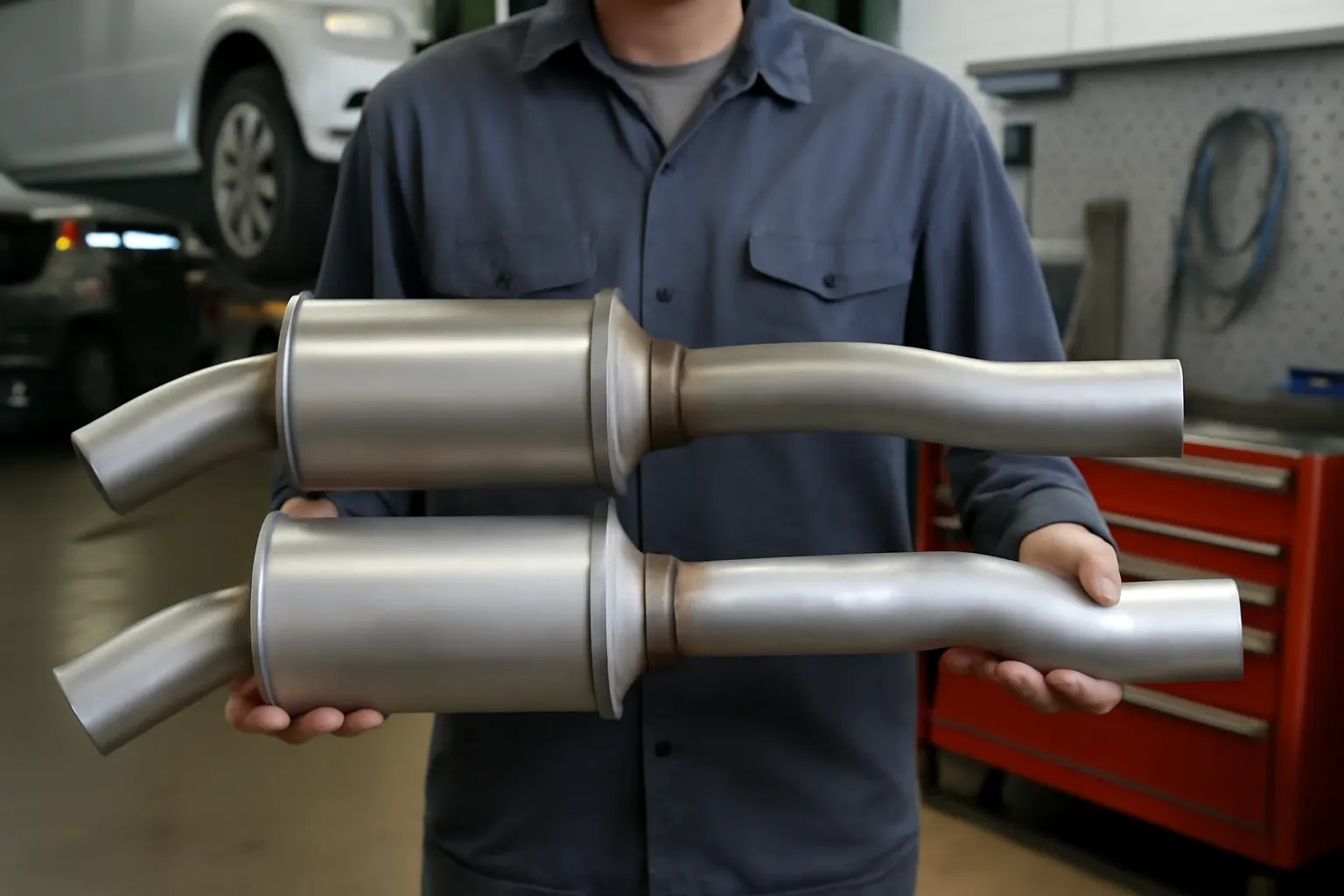
- Mandrel Bends: High-quality aftermarket systems use mandrel bends for smoother gas flow, as opposed to restrictive crush bends found in many OEM systems.
- Materials: Stainless steel and aluminized steel are common; each has trade-offs in weight, corrosion resistance, and cost. For a deep dive, see Stainless vs. Aluminized Steel: Which Exhaust is Best?.
The right upgrade optimizes these factors for your engine’s needs, but the wrong one can actually reduce performance or cause compliance issues.
Horsepower and Torque: What Gains Are Realistic?
One of the most common motivators for upgrading an exhaust system is the promise of increased horsepower and torque. Here’s what you can expect:
- Cat-Back Systems: Replacing the exhaust from the catalytic converter back typically yields 2–5% peak horsepower gains.
- Header-Back Systems: Upgrading from the exhaust manifold or headers all the way back can provide 5–10% gains, especially when combined with intake and tuning modifications.
- High-Flow Catalytic Converters: These can improve flow while maintaining emissions control, but gains are usually modest (1–3%).
Actual results depend on your vehicle’s baseline performance, engine displacement, and supporting modifications. Without proper tuning, even the best system may not deliver its full potential.
Emissions Equipment: What Can (and Cannot) Be Changed
Modern vehicles rely on a suite of emissions control devices to meet federal and state standards:
- Catalytic Converters: Convert harmful gases (CO, NOx, HC) into less harmful substances.
- Oxygen Sensors: Monitor exhaust gases for optimal fuel mixture and emissions control.
- Resonators and Mufflers: Primarily for noise reduction, but also influence emissions by affecting exhaust flow and temperature.
Removing or bypassing emissions-critical components is not only illegal in many areas, but it can also result in significant environmental harm and legal penalties. Always ensure that any upgrade retains or improves emissions control where required.
Diagnosing Potential Issues: Checklist for Safe Upgrades
Before installing any aftermarket exhaust, run through this essential diagnostic checklist:
- Check Engine Light: Is your OBD-II system showing any codes? Address these before upgrading.
- Emissions Readiness: Will the new system retain all emissions equipment? Verify compatibility with your state’s requirements.
- Exhaust Leaks: Inspect for leaks in gaskets, flanges, or welds. See our Diagnosing Exhaust Leaks: Step-by-Step Guide.
- Fitment: Is the system designed for your specific make, model, and year?
- Material Quality: Stainless steel offers superior corrosion resistance, especially in northern climates with salted roads.
- Sound Level: Will the system meet local noise ordinances?
- Warranty Impact: Will installation void your vehicle’s powertrain or emissions warranty?
- Supplier Reputation: Buy from reputable brands with proven test data.
A thorough pre-install inspection saves time, money, and potential compliance headaches.
Materials and Construction: Why They Matter
The choice of materials and construction techniques directly impacts both performance and longevity:
- Stainless Steel: Offers superior resistance to corrosion and rust, making it ideal for long-term durability. Stainless systems often last longer than the vehicle itself.
- Aluminized Steel: More affordable and lighter but less resistant to corrosion, especially in harsh climates.
- Mandrel vs. Crush Bends: Mandrel bends maintain consistent pipe diameter, improving flow and reducing turbulence.
According to the U.S. Department of Energy’s Materials Technologies research, advanced materials are key to improving vehicle performance and efficiency while reducing weight. Upgrading to a high-quality exhaust made from superior materials can reduce system weight, contributing to better acceleration and fuel economy.
The Role of Tuning: Making the Most of Your Upgrade
A common oversight among DIY installers is neglecting to tune the engine after installing an upgraded exhaust. Here’s why tuning matters:
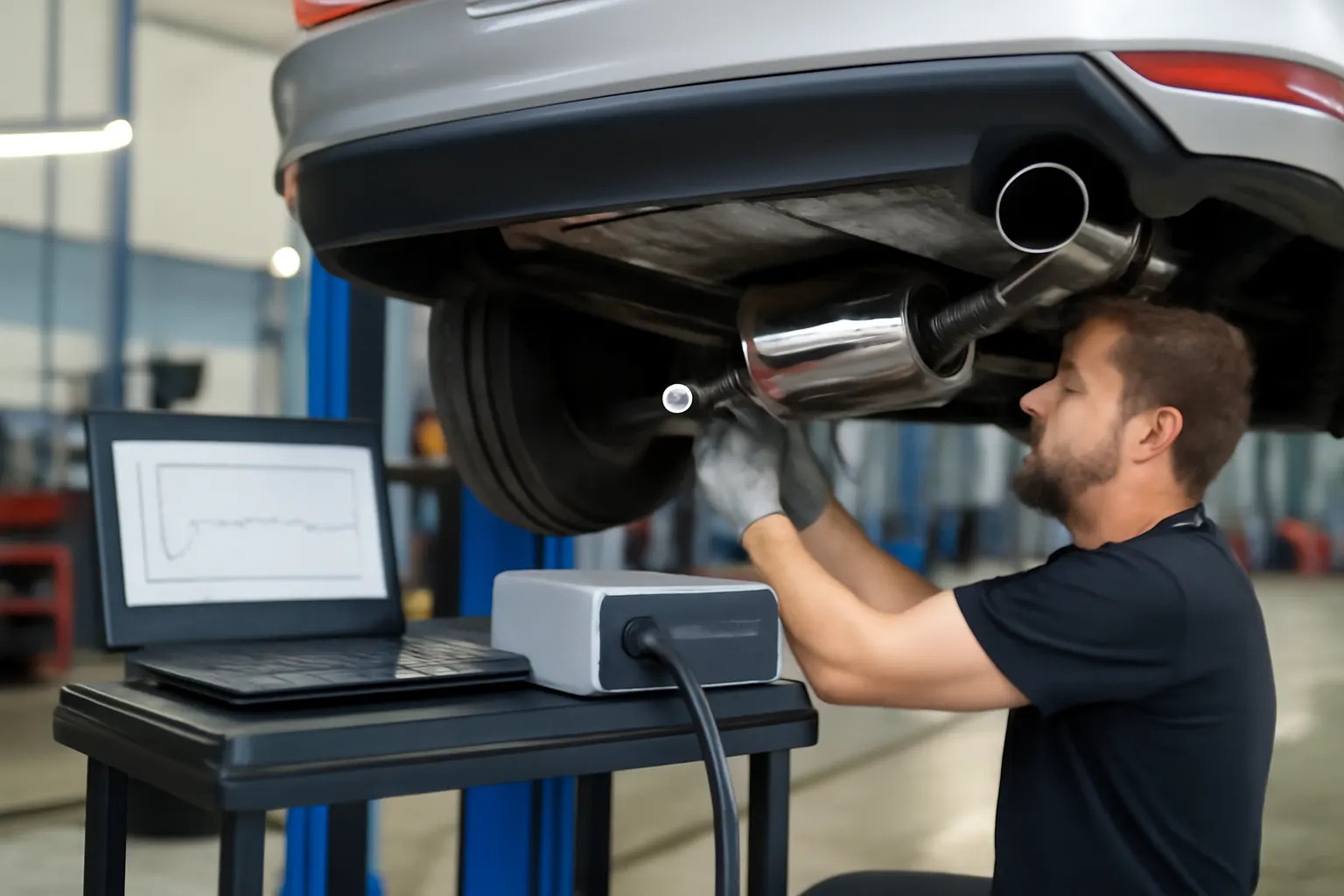
- Air-Fuel Ratio: Exhaust modifications can alter the air-fuel mixture, requiring ECU recalibration for optimal performance and emissions.
- Sensor Calibration: O2 sensors may need to be relocated or recalibrated to avoid check-engine lights and maintain emissions compliance.
- Maximizing Gains: Without a proper tune, you may only realize a fraction of the system’s potential horsepower and torque increases.
Professional tuning ensures that your vehicle not only passes emissions tests but also takes full advantage of the new exhaust’s capabilities.
Emissions Compliance: Navigating Legal and Environmental Requirements
Federal and state regulations—enforced by agencies like the EPA and NHTSA—dictate strict standards for vehicle emissions. Key points to remember:
- Retain Catalytic Converters: Removing or replacing with a non-compliant unit can result in failed inspections or fines.
- CARB Certification: In California and some other states, aftermarket exhaust components must be CARB (California Air Resources Board) certified.
- OBD-II Compatibility: The system must not interfere with OBD-II monitoring or trigger persistent trouble codes.
The National Highway Traffic Safety Administration provides equipment guidelines and recalls to ensure aftermarket parts meet safety and environmental standards. Always verify that your chosen exhaust system is legal for street use in your area.
Installation Tips: Ensuring a Seamless Upgrade
A successful exhaust installation requires attention to detail. Follow these best practices:
- Gather All Parts: Ensure you have all necessary gaskets, clamps, and hardware before starting.
- Lift Vehicle Safely: Use jack stands or a lift—never rely on a jack alone.
- Remove Old System Carefully: Penetrating oil can help loosen rusted bolts.
- Test Fit New Components: Dry-fit all parts before final tightening to ensure proper alignment.
- Torque to Spec: Use a torque wrench to avoid overtightening, which can warp flanges or crush gaskets.
- Check for Leaks: After installation, start the engine and listen for leaks at all joints.
If you’re not confident in your mechanical skills, professional installation is recommended—especially for systems that require welding or custom fabrication.
Maintenance and Longevity: Keeping Your Exhaust Performing
Aftermarket exhaust systems require periodic inspection and maintenance to deliver long-term performance:
- Inspect for Leaks: Check joints, welds, and flanges every oil change.
- Monitor Mounts and Hangers: Replace worn rubber hangers to prevent sagging or rattles.
- Clean Exterior: In winter climates, rinse the undercarriage to remove road salt and prevent corrosion.
- Check Heat Shields: Ensure shields are secure to protect nearby components.
A well-maintained exhaust can last for many years, especially if constructed from high-quality materials. For more on maximizing lifespan, see our Exhaust Assembly: Complete Guide to Performance, Emissions, and Longevity.
Buying Guide: Choosing the Right Exhaust Upgrade
With a dizzying array of options on the market, here’s how to select the right system for your vehicle and goals:
1. Identify Your Priorities
- Performance (horsepower/torque)
- Sound (aggressive, moderate, or OEM-like)
- Emissions compliance
- Longevity (material quality)
- Budget
2. Match System Type to Your Needs
- Axle-Back: Easiest to install, minimal performance gain, mostly sound improvement.
- Cat-Back: Good balance of performance and sound, retains emissions equipment.
- Header-Back: Maximum potential gains, but more complex installation and tuning required.
3. Verify Fitment
- Confirm compatibility with your vehicle’s year, make, and model.
- Check for required modifications or additional parts.
4. Research Brands and Reviews
- Look for dyno-tested systems with proven results.
- Choose brands with CARB/EPA compliance where required.
5. Consider Warranty and Support
- Some manufacturers offer limited lifetime warranties on stainless systems.
Common Pitfalls: Mistakes to Avoid
Even experienced enthusiasts can make costly errors when upgrading their exhaust. Avoid these common pitfalls:
- Ignoring Emissions Laws: Non-compliant systems can lead to failed inspections and fines.
- Oversizing Pipes: Too large a diameter can reduce low-end torque and cause drone.
- Skipping Tuning: Without recalibration, you may see minimal gains or even reduced performance.
- Neglecting Heat Management: Lack of heat shields or wraps can damage nearby components.
- Poor Installation: Leaks, rattles, and misaligned pipes can undermine the benefits of your upgrade.
Take the time to plan, research, and install your system properly for the best outcome.
The AutoPartEx Approach: Informed Upgrades for Real Results
At AutoPartEx, we believe that exhaust upgrades should deliver measurable improvements—without compromising emissions compliance or vehicle longevity. Our curated selection of exhaust assemblies, catalytic converters, and related components are sourced from trusted manufacturers and tested for fitment, durability, and performance. We back our recommendations with technical expertise and real-world data, so you can upgrade with confidence.
For further reading on protecting your emissions equipment, check out Catalytic Converter Theft Prevention and Replacement. If you’re interested in optimizing your air intake system to complement your exhaust, visit our Air Box/Air Cleaner section.
Expert Action: Steps to a Successful, Compliant Exhaust Upgrade
Ready to enhance your vehicle’s performance and sound? Here’s your expert action plan:
- Assess Your Goals: Determine what you want from your exhaust upgrade—power, sound, longevity, or all three.
- Research Local Laws: Verify emissions and noise regulations in your area.
- Select Quality Components: Choose stainless or aluminized steel systems from reputable brands, with documented emissions compliance.
- Inspect and Prepare: Use our diagnostic checklist to identify and address any pre-existing exhaust issues.
- Install or Seek Professional Help: Ensure correct fitment, alignment, and torque specs—or have a trusted shop handle the work.
- Tune for Performance: Invest in professional ECU tuning to maximize your gains and maintain emissions compliance.
- Maintain Regularly: Inspect for leaks, corrosion, and wear to ensure long-term performance.
With these steps, you’ll enjoy the benefits of your new exhaust system—without the headaches of failed inspections or premature wear.