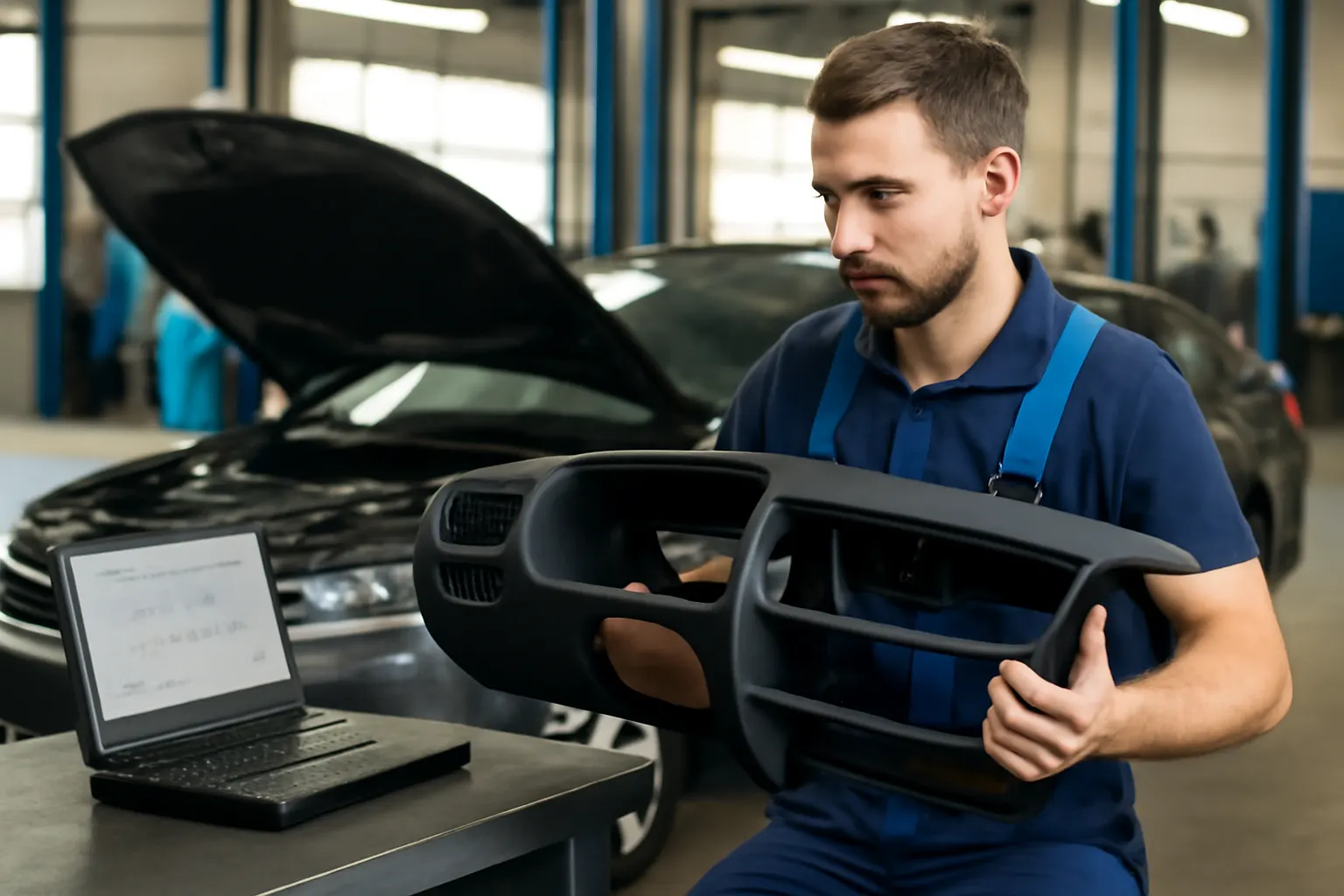
Choosing the Right Dash Panel for Your Vehicle
Selecting the right dash panel is a crucial step in restoring, customizing, or repairing your vehicle’s interior. Whether you’re dealing with collision damage, interior upgrades, or simply replacing a worn-out component, choosing between OEM and aftermarket dash panels can significantly impact fitment, safety, and long-term satisfaction. In this comprehensive buyer’s guide, we’ll walk you through the most important considerations: fitment, material quality, compatibility, and the nuanced differences between OEM and aftermarket options. If you’re looking for a deeper dive into dash panel structure and integration, the Dash Panel Technical Guide: Structure, Integration, and Replacement Insights is an essential companion resource.
The Quick Answer: What Matters Most When Buying a Dash Panel
If you’re short on time, here’s what you need to know: Prioritize fitment and material quality above all else. Choose an OEM dash panel if you want perfect compatibility and original appearance, especially for newer vehicles or when maintaining factory safety systems like airbags. Aftermarket options can offer cost savings and customization, but require careful vetting for material quality and precise fit. Always verify the panel’s compatibility with your specific vehicle year, make, and model, and check that it meets safety and engineering standards.
The Hidden Problem: Why Dash Panel Choice Is More Complex Than It Seems
At first glance, a dash panel might seem like a simple trim piece. In reality, it’s a highly engineered structural component that integrates with critical vehicle systems—airbags, HVAC, electrical harnesses, and even crash energy management. Poor dash panel selection can lead to misaligned components, rattles, compromised airbag deployment, or even safety recalls. Many vehicle owners and even some repair shops underestimate the impact of material differences, mounting points, and hidden integration details until after installation—when correcting mistakes becomes costly and time-consuming.
Deeper Dive: What Makes a Dash Panel a Critical Structural Component?
A dash panel (or instrument panel) is more than a cosmetic cover. It serves as a mounting structure for the steering column, HVAC ducts, airbags, wiring harnesses, and various controls. According to the United States Department of Energy’s Materials Technologies, dash panels are often constructed from advanced polymers, steel, magnesium, or hybrid composites to balance strength, weight, and crash energy absorption. Modern designs must also accommodate integrated electronics and safety systems—meaning even small dimensional variations can cause significant issues.
Key Functions of a Dash Panel
- Structural support: Anchors the steering column, HVAC system, and airbag modules.
- Safety integration: Houses passenger airbags, knee airbags, and sometimes sensors.
- Mounting platform: Secures the instrument cluster, infotainment system, and controls.
- HVAC routing: Directs airflow from the Air Box/Air Cleaner and AC system into the cabin.
- Aesthetic finish: Defines the look and feel of the vehicle’s interior.
OEM vs. Aftermarket Dash Panels: Pros, Cons, and Key Differences
OEM Dash Panels
Original Equipment Manufacturer (OEM) dash panels are made to the exact specifications as the original part installed at the factory. They’re engineered for precise fit, finish, and integration with all vehicle systems.
Pros:
- Guaranteed fit and finish
- Material and structural integrity matches original
- Seamless integration with airbags and electronics
- Maintains resale value and factory appearance
Cons:
- Higher cost
- Limited color or finish options (unless ordering from the manufacturer)
- Availability may be restricted for older or rare models
Aftermarket Dash Panels
Aftermarket dash panels are produced by third-party manufacturers. They can range from exact replicas to custom designs with unique materials or features.
Pros:
- Lower cost in many cases
- Customization options (colors, materials, features)
- Availability for discontinued models
Cons:
- Variable quality and fitment
- Potential compatibility issues with airbags and electronics
- May not meet all safety or engineering standards
Expert Tip: Always check if the aftermarket panel is certified to meet SAE Standards or equivalent. This ensures a baseline level of safety and engineering rigor.
Fitment: The Cornerstone of a Successful Dash Panel Replacement
Dash panels are not universal. Even minor differences in mounting tabs, airbag cutouts, or vent locations can cause major installation headaches. Follow these steps to ensure a perfect fit:
Dash Panel Fitment Checklist
- Vehicle Identification: Confirm the exact year, make, model, and trim level. Even mid-year production changes can affect dash panel design.
- Compare Part Numbers: For OEM, match the part number precisely. For aftermarket, check manufacturer fitment guides.
- Airbag Compatibility: Verify that all airbag mounting points and cutouts align with your vehicle’s safety systems.
- Mounting Hardware: Ensure all brackets, fasteners, and clip locations match your original panel.
- HVAC and Electrical Integration: Confirm that ducts, wiring harnesses, and control modules have the correct mounting points and clearances.
- Aesthetic Match: If maintaining factory appearance, compare grain, color, and finish to your original dash panel.
Pro Tip: If possible, test-fit the new panel before final installation. This can save hours of rework if something doesn’t line up.
Material Quality: How It Affects Safety, Durability, and Performance
The dash panel’s material isn’t just about appearance—it plays a critical role in vehicle safety, weight, and long-term durability. The DOE’s Materials Technologies initiative highlights the growing use of advanced polymers, lightweight alloys, and composites in modern vehicles for both performance and crash safety.
Common Dash Panel Materials
- ABS Plastic: Durable, cost-effective, and widely used in OEM and aftermarket panels.
- Polycarbonate Blends: Offer improved impact resistance and temperature stability.
- Magnesium or Aluminum Reinforcements: Found in higher-end vehicles for weight reduction and structural rigidity.
- Steel: Used in older vehicles or as a substructure for added strength.
- Composite Materials: Increasingly common in late-model vehicles for optimal weight and energy absorption.
Considerations:
- Inferior materials may warp, crack, or discolor over time—especially under sun exposure or temperature extremes.
- Material rigidity and energy absorption are critical for proper airbag deployment and crash safety.
Safety Considerations: Airbags, Recalls, and Regulatory Compliance
Dash panels are integral to the safe operation of airbags and other restraint systems. Improperly designed or installed panels can interfere with airbag deployment, posing a serious risk to occupants. The National Highway Traffic Safety Administration (NHTSA) maintains strict standards for vehicle equipment, including dash panels and associated airbag components.
Safety Checklist for Dash Panel Replacement
- Airbag Cutouts: Ensure the panel’s airbag doors or seams align perfectly with the underlying modules.
- Mounting Strength: Verify that mounting points can withstand the forces of airbag deployment.
- Recall Status: Check the NHTSA recalls database for any known issues with dash panels or related airbag systems for your vehicle.
- Certification: Look for SAE or equivalent certification on aftermarket panels.
For more on how dash panel design impacts airbag safety, see How Dash Panel Design Impacts Airbag Safety.
Compatibility: Electronics, HVAC, and Accessory Integration
Modern dash panels must house complex electronics, HVAC controls, infotainment systems, and integrated sensors. Even a small mismatch can lead to malfunctioning controls, rattles, or electrical issues.
Key Compatibility Factors
- Wiring Harnesses: Ensure all harness clips and routing channels are present.
- Control Modules: Confirm mounting points for HVAC, infotainment, and diagnostic modules.
- Ductwork: Check that all HVAC ducts align with vents and blend doors.
- Accessory Integration: Verify space and mounts for optional equipment (navigation, heated seats, etc.).
Expert Observation: Some aftermarket panels omit less common mounting points or accessory cutouts to reduce cost. Always inspect the panel for all required features before purchase.
Diagnosing Dash Panel Issues Before Replacement
Not every dash panel issue requires full replacement. Before buying a new panel, diagnose the root cause of the problem:
- Cracks or Warping: Often caused by sun exposure, age, or inferior materials.
- Rattles or Loose Panels: May result from broken mounting tabs or missing fasteners.
- Malfunctioning Controls: Sometimes due to misaligned or damaged mounting points behind the panel.
- HVAC Issues: Airflow problems can be traced to misaligned ducts or blocked vents within the dash panel. See Diagnosing HVAC Issues Related to Dash Panels for a step-by-step guide.
If the structural integrity is compromised or airbag deployment zones are affected, replacement is strongly recommended.
Sourcing Dash Panels: Where to Buy and What to Ask
Where to Source
- Dealerships: Best for OEM dash panels, especially for newer vehicles.
- Authorized Parts Distributors: Offer both OEM and high-quality aftermarket options.
- Specialty Restoration Shops: Ideal for classic or discontinued models.
- Online Marketplaces: Exercise caution—verify part numbers, reputation, and return policies.
What to Ask Before Buying
- Is the panel OEM or aftermarket? Who is the manufacturer?
- What materials are used? Are they equivalent to the original panel?
- Does it include all necessary mounting hardware, brackets, and fasteners?
- Is there a fitment guarantee for your specific vehicle?
- Are there any known issues or recalls associated with this part?
- What is the return or exchange policy if the panel doesn’t fit?
Installation Guidance: Tools, Tips, and Common Pitfalls
Replacing a dash panel is a labor-intensive job, often requiring removal of the steering wheel, airbags, HVAC controls, and numerous trim pieces. For a detailed step-by-step walkthrough, refer to our Dash Panel Removal and Installation Guide.
Essential Tools
- Trim removal tools (plastic pry bars)
- Screwdrivers and socket set
- Torx and specialty bits (as needed)
- Labeling tape for wiring harnesses
- Torque wrench (for airbag and steering column bolts)
Installation Tips
- Disconnect the battery before removing airbags or electrical components.
- Label all connectors and fasteners for easy reassembly.
- Take photos during disassembly to aid in reinstallation.
- Test-fit the new panel before securing all fasteners.
- Follow torque specs for all structural bolts, especially those related to airbags and steering.
Common Pitfalls
- Forcing the panel over misaligned tabs—risking cracks or rattles
- Forgetting to reconnect wiring harnesses or HVAC ducts
- Skipping calibration of airbag or electronic modules after installation
Maintenance Tips: Keeping Your Dash Panel Looking and Performing Its Best
A quality dash panel should last the life of your vehicle, but proper care extends its appearance and performance.
- Regular Cleaning: Use a microfiber cloth and mild cleaner designed for automotive interiors.
- UV Protection: Apply a UV-blocking protectant to prevent fading and cracking, especially in sunny climates.
- Prompt Repairs: Address minor cracks or loose trim immediately to prevent further damage.
- Avoid Harsh Chemicals: Solvents or ammonia-based cleaners can degrade plastics and finishes.
Fuel Efficiency and Dash Panel Weight: Does It Really Matter?
While the dash panel itself is a small fraction of overall vehicle weight, the DOE’s Fuel Efficiency research shows that every pound saved contributes to improved fuel economy. Modern dash panels use lightweight composites or magnesium reinforcements to reduce mass without sacrificing strength.
Bottom line: While not the primary factor, selecting a dash panel made from advanced lightweight materials can play a small but positive role in overall efficiency, especially in performance or electric vehicles.
When to Choose OEM vs. Aftermarket: Decision Matrix
Here’s a quick reference to help guide your decision:
| Scenario | Choose OEM | Choose Aftermarket |
|---|---|---|
| Maintaining original appearance | ✔️ | |
| Airbag or advanced electronic integration | ✔️ | |
| Budget constraints | ✔️ | |
| Customization (color, features) | ✔️ | |
| Classic or discontinued model | ✔️ (if OEM unavailable) | |
| Maximum resale value | ✔️ | |
| Structural repair after major collision | ✔️ |
Expert Advice: When safety or system integration is at stake (airbags, electronic modules), OEM is the safest bet. For basic cosmetic updates or hard-to-find classics, a high-quality aftermarket panel may be appropriate—just inspect quality and fitment carefully.
AutoPartEx Positioning: Your Trusted Source for Dash Panels and Technical Guidance
At AutoPartEx, we understand that selecting the right dash panel is about more than just aesthetics—it’s about safety, performance, and preserving your vehicle’s value. Our curated inventory includes both OEM and rigorously vetted aftermarket dash panels, each backed by detailed fitment data and technical support. Whether you’re driving an Acura, restoring a classic AMC, or upgrading a modern daily driver, our team is here to help you make an informed choice. For further insights, explore our Dash Panel Technical Guide: Structure, Integration, and Replacement Insights.
Take the Next Step: Expert Consultation and Support
Still unsure which dash panel is right for your vehicle? Contact the AutoPartEx Technical Editorial Team for personalized recommendations. We’ll help you navigate OEM vs. aftermarket options, verify fitment, and connect you with installation resources. Invest in the right dash panel today for safer, quieter, and more enjoyable driving for years to come.