Convertible Weatherproofing: Beyond the Top Boot
Convertible ownership is all about freedom—the open sky, the wind in your hair, and the distinctive style that sets your vehicle apart. But when it comes to protecting your ride from the elements, a convertible top boot is just the beginning. For true weatherproofing, you need a comprehensive strategy that addresses all potential points of water, dust, and temperature ingress. This guide explores advanced convertible weatherproofing solutions—beyond the top boot—including seals, covers, climate system upgrades, and more, so you can preserve your convertible’s beauty, comfort, and value year-round.
For foundational information on top boots themselves, see our Convertible Top Boot: Protection, Style, and Preservation for Your Open-Air Ride category page.
The Immediate Answer: Weatherproofing Your Convertible is More Than Just the Top Boot
While a convertible top boot shields the retracted roof from sun, dust, and minor moisture, it’s not a standalone solution for full weather protection. True convertible weatherproofing involves:
- Inspecting and upgrading weather seals around doors, windows, and the convertible top frame.
- Employing custom-fit car covers for stationary protection.
- Maintaining and enhancing your climate control system for interior preservation.
- Choosing advanced materials and technologies for long-term durability.
- Regular diagnostic checks and targeted maintenance to catch vulnerabilities early.
By integrating these strategies, you can dramatically reduce the risk of water leaks, wind noise, UV damage, mold, and even mechanical wear—preserving both your comfort and your convertible’s value.
The Hidden Problem: The Gaps Left by Relying on a Top Boot Alone
Many convertible owners assume that installing a top boot solves most exposure issues. However, this approach leaves your vehicle vulnerable in several critical areas:
- Seals and gaskets may degrade, allowing water, dust, or air to infiltrate the cabin and trunk.
- The HVAC system may fail to adequately remove moisture or regulate temperature, accelerating interior wear.
- Unprotected fabric or vinyl tops can suffer UV, chemical, and environmental degradation, even when retracted.
- Road grit and debris can find their way into mechanical linkages and electronics.
Without a holistic approach, your convertible is at risk for chronic leaks, mildew, electrical faults, and expensive repairs—especially as the vehicle ages or is exposed to harsh climates.
Expanding the Problem: Technical Sources of Convertible Vulnerability
1. Weather Seals: The First Line of Defense
Weather seals, also called weatherstripping, are critical to keeping moisture, wind, and contaminants out. In convertibles, these seals are more complex and more exposed than in hardtop vehicles. Over time, UV exposure, repeated flexing, and environmental contaminants degrade the rubber or foam materials, leading to:
- Water leaks at the header (where the top meets the windshield)
- Drips at side windows and quarter windows
- Trunk and boot area seepage
- Increased wind noise and drafts
2. Fabric and Vinyl Top Degradation
Convertible tops, whether fabric or vinyl, are vulnerable to:
- UV and ozone degradation, causing fading and brittleness
- Mold and mildew growth if moisture is trapped
- Chemical damage from bird droppings, tree sap, or acidic rain
- Shrinkage or stretching, which can compromise fit and sealing
When the top is stowed, a boot helps, but the exposed surfaces and seams still need attention.
3. HVAC and Climate System Shortcomings
Convertibles experience rapid temperature swings and higher humidity due to their open-air design. If your AC Compressor, condenser, or related HVAC parts are underperforming, you risk:
- Foggy windows and persistent interior moisture
- Mold and odor development
- Electronic or upholstery damage from excess humidity
4. Electronic and Mechanical Linkage Exposure
The mechanisms that operate your convertible top—motors, linkages, sensors, and wiring—are all susceptible to water and dust intrusion. Over time, this can lead to:
- Electrical shorts or malfunctions
- Corrosion of metal components
- Increased friction, wear, and eventual failure
Comprehensive Convertible Weatherproofing: A Technical Deep Dive
Weather Seals: Inspection, Diagnosis, and Upgrades
Why Seals Matter
According to the National Highway Traffic Safety Administration, weather seals are essential safety equipment. Poorly sealing convertibles not only risk comfort and cosmetic issues, but can compromise visibility (fogging), electrical safety, and even structural integrity in severe cases.
How to Inspect Your Seals
- Visual Inspection: Look for cracks, flattening, or missing sections along the perimeter of the top, doors, and windows.
- Water Test: Using a hose, lightly spray the seams and observe for leaks inside.
- Dollar Bill Test: Close a dollar bill in the door or top seal and pull—if it slides out easily, the seal may be too compressed or degraded.
Upgrading and Replacing Seals
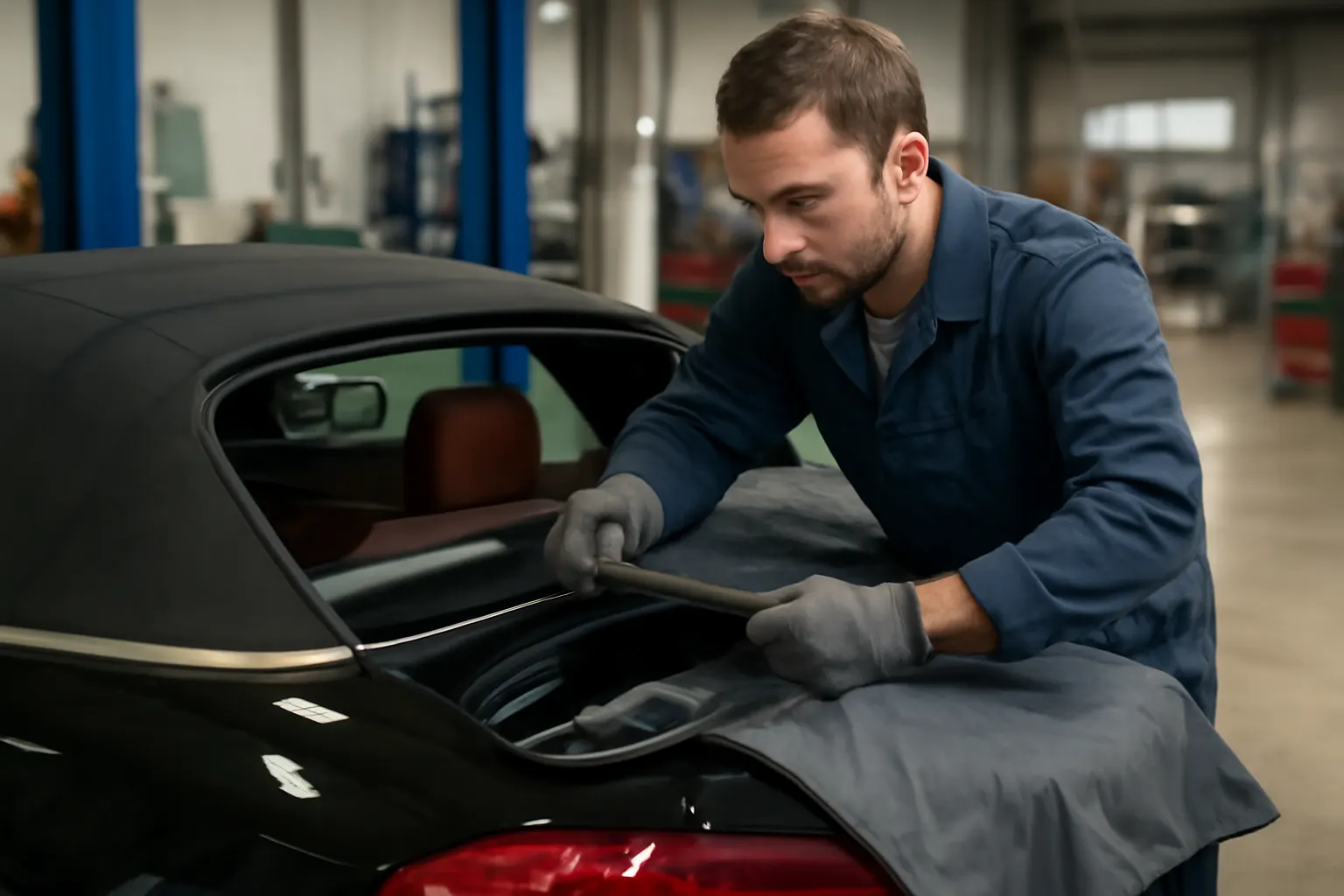
- OEM vs. Aftermarket: Choose seals that meet or exceed SAE standards for fit and material quality. OEM parts are ideal, but high-quality aftermarket options exist.
- Installation: Clean all mating surfaces thoroughly. Use a non-petroleum-based lubricant to ease installation and prevent sticking.
- Maintenance: Regularly apply weatherstrip conditioner to keep seals supple.
Convertible Top Covers: The Second Layer of Protection
Types of Covers
- Full Vehicle Covers: Protects the entire vehicle, including the top boot, from rain, snow, UV, and debris.
- Cockpit Covers: Shields the interior when the top is down, ideal for short-term parking.
- Custom-Fit vs. Universal: Custom-fit covers provide better sealing and less wind flap.
Materials Matter
Referencing Materials Technologies, modern covers use advanced synthetics for water resistance, breathability, and UV protection. Look for multi-layer designs with soft inner linings to avoid scratching paint or trim.
Checklist: Choosing a Convertible Car Cover
- Fits your make/model precisely (custom-fit preferred)
- Multi-layer construction for durability
- UV, water, and dust resistance
- Breathable to prevent trapped moisture
- Soft inner lining for paint protection
- Reinforced grommets or straps for wind security
Climate System Upgrades: Managing Interior Environment
HVAC Health is Essential
A functioning climate system does more than keep you cool—it actively removes humidity, protecting electronics and upholstery. If your AC Compressor, AC Condenser, or AC Condenser Fan is weak, replace or upgrade promptly.
Cabin Filtration
Modern convertibles often include cabin air filters. Replace these at recommended intervals to block pollen, dust, and mold spores.
Dehumidifiers and Desiccants
For storage or humid climates, consider automotive dehumidifier packs or portable electric dehumidifiers to prevent mildew.
Convertible Top Material Care: Extending Life and Weather Resistance
Cleaning and Conditioning
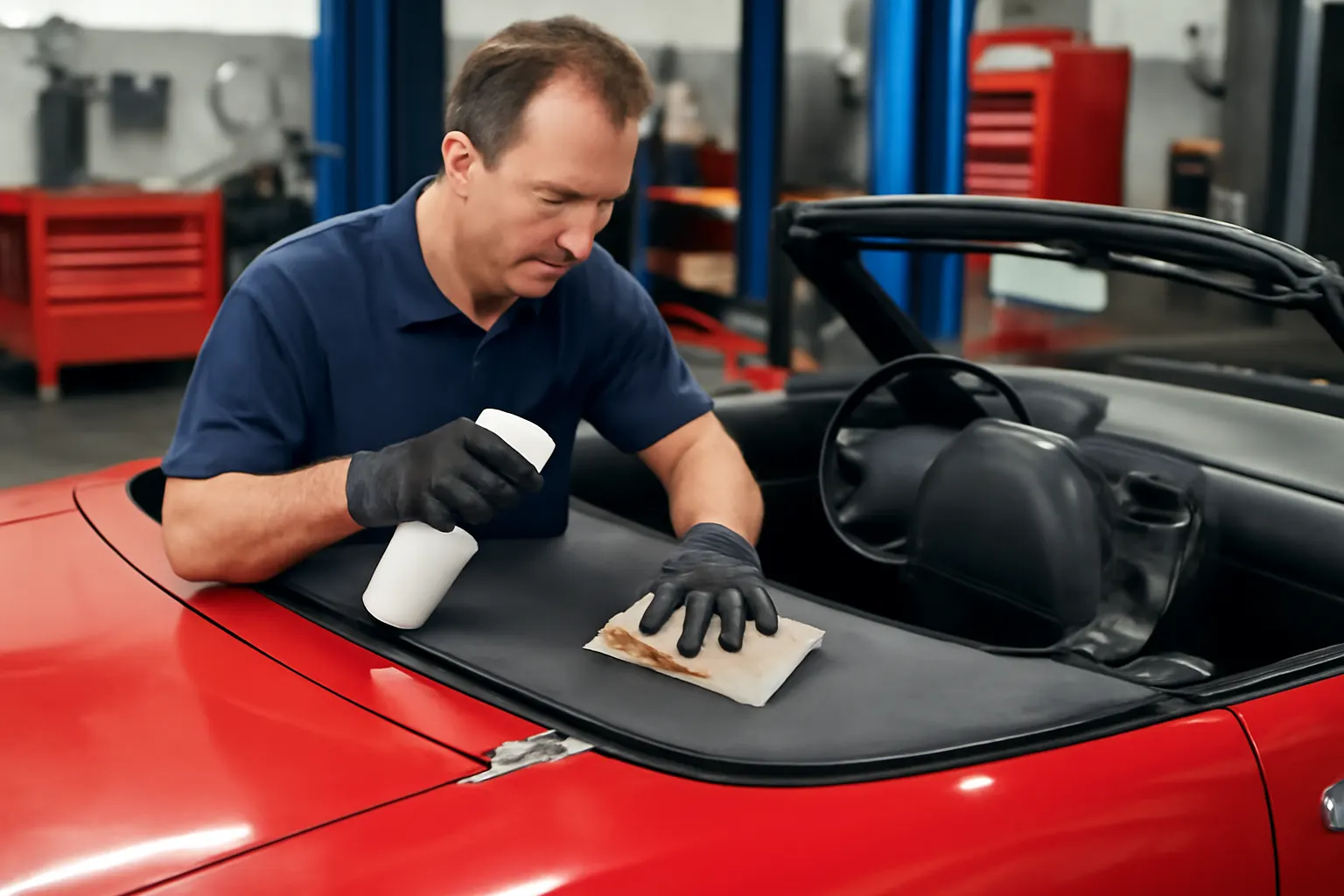
- Fabric Tops: Use a pH-neutral fabric cleaner and a soft brush. Rinse thoroughly and apply a water-repellent fabric guard.
- Vinyl Tops: Clean with a vinyl-safe solution and finish with a UV-blocking conditioner.
Avoiding Common Mistakes
- Never use dish soap or household cleaners; they strip protective coatings.
- Don’t store your convertible with a wet top—mildew can form quickly.
Advanced Materials
Newer convertibles use advanced polymers and composites for increased weather resistance and reduced weight (DOE Materials Technologies). If you’re restoring or upgrading, consider aftermarket tops with improved materials for longevity and protection.
Mechanical Linkage and Electronic Weatherproofing
Protecting Moving Parts
- Inspect top mechanism joints, pivots, and actuators for signs of rust or binding.
- Lubricate with dielectric grease or manufacturer-specified lubricants.
Waterproofing Electronics
- Ensure all wiring harnesses and connectors are sealed with automotive-grade weatherproofing tape or sleeves.
- Replace any corroded connectors immediately.
Diagnosing Water Leaks: A Systematic Approach
Step-by-Step Leak Diagnosis
- Inspect Seals: Start with visible weatherstripping around the top, doors, and windows.
- Check Drainage Channels: Convertibles often include hidden drains—ensure they are clear of debris.
- Test During Rain or Wash: Observe where water enters; use colored water for easier tracing.
- Interior Inspection: Look for damp carpets, musty odors, or fogged windows.
Common Leak Points
- Header rail (front edge of convertible top)
- Side windows and quarter glass
- Rear window seams
- Trunk and boot area
Preventing Mold, Mildew, and Odor
Moisture Control Checklist
- Promptly dry any wet interior surfaces
- Use moisture-absorbing packs during storage
- Regularly clean and air out the cabin
- Run the HVAC system periodically, even in storage, to circulate air
Cleaning Existing Mold
- Use an automotive-specific mildew remover on affected areas.
- Replace cabin air filters after cleaning.
- If odor persists, consult a professional detailing service.
Storage Strategies for All Seasons
Short-Term Parking
- Use a cockpit cover to shield interior from sudden rain or sun.
- Crack windows slightly if safe, to allow airflow.
Long-Term Storage
- Clean and dry the convertible top and interior thoroughly.
- Apply a protective conditioner to all seals and top surfaces.
- Use a breathable, custom-fit full car cover.
- Place moisture-absorbing packs inside.
- Disconnect the battery to avoid electronic drain.
Sourcing Weatherproofing Parts and Materials
Where to Buy
- OEM Dealerships: For factory-correct seals, covers, and hardware.
- Specialty Suppliers: Offer upgraded materials and custom-fit accessories.
- AutoPartEx: Browse our curated selection of convertible weatherproofing solutions, from top boots to advanced seal kits and climate system components.
What to Look For
- SAE or manufacturer certification for fit and material quality (SAE Standards)
- Clear compatibility with your make and model (e.g., Acura, AMC, Alfa)
- Warranty or satisfaction guarantee
Installation Guidance: DIY vs. Professional
DIY Tips
- Replacing seals, covers, and filters can often be done at home with basic tools and patience.
- Always clean mating surfaces thoroughly before installing new parts.
- Use the correct adhesives and lubricants as specified by the manufacturer.
When to Seek Professional Help
- If you discover structural rust or extensive electronic corrosion.
- For complex convertible top mechanism repairs or recalibration.
- When upgrading to advanced climate control components or aftermarket tops.
Maintenance: Keeping Your Convertible Weatherproof Year After Year
Routine Checklist
- Inspect seals and weatherstripping every 6 months
- Clean and condition the top monthly during convertible season
- Check HVAC operation and replace filters as needed
- Lubricate moving parts of the top mechanism annually
- Test for leaks after major weather events or washes
Special Considerations by Region
- Humid Climates: Extra attention to dehumidification and mold prevention.
- Dry, Sunny Regions: Prioritize UV protection and conditioning.
- Cold Climates: Ensure seals remain flexible and cover the vehicle during snow or ice.
Upgrading for Modern Performance: Materials, Technology, and Safety
Material Innovations
Modern convertibles benefit from lightweight, weather-resistant composites and advanced sealants (DOE Materials Technologies). These materials improve not only weatherproofing but also fuel efficiency and performance (DOE Fuel Efficiency).
Enhanced Safety
Proper weatherproofing isn’t just about comfort—it’s about safety. Water ingress can fog windows, short electronics, and even cause corrosion in safety-critical systems (NHTSA Equipment). Upgrading seals and covers is a proactive approach to avoiding these issues.
Integrating Weatherproofing Into Overall Convertible Care
Weatherproofing is just one part of convertible maintenance. Pair these strategies with regular boot care—see Convertible Top Boot Maintenance: Tips for Longevity—for comprehensive protection. When choosing replacement parts or accessories, consult our Choosing the Right Convertible Top Boot Material guide for material compatibility and performance details.
AutoPartEx: Your Partner in Convertible Protection
At AutoPartEx, we understand the unique demands of convertible ownership. Our curated selection of convertible top boots, weather seals, climate system components, and custom-fit covers ensures you have access to the highest-quality parts for every make and model. Whether you drive a classic AMC, a modern Acura, or an iconic Alfa, our technical experts are here to help you source, install, and maintain every part of your convertible’s weatherproofing system.
Explore our Convertible Top Boot category for foundational products, and connect with our technical support for advanced weatherproofing advice tailored to your vehicle and climate.