
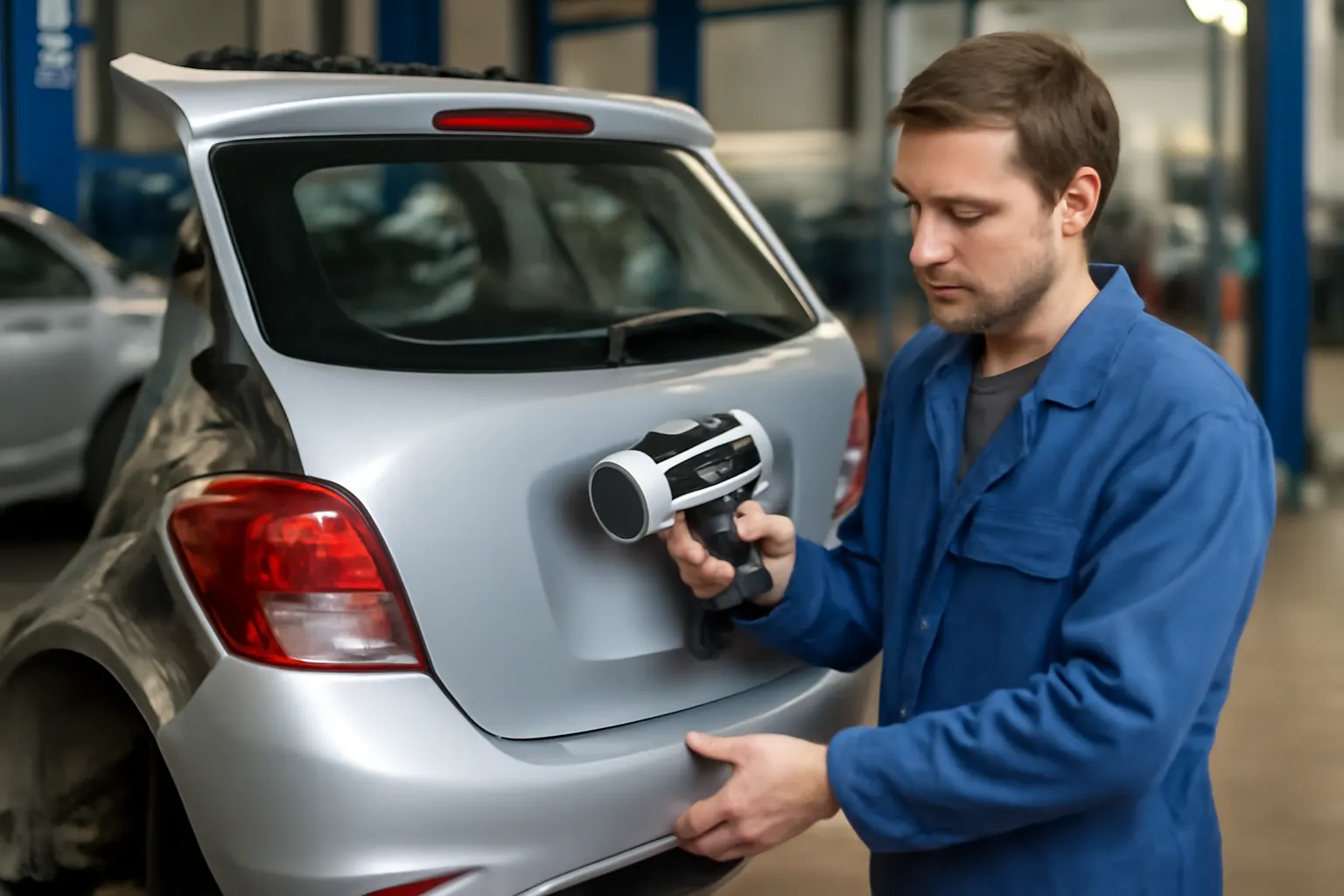
Color Matching Guide for Body Components
When replacing your back door or any body panel, achieving a seamless color match is essential for restoring your vehicle’s original appearance and value. This comprehensive AutoPartEx guide delivers expert-level insight and actionable steps for precise color matching—ensuring your new back door or other body components blend flawlessly with surrounding panels for an authentic OEM look.
Why Color Matching Matters Immediately
Replacing a trunk, hatch, or any exterior body panel isn’t just about restoring function—it’s about preserving your vehicle’s visual integrity and resale value. Even the highest-quality OEM or aftermarket panel will stand out if the color is mismatched, drawing unwanted attention and diminishing curb appeal. Professional color matching ensures the new component is indistinguishable from the factory finish, maintaining the cohesive look that automotive manufacturers work hard to perfect.
The Hidden Problem: Why It’s Harder Than It Looks
Many vehicle owners expect that ordering a panel with their paint code guarantees a perfect match. However, even with the correct code, several factors can cause noticeable color discrepancies:
- Paint Aging and Fading: Sun exposure, weather, and environmental contaminants alter paint color over time.
- Production Variations: Manufacturing tolerances mean two panels with the same code may differ slightly.
- Material Differences: Steel, aluminum, plastic, and composite panels reflect and absorb paint differently, affecting final appearance.
- Application Technique: Spray pressure, nozzle type, and drying conditions all influence the result.
These factors combine to make color matching a nuanced technical challenge, not a simple “paint-by-numbers” exercise.
Expanding the Problem: Technical Complexities in Modern Body Panels
Today’s vehicles use a blend of advanced materials and multi-layer paint systems. The United States Department of Energy highlights how modern body panels may be constructed from steel, aluminum, magnesium, or composites—each requiring tailored paint processes to achieve OEM-level results.1 Trunk doors and hatches often integrate plastic trim, glass, and weather stripping, further complicating the painting process.
Additionally, manufacturers employ complex paint systems:
- Primer: Enhances adhesion and corrosion resistance.
- Basecoat: Contains the actual color pigment.
- Midcoat: Used in tri-coat or pearl finishes for depth and effect.
- Clearcoat: Provides gloss and protection.
Matching these layers—especially with metallics, pearls, or matte finishes—demands precision and expertise.
Paint Code vs. Paint Match: Understanding the Difference
Your vehicle’s paint code is a critical starting point. This alphanumeric identifier, typically found on the driver’s door jamb or under the hood, specifies the original color formula used at the factory. However, relying on the code alone overlooks:
- Batch Variations: Paint mixed at different times may have subtle differences.
- Environmental Wear: Exposure to sunlight and chemicals causes fading, especially on horizontal surfaces like trunk lids.
- Adjacent Panel Influence: The perception of color is influenced by neighboring panels and lighting conditions.
Professional refinishers often use the paint code as a baseline, then make adjustments (“tinting”) to achieve a true match with the surrounding panels.
Diagnosing Color Match Issues: Checklist for Vehicle Owners
Before committing to a paint job or replacement, use this diagnostic checklist to assess your color matching needs:
Color Matching Diagnostic Checklist
- Locate your vehicle’s paint code (door jamb, hood, or owner’s manual).
- Inspect the existing paint for fading, oxidation, or discoloration.
- Note any previous repairs or repaints that could affect consistency.
- Identify the materials of the new panel (steel, aluminum, plastic, composite).
- Examine adjacent panels in direct sunlight and shade for variances.
- Take high-resolution photos for reference in different lighting.
- Consult with a professional refinisher for an initial assessment.
Addressing these points early helps avoid costly rework and ensures a smoother path to an OEM-quality finish.
The Role of Materials: Why Panel Composition Affects Color
The Materials Technologies initiative from the U.S. Department of Energy highlights how advanced body materials impact paint appearance and performance.1 For example:
- Steel Panels: Traditional and widely used; paints adhere and cure predictably.
- Aluminum: Requires special primers to prevent corrosion; reflects light differently, which can subtly alter perceived color.
- Plastics/Composites: Used for trim and some doors; may require flex additives and unique preparation for proper paint adhesion.
Because each material interacts with paint uniquely, a color that matches on steel may look off on plastic, even with identical paint formulas. Understanding your replacement panel’s composition is critical for accurate matching.
Professional Color Matching Techniques: How Experts Achieve Seamless Results
Experienced automotive refinishers use a combination of science and artistry to achieve flawless color matches. Key techniques include:
- Spectrophotometer Analysis: This device scans the vehicle’s paint and creates a digital color profile, accounting for fading and environmental effects.
- Spray-Out Cards: Technicians spray sample cards with the intended paint mix, then compare them against the car under various lighting conditions.
- Blending: Instead of painting just the new panel, the color is feathered (“blended”) into adjacent panels to mask any minor discrepancies.
- Tinting: Adjusting the paint formula in small increments to better align with the vehicle’s current color.
These steps are especially critical for complex finishes, such as metallics, pearls, or matte paints.
Step-by-Step Solution Path: Achieving a Factory-Quality Color Match
To ensure your new back door or body panel blends perfectly, follow this proven process:
1. Panel Selection and Preparation
- Choose OEM or high-quality aftermarket panels for best fit and paint adhesion.
- Inspect the replacement panel for material type and surface finish.
- Clean and degrease both the new panel and surrounding areas.
2. Paint Code Identification
- Locate the factory paint code and confirm it with your vehicle’s documentation.
- Provide the code to your refinisher or paint supplier.
3. Paint Mixing and Testing
- Request a custom-mixed batch tailored to your paint code.
- Have the shop create spray-out cards to compare with your vehicle in natural and artificial light.
- Adjust the formula as needed (tinting) to address fading or unique color shifts.
4. Panel Priming and Painting
- Apply the correct primer based on panel material (e.g., etching primer for aluminum).
- Use OEM-recommended basecoat, midcoat, and clearcoat systems.
- Employ professional-grade spray equipment for even application.
5. Blending and Finishing
- Blend the new paint into adjacent panels for a seamless transition.
- Allow proper curing and perform final polishing to match OEM gloss and texture.
6. Quality Inspection
- Inspect the finished panel under multiple lighting conditions.
- Check for color continuity, gloss, and texture alignment with original panels.
Common Pitfalls and How to Avoid Them
Even experienced DIYers and some professional shops can fall into these color matching traps:
- Skipping the Blending Step: Painting only the new panel can create a “patchwork” effect.
- Ignoring Material Prep: Failing to use the right primer or surface treatment leads to adhesion and color issues.
- Underestimating Environmental Impact: Indoor lighting can mask mismatches that become obvious in sunlight.
- Rushing the Curing Process: Insufficient curing can affect gloss and long-term durability.
Partnering with a shop that specializes in color matching and understands material-specific prep is the best way to avoid these issues.
Maintaining a Flawless Finish After Replacement
Once your new back door or body panel is expertly matched and installed, ongoing care is essential:
- Regular Washing: Remove contaminants that can dull or discolor the paint.
- Waxing and Sealing: Apply a high-quality wax or sealant to maintain gloss and protect against UV rays.
- Avoid Harsh Chemicals: Use pH-neutral car wash products to prevent damage to clearcoat and color layers.
- Prompt Repair of Chips/Scratches: Address minor damage quickly to prevent corrosion and further color mismatch.
Proper maintenance preserves your investment and keeps the color match looking fresh for years.
Sourcing Panels for Optimal Color Match
Selecting the right replacement panel is foundational to a successful color match. Here’s what to look for:
- OEM vs. Aftermarket: OEM panels generally offer the best material and fitment consistency, simplifying the color matching process.
- Pre-Primed Panels: Panels pre-treated with factory primer provide a uniform base for new paint.
- Certified Suppliers: Work with reputable suppliers like AutoPartEx that guarantee panel quality and compatibility.
For complex assemblies, consider sourcing related components—such as trunk latch assemblies, hinge assemblies, and weather stripping—to ensure all parts integrate seamlessly and support a clean, professional finish.
The Impact of Paint on Safety and Efficiency
Color matching isn’t just about aesthetics. According to the National Highway Traffic Safety Administration, proper panel replacement and finishing are critical for maintaining vehicle safety features, such as crumple zones and sensor calibration.2 Furthermore, the U.S. Department of Energy notes that paint type and application can influence vehicle aerodynamics and fuel efficiency, especially with modern clearcoat technologies.3
Ensuring that replacement panels are correctly painted and installed preserves not only your vehicle’s appearance but also its safety and performance.
When to Seek Professional Help
While some experienced DIYers may attempt color matching at home, most vehicle owners will achieve better results by partnering with a professional refinisher. Seek out a shop that:
- Specializes in your make and model.
- Uses spectrophotometer analysis and advanced blending techniques.
- Offers a warranty on paint work.
- Has positive reviews and a portfolio of successful color matches.
A skilled professional will save you time, money, and frustration—delivering an OEM-quality finish that stands up to scrutiny.
AutoPartEx: Your Partner for Flawless Panel Replacement
At AutoPartEx, we understand that a perfect color match is the hallmark of a quality repair. Our curated selection of back door and body panels ensures you start with the right foundation for a seamless finish. We work exclusively with certified suppliers and provide expert support at every step—from panel selection to installation guidance.
Explore our in-depth resources, such as Understanding Modern Back Door Features, and take advantage of Special Offers on Complete Door Assemblies for added value. For early access to deals and technical updates, don’t miss our VIP Access - Early Deal Notifications.
Conclusion: Achieve a Showroom-Quality Look with Pro-Level Color Matching
Replacing your back door or any major body component is a significant investment. By prioritizing expert color matching—from material prep to final blending—you ensure your vehicle retains its OEM appearance, structural integrity, and value. Use this guide as your roadmap, and trust AutoPartEx to supply the panels and expertise you need for professional, lasting results.
References
- Vehicle Safety and Equipment - National Highway Traffic Safety Administration
- Materials Technologies - United States Department of Energy
- Fuel Efficiency - United States Department of Energy