
Classic Amc Fitment Tips
Sourcing the right parts for a classic AMC Concord or similar vintage AMC vehicle isn’t just about finding what’s available—it’s about verifying true fitment for your engine, transmission, suspension, and trim. AMC’s unique engineering choices, year-to-year running changes, and parts interchangeability quirks mean that even “universal” or model-labeled parts may not fit as expected. If you’re restoring, maintaining, or upgrading a Concord, this guide will help you navigate the nuances of fitment and compatibility, ensuring your classic AMC performs as intended.
For a broader look at AMC Concord-specific parts and resources, see our AMC Concord Auto Parts & Maintenance Resource hub.
Immediate Answer: How to Ensure Classic AMC Part Fitment
To ensure correct-fit parts for your AMC Concord:
- Verify VIN and model year details—small changes between years can affect compatibility.
- Reference original AMC part numbers whenever possible.
- Cross-check with trusted fitment charts and reputable suppliers specializing in AMC.
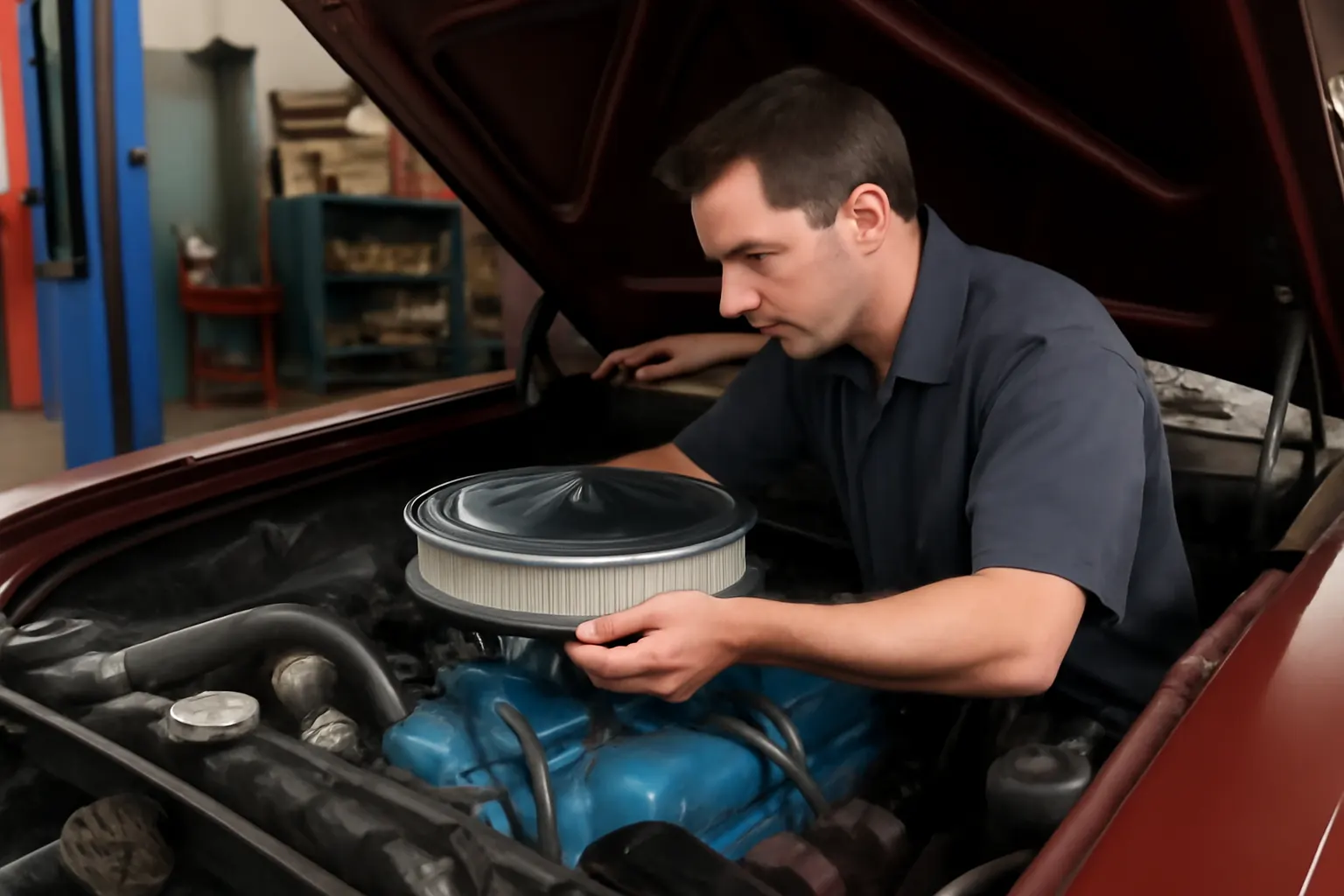
- Physically compare old and new parts before installation.
- Consult technical resources and expert forums for model-specific quirks.
This approach minimizes costly returns, rework, and potential safety risks. Now, let’s dig into why AMC fitment can be so challenging.
The Hidden Problem: AMC Fitment Isn’t as Straightforward as It Seems
Classic AMC vehicles, especially the Concord, are notorious for subtle year-to-year and even mid-year engineering changes. While many aftermarket suppliers advertise “fits AMC Concord 1978–1983,” these broad claims often gloss over critical differences in mounting points, electrical connectors, or internal dimensions. Engine and transmission combinations, trim packages, and factory options further complicate the landscape.
Common pitfalls include:
- Engine mounts that don’t align due to changes in block casting.
- Transmission crossmembers with different bolt patterns.
- Trim pieces that appear identical but have different attachment clips.
- Suspension components with varying bushing sizes or geometry.
Even experienced mechanics can be tripped up by AMC’s parts bin approach and limited documentation in some areas. This complexity makes a methodical sourcing and verification process essential.
Why AMC Fitment Is Uniquely Complicated
Engineering Evolution and Parts Sharing
AMC’s survival strategy involved maximizing the use of shared components across its model range. The Concord, for example, shares suspension, drivetrain, and body components with the Spirit, Eagle, and even earlier Hornet models. However, AMC frequently altered designs mid-production, introducing new materials or slightly revising mounting points to accommodate regulatory changes or cost savings.
Running Changes and Limited Documentation
Unlike GM or Ford, AMC’s documentation of running changes was sometimes inconsistent. A part listed for a 1979 Concord might fit only early or late production vehicles. Aftermarket catalogs may not capture these differences, especially for less common engine or trim combinations.
Interchangeability Myths
The AMC enthusiast community often discusses “parts swapping” between models. While some mechanical components are indeed interchangeable, assuming this is always the case leads to fitment headaches. Even within the same model year, trim and performance packages (DL, Limited, base) can introduce unique parts.
Step 1: Decode Your AMC Concord’s Identity
Before ordering any part, decode your vehicle’s identity with these key details:
- VIN (Vehicle Identification Number): Reveals model year, engine type, assembly plant, and production sequence.
- Trim level and option codes: Often found on fender tags or build sheets.
- Engine and transmission codes: Stamped on the block or transmission case.
- Build date: Early- or late-year vehicles may have different components.
Checklist: AMC Concord Identification
| Detail | Where to Find It | Why It Matters |
|---|---|---|
| VIN | Dashboard, driver’s door jamb | Confirms year, engine, plant |
| Engine code | Block stamping, valve cover tag | Ensures correct engine-specific parts |
| Trim/Option | Fender tag, build sheet | Affects interior, trim, electrical |
| Build date | Door tag, VIN decode | Early/late changes in components |
Gathering this information is the first step to avoiding misorders and ensuring precise fitment.
Step 2: Understand AMC Part Numbering and Cross-Referencing
AMC’s original part numbers are your best defense against fitment errors. Many aftermarket parts use cross-referenced numbers, but these can be generic.
- Original AMC part numbers can often be found in factory service manuals, parts catalogs, or enthusiast resources.
- Cross-reference guides from reputable suppliers help match AMC numbers to modern equivalents.
- When possible, compare NOS (new old stock) or OEM parts with your originals for physical confirmation.
Tip: Keep a log or spreadsheet of the part numbers for each component as you restore or maintain your Concord. This will speed up future sourcing and troubleshooting.
Step 3: Engine and Transmission Fitment Nuances
Engine Fitment
AMC offered several engines in the Concord, including the 2.5L I4, 3.8L and 4.2L I6, and 5.0L V8 (rare). Each engine family has unique mounts, accessory brackets, and sometimes different wiring connectors. Even within the same displacement, casting changes can affect accessory fitment.
Key engine fitment checks:
- Mount location and style (especially for I6 vs. V8)
- Accessory drive (alternator, power steering, A/C bracket differences)
- Exhaust manifold bolt patterns and downpipe routing
- Sensor and emissions equipment connections
Transmission Fitment
AMC used both automatic (Torque Command, Chrysler A904/A998) and manual transmissions. Input shaft length, bellhousing patterns, and shifter linkage may vary by year and engine.
Transmission fitment checklist:
- Bellhousing bolt pattern (I6 vs. V8)
- Driveshaft yoke size and length
- Shifter linkage type and length
- Crossmember mounting holes and isolator style
Whenever possible, compare the replacement part to your original before installation.
Step 4: Suspension and Brake Compatibility
The Concord’s suspension and brake systems evolved over its production run. While many front-end components interchange with the Spirit and Eagle, there are critical differences in control arm length, bushing size, and spindle design.
Suspension fitment considerations:
- Control arm and bushing sizes (early vs. late models)
- Ball joint taper and stud diameter
- Sway bar thickness and mounting hardware
- Rear leaf spring length and eyelet style
Brake system fitment tips:
- Master cylinder bore diameter (manual vs. power brakes)
- Front rotor diameter and thickness
- Caliper mounting bracket design
- Rear drum size and backing plate bolt pattern
For more on suspension specifics, visit our Amc Concord Suspension Guide.
Step 5: Body, Trim, and Interior Part Fitment
AMC Concord trim and body parts are particularly vulnerable to fitment mistakes because of mid-year running changes and option package differences.
Key areas of concern:
- Exterior trim clips and stud locations (varies by year and trim level)
- Door weatherstripping and window channel guides
- Grille and headlight bezel mounting (DL vs. base models)
- Dashboard layout and gauge cluster openings
Interior color codes and materials also changed frequently. Always check original color codes and, if possible, source interior parts from the same year and trim.
Step 6: Electrical and Lighting Compatibility
Electrical system changes in classic AMCs can be subtle but critical. Connector styles, wire colors, and even fuse box layouts can change between years or trim levels.
Electrical fitment checklist:
- Headlight and taillight connector styles
- Turn signal and hazard switch compatibility
- Gauge cluster wiring harness pinout
- Fuse box and relay mounting
When sourcing electrical parts, look for diagrams or photos of the connector and wire layout to confirm compatibility.
Step 7: Materials, Technology, and Safety Considerations
Modern replacement parts may use updated materials or manufacturing processes. While this can improve durability or performance, it can also create subtle fitment issues, especially with bushings, seals, or trim pieces.
Materials technology tips:
- Polyurethane bushings may require different hardware than original rubber.
- Modern plastic trim can have different expansion rates, affecting fit.
- Updated brake pad compounds may require bedding-in procedures not specified in original manuals.
Always review manufacturer installation notes and compare physical dimensions before final installation. For more on automotive materials, see the Department of Energy’s Materials Technologies resource.
Step 8: Diagnosing and Resolving Fitment Issues
Even with careful research, fitment surprises happen. Here’s how to diagnose and resolve them:
- Mock up the new part before full installation. Check all mounting points and clearances.
- Compare side-by-side with the original part for any dimensional or connector differences.
- Check for hidden changes (e.g., a slightly different bolt thread pitch or electrical connector).
- Consult AMC forums, restoration guides, and expert suppliers for known issues or workarounds.
- If in doubt, avoid modification until you’ve confirmed the part truly cannot be made to fit safely or correctly.
Step 9: Sourcing Parts—OEM, NOS, and Aftermarket
Where you source your AMC Concord parts matters. Here’s how to approach the options:
- OEM (Original Equipment Manufacturer): Best for guaranteed fit, but often scarce and costly.
- NOS (New Old Stock): Genuine AMC parts made during original production, but may have age-related wear or degradation.
- Aftermarket: Widely available, but quality and fitment vary. Stick to suppliers with AMC expertise and robust return policies.
For a detailed breakdown, see our Oem Vs Aftermarket Amc Concord guide.
Tip: When using aftermarket parts, check for reviews or forum threads specific to AMC Concord fitment before ordering.
Step 10: Maintenance and Periodic Fitment Checks
Classic AMCs can develop fitment issues over time due to chassis settling, previous repairs, or modifications. It’s wise to periodically check:
- Suspension and drivetrain mounting points for elongation or damage.
- Body and trim attachment points for rust or fatigue.
- Electrical connections for corrosion or loose pins.
This proactive approach can prevent future fitment headaches and keep your Concord reliable and safe.
Step 11: AMC Concord Restoration Checklist
A methodical restoration process minimizes fitment surprises. Use this checklist:
AMC Concord Fitment & Restoration Checklist
- Decode VIN, engine, and trim codes
- Photograph and document original parts before removal
- Source factory service manuals and parts catalogs
- Cross-reference part numbers before ordering
- Physically compare new and old parts before installation
- Test-fit body and trim panels prior to painting
- Verify electrical connectors and harness pinouts
- Check for any running changes noted in AMC literature
- Consult expert forums or suppliers for hard-to-find parts
- Log all parts and modifications for future reference
For a more detailed restoration process, refer to our Concord Restoration Checklist.
Step 12: Safety, Fuel Efficiency, and Regulatory Fitment
Proper fitment isn’t just about aesthetics or reliability—it directly impacts safety and efficiency. For example:
- Incorrect brake or suspension part fitment can degrade handling or increase stopping distances, violating safety standards (NHTSA Equipment).
- Fuel system or engine part mismatches can reduce efficiency and increase emissions (DOE Fuel Efficiency).
- Electrical misfit can lead to shorts or fire hazards.
Always prioritize safety-critical components and verify fitment rigorously.
Step 13: When to Consult an AMC Specialist
Some fitment issues—especially with rare trim packages or heavily modified vehicles—are best addressed by experts. Seek out:
- AMC restoration shops with Concord experience
- Reputable AMC parts suppliers with technical support
- Enthusiast forums with detailed fitment guides
Professional help can save time, money, and frustration, especially when tackling complex or safety-related repairs.
Step 14: AutoPartEx—Your Partner in AMC Fitment Success
At AutoPartEx, we specialize in helping classic AMC owners navigate the fitment maze. Our curated catalogs, technical guides, and expert support staff are dedicated to ensuring you get the right part, the first time. Whether you’re tackling a full restoration or routine maintenance, turn to our AMC Concord Auto Parts & Maintenance Resource for the latest fitment data, troubleshooting tips, and community support.
Conclusion: Mastering AMC Fitment for a Reliable, Authentic Concord
Classic AMC vehicles reward careful research and attention to detail. By decoding your Concord’s identity, cross-referencing part numbers, and leveraging trusted resources, you’ll avoid the most common fitment pitfalls. Remember: never assume “universal” means correct, and always verify before you buy and install.
For more AMC fitment insights, explore our related guides and checklists linked throughout this article. With the right strategy and expert support, your Concord will deliver the performance, safety, and authenticity that make classic AMCs so rewarding.