Identifying Genuine Austin Mini Parts: Stamps & Batch Codes Explained
Genuine Austin Mini parts maintain the legendary performance, safety, and value of these classic cars. The fastest way to verify authenticity is to check for proper manufacturer stamps, batch codes, and packaging details—often overlooked but critical for restoration, reliability, and even resale. This guide delivers a comprehensive, practical approach to identifying real Austin Mini components, from visual inspection to technical decoding, with a focus on the markings and documentation that separate genuine parts from aftermarket or counterfeit alternatives.
If you’re sourcing, restoring, or maintaining a classic Mini, understanding these authenticity cues is essential. For a curated selection of trusted, model-specific parts, visit our Austin Mini Auto Parts: Authentic Components, Heritage Engineering & Expert Fitment | AutoPartEx page.
Why Authenticity Matters for Austin Mini Parts
The Austin Mini’s enduring appeal is rooted in its unique engineering and heritage. Authentic parts are not just about aesthetics—they’re fundamental to performance, safety, and long-term value. Genuine components are manufactured to original specifications, using materials and tolerances that meet or exceed historical and modern standards. Relying on verified parts ensures compatibility, preserves the car’s character, and upholds critical safety guidelines as outlined by organizations like the National Highway Traffic Safety Administration (NHTSA).
The Hidden Problem: Proliferation of Counterfeit and Aftermarket Parts
Classic Minis have become targets for counterfeiters and low-quality aftermarket suppliers. These spurious parts often lack proper markings, fail to meet safety or material standards, and can compromise both functionality and collector value. Even experienced enthusiasts can struggle to distinguish between genuine and imitation parts, especially as counterfeiters become more sophisticated in replicating external appearances.
Understanding Manufacturer Stamps: The First Line of Defense
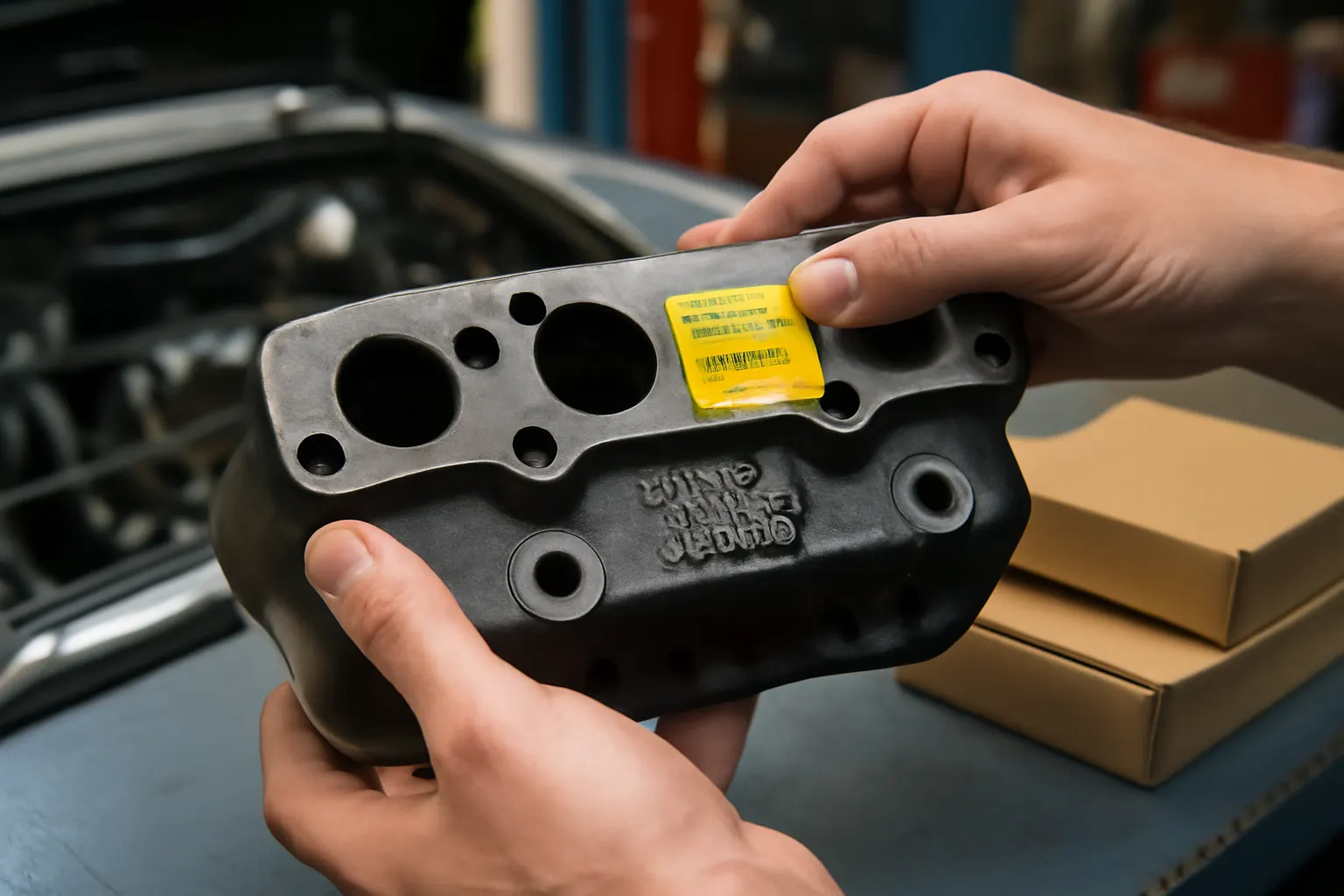
Manufacturer stamps are the most immediate indicator of authenticity. Original Austin Mini parts—whether mechanical, electrical, or body components—typically carry a stamped logo, part number, or both. These stamps are often found in discreet but consistent locations and are applied using specific methods (e.g., die-stamping, casting, or ink marking).
What to Look For
- Factory Logos: Look for period-correct logos such as “Austin,” “Morris,” or “BMC” (British Motor Corporation), depending on the era of your Mini.
- Part Numbers: Genuine parts will have a clear, consistent part number that matches factory documentation.
- Stamping Method: Assess the depth, font, and alignment. Genuine stamps are uniform and robust; counterfeit markings may be shallow, irregular, or incorrectly placed.
Decoding Batch Codes: Tracing Origin and Production Date
Batch codes are alphanumeric identifiers that provide traceability for quality control and recalls. For Austin Minis, batch codes are typically found alongside or near the manufacturer stamp, especially on safety-critical parts such as suspension components, brake assemblies, and electrical modules.
How to Read Batch Codes
- Format: Batch codes may include date stamps (YYMMDD), plant codes, or inspector marks.
- Consistency: Codes should match the format used during the period of manufacture. For example, a 1960s Mini part will not have a modern dot-matrix code.
- Location: Consult factory parts diagrams or service manuals to confirm the expected location of batch codes.
Packaging and Documentation: The Overlooked Evidence
Authentic Austin Mini parts are often supplied in branded packaging with corresponding documentation. This includes:
- Branded Boxes or Wrapping: Look for period-correct branding, logos, and color schemes.
- Instruction Sheets: Genuine parts may include fitting instructions or warranty cards, often with matching part numbers and batch codes.
- Holograms or Security Features: Some later genuine parts (especially post-1980s) feature holographic stickers or tamper-evident seals.
Checklist: Authentic Packaging and Documentation
- Is the packaging consistent with the era and original manufacturer?
- Are all part numbers and batch codes on the box, paperwork, and part itself consistent?
- Is there an official instruction sheet or warranty card?
- Are there any holograms, security stickers, or tamper-evident seals?
Common Areas Where Stamps and Codes Are Located
Knowing where to look is half the battle. Here’s a breakdown of typical locations for stamps and batch codes on key Austin Mini components:
| Component | Typical Location of Stamp/Code |
|---|---|
| Engine Block | Near engine mounting flange or side plate |
| Gearbox | Top casing or clutch housing |
| Suspension Arms | Inside face or near mounting points |
| Brake Drums/Discs | Rim edge or rear face |
| Electrical Modules | On casing, under protective cap |
| Body Panels | Flange edges, inside seams |
| Fuel Pumps | Mounting flange or body |
If you’re working on a major restoration, our Austin Mini Suspension Rebuild Guide and Classic Car Electrical Restoration: Austin Mini Focus provide detailed component-specific tips.
The Technical Side: Standards, Materials, and Testing
Genuine Austin Mini parts are manufactured to stringent engineering standards. Organizations like SAE International define protocols for material quality, testing, and marking that reputable suppliers follow.
Engineering and Material Standards
- Metallurgy: Authentic parts use period-correct alloys and treatments for strength and corrosion resistance.
- Tolerances: Factory parts are made to precise dimensions, ensuring proper fitment and function.
- Testing: Genuine components undergo batch testing for durability, performance, and safety.
Counterfeit or substandard parts often skip these steps, leading to premature failure, safety hazards, or poor performance.
The Impact of Non-Genuine Parts on Safety and Value
Using non-genuine or poorly documented parts can have serious consequences:
- Safety Risks: Inferior materials or incorrect tolerances can cause brake failure, electrical shorts, or suspension collapse. The NHTSA maintains that replacement parts must meet or exceed original equipment standards.
- Performance Loss: Even small deviations in material or design can reduce fuel efficiency, handling, and engine reliability.
- Resale Impact: Collectors and buyers often require documentation of authenticity; unmarked or questionable parts can significantly reduce a Mini’s value.
Diagnostic Steps: How to Verify Part Authenticity
Follow this step-by-step process when inspecting Austin Mini parts, whether sourced as new old stock (NOS), remanufactured, or as part of a restoration project.
Step 1: Visual Inspection
- Examine the part for clear, consistent manufacturer stamps and batch codes.
- Compare the font, size, and placement with known authentic examples.
- Check for signs of tampering, over-stamping, or grinding (common in counterfeit parts).
Step 2: Cross-Reference Documentation
- Use factory parts books, service manuals, or official online databases to verify part numbers and batch code formats.
- Confirm that packaging and documentation match the part.
Step 3: Consult Trusted Suppliers
- Source parts from established, reputable suppliers who guarantee authenticity.
- Request documentation or certificates of authenticity when possible.
Step 4: Seek Expert Verification
- For high-value or safety-critical components, consider third-party authentication or laboratory material analysis.
Sourcing Genuine Austin Mini Parts: Practical Guidance
Finding authentic Austin Mini parts requires diligence and a discerning eye. Here’s how to minimize risk and maximize authenticity:
Where to Source
- Authorized Dealers: Seek out suppliers with direct ties to original manufacturers or recognized classic Mini specialists.
- Reputable Online Vendors: Choose sellers with strong reputations, transparent return policies, and clear part documentation.
- Classic Car Shows and Clubs: Networking with experienced owners can lead to trusted sources and valuable advice.
Red Flags to Avoid
- Unmarked Parts: Absence of any stamps, batch codes, or documentation is a warning sign.
- Suspiciously Low Prices: Genuine parts command a premium—if the price seems too good to be true, it probably is.
- Generic Packaging: Plain boxes or mismatched branding often indicate aftermarket or counterfeit origins.
Maintaining Authenticity During Restoration
Restoring an Austin Mini to its original glory requires more than just sourcing the right parts—it demands careful documentation and record-keeping.
Best Practices
- Photograph All Markings: Before installation, photograph stamps, batch codes, and packaging for future reference.
- Keep Documentation: Retain all receipts, certificates, and instruction sheets.
- Log Part Numbers: Maintain a restoration log with part numbers, sources, and installation dates.
This meticulous approach not only supports future maintenance but also substantiates authenticity for resale or concours judging.
Fitment and Installation: Ensuring Proper Performance
Even genuine parts must be installed correctly to deliver expected performance and safety. Here’s what to consider:
Pre-Installation Checks
- Match Part Numbers: Double-check that the part number and batch code match your Mini’s year, model, and specification.
- Inspect for Damage: Genuine parts can still suffer from age-related wear or damage—inspect before fitting.
- Dry Fit: Test-fit critical components (especially suspension and electrical) before final installation.
Installation Tips
- Follow factory torque specs and assembly procedures.
- Use recommended lubricants or sealants as specified in original documentation.
- After installation, verify operation and check for leaks, noises, or alignment issues.
For deeper technical guidance, see our Mini suspension systems and classic OEM electrical pages.
Documenting Authenticity for Resale and Insurance
Authenticity is a major factor in classic Mini valuation and insurability. Here’s how to compile a robust authenticity dossier:
- Photographic Evidence: Clear images of all stamps, batch codes, and packaging.
- Receipts and Invoices: Proof of purchase from reputable suppliers.
- Expert Reports: Where possible, include assessments from recognized Mini specialists or clubs.
- Restoration Log: A detailed record of all parts sourced, installed, and maintained.
This documentation will support higher resale values and may be required by insurers for agreed-value policies.
The Role of Recalls and Safety Bulletins
Occasionally, genuine parts are subject to recalls or technical bulletins. Always check the NHTSA Recalls Database for your Mini’s year and model, especially when sourcing NOS or remanufactured parts. Batch codes are essential for identifying affected components and ensuring your vehicle’s safety.
The Evolution of Austin Mini Materials and Markings
As manufacturing and materials technology advanced, so did the methods for marking and tracking genuine parts. Early Minis featured hand-stamped or cast-in part numbers, while later models adopted ink-jet marking, holograms, and even QR codes for traceability.
For a deeper dive into how Austin Mini parts materials and markings have evolved, see Austin Mini: From Heritage to Modern Materials.
AutoPartEx: Your Partner in Authentic Austin Mini Restoration
At AutoPartEx, we specialize in helping enthusiasts, restorers, and collectors source, verify, and install genuine Austin Mini parts. Our curated inventory is backed by rigorous documentation, technical support, and direct access to heritage suppliers. Whether you’re chasing concours authenticity or daily-driver reliability, our expertise ensures your Mini’s legacy endures.
For a full selection of model-specific, documented components, visit Austin Mini Auto Parts: Authentic Components, Heritage Engineering & Expert Fitment | AutoPartEx.