
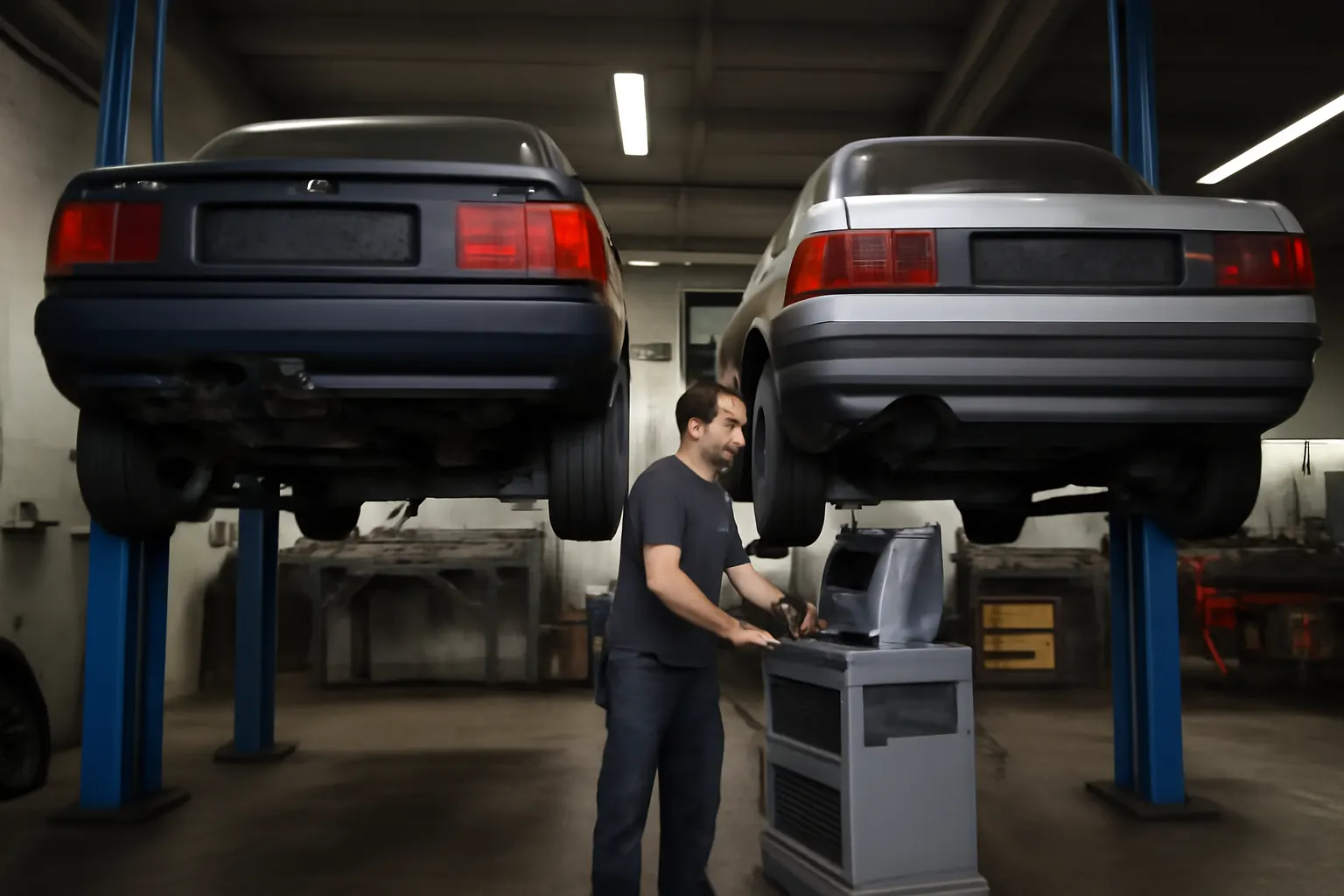
Audi 80 Quattro Vs Fwd
For Audi 80 owners, enthusiasts, and anyone sourcing parts or planning maintenance, the choice between Audi 80 Quattro (AWD) and front-wheel drive (FWD) models is far more than a badge or a marketing distinction. The drivetrain you select or maintain determines everything from handling and safety to parts compatibility, fuel economy, and long-term service costs. This guide delivers a comprehensive, technical, and practical breakdown of the real-world differences between the Audi 80 Quattro and FWD variants—so you can make informed decisions about maintenance, fitment, and parts sourcing. If you’re seeking detailed information on the broader range of Audi 80 models, the Audi 80 Series Auto Parts: Comprehensive Guide to Maintenance, Fitment, and Sourcing page is your essential starting point.
Immediate Answer: Quattro vs FWD—What You Need to Know
The Audi 80 FWD and Quattro models diverge in fundamental ways. The Quattro features a permanent all-wheel-drive system, distributing power to all four wheels via a center differential and a more complex rear driveline. The FWD version, by contrast, sends power exclusively to the front wheels through a simpler transaxle. This core difference impacts everything from driving dynamics and safety to maintenance complexity and the specific auto parts required for repairs or upgrades.
Key takeaways:
- Quattro: Superior traction and handling in adverse conditions; more complex drivetrain; higher maintenance demands.
- FWD: Lighter, more fuel-efficient, less complex; lower maintenance costs; simpler parts sourcing.
The Hidden Problem: Overlooked Drivetrain Differences Can Sabotage Maintenance and Parts Sourcing
Many Audi 80 owners and even some repair professionals underestimate the significance of drivetrain-specific components. Attempting to interchange parts between Quattro and FWD models often leads to fitment issues, premature wear, or compromised safety. Drivetrain-specific maintenance schedules and procedures are also frequently overlooked, resulting in unexpected breakdowns or degraded performance.
Common pitfalls include:
- Ordering suspension, brake, or transmission parts without confirming drivetrain compatibility.
- Applying FWD service intervals to Quattro models (or vice versa), leading to missed critical checks.
- Ignoring unique diagnostic steps for AWD systems.
Drivetrain Architecture: Quattro vs FWD—A Technical Breakdown
Quattro System Overview
The hallmark of the Audi 80 Quattro is its permanent all-wheel-drive system. Power from the engine is routed through a longitudinally mounted gearbox, into a center differential, and then distributed to both front and rear axles. The rear driveline includes a propeller shaft, rear differential, and independent rear suspension. This system improves stability and traction, especially in wet or slippery conditions.
FWD System Overview
The FWD Audi 80 utilizes a more conventional transaxle layout, with the engine mounted longitudinally but power delivered solely to the front wheels. The absence of a rear differential and propeller shaft reduces weight and mechanical complexity, resulting in a lighter, more fuel-efficient vehicle.
Key Technical Differences Table
| Component | Audi 80 Quattro (AWD) | Audi 80 FWD |
|---|---|---|
| Drivetrain Layout | Longitudinal, AWD, center diff | Longitudinal, FWD |
| Rear Axle | Independent, rear diff & shafts | Torsion beam, no rear diff |
| Transmission | AWD-specific gearbox | FWD-specific gearbox |
| Suspension | Quattro-specific rear setup | Simpler rear torsion beam |
| Weight | Heavier (by ~80-100kg) | Lighter |
| Fuel Economy | Generally lower | Generally higher |
Fuel Efficiency and Performance: Real-World Impacts
Fuel Economy
According to the U.S. Department of Energy, AWD systems inherently add mechanical drag and weight, which generally results in lower fuel economy compared to FWD models. For the Audi 80, expect the Quattro to consume approximately 1–2 liters more per 100km (or lose 2–3 mpg) compared to its FWD sibling, depending on driving conditions and engine choice.
Performance and Handling
- Quattro: Superior grip during acceleration, cornering, and in poor weather. The system’s ability to transfer torque between axles means more predictable handling at the limits.
- FWD: Lighter front end can translate to more nimble steering response and marginally better fuel efficiency. However, traction is limited in low-grip conditions, and torque steer can be more pronounced in higher-output engines.
Safety and Stability: How Drivetrain Influences Control
Quattro Safety Advantages
The Quattro system provides significant safety benefits, especially in rain, snow, or on loose surfaces. By distributing power to all four wheels, the system maintains traction where FWD might struggle. This can reduce the risk of losing control during emergency maneuvers, as noted in NHTSA equipment safety guidelines.
FWD Safety Considerations
FWD models are inherently stable under most conditions and tend to understeer, which is generally more predictable and recoverable for average drivers. However, they lack the all-weather confidence of Quattro-equipped models, especially on steep inclines or icy roads.
Braking and ABS
Both variants utilize advanced ABS systems, but the Quattro’s weight distribution and rear driveline can affect braking dynamics. Always source ABS sensors and brake components specific to your drivetrain.
Suspension, Brakes, and Chassis: Parts That Don’t Interchange
Quattro-Specific Components
- Rear Suspension: Independent setup with driveshafts and a rear differential. Rear wheel bearings, hubs, and bushings are unique to the Quattro.
- Brake System: Often features larger rear discs and calipers to accommodate AWD’s higher performance potential.
- Driveshafts and Axles: Both front and rear axles are Quattro-specific. Even front axles differ in length and spline count.
FWD-Specific Components
- Rear Suspension: Torsion beam axle—simpler, lighter, and with different mounting points.
- Brake System: Rear drums or smaller discs, depending on trim.
- Driveshafts: Only front axles, different lengths and CV joint types than Quattro.
Critical Note: Attempting to fit Quattro suspension or brake parts to an FWD car (or vice versa) will result in incompatibility and potential safety issues.
Transmission and Differential: Service and Sourcing
Quattro Gearbox and Differential
The Quattro uses a unique gearbox with an integrated center differential. Maintenance requires specialized fluids and more frequent inspection of seals, boots, and the propeller shaft. Rear differential mounts and bushings are also wear points.
FWD Transmission
The FWD transmission is simpler, lighter, and generally less expensive to service. It lacks a center or rear differential, reducing the number of potential failure points.
Parts Sourcing Guidance
- Gearbox: Always confirm the transmission code and drivetrain before ordering replacement or rebuild kits.
- Differential: Only Quattro models require rear diff parts—do not attempt to retrofit or interchange.
Maintenance Schedules: Drivetrain-Specific Intervals and Procedures
Quattro Maintenance Checklist
- Inspect and replace rear differential fluid every 40,000–60,000 miles.
- Check center driveshaft carrier bearing and CV joints for wear or leaks.
- Monitor rear suspension bushings for play, especially on high-mileage cars.
- Replace propeller shaft flex joints as needed.
FWD Maintenance Checklist
- Inspect front CV joints and boots regularly.
- Service transaxle fluid per manufacturer schedule.
- Check rear axle bushings and torsion beam mounts.
Both variants require regular timing belt replacement (see Audi 80 Timing Belt Replacement), but Quattro models often demand more frequent inspection of underbody components due to increased drivetrain complexity.
Diagnosing Drivetrain Issues: Practical Troubleshooting
Common Quattro Faults
- Driveline Vibration: Often traced to worn propeller shaft joints or carrier bearing.
- Rear Differential Noise: May indicate low fluid, worn bearings, or damaged gears.
- Binding in Turns: Suggests center differential issues or mismatched tire sizes.
Common FWD Faults
- CV Joint Clicks: Clicking or popping in turns signals worn outer CV joints.
- Torque Steer: Excessive pull under acceleration may be due to worn engine mounts or unequal driveshaft lengths.
Diagnostic Checklist
| Symptom | Likely Cause (Quattro) | Likely Cause (FWD) |
|---|---|---|
| Vibration at speed | Prop shaft, rear diff, wheels | CV joints, wheels |
| Driveline clunk | Rear diff mounts, bushings | Engine/trans mounts |
| Noisy cornering | CV joints, diff, wheel brg. | CV joints, wheel brg. |
Fitment and Sourcing: How to Avoid Costly Mistakes
Sourcing Checklist
- VIN Verification: Always use the full VIN to confirm model and drivetrain before ordering parts.
- Part Number Cross-Check: Original Equipment Manufacturer (OEM) part numbers often differ between Quattro and FWD—never assume interchangeability.
- Supplier Knowledge: Use suppliers who specialize in Audi parts and can verify fitment by VIN and model code.
Common Sourcing Mistakes
- Ordering FWD suspension arms for a Quattro (mounting points and geometry differ).
- Purchasing universal driveshafts—Quattro shafts are longer and have unique splines.
- Using FWD brake rotors or pads on Quattro models (and vice versa).
Reliable Sourcing Resources
AutoPartEx and other specialist suppliers maintain detailed catalogs to ensure correct fitment for both Quattro and FWD Audi 80s. Always consult model-specific guides and confirm with your supplier before purchase.
Upgrade Paths: Performance and Practicality
Quattro Upgrades
- Suspension: Upgrading bushings and dampers on Quattro models can significantly improve handling, but must be Quattro-specific.
- Brakes: Larger brake kits are available but require compatible hubs and calipers.
- Driveline: Reinforced prop shafts and upgraded differentials are popular for performance builds.
FWD Upgrades
- Weight Reduction: Simpler rear suspension allows for lighter builds.
- Transmission: Upgrading to a limited-slip differential can improve traction.
- Brakes: FWD models can often accept larger front brake kits from higher-spec trims.
Note: Always ensure any performance or aftermarket upgrade is compatible with your specific drivetrain.
Body, Structure, and Materials: Impact on Service and Longevity
Chassis and Underbody
The Quattro’s additional underbody hardware (prop shaft tunnel, rear subframe) means rust protection and inspection are even more critical. The Department of Energy’s materials technologies highlight the importance of corrosion-resistant coatings and regular underbody cleaning, especially in climates where road salt is used.
Weight and Balance
The added weight of the Quattro system shifts the car’s balance closer to 50/50, improving stability but increasing wear on suspension and brake components. FWD models, being lighter, may experience less wear but have a more front-heavy bias.
Recalls, Safety Notices, and Regulatory Compliance
Both Audi 80 Quattro and FWD models are subject to recalls and safety notices, but some are drivetrain-specific. For example, rear differential mount recalls only affect Quattro models, while certain FWD transmission issues are unique to those variants. Always check the NHTSA recall database for your specific VIN and drivetrain.
Regulatory Standards
All replacement parts—especially critical safety components such as brakes, suspension, and steering—should meet or exceed SAE standards and NHTSA requirements. This is especially important when considering aftermarket or performance upgrades.
Real-World Ownership: Costs, Complexity, and Driving Experience
Cost of Ownership
- Quattro: Expect higher maintenance and parts costs due to the complexity of the AWD system—more fluids, more moving parts, higher labor times.
- FWD: Lower overall maintenance costs, but may have less resale value in regions where AWD is highly valued.
Driving Experience
- Quattro: All-weather confidence, superior handling, but slightly reduced agility due to weight.
- FWD: Simpler, lighter, and more economical, but can feel less composed in challenging conditions.
AutoPartEx Approach: Sourcing and Maintaining Your Audi 80
At AutoPartEx, we recognize that the distinction between Audi 80 Quattro and FWD models is critical for correct maintenance, fitment, and sourcing. Our catalogs and guides (such as the Audi 80 Suspension Service and Audi 80 B4 Buyers Guide) are structured to help you identify the exact parts and procedures for your vehicle’s drivetrain. We recommend always starting with a VIN check and consulting our expert team for complex sourcing or diagnostic questions.
Expert Action: Steps to Confident Audi 80 Ownership
- Identify Your Drivetrain: Double-check your VIN and model code to confirm if your Audi 80 is Quattro or FWD.
- Follow Drivetrain-Specific Maintenance: Use the checklists above to ensure you’re meeting the right service intervals.
- Source Only Compatible Parts: Use AutoPartEx or another specialist supplier to guarantee fitment.
- Stay Informed on Recalls and Safety: Check the NHTSA database regularly for updates.
- Consult Professional Guides: For technical repairs or upgrades, use model- and drivetrain-specific guides like those found on the Audi 80 Series Auto Parts page.
By respecting the technical distinctions between Quattro and FWD variants, you’ll ensure a safer, more reliable, and more enjoyable ownership experience—while avoiding costly mistakes in the garage or at the parts counter.
References
- Fuel Efficiency - United States Department of Energy
- Vehicle Safety and Equipment - National Highway Traffic Safety Administration
- Vehicle, Car Seat, Tire, and Equipment Recalls - National Highway Traffic Safety Administration
- Materials Technologies - United States Department of Energy
- SAE Standards - SAE International