
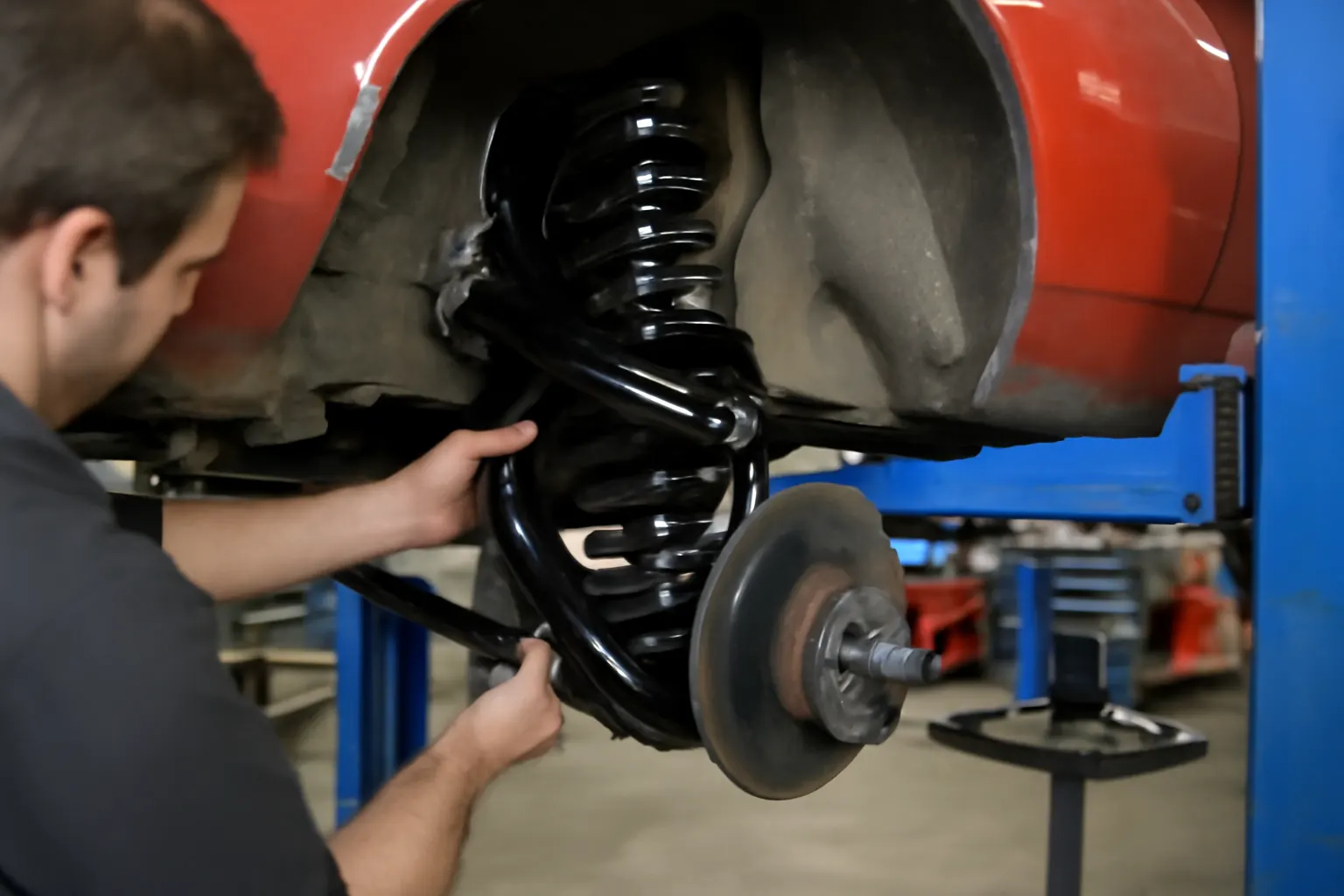
Amc Suspension Restoration
Restoring the suspension and steering system of a classic AMC Rebel is a transformative process that directly impacts safety, ride quality, and handling. Whether you’re aiming for an authentic factory-correct restoration or performance-oriented upgrades, understanding the Rebel’s unique suspension geometry and the common pitfalls in classic AMC chassis work is critical. This guide provides a thorough, model-specific approach to AMC suspension restoration, highlighting diagnostic tips, parts sourcing, installation best practices, and expert-level checks—so you can achieve a result that’s as safe as it is satisfying.
For a broader overview of compatible parts and maintenance strategies, visit our AMC Rebel Auto Parts & Model-Specific Maintenance Guide. This article dives deep into the Rebel’s suspension specifics, but the linked guide provides context on related systems and sourcing.
Why Suspension Restoration Matters for AMC Rebels
Suspension systems are the unsung heroes of classic car enjoyment. On the AMC Rebel, decades-old bushings, tired coils, worn ball joints, and imprecise steering linkages not only compromise ride comfort but can also undermine vehicle safety and fuel efficiency. The National Highway Traffic Safety Administration (NHTSA) highlights the direct relationship between suspension health and safe vehicle dynamics, underscoring the importance of regular inspection and timely component replacement [1].
Restoring suspension isn’t just about comfort; it’s essential for maintaining correct wheel alignment, predictable handling, and optimal braking—all of which are especially important in a car with the unique front geometry AMC engineered for the Rebel line.
Hidden Pitfalls in Classic AMC Suspension Work
Many enthusiasts start suspension restoration with optimism—only to encounter hidden issues that can derail the project. The most common pitfalls include:
- Misidentifying worn or obsolete parts due to subtle year-to-year changes in AMC chassis design.
- Overlooking steering linkage and geometry differences unique to the Rebel, which can cause poor alignment and handling if ignored.
- Using incorrect aftermarket components that don’t match AMC’s original dimensions or metallurgy standards.
- Neglecting bushing and joint compatibility, leading to premature wear or unsafe operation.
These pitfalls often stem from the Rebel’s transitional engineering—AMC frequently updated suspension designs mid-generation, creating a challenge when sourcing and installing parts.
The AMC Rebel’s Unique Suspension Geometry
Unlike many contemporaries, the AMC Rebel’s front suspension features a short/long arm (SLA) design with coil springs mounted between the upper control arms and the frame. The geometry was engineered for a balance of comfort and handling, but it’s sensitive to deviations in ride height, bushing durometer, and control arm angle.
Key technical details:
- Upper and lower control arms are stamped steel, with bushings that must match AMC’s original specifications for correct caster and camber curves.
- Steering linkage utilizes a center link, idler arm, and pitman arm, with geometry that differs from the AMC Ambassador and Matador of similar years.
- Coil spring rates and lengths were model- and engine-specific, affecting ride height and suspension travel.
- Rear suspension is a trailing arm design with coil springs, requiring careful attention to bushing and shock absorber compatibility.
Understanding these nuances is essential to avoid introducing bump steer, excessive tire wear, or unpredictable handling.
Diagnosing AMC Rebel Suspension Problems
Before sourcing parts or disassembling the chassis, a systematic diagnosis will save time and prevent costly mistakes. Use this checklist to evaluate your Rebel’s current suspension condition:
AMC Rebel Suspension Diagnostic Checklist
- Visual Inspection
- Check for cracked, dry-rotted, or collapsed rubber bushings at all control arms and sway bars.
- Look for leaking, dented, or seized shock absorbers.
- Inspect coil springs for sagging, rust, or broken coils.
- Steering Play
- With the wheels on the ground, gently rock the steering wheel. Excessive free play may indicate worn tie rod ends, center link, or idler arm.
- Observe the pitman arm for vertical or lateral movement.
- Ball Joint Wear
- Jack up the vehicle and support it securely.
- Grasp each front wheel at 12 and 6 o’clock; rock in and out to check for upper/lower ball joint play.
- Repeat at 3 and 9 o’clock for tie rod end play.
- Ride Height Measurement
- Compare front and rear ride heights to factory specifications. Significant sag indicates coil spring fatigue.
- Bushing Compression
- Use a pry bar to gently test for excessive movement at control arm bushings.
- Road Test
- Listen for clunks, rattles, or squeaks over bumps.
- Note any pulling, wandering, or instability at highway speeds.
Document all findings to guide your restoration plan. If you discover frame or subframe rust near suspension mounting points, address this before replacing any components.
Sourcing Correct AMC Rebel Suspension Parts
One of the most challenging—and critical—aspects of AMC suspension restoration is sourcing the right parts. AMC’s frequent running changes mean that even factory service manuals may not reflect mid-year updates or supplier substitutions.
Key Sourcing Tips
- Verify Year, Model, and Engine: Always cross-check your Rebel’s VIN and build date. For decoding, see our Amc Vin Engine Decoding guide.
- OEM vs. Aftermarket: Where possible, use OEM or NOS (new old stock) parts for bushings, ball joints, and steering components. Aftermarket parts are available, but confirm dimensions and metallurgy against AMC specifications.
- Check Part Numbers: AMC often used unique part numbers for what appear to be identical components. Use a reputable AMC parts catalog for cross-referencing.
- Suspension Kits: Some vendors offer complete front-end kits. Ensure kits are Rebel-specific and not generic AMC, as geometry and bushing sizes may differ.
- Reinforced/Performance Options: For improved handling, consider modern polyurethane bushings or heavy-duty ball joints, but be mindful of increased NVH (noise, vibration, harshness).
Commonly Needed Parts
- Upper and lower control arm bushings
- Ball joints (upper and lower)
- Idler arm and pitman arm
- Center link and tie rod ends
- Coil springs (front and rear)
- Shock absorbers (matched for ride height and damping)
- Sway bar bushings and end links
Always compare new parts to the originals before installation.
Removing and Inspecting Suspension Components
Disassembly of the Rebel’s suspension requires care and the right tools. Many components are under spring tension and can cause injury if not handled properly.
Removal Steps
- Support the Vehicle Securely: Use jack stands under the frame, not under control arms.
- Remove Wheels: Loosen lug nuts before lifting the car.
- Unbolt Shocks: Remove shock absorbers to release tension.
- Compress Coil Springs: Use a quality internal spring compressor designed for AMC geometry. Never use external compressors, which may not fit safely.
- Disassemble Steering Linkage: Remove cotter pins and nuts from tie rods, idler arm, and pitman arm.
- Separate Ball Joints: Use a ball joint separator tool; avoid striking with a hammer, which can damage the spindle.
- Remove Control Arms: Unbolt from the frame and spindle assembly.
Inspection Points
- Check control arms for cracks, rust, or distortion.
- Inspect spindles for scoring or bent surfaces.
- Examine all fasteners for thread damage or corrosion.
- Assess mounting points for ovaled holes or stress fractures.
Replace any suspect hardware with Grade 8 or higher fasteners.
Cleaning, Painting, and Preparing Parts
Before reassembly, all suspension components should be thoroughly cleaned and inspected. Rust and old grease can hide cracks or pitting that threaten long-term reliability.
Preparation Steps
- Degrease: Use a solvent tank or degreaser to remove old grease and grime.
- Rust Removal: Wire brush or media blast rusted surfaces.
- Crack Inspection: Use a magnifying glass or dye penetrant to check for cracks, especially in control arms and spindles.
- Paint/Coat: Apply a rust-inhibiting primer and chassis paint. Powder coating is an option for durability, but avoid excessive buildup at bushing bores or ball joint seats.
Let all painted parts cure fully before assembly.
Rebuilding and Installing Bushings and Joints
Correct bushing and joint installation is crucial for restoring original geometry and ride quality. AMC Rebels used both pressed and bonded rubber bushings, which must be installed with care.
Installation Tips
- Orientation Matters: Install bushings in the same orientation as original. Some have offset sleeves for caster adjustment.
- Press Fit: Use a hydraulic press or bushing tool. Never hammer bushings into place.
- Lubrication: For rubber bushings, use a silicone-based lubricant. For polyurethane, use the manufacturer’s recommended grease.
- Torque Specs: Tighten all fasteners to AMC’s specified torque values, with the car at normal ride height to avoid preloading bushings.
Ball joints should seat fully in their tapers, and cotter pins must be installed in all castellated nuts.
Reassembling and Aligning the AMC Rebel Suspension
Reassembly is the reverse of disassembly, but with attention to detail:
- Install Control Arms: Bolt to frame loosely.
- Install Coil Springs: Use the internal spring compressor as before.
- Attach Spindles and Ball Joints: Secure with correct torque and cotter pins.
- Reconnect Steering Linkage: Ensure all joints move freely and without excess play.
- Mount Shocks: Use new hardware if possible.
- Tighten All Bolts at Ride Height: Lower the car onto ramps or blocks to simulate loaded suspension, then torque all control arm bolts.
Alignment
A professional four-wheel alignment is mandatory after suspension work. AMC Rebels require specific caster, camber, and toe settings to maintain stable handling. Provide your alignment shop with factory specs, or consult the SAE Standards for recommended angles.
Upgrading Suspension Components: Modern Materials and Techniques
For owners seeking improved performance or durability, several modern upgrades are available:
- Polyurethane Bushings: Offer improved longevity and sharper response, but can transmit more vibration.
- Heavy-Duty Ball Joints: Enhanced strength for spirited driving or heavier wheels.
- Performance Shocks: Tuned for firmer damping, improving control without sacrificing comfort.
- Adjustable Sway Bars: Allow fine-tuning of roll stiffness for track or street use.
When upgrading, balance improvements against originality if the car is a concours candidate.
Safety, Recalls, and Regulatory Considerations
Safety is paramount in any suspension restoration. The NHTSA maintains an up-to-date database of vehicle and equipment recalls [2]. Before installing any aftermarket or NOS parts, check for recall notices related to control arms, ball joints, or steering components.
Additionally, ensure all parts meet or exceed federal safety standards for materials and construction. The Vehicle Safety and Equipment resource provides guidelines on replacement part quality and testing.
Maintenance After Restoration: Keeping Your AMC Rebel Suspension Tight
Post-restoration, regular inspection and maintenance will maximize the life of your investment:
- Check Torque: After 100-200 miles, recheck all suspension fasteners for proper torque.
- Lubricate Joints: Grease all serviceable joints at every oil change.
- Inspect Bushings: Look for signs of wear or extrusion, especially if using polyurethane.
- Monitor Ride Height: Springs can settle slightly after installation; verify that alignment remains within spec.
Keep detailed records of all parts, torque values, and alignment settings for future reference.
Fuel Efficiency and Suspension Health
A properly restored suspension doesn’t just improve safety and handling—it can also enhance fuel efficiency. According to the United States Department of Energy, correct alignment and reduced rolling resistance from fresh bushings and joints contribute to better MPG [3]. Worn components increase drag and cause uneven tire wear, both of which hurt efficiency.
For more on maximizing your Rebel’s efficiency, see our related Amc Rebel Brake System Guide, as braking and suspension health are closely linked.
Common Questions and Troubleshooting
Q: Can I use suspension parts from other AMC models on my Rebel? A: Some components interchange, but always verify part numbers and dimensions. The Rebel’s geometry differs from the Ambassador and Matador, especially in steering linkage.
Q: What’s the risk of using generic aftermarket bushings? A: Incorrect bushing durometer or size can alter alignment angles and cause premature wear. Use Rebel-specific parts or high-quality aftermarket options matched to AMC specs.
Q: My new suspension clunks over bumps—what did I miss? A: Double-check torque on all fasteners, confirm bushings are installed in correct orientation, and verify that shocks are seated properly. Clunks can also result from worn steering linkage or loose sway bar mounts.
AutoPartEx: Your AMC Restoration Partner
At AutoPartEx, we’re passionate about helping enthusiasts restore and enjoy classic vehicles like the AMC Rebel. Our technical content is grounded in verified safety standards and practical experience, ensuring you get reliable, actionable advice every step of the way.
For model-specific parts, expert guidance, and additional restoration resources, explore our AMC Rebel Auto Parts & Model-Specific Maintenance Guide and related articles like Amc Wiring Refurbishment.
Whether you’re tackling a full chassis build or simply refreshing tired bushings, our team is here to support your AMC journey.